Few machines capture our imagination like a fighter jet. The roar of the engines, the flash of wings slicing through the clouds—it’s pure power and precision. Over the years, engineers and pilots have worked together to create aircraft that can fly higher, faster, and smarter than ever before.
Some of these planes changed the course of wars. Others set new records for speed and agility. For example, the F‑15 Eagle set eight time-to-climb world records back in 1975, reaching 98,425 feet in just 3 minutes 27.8 seconds—a demonstration of sheer performance. Each one tells a story of skill, courage, and science pushed to its limits. From the earliest propeller planes to the modern stealth fighter, these are the legends of the sky—the best fighter jets of all time.
So, how do we know which ones truly stand out? Let’s get into it by looking at what makes a fighter jet “the best” in the first place.
What Makes a Fighter Jet “the Best”?
A fighter is a special kind of aircraft built to win in the air. But what makes one the best? It comes down to how well it performs in battle, how fast it flies, and how long it stays useful. Every great fighter jet must be powerful, smart, and reliable.
1. Speed and Agility
Speed is one of the first things people think about. The top speed of a jet tells you how fast it can chase an enemy or escape danger. Some jets, like the F-15 Eagle, can fly faster than twice the speed of sound. That’s called supersonic flight. Speed helps pilots gain air superiority, meaning they control the sky during battle.
Agility matters too. Jets must turn quickly and climb fast. The F-16 Fighting Falcon, a multirole fighter, is famous for its tight turns and smooth handling. It’s small but fierce—a perfect mix of speed and balance.
2. Strength and Technology
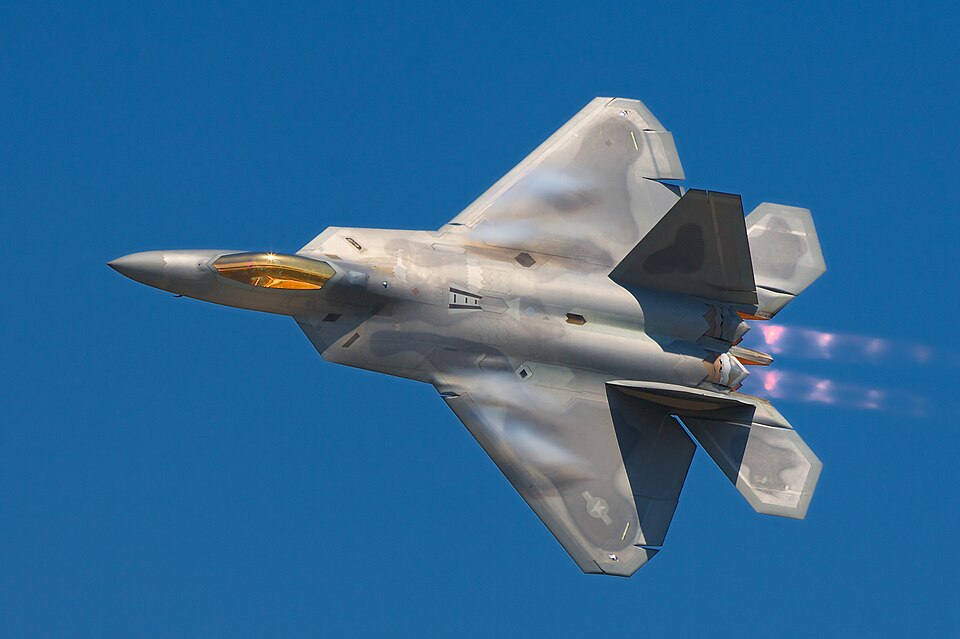
A great jet also needs advanced systems. Stealth technologies let planes hide from radar. The F-22 Raptor, built by Lockheed Martin, uses stealth aircraft design to stay nearly invisible to enemies. Its computers help pilots track many targets at once, giving it an edge in air combat.
Some older planes, like the F-4 Phantom, proved their worth through skill and toughness. They may lack stealth, but they earned strong combat records that shaped air strategy for decades.
3. Versatility and Longevity
The best fighter is one that can do many jobs. A multirole aircraft can fight in the air and strike targets on the ground. It adapts to different missions and weather. That’s why jets like the F-16 and F-15 are still in service today—strong proof of their design.
Even stol aircrafts, which can take off and land on short runways, show how flexibility can make a plane valuable in modern missions. And behind every famous fighter, there were once experimental aircraft kits that helped engineers test new designs safely.
In short, the best fighters mix stealth, speed, technology, and reliability. They rule the skies because they do everything well.
From Propellers to Supersonic Speed
Fighter planes didn’t start with jets. The first military aircraft in World War I used spinning propellers. They were slow, open-cockpit planes with simple controls. Yet they started the idea of the air superiority fighter—planes designed to protect and control the sky.
1. Early Progress
In World War II, engineers built faster planes with metal bodies and stronger engines. This era gave us the first experimental aircraft, like the German Me 262—the first jet aircraft ever used in combat. It proved how powerful jet engines could be, even though the design came too late to change the war’s outcome.
2. The Jet Age Takes Off
After the war, countries raced to develop faster, smarter jets. The Cold War pushed nations to compete. The Soviet MiG series and American designs like the F-86 Sabre changed history. Soon, fourth-generation fighter jets arrived, like the F-15 Eagle and F-16 Fighting Falcon, setting new standards for speed, sensors, and weapons.
By the 1990s, the fifth-generation fighter became the new goal—jets with full stealth and advanced computers. The F-22 Raptor was the first to achieve this, blending speed, stealth, and control into one perfect package.
3. Testing New Ideas
Engineers keep learning by building and flying test planes. Some use experimental aircraft kits to test new wings or engines safely before full production. This is how the U.S. air teams improve designs that lead to better jet aircraft for the future.
From slow prop planes to supersonic jets, the journey of flight shows one clear truth: progress never stops.
Why Fighter Jets Still Matter Today
Even with satellites and drones, fighter aircraft remain vital for defense and peacekeeping. They give nations the power to protect airspace and respond quickly to danger.
1. Modern Power and Precision
Today’s fifth-generation fighter jets use sensors and data to spot threats miles away. The F-22 and F-35 are prime examples of how far design has come. Their stealth technologies make them nearly invisible to radar, giving them control long before an enemy sees them.
These jets don’t just fight—they guide other combat aircraft in coordinated missions. They are like the quarterbacks of the air force, leading through data and teamwork.
2. Real-World Uses
Modern jets take on many roles. Some serve as multirole aircraft, handling both air defense and ground attack. Others focus purely on air superiority, like the F-15 Eagle. Each has its own strengths, but together they form a powerful system that keeps nations safe.
Even older designs like the F-4 Phantom continue to teach engineers valuable lessons. Some models are still flown for testing and training. That history connects today’s jets to their bold beginnings.
3. Innovation and the Future
Research teams keep building experimental aircraft to explore new limits—quieter engines, faster speeds, and better safety. Each test brings us closer to smarter, cleaner, and faster flight.
Despite drones and automation, humans still sit in the cockpit of the best fighter jets because instinct and courage remain key in air combat. Technology can help, but the pilot’s skill still makes the difference.
As long as nations need defense and discovery, fighter jets will continue to shape the sky.
11 Best Fighter Jets of All Time
Fighter jets are some of the most powerful machines ever built. They combine speed, precision, and strength to protect the skies. Each jet on this list changed military aviation in a special way. Some ruled past wars. Others still lead today’s air forces.
Below is a look at 11 of the best fighter jets of all time that stand above the rest.
1. Lockheed Martin F-22 Raptor
The Lockheed Martin F-22 Raptor is a stealth fighter jet that many experts call the greatest air superiority fighter ever made. It entered service with the U.S. Air Force in the early 2000s. Designed by Lockheed Martin, this jet can fly high, strike fast, and disappear from radar.
It was built for air-to-air combat, but it can also hit ground targets. The F-22 combines speed, stealth, and advanced sensors to find and destroy threats before they even know it’s there.
Key facts:
- Crew: 1
- Top Speed: Around Mach 2.25
- Range: About 1,850 miles
- Role: Tactical fighter and air dominance
- Special Feature: Advanced radar and total stealth technologies
The Raptor helped shape all modern fighter designs that followed. Even today, it’s one of the hardest jets to defeat in the sky.
2. F-15 Eagle
The F-15 Eagle is a proven air superiority fighter that has been serving since the 1970s. It was built to win. This jet is famous for never losing in air-to-air combat. The U.S. air operations during Desert Storm showed its unmatched power.
It can reach over Mach 2.5, making it one of the fastest fighter jets in service. The F-15 can climb high and strike from long distances with deadly accuracy.
Key facts:
- Crew: 1 or 2
- Role: Air dominance and strike missions
- Success: Over 100 confirmed aerial victories
- Fun Fact: The F-15 can even land safely after losing a wing—a story that’s become aviation legend.
This jet’s design still inspires new aircraft today, including the upgraded F-15EX.
3. F-16 Fighting Falcon
The F-16 Fighting Falcon is one of the most successful multirole jets ever built. It was designed to be affordable, fast, and easy to maintain. Pilots love its agility—it’s a true manoeuvrable fighter that can handle tight turns and sharp climbs.
The F-16 can perform air-to-air combat, ground strikes, and reconnaissance. It’s used by many nations around the world, proving how reliable it is.
Key facts:
- Crew: 1
- Speed: Over Mach 2
- Role: Versatile, agile, and affordable
- Feature: Bubble canopy for great visibility
This fighter jet program produced thousands of planes, and many are still in service today.
4. F-4 Phantom II
The F-4 Phantom II was a star of the Cold War. This combat aircraft served with the Navy, Marines, and Air Force. It could carry large amounts of weapons and fly fast at high altitudes.
It wasn’t stealthy, but it was reliable and tough. The F-4 fought in Vietnam and other conflicts with strong results. It even served as a reconnaissance aircraft later in its life.
Key facts:
- Speed: Mach 2.2
- Role: Fighter and bomber
- Legacy: Used by over a dozen nations
The Phantom proved that good design can last decades. It inspired the next generation fighter jets that followed.
5. F-35 Lightning II
The F-35, also called the joint strike fighter, was designed to work for several branches of the U.S. Air Force, Navy, and Marines. It brings together stealth, sensors, and flexibility.
It can act as an advanced fighter jet, collecting and sharing information with other planes in real time. Its design includes short takeoff and vertical landing options for aircraft carriers.
Key facts:
- Roles: Stealth, attack, and reconnaissance
- Speed: Mach 1.6
- Feature: Helmet display that shows full 360-degree vision
This stealth fighter jet represents the future of military aviation.
6. MiG-21
The MiG-21 is a legendary fighter from the Soviet Union. It’s one of the most-produced jets ever made, with over 11,000 built. Simple, fast, and tough—it became a key part of Cold War history.
Key facts:
- Speed: Mach 2
- Role: Lightweight supersonic fighter jet
- Users: More than 50 countries
It was easy to maintain, which made it perfect for nations with smaller budgets. Even today, some MiG-21s are still flying in upgraded forms.
7. F-14 Tomcat
The F-14 Tomcat gained fame from the movie Top Gun. But it’s more than a Hollywood icon—it’s a long-range escort fighter that defended U.S. Navy fleets for years.
The Tomcat could track and destroy multiple targets at once with its Phoenix missile system. It combined speed, power, and flexibility.
Key facts:
- Crew: 2 (pilot and radar officer)
- Speed: Mach 2.3
- Feature: Variable-sweep wings that move during flight
Iran still operates a few today, proving how well it was built.
8. Me 262
The Me 262 was the first operational jet fighter in history. Built by Germany during World War II, it was way ahead of its time.
It could outrun every Allied plane, but engine issues and fuel shortages limited its use. Still, it changed how the world viewed air power.
Key facts:
- Speed: Mach 0.8
- Role: Fighter and bomber
- Impact: Paved the way for jet design
Without the Me 262, the modern fighter jet in the world would look very different.
9. Su-27 Flanker
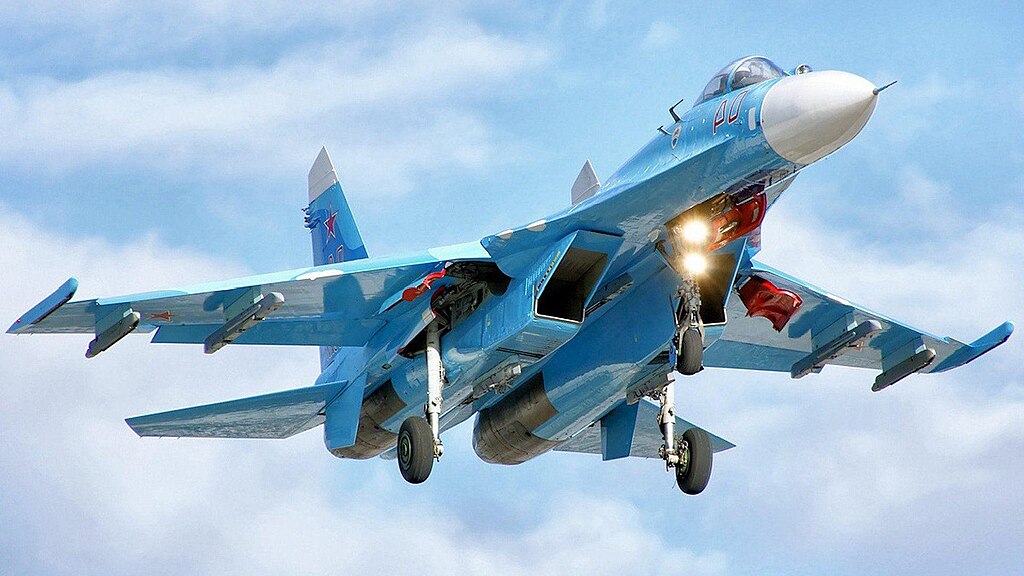
The Russian Su-27 was designed to counter U.S. jets like the F-15. It’s known for being a manoeuvrable fighter with strong engines and graceful flight moves.
Key facts:
- Speed: Mach 2.35
- Range: About 2,000 miles
- Role: Air superiority and interception
Its design inspired several newer versions, including the Su-30 and Su-35.
10. Dassault Rafale
The Rafale is a French advanced fighter jet built for multiple missions. It can switch from dogfighting to bombing in the same flight.
Key facts:
- Speed: Mach 1.8
- Role: Multirole operations
- Feature: Advanced radar and sensor systems
Its flexibility makes it one of Europe’s most capable jets today.
11. HAL AMCA (India)
The advanced medium combat aircraft or AMCA is India’s new generation fighter. It’s being designed with stealth, speed, and precision in mind.
When finished, it will join the ranks of the world’s top jets, competing with the Lockheed Martin F-22 and F-35 in performance.
Key facts:
- Expected Speed: Mach 2
- Role: Stealth, strike, and surveillance
- Significance: India’s step into 5th-generation design
The AMCA shows how many fighter nations are building their own high-tech jets to stay strong and independent.
Each fighter jet on this list made history. From the Me 262’s early design to the cutting-edge Lockheed Martin F-22 Raptor, these planes shaped how wars are fought and how peace is protected.
They prove how creativity, courage, and engineering can change the world—one flight at a time.
Conclusion
From early propeller planes to modern stealth marvels, every fighter jet tells a story of progress and bravery. These machines show how determination and teamwork can break barriers and protect our world.
The best fighter jets of all time aren’t only powerful—they represent decades of learning, testing, and courage in the air. New ideas will keep flying, and the next generation of stealth aircraft may soon take their place in history.
To explore more stories about aviation and technology, visit Flying411.com—where the sky is always within reach.
Frequently Asked Questions
1. What is the fastest fighter jet ever made?
The fastest jet is the Lockheed SR-71 Blackbird, though it was a reconnaissance plane. Among fighters, the F-15 Eagle holds top speed records at over Mach 2.5.
2. How do stealth technologies work?
They reduce radar and heat signatures using special shapes and materials. This helps a stealth fighter stay undetected.
3. What does “multirole” mean in fighter jets?
A multirole fighter can perform both air-to-air and air-to-ground missions, making it flexible in different combat situations.
4. What is the difference between fourth and fifth-generation fighters?
Fourth-generation fighter jets focus on agility and radar systems. Fifth-generation fighter jets add stealth and advanced data fusion.
5. Are any older fighter jets still in service?
Yes! The F-15, F-16, and even some updated F-4 Phantom jets are still in service in parts of the world today.