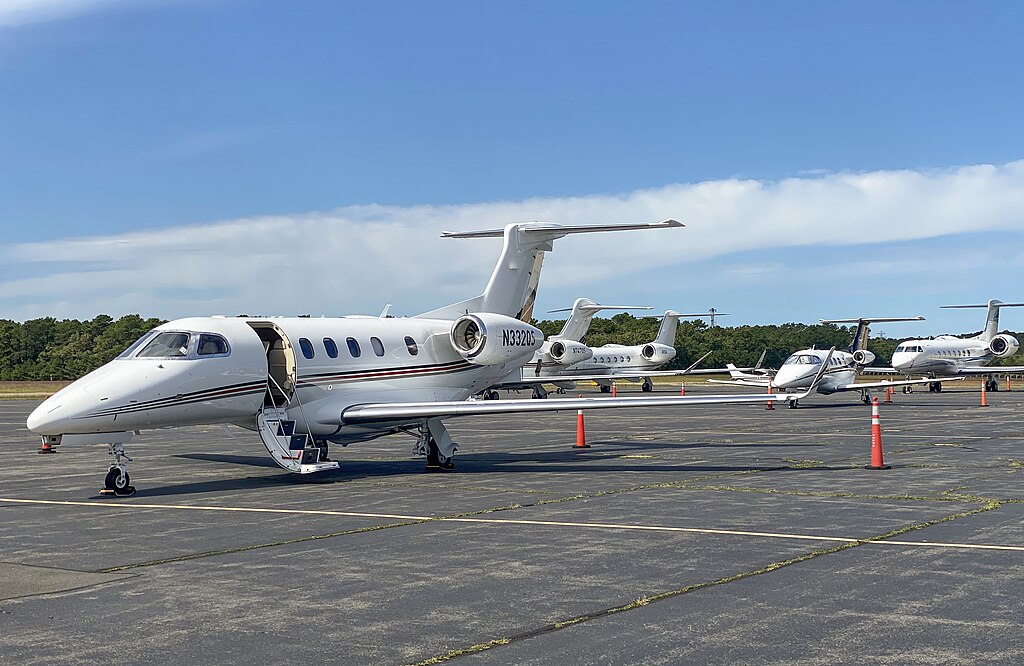
Owning a jet sounds like a dream, but buying an entire aircraft can cost millions. That’s why fractional jet ownership is catching attention — it lets you enjoy the comfort and freedom of private air travel without footing the full bill yourself. You buy a share, use it for your travel needs, and let professionals handle the rest.
Did you know the FAA has special rules just for fractional programs, called Part 91, Subpart K? These rules define how shared ownership works and how flights must operate. When you join, you don’t just get a flight card — you step into a structured program built for safety and consistency.
Think of it like joining a team of jet owners who each take turns using the plane. You still get private cabins, flexible schedules, and professional pilots — but you pay only for your use.
This article breaks down how it works and why so many people are choosing this simple, flexible way to fly.
What Does “Fractional Jet Ownership” Mean?
Fractional jet ownership means you own a small part, or fractional share, of a private jet. Instead of paying for the entire plane, you split the acquisition cost, operating costs, and maintenance costs with others. Each owner buys a certain percentage based on how much they plan to fly each year — usually measured in hours per year or by number of hours.
For example, if a fractional jet ownership program has eight owners, each might have access to around 100 flight hours annually. The ownership agreement spells out when you can use the jet, how scheduling works, and what happens when you sell your share.
A fractional ownership program includes services like pilot training, fuel management, and scheduling. A professional aircraft management team handles these tasks so owners can simply book and go. You don’t have to worry about maintenance, cleaning, or crew hiring — it’s all part of the ownership programs.
Here’s what usually comes with fractional aircraft ownership:
- Guaranteed aircraft availability with advance notice
- Consistent service and safety standards
- Access to a fleet of planes if your assigned aircraft type is busy or under repair
- Transparent pricing on fuel, management, and hourly usage
Fractional ownership makes sense for people who fly between 50–200 hours per year. If you fly less, you might use a jet card or private jet charter instead. If you fly much more, you might consider full aircraft ownership or whole aircraft ownership.
It’s a balance — fractional ownership provides the flexibility of private jet ownership with less hassle and a smaller price tag. And because you only purchase a share, you pay a fraction of the cost compared to buying the entire plane yourself.
Why People Choose to Share a Jet
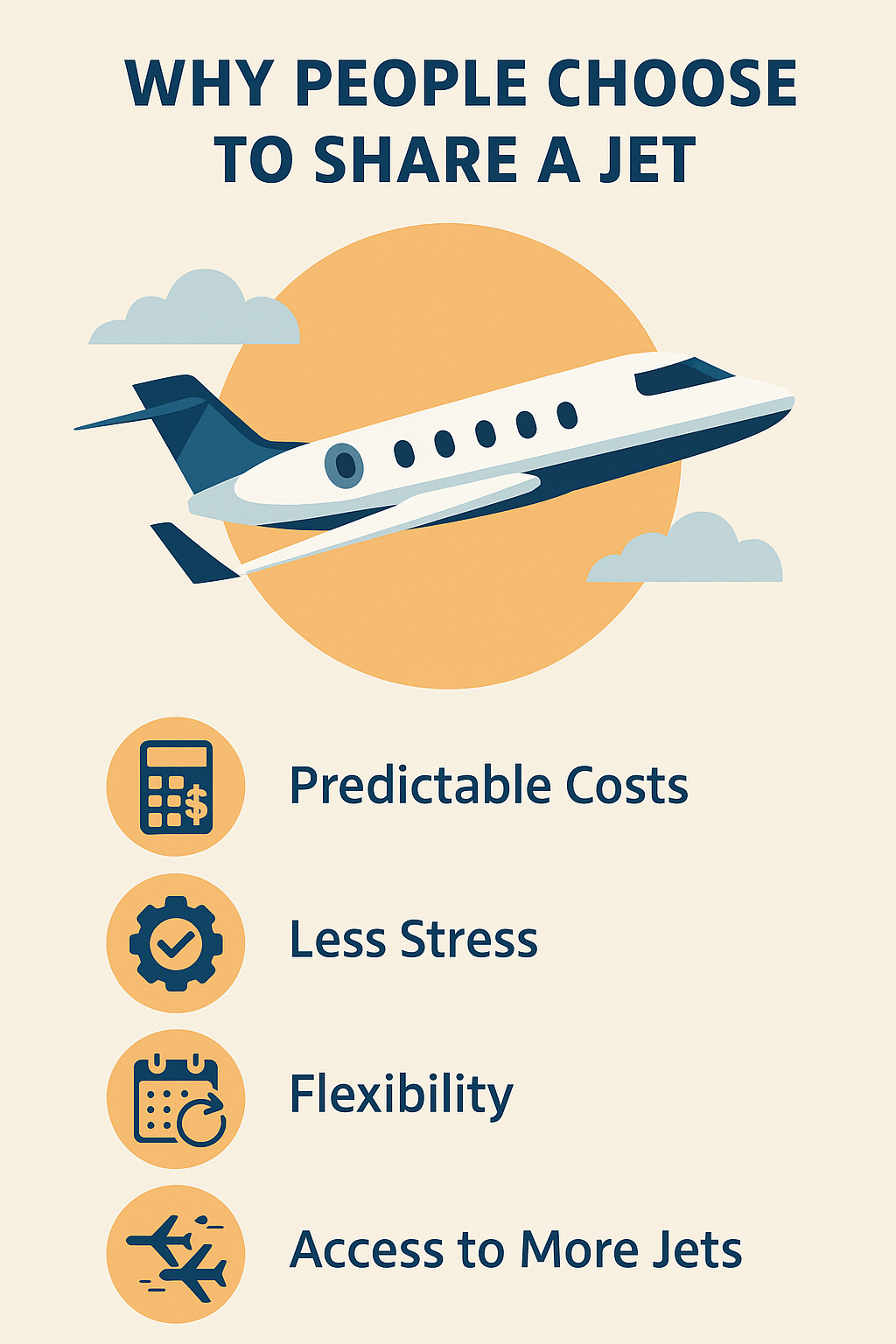
People choose shared ownership for many reasons. The main one? Convenience. Owning a whole jet sounds great, but the upfront costs and ongoing operating costs can be overwhelming. With fractional jets, you still enjoy the benefits of private jet ownership — privacy, comfort, and time savings — without the financial weight.
Here are some key benefits of fractional jet ownership:
- Predictable costs: You know your fractional jet ownership costs in advance. Fees are split among owners, which keeps expenses steady.
- Less stress: The management company handles everything — pilots, schedules, and repairs.
- Flexibility: You can book trips when you want, even on short notice.
- Access to more jets: Many programs offer a fleet of planes, so if your main one is busy, you can use another private aircraft.
- No management headaches: You don’t need to deal with hiring staff, arranging maintenance, or storing the plane.
For business travel, fractional private jet ownership is a time-saver. It allows executives to visit multiple cities in one day without relying on airline schedules. For families, it adds privacy, comfort, and safety.
Another reason is reliability. A fractional jet ownership agreement often includes backup aircraft guarantees, so your plans don’t fall through if there’s an issue. And since the jets are part of a managed fleet, the aviation standards remain consistent and high.
In simple terms, fractional ownership gives you the perks of private aviation without the full-time responsibility of owning a jet alone. You still get your preferred aircraft type — maybe a light jet for short trips or a mid-size for longer ones — but you don’t have to worry about storage or crew.
People also appreciate flexibility. Some fractional jet programs even allow you to upgrade or downgrade to different jets depending on your travel needs. Whether for work or family trips, the goal is the same: make private jet travel easy, reliable, and affordable.
How Fractional Jet Ownership Works
So how does it all come together? Let’s walk through it step by step.
When you join a fractional jet ownership program, you start by deciding how much you’ll fly each year. The company will help you purchase a share that fits your travel needs. A 1/16 share usually gives around 50 flight hours each year, while a 1/8 share might provide 100 hours per year.
Next, you sign a fractional jet ownership agreement. This is a clear, written plan explaining your rights and responsibilities. It covers scheduling, usage limits, resale terms, and fees. It’s also what sets professional standards for safety, crew training, and service quality.
Costs are divided into three main parts:
- Acquisition cost: The one-time price to buy your share of a private jet.
- Monthly management fee: Covers aircraft management, storage, insurance, and scheduling.
- Hourly fee: The amount you pay per flight hour for fuel and operation.
Many owners appreciate the transparency. You know exactly what your fractional jet ownership costs are before you fly. Fractional jet ownership, when compared to full ownership, where surprises pop up often, fractional programs feel much simpler.
If you fly less than your yearly hours, some programs let you roll them over or sell them. If you fly more, you can buy extra hours or move up within the fractional jet programs. You also have the freedom to switch between jets in the fleet, depending on your trip size and distance.
For example, you might take a light jet for a quick day trip or choose a larger jet for cross-country private air travel. That’s part of the benefits of private jet ownership through shared programs — flexibility without complexity.
Compared to traditional charter flights, fractional ownership gives more control and reliability. You always know the service quality and crew standards. And unlike whole aircraft ownership, you don’t have to handle repairs, insurance, or hangar arrangements yourself.
Overall, a fractional jet ownership program makes aircraft ownership feel effortless. It fits neatly between charter services and full aircraft ownership, giving travelers reliable access to private jets with lower upfront costs.
How to Own a Fraction of a Private Jet
Owning a private jet might sound out of reach, but fractional ownership makes it possible for many travelers. It’s a simple idea — you buy part of a jet instead of the entire thing. Then, you use it for a set number of hours each year. A management company handles everything, from pilots to cleaning. You focus on your schedule while they take care of the details.
Here’s a step-by-step guide through how to become one of the growing number of fractional jet owners and what to know before you buy.
1. Learn What Fractional Jet Ownership Means
Fractional jet ownership is a system where several people share the costs and use of one or more jets. Each person owns a portion of the plane, also called a share in a private jet or share of an aircraft.
The amount you buy usually depends on how often you plan to fly. For example:
- If you fly around 50 hours a year, you might buy a 1/16 share.
- If you fly 100 hours, you might buy 1/8 of the jet.
- Larger shares mean more flying time, but they also cost more.
A fractional jet ownership program is managed by a company that operates a fleet of aircraft. They provide pilots, schedule flights, maintain the jets, and ensure safety and service standards. This structure gives owners access to multiple planes without having to manage them personally.
In short, fractional jet ownership allows you to enjoy private jet access without the full expense or stress of owning one completely.
2. Understand the Buying Process
Buying into jet fractional ownership is similar to buying a car or home — there’s a contract, payment, and ongoing costs. Here’s what usually happens:
- Choose a Program:
Research different companies that offer fractional jet ownership offers, such as NetJets, Flexjet, or PlaneSense. Each has its own rules, aircraft options, and service styles.
- Select an Aircraft Type:
You’ll choose from different models depending on your travel habits. A light jet works well for short trips; a midsize or large jet fits longer flights or larger groups.
- Decide How Much to Buy:
You purchase a specific share, usually between 1/16 and 1/4 of a jet. The more you buy, the more hours you can fly each year.
- Sign the Agreement:
This is where everything gets official. The partial ownership agreement outlines your rights, usage rules, resale terms, and fees.
- Pay Upfront and Ongoing Costs:
You’ll pay an initial amount to buy your share, plus monthly management fees and hourly flight fees.
- Start Flying:
Once you’re set up, you can schedule trips through the company’s app or flight desk. They’ll handle the rest — pilots, fuel, catering, and logistics.
3. Know the Costs Before You Commit
The cost of fractional ownership depends on the type of jet, the share size, and the provider. But in general, you’ll pay three main types of costs:
- Initial Purchase Price:
The buy-in for your share, based on the jet’s market value. A 1/16 share of a light jet may start around a few hundred thousand dollars. Larger jets cost more.
- Monthly Management Fees:
This covers staff, storage, scheduling, insurance, and private jet maintenance cost. It’s what keeps the jet safe and ready to fly.
- Hourly Flight Fees:
You pay a per-hour rate when you actually use the jet. It includes fuel, landing fees, and onboard service.
There may be other costs associated with ownership, like taxes or fuel adjustments, depending on the program. However, most providers are transparent about these numbers up front.
Before buying, it’s smart to compare pricing across several companies. Ask about total yearly costs, minimum hours, and what happens if you don’t use all your hours.
4. Compare Ownership vs Charter
When deciding between ownership vs charter, it’s helpful to think about your flying habits.
Private charter is pay-as-you-go. You rent a jet for each trip. There’s no upfront payment or ongoing fees. It’s flexible but can get pricey during busy travel times. Service levels can also vary, depending on which charter company you use.
Fractional ownership, on the other hand, guarantees access to aircraft when you need it. You always know what your service and safety standards will be. It’s a long-term commitment but offers more consistency and reliability.
Many travelers who fly 50 to 200 hours per year find that fractional ownership gives them better value and peace of mind. Those who fly less might prefer jet card programs, which work like prepaid flight packages. You pay for a set number of hours upfront without taking on ownership responsibilities.
5. Consider the Pros and Cons of Owning an Airplane
It helps to think about the pros and cons of owning an airplane, even when it’s shared.
Pros:
- Guaranteed access to a plane when you need it.
- Consistent comfort and service.
- Managed operations — you don’t handle staffing or maintenance.
- Predictable costs and scheduling.
- Easier than full or whole ownership.
Cons:
- Long-term contracts that may last several years.
- Higher upfront costs than a charter or jet card.
- Limited flexibility if you want to change plans or sell your share early.
The good news is, most fractional jet ownership offers are built to make ownership simple. You get the main perks of owning without having to manage the day-to-day work.
6. Understand the Maintenance and Management Side
One of the biggest reasons people choose private jet fractional ownership is convenience. When you own a full jet, you have to worry about private jet maintenance cost, storage, pilot training, and scheduling. It’s like running a small business.
Fractional programs remove those headaches. The provider handles:
- Maintenance: Regular inspections, cleaning, and technical care.
- Flight operations: Scheduling and dispatching flights safely and efficiently.
- Crew management: Hiring, training, and rotating pilots.
- Customer support: Coordinating itineraries, catering, and ground transport.
The company keeps the plane in top condition and ensures all safety standards are met. You get to enjoy private travel without lifting a finger.
7. Learn How Resale and Upgrades Work
When your contract term ends (usually 3 to 5 years), you can sell your share back to the company or transfer it to another buyer. Programs often have built-in buyback options.
Some owners upgrade to larger jets or newer models at this point. Others switch to different fractional jet ownership programs or explore whole ownership later on.
Because these programs use a managed fleet of aircraft, resale and transitions are often smoother than in traditional ownership.
8. Evaluate Your Travel Needs
Before signing anything, take time to think about your travel needs. Ask yourself:
- How many trips do I take each year?
- Are they short regional flights or long cross-country ones?
- Do I usually travel for business, family, or both?
- How flexible do I need to be with scheduling?
If you fly often for work or want reliable access without hassle, fractional ownership may fit perfectly. If you fly a few times a year, a private charter might make more sense.
Conclusion
Fractional jet ownership opens the door to smarter, simpler flying. It gives you the comfort of private aviation with less stress and a price that makes sense.
You buy into a program, pay a clear set of costs, and enjoy private travel without the stress of managing the plane.
You can choose your aircraft type, manage your time better, and enjoy the freedom of private flying — all without buying an entire jet.
The key is matching your usage, budget, and preferences to the right provider. Each company offers unique fractional jet ownership offers, so take time to compare details carefully.
Fractional ownership isn’t only for large corporations anymore. It’s for professionals, families, and anyone who values time and comfort. It gives you the freedom of private flight, with service and safety standards that match the best in aviation.
In the end, fractional jet ownership gives you the best of both worlds — the experience of owning a jet and the ease of managed service. You share the costs, enjoy the convenience, and fly on your own schedule. It’s private flying made practical, safe, and efficient.
Looking to explore how a fractional jet ownership program can make your travel easier? Reach out to Flying411 today and discover the best way to fly on your terms.
Frequently Asked Questions
How many owners share one private jet?
Most programs have 8 to 16 owners per jet, depending on how many hours each person buys.
Can I pick the type of jet I use?
Yes. You can choose the aircraft type that fits your trip, such as a light jet for short flights or a midsize for longer routes.
Is fractional jet ownership cheaper than full ownership?
Yes. You only pay for the part you own and the time you fly, which lowers costs compared to whole aircraft ownership.
Can I sell my fractional share later?
Yes. You can usually resell your share after your agreement term ends, often through the same program provider.
What if my assigned jet isn’t available?
You’ll get access to another jet in the program’s fleet, so your travel plans stay on schedule.