The seller you found for a plane you’re selling seems friendly. The price looks fair. You're ready to sign the papers and fly away. But wait—that bill of sale sitting in front of you holds more power than you might think. One tiny mistake on this document can ground your dreams for months or cost you thousands of dollars you didn't plan to spend.
Here's something that might surprise you:processing errors and incomplete paperwork cause delays in a good amount of aircraft registration applications. Many of these problems start with the bill of sale. A missing middle initial, a wrong serial number, or an overlooked lien can turn your exciting aircraft purchase into a legal nightmare.
Think of the bill of sale as the birth certificate for your ownership. It proves you own the plane. It tells the government the aircraft now belongs to you. It protects you from future problems. And when something goes wrong with this document, fixing it takes time, money, and patience you probably don't want to spend.
The good news? You can avoid these headaches completely. You just need to know what to look for before you sign. Let's go over the details that make or break an aircraft sale, starting with why even small errors create big problems.
Key Takeaways
Buyers should check that all names on the bill of sale match exactly with registration documents, verify the aircraft description is accurate, confirm there are no outstanding liens, review warranty language carefully, and ensure the complete ownership chain is documented. You also need to verify the seller has legal authority to sell, get all promises in writing, and consider using escrow services for protection. Professional title searches and pre-purchase inspections help catch problems before you sign.
| What to Check | Why It Matters | What Happens If Wrong |
| Names match exactly | FAA requires perfect match | Registration gets rejected, causes delays |
| Aircraft details correct | Identifies the right plane | Can't register or insure the aircraft |
| No liens or debts | You could inherit debt | Pay someone else's bills or lose the plane |
| Complete ownership chain | Proves legal right to sell | Can't prove you own the aircraft |
| Warranty language | Know what seller promises | Disputes about aircraft condition later |
| Corporate signatures | Proper authority to sell | Sale might not be valid legally |
Why One Small Mistake Can Cost You Thousands
Think of this: You wire $50,000 to buy your dream aircraft. The seller hands you the keys. You're ready to fly home. Then you get a letter from the FAA three weeks later. They rejected your registration because the seller's name was listed as "Bill" on the bill of sale, but his legal name on the current registration is "William." Now you can't legally fly the plane. The seller has your money and lives three states away. You need a lawyer. The clock is ticking.
This happens more often than you'd think. Here's why small errors create such big problems:
Time costs money fast. While you wait for paperwork fixes, you can't use your aircraft. You might be paying:
- Hangar rental every month
- Insurance on a plane you can't fly
- Loan interest on the purchase price
- Storage fees at a facility
Fixes take forever. When the FAA rejects paperwork, the process starts over. Correct submissions take 7-10 days to process. Rejected ones? You're looking at 3-4 weeks or more. Each round trip through the system adds another month to your wait.
Some mistakes cost real money. Let's say you missed a lien during your review. The previous owner owed $15,000 to a bank. That debt doesn't disappear. The bank can come after the aircraft. You might have to pay it off or risk losing your plane. You could sue the seller, but that means lawyer fees, court costs, and years of hassle.
You lose leverage once you sign. Before you sign the bill of sale, you can walk away or ask the seller to fix problems. After you sign? You own the issues. The seller has your money and fewer reasons to help you solve problems they caused.
The aviation industry learned this lesson the hard way. A buyer in Texas once purchased a helicopter with a bill of sale that promised "airworthy condition." An inspection later found a missed airworthiness directive. The court battle lasted two years and cost both sides over $50,000 in legal fees. All because one line in the paperwork wasn't clear enough.
The Moment Everything Changes Hands
Most people think ownership transfers when money changes hands. Or maybe when you get the keys. But in aircraft sales, there's one specific moment when everything shifts: the second both parties sign the bill of sale.
That signature changes your life in ways you might not expect.
Your insurance kicks in (or should). The seller's insurance usually stops covering the aircraft the moment they sign. If you fly the plane home before setting up your own coverage, you're flying naked. One accident, and you could lose everything. Smart buyers activate their insurance before the signing happens, not after.
You become legally responsible. Once that bill of sale is signed, you own the plane and everything that comes with it. If someone discovers the aircraft has unpaid bills, those bills are now yours. If there's damage nobody mentioned, you deal with it. The plane's problems become your problems instantly.
The FAA timeline starts. You have limited time to register your new aircraft. You'll need to mail documents to the FAA Aircraft Registry in Oklahoma City. Until that registration certificate comes back, you're flying on temporary paperwork. That temporary registration only works inside the United States. International trips? You'll need special permission.
Liability shifts completely. Before the signature, the seller is responsible if something goes wrong with the aircraft. After the signature? You are. This matters if someone gets hurt or property gets damaged. Insurance companies and courts care deeply about who owned the plane when the problem happened.
The seller walks away. After signing, the seller has much less motivation to help you fix problems. They got paid. They transferred ownership. Your issues are your issues now. This is why you need everything verified before you sign, not after.
Think of signing the bill of sale like jumping out of an airplane. Once you're out the door, there's no going back. You better make sure your parachute works before you jump. In aircraft sales, your parachute is thorough checking, good paperwork, and professional help when you need it.
What Makes Aircraft Sales Different from Buying a Car
You've probably bought a car before. You signed some papers, handed over money, and drove away with a physical title in your hand. Easy. Aircraft sales work completely differently, and understanding these differences keeps you out of trouble.
No physical title exists. When you buy a car, you get a title certificate you can hold. With an aircraft, there's no title document. The bill of sale and registration certificate together prove ownership. You can't just show one piece of paper and prove the plane is yours. You need both documents working together.
The federal government runs everything. Car titles go through your state's DMV. Aircraft registration goes through the FAA in Oklahoma City. One office handles every plane in America. This means:
- Longer processing times
- Stricter rules about paperwork
- No local office to visit for quick fixes
- Everything happens by mail or online
You need a complete history chain. When you buy a used car, you just need the seller's signature. With aircraft, you might need to prove a complete ownership chain going back years. If the plane changed hands three times since the last registration, you need documentation for all three sales. Missing one link? Your registration gets rejected.
Type matters in big ways. All cars work basically the same for buying and selling. But the type of aircraft changes what you need to check. A small Cessna has different requirements than a homebuilt aircraft. Some planes need special manufacturer bills of sale. Others need affidavits about how they were built. The FAA has different rules depending on what you're buying.
Inspections are different animals. Car inspections check if the vehicle is safe to drive. Aircraft inspections check if the plane is safe to fly, which is much more complex. A pre-purchase inspection might take days and cost thousands of dollars. The mechanic needs to review years of logbook entries, check for compliance with federal airworthiness directives, and examine systems that could kill you if they fail.
Everything is public record. When you register a car, most states keep your information somewhat private. Aircraft registration is completely public. Anyone can look up your plane's N-number and see who owns it, where it's based, and its history. Some owners use trusts to stay private, but that adds another layer of complexity to the paperwork.
The stakes are higher. A bad car purchase might cost you repair money. A bad aircraft purchase could cost you your life. This is why the FAA is so picky about paperwork. They need to know exactly who owns every plane and that it's safe to fly. This means more forms, stricter rules, and less room for error.
Understanding these differences helps you prepare for what's coming. Aircraft buying isn't harder than car buying—it's just different. Once you know what to expect, the process makes sense.
What Buyers Should Check on an Aircraft Bill of Sale
Now we get to the heart of the matter. You're sitting at a table with the seller. The bill of sale is in front of you. What exactly should you look at before you sign? Let's break down every detail that matters.
Names Must Match Perfectly
This is the number one reason the FAA rejects aircraft registration applications. Names have to match exactly—and I mean exactly—across all documents.
Check the seller's name first. Pull out the current registration certificate. Look at how the owner's name appears. Now look at the bill of sale. They need to be identical. Not similar. Not close enough. Identical.
Common problems that cause rejections:
- William on registration, Bill on bill of sale
- Missing middle initials
- Wrong suffixes (Sr. vs. Jr.)
- Misspelled last names
- Different legal names after marriage or divorce
If the seller is a company, the business name must match their registration exactly. "ABC Aviation" is different from "ABC Aviation, LLC" in the FAA's eyes. One missing comma can stop your registration cold.
Now check your name as the buyer. However your name appears on the bill of sale, it must match exactly on your aircraft registration application (Form 8050-1). You can't use a nickname. You can't shorten anything. If your driver's license says "Robert James Smith Jr.," that's exactly how it needs to appear on both documents.
What about multiple owners? If you're buying with a partner or spouse, all owners must be listed on the bill of sale. All owners must sign. Missing one signature? The FAA sends it back. This applies to:
- Husband and wife buying together
- Business partners sharing ownership
- Flying clubs purchasing as a group
- Family members buying jointly
For companies and LLCs, the person signing needs proper authority. The signer must include their title: President, Manager, Authorized Member. The FAA checks that the signer actually has the legal right to sell on behalf of the company.
Aircraft Details Need Perfect Accuracy
The bill of sale must describe your aircraft correctly. Four pieces of information need to be right:
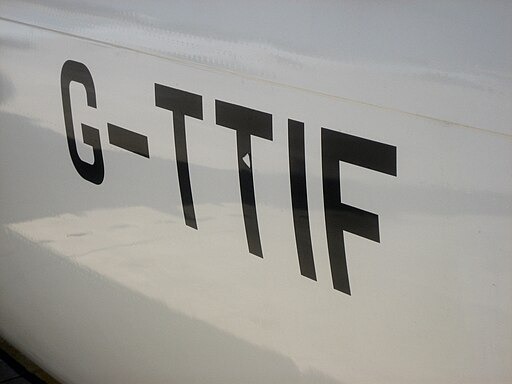
The N-Number (registration number). This is like your plane's license plate. It usually starts with "N" followed by numbers and letters. One wrong character and you're describing a completely different aircraft. Double-check this against the actual plane and the registration certificate.
Manufacturer name. This is the company that built the aircraft. Some names look similar but mean different things. "Cessna Aircraft Company" and "Cessna" might seem the same, but use exactly what appears on the data plate.
Model designation. This tells what kind of plane it is. A Cessna 172 is different from a Cessna 182. Letters matter too. A Piper PA-28-140 Cherokee is different from a PA-28-180 Cherokee. Get this wrong, and you could be registering the wrong type of aircraft.
Serial number. Every aircraft has a unique serial number assigned by the manufacturer. This number is permanent and never changes. Check the actual data plate on the plane, not just the paperwork someone typed up. Serial numbers can be all numbers, all letters, or a mix. Don't guess. Go look at the real thing.
Why does this matter so much? The FAA uses these four pieces of information to identify your specific aircraft in their database. If any detail is wrong, they might think you're trying to register a different plane. Or they might think your paperwork doesn't match their records. Either way, your registration gets rejected.
Signature Requirements That Make or Break the Deal
Both sides need to sign the bill of sale in ink. Digital signatures are now accepted by the FAA, but they need to meet specific standards. If you're signing by hand, make sure the signature is clear and matches the name printed on the document.
The seller must sign in their legal capacity. If John Smith owns the plane personally, John Smith signs. If Smith Aviation LLC owns the plane, an authorized person from the company signs with their title. The title matters. "John Smith, President" tells the FAA that John has authority to sell for the company.
Two originals are required. The FAA wants you to prepare the bill of sale in duplicate. Both are originals with real signatures. You as the buyer get both copies. You send one to the FAA with your registration application. You keep the other one for your permanent records. The seller should make a copy for themselves before giving you both originals.
Date Stamps Your Legal Transfer
The date on the bill of sale is the moment ownership transfers. This date matters for several reasons:
- Insurance coverage starts or stops on this date
- Registration timeline begins from this date
- Legal liability transfers on this date
- Warranty periods may start from this date
Make sure the date is filled in when you sign. Some sellers leave it blank to give flexibility. Bad idea. You want a clear record of exactly when ownership changed hands. If something goes wrong, that date proves who owned the aircraft when the problem occurred.
Purchase Price Documentation
The bill of sale typically includes the sale price. Some states use this information for tax purposes. The FAA doesn't require a price, but including it creates a clear record of the transaction. If you ever need to prove what you paid—for insurance, taxes, or legal disputes—this number matters.
Some sellers prefer to write "and other valuable consideration" instead of a dollar amount. This is legal, but it's less clear. You might want the actual price documented for your records.
Getting Everything Certified (If You Need It)
The standard bill of sale doesn't require notarization for FAA purposes. The FAA accepts the document with just the signatures. However, some state or local laws might require notarization for the sale to be legally valid under state law. Check your state's requirements.
Some buyers ask for notarization anyway because it adds another layer of proof that the signatures are real. It's not required, but it doesn't hurt.
Checking for Liens and Debts
A lien is a legal claim someone has on your aircraft because money is owed. Think of it like a mortgage on a house. Until that debt is paid off, someone else has a financial interest in your plane. This section could save you tens of thousands of dollars.
Why Liens Are a Buyer's Nightmare
When you buy an aircraft with a lien attached, you might inherit that debt. The bank or creditor doesn't care that you didn't know about the loan. They have a legal claim on the plane. If the debt doesn't get paid, they can take your aircraft. You lose your purchase price and your plane.
Types of liens you might find:
- Bank loans (the most common)
- Mechanic's liens (when repair bills don't get paid)
- Tax liens (when the owner owes the government)
- Judgment liens (from lawsuits)
Here's what makes this scary: liens don't always show up in obvious places. The previous owner might have used the plane as collateral for a loan. The FAA records might be weeks behind. You could buy the plane thinking it's clean, then discover a lien was filed the day before you closed the deal.
How to Search for Liens Before You Buy
Don't rely on the seller's word that there are no liens. Do your own checking. Here's how:
Professional title searches are worth every penny. Companies that specialize in aircraft titles charge between $85 and $190 for a complete search. They dig through FAA records going back to the plane's first registration. They find liens, identify ownership gaps, and spot problems you'd never catch on your own. The search typically takes 24-48 hours.
The report you get will show:
- Current registered owner
- Complete ownership history
- All liens on record at the FAA
- When each lien was filed
- Whether liens were released properly
- Any breaks in the ownership chain
You can also check FAA records yourself. The FAA sells copies of aircraft records for $20. You get every document they have on file for that plane. The catch? The records might be several weeks old. Recent liens won't show up yet. Processing at the FAA takes time, so their database lags behind real-time transactions.
State records matter too. Some liens get filed at the state level, especially mechanic's liens. If the aircraft had major work done in Texas, there might be a lien filed with Texas state authorities. A thorough title search company checks both FAA and state records.
Getting Lien Releases in Writing
If your title search finds a lien, don't panic. Many liens are already paid off but never officially released. The owner paid the loan years ago. The bank just never sent the release paperwork to the FAA. This is fixable.
The seller needs to provide releases for every lien. A release is an official document from the creditor saying the debt is paid and they give up their claim on the aircraft. The release must be in writing and signed by the creditor. A phone call isn't enough. An email isn't enough. You need official paperwork.
The release should include:
- Description of the aircraft (N-number, serial number)
- Date of the original lien
- Statement that the debt is fully paid
- Statement releasing all claims to the aircraft
- Signature of the creditor with their official title
Don't close the deal without releases. Make release of all liens a condition in your purchase agreement. The seller handles getting releases before you sign the bill of sale. If they can't get releases, you walk away or renegotiate the price to account for the debt you'll need to pay.
Using escrow services helps here. The escrow agent can hold your payment until they verify all liens are released and proper paperwork is filed with the FAA. This protects you from paying for a plane that still has financial claims against it.
Reading Between the Lines on Warranties
The warranty section of your purchase agreement determines what happens if problems show up after you buy. Most aircraft sales use "as-is" language, but this phrase doesn't mean what most people think it means.
What "As-Is" Really Means (and Doesn't Mean)
You'll often see aircraft sold "as-is, where-is" with warranty disclaimers. This sounds like the seller promises nothing and you accept all risks. But courts have ruled that "as-is" has limits.
"As-is" disclaims implied warranties. An implied warranty is an assumption you'd naturally make. If someone sells you an aircraft, you'd assume it flies. You'd assume the engine runs. These are implied warranties—things nobody said out loud, but you reasonably expected. "As-is" language says the seller isn't making these basic assumptions.
"As-is" does NOT disclaim express warranties. An express warranty is a specific promise the seller makes about the aircraft. If the seller tells you "this plane has no damage history," that's an express warranty. If they write "all systems are working normally," that's an express warranty. Courts have ruled that "as-is" language doesn't protect sellers from their own specific promises.
A case in Texas made this crystal clear. The seller signed a purchase agreement that said the plane would be delivered "in airworthy condition" and also said the sale was "as-is." The buyer found problems after the sale. The court ruled the "airworthy condition" promise was an express warranty that the "as-is" language didn't cancel out. The seller lost and had to pay for the repairs.
Specific Promises You Need in Writing
Smart buyers get specific promises in writing. Don't rely on what the seller tells you over the phone or in person. If they're making promises, those promises need to appear in the purchase agreement or bill of sale.
Common promises to document:
- "Aircraft has no accident or incident history"
- "All airworthiness directives are complied with"
- "Airworthiness certificate is current and valid"
- "Logbook entries are complete and accurate"
- "All systems are functioning within manufacturer specifications"
- "No major repairs or alterations have been made"
If the seller won't put a promise in writing, assume it's not true. Verbal promises are nearly impossible to prove later. Written promises in a signed purchase agreement give you legal standing if problems appear.
Pre-Purchase Inspection Results and Warranties
Your pre-purchase inspection report becomes important evidence of the aircraft's condition at sale time. The mechanic documents what they found. If the seller promises to fix certain items before closing, make sure the purchase agreement lists exactly what gets fixed.
Create a discrepancy list. After the inspection, list every problem found. Then decide:
- Which items the seller must fix before closing
- Which items reduce the purchase price instead
- Which items you'll accept as-is
Put this in the purchase agreement. "Seller will repair the cracked windshield before closing." "Purchase price reduced by $3,000 to account for needed avionics updates." Be specific. Vague promises lead to arguments later.
What Sellers Can't Disclaim (Even with As-Is Language)
Even if you agree to buy "as-is," some problems can't be disclaimed:
Fraud. If the seller actively hides problems or lies about the aircraft's condition, "as-is" language doesn't protect them. Fraud is fraud. If they painted over corrosion to hide it, that's fraud. If they told you the logbook was complete but they destroyed pages that showed major damage, that's fraud.
Undisclosed material defects. If the seller knows about a serious safety issue and doesn't tell you, you may have legal recourse even with "as-is" language. This is especially true if the defect makes the aircraft unsafe to fly.
The key word is "knows." Sellers must disclose problems they know about. They're not required to inspect the plane and find problems they don't know exist. But if they're aware of issues, hiding them from you can create legal liability regardless of warranty disclaimers.
Your Pre-Purchase Checklist
Before you sign that bill of sale, work through this checklist systematically. Print it out. Check off each item as you verify it. Missing even one step could cost you big later.
Document Verification Steps
Review the bill of sale line by line:
- Seller's name matches current registration exactly
- Your name (as buyer) matches your registration application exactly
- N-number is correct
- Manufacturer name is correct
- Model designation is correct
- Serial number is correct
- Date is filled in
- Purchase price is documented (if you want it included)
- All owners have signed
- Corporate signatures include proper titles
- Two original copies with real signatures exist
Verify supporting documents:
- Current registration certificate from seller
- Completed aircraft registration application (your copy to keep in plane)
- Airworthiness certificate is current
- Logbook entries are complete
- All liens have written releases
- Title search report shows no problems
- Pre-purchase inspection report is thorough
Ownership Chain Verification
Check the complete history:
- Current owner matches FAA registration records
- If plane changed hands since last registration, bills of sale exist for each transfer
- No gaps in the ownership chain
- Estate transfers (if any) have proper heir documentation
- Corporate transfers have proper authorization
If the seller isn't the person shown on the current registration, you need bills of sale connecting the dots from the registered owner to your seller. Don't accept "I bought it from Joe but never registered it." Get documentation.
Financial Protection Steps
Before you hand over money:
- Lien search is complete and clean
- All lien releases are in writing and signed
- Escrow service is set up (strongly recommended)
- Your insurance is active and covers the aircraft
- Payment method is secure (wire transfer or escrow)
- Purchase agreement is signed by both parties
Escrow protects you by holding your money until all conditions are met. The escrow agent verifies documents, confirms liens are released, and handles filing paperwork with the FAA. They only release funds to the seller when everything is proper.
Final Inspection Before Signing
At the closing meeting:
- Physical aircraft matches the description in documents
- N-number on plane matches bill of sale
- Data plate matches serial number in paperwork
- Seller has keys and all aircraft documents
- Logbook is complete through date of sale
- Maintenance records are organized and complete
- Avionics manuals and paperwork are included
- Any agreed-upon repairs are documented as complete
Walk around the aircraft one more time. Make sure it's the same plane you inspected earlier. Verify nothing has changed since your pre-purchase inspection. This sounds obvious, but aircraft can get damaged between inspection and closing.
Post-Signing Action Items
Right after you sign:
- Get both original bills of sale
- Make copies of everything for your records
- Put temporary registration in aircraft
- Mail registration package to FAA within days
- Confirm insurance coverage is active
- Update emergency contact information
- Notify any flying clubs or organizations
- Begin your own maintenance tracking system
Don't wait weeks to submit your registration. The sooner the FAA gets your paperwork, the sooner you get your permanent registration certificate. Until that arrives, you're flying on temporary registration that only works within the United States.
When to Get Professional Help
Some aircraft purchases are simple. Others are complex enough that professional help pays for itself many times over. Here's when you should spend money on experts.
Title Search Services Are Always Worth It
Even for a simple aircraft purchase, professional title search services cost between $85-$190. That's cheap insurance against a $50,000 problem. These companies search FAA records daily. They know what to look for. They catch problems you'd miss.
What you get from a professional search:
- Complete ownership history from first registration
- All liens on record (with dates and amounts)
- Whether liens were properly released
- Gaps in the ownership chain
- Incident and accident reports
- Any red flags or unusual transactions
The search takes 24-48 hours usually. For rush service, some companies deliver results in 24 hours or less. They email you a detailed report explaining everything they found.
Aviation Attorneys for Complex Situations
Most general aviation aircraft sales don't need a lawyer. But certain situations call for legal expertise:
When ownership is unclear. If the seller isn't the registered owner, if estate issues exist, if multiple parties claim ownership—get a lawyer. They sort out who legally owns the aircraft and whether the seller can actually transfer ownership to you.
When liens are disputed. If your title search finds liens the seller claims are paid off but can't prove it, a lawyer helps. They contact creditors, verify debt status, and get proper releases. They also protect you if the seller can't deliver clean title.
When the purchase agreement is complicated. If you're buying into a partnership, if the aircraft comes with a lease-back agreement, if there are ongoing maintenance obligations—have a lawyer review the contracts. They spot problems before you commit.
When you find fraud or misrepresentation. If the seller lied about the aircraft's condition, hid accident history, or forged logbook entries, you need legal help immediately. Aviation attorneys know how to handle these cases.
Escrow Services Protect Both Sides
Escrow services act as neutral third parties. They hold your money, verify all paperwork is correct, handle filing with the FAA, and only release funds when both sides meet their obligations. This costs extra, but it's worth it.
How escrow works in aircraft sales:
- You deposit purchase funds with escrow agent
- Seller provides all required documents
- Escrow agent verifies everything is correct
- Agent files paperwork with FAA
- Agent confirms liens are released
- Only then does agent release funds to seller
If problems appear, your money stays safe with the escrow agent. You're not chasing the seller for a refund. The agent can also handle repairs or price adjustments agreed upon in the purchase agreement.
Several companies specialize in aircraft escrow services. AOPA members get discounts with certain providers. The fee is typically a percentage of the purchase price or a flat rate depending on the complexity.
Pre-Purchase Inspection Mechanics
Don't use the mechanic who maintains the aircraft for the seller. You need an independent inspection by someone who works for you, not for them. Find a mechanic who specializes in your type of aircraft.
What makes a good pre-purchase mechanic:
- Experience with your specific make and model
- Reputation for thorough inspections
- Willingness to check everything, not just obvious items
- Familiarity with common problems for that aircraft
- Access to proper equipment (borescopes, test equipment)
Ask owner forums and local flying clubs for recommendations. A thorough pre-purchase inspection might cost $1,500-$5,000 or more depending on the aircraft, but it saves you from buying someone else's expensive problems.
The mechanic should review all logbook entries, check airworthiness directive compliance, examine the engine and airframe, test systems, and provide a written report. This report becomes your evidence of the aircraft's condition at the time of purchase.
Aircraft Brokers Can Guide First-Time Buyers
If you've never bought an aircraft before, a broker helps navigate the process. They know what to check, which paperwork matters, and how to avoid common mistakes. Brokers typically charge the seller a commission, though some work for buyers on a fee basis.
A good broker:
- Helps you find aircraft that match your needs
- Reviews paperwork before you commit
- Arranges pre-purchase inspection with qualified shops
- Coordinates escrow and title search services
- Walks you through closing
- Answers questions along the way
Even if you found the aircraft yourself without a broker, some brokers will help with the buying process for a flat fee. This can be money well spent for peace of mind.
Conclusion
Buying an aircraft ranks as one of the most exciting purchases you'll ever make. But excitement shouldn't cloud your judgment. The bill of sale is your proof of ownership, your protection against problems, and your ticket to FAA registration. Getting it right matters.
Take your time reviewing every detail. Check that names match. Verify the aircraft description. Search for liens. Read warranty language carefully. Get everything in writing. Use escrow for protection. And when situations get complicated, bring in professionals who know aviation law and aircraft transactions.
The few days you spend verifying everything before you sign will save you months of frustration and thousands of dollars later. There's no prize for rushing. The plane will wait. Do your homework. Ask questions. Double-check everything. Your future self will thank you.
Remember: a perfect aircraft with messed-up paperwork is worse than no aircraft at all. You can't fly a plane you can't register. You can't enjoy ownership when you're fighting legal battles. Get the documents right first, and the flying comes easy.
Looking to make your aircraft purchase smooth and worry-free? Flying411 provides resources, guides, and expert connections to help buyers navigate the aircraft buying process with confidence. Visit Flying411 today to access tools and information that protect your investment.
Frequently Asked Questions
How long does FAA registration take after submitting the bill of sale?
With correct paperwork, the FAA typically processes registration applications in 7-10 business days. However, if any information is incorrect or missing, the process extends to 3-4 weeks or longer. The FAA will alert title companies within seven days if problems exist, but private filers receive notification much slower. Using a professional service speeds up the process because they catch errors before submission and have direct contacts at the registry.
Can I fly the aircraft before receiving the permanent registration certificate?
Yes, you can fly on temporary registration immediately after purchase. When you complete the aircraft registration application (Form 8050-1), make a copy and place it in the aircraft. This copy serves as your temporary registration certificate and is valid for flying. However, temporary registration only allows flights within the 48 contiguous United States. If you plan international trips before your permanent certificate arrives, you'll need to file a Declaration of International Operations with the FAA.
What happens if I discover problems after signing the bill of sale?
After signing, your options depend on what the purchase agreement says and whether the seller made specific promises. If the seller provided express warranties (written promises about condition), you may have legal recourse even if the sale was "as-is." Document everything you find wrong with photos and mechanic reports. Contact an aviation attorney quickly if the problems are serious. If the seller committed fraud by hiding known issues, you may be able to void the sale or recover damages.
Do I need title insurance for an aircraft purchase?
Title insurance isn't required but provides valuable protection against ownership disputes, undiscovered liens, fraudulent transfers, and breaks in the ownership chain. While less common in aircraft transactions than real estate, title insurance can protect your investment if someone later claims ownership rights or if a creditor appears with a valid claim. The one-time premium typically costs a percentage of the purchase price. Buyers financing their purchase may find lenders require title insurance as a condition of the loan.
How do I handle a bill of sale if buying from an estate?
Estate sales require special documentation beyond the standard bill of sale. The estate administrator or executor must file a "Heir-At-Law" form with the FAA, which authorizes them to sign the bill of sale on behalf of the deceased owner. The estate must also provide proof they have legal authority to sell the aircraft, typically through probate court documents. All liens and debts against the estate should be cleared before the aircraft can be sold with clean title. Consider hiring an aviation attorney to verify estate documentation is proper.