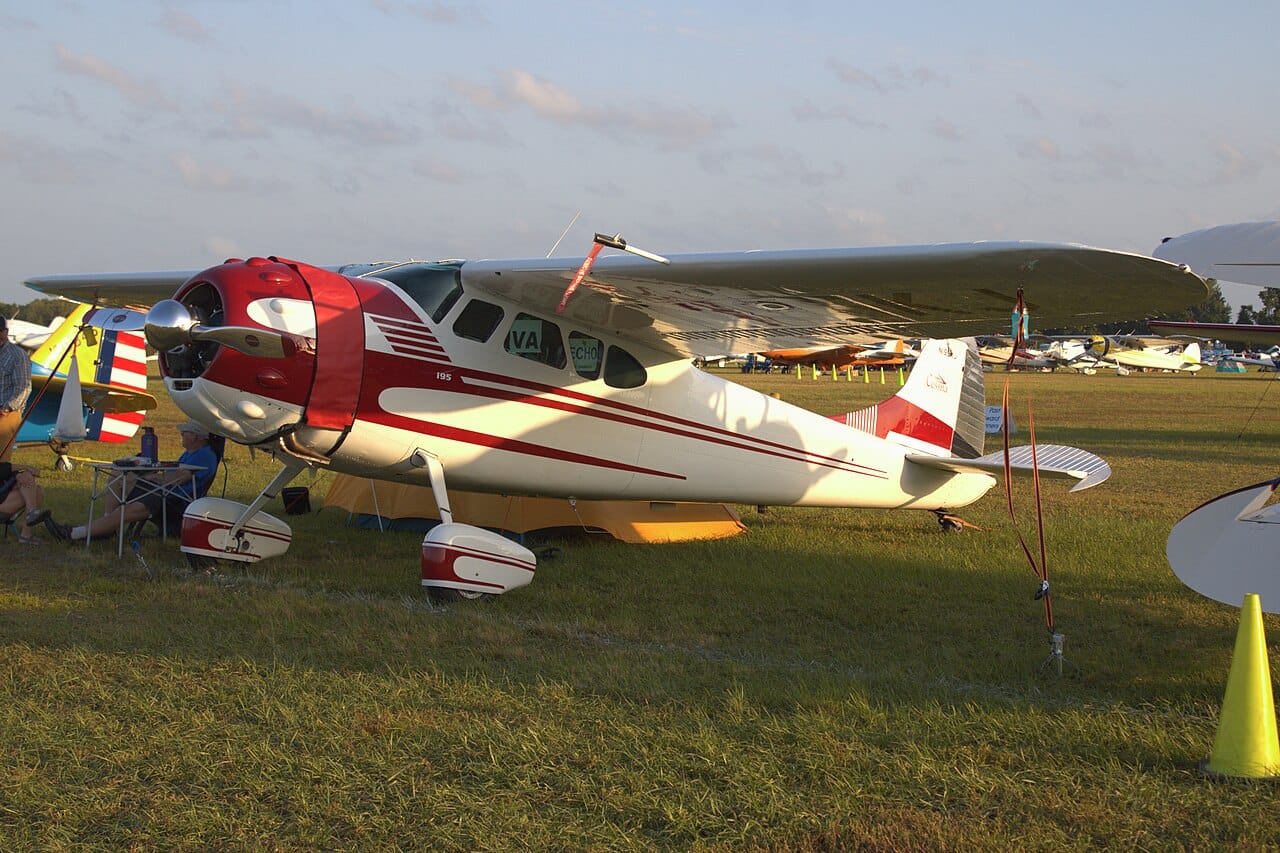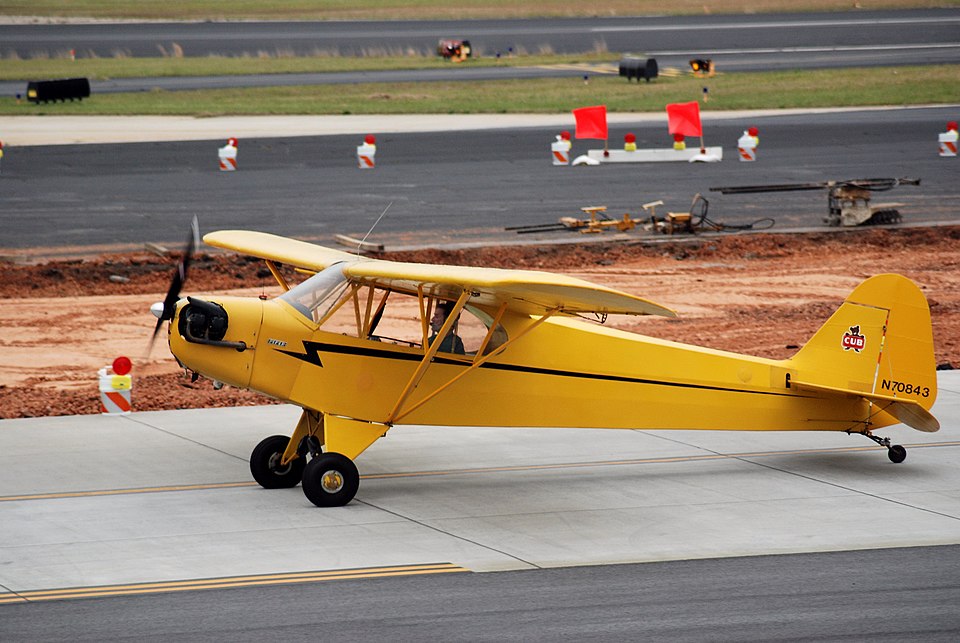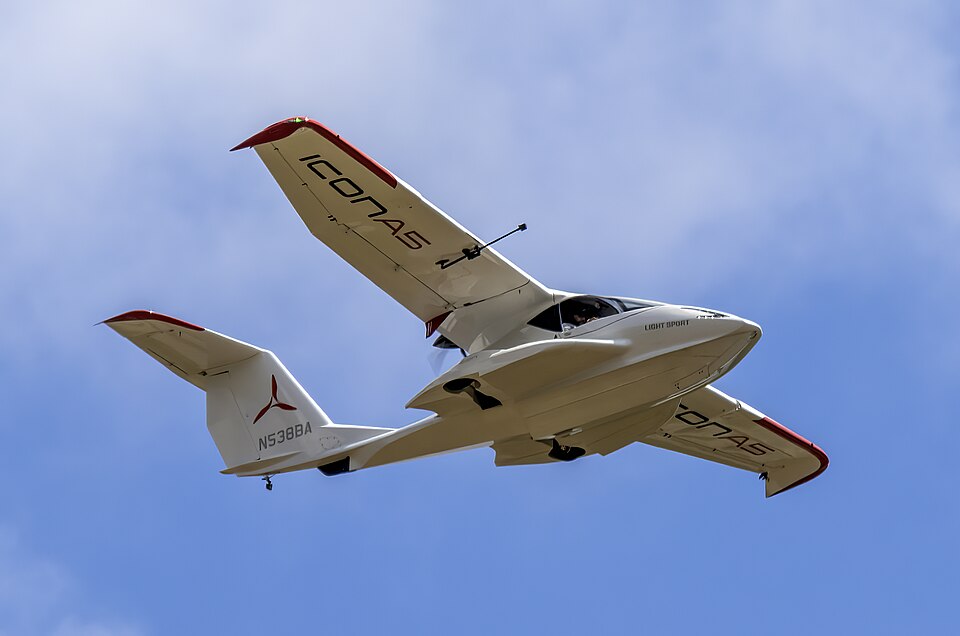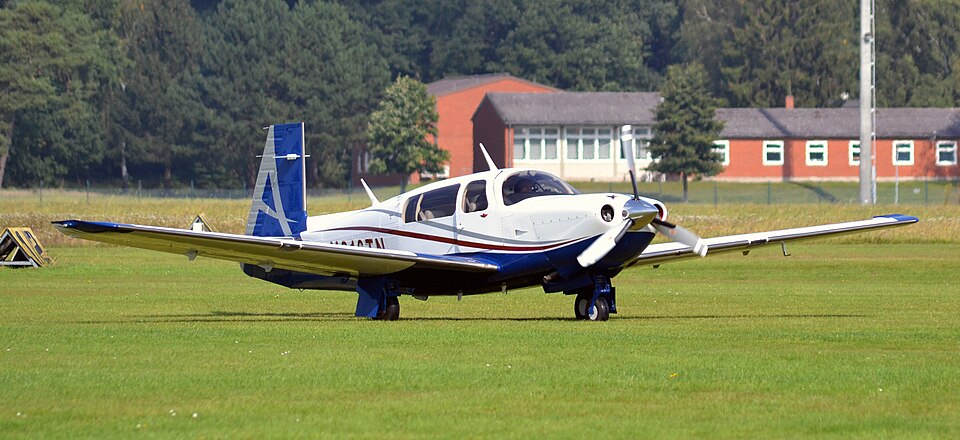
Speed has long been one of aviation's biggest thrills. When you hear about a plane that can cruise near 250 knots on a single piston engine, it is hard not to lean in and listen. The fastest single engine piston plane is more than just a fast machine. It is a careful blend of power, smooth aerodynamics, and smart engineering, all wrapped into a package that one pilot can fly comfortably.
Names like Mooney, Cirrus, Piper, and Cessna come up again and again in this conversation. Each brand has spent decades fine-tuning what a single piston aircraft can really do. Some pilots chase speed for the pure excitement of it. Others want shorter cross-country trips, better fuel use, or a more comfortable cabin for long flights.
Whatever the reason, the world of high-performance piston aircraft keeps pushing forward, and it is a fun corner of general aviation to get to know.
Key Takeaways
The fastest single engine piston plane today is widely considered to be the Mooney Acclaim Ultra, which is said to reach cruise speeds of around 242 knots in real-world flying. Other top contenders include the Cirrus SR22T, the Cessna TTX, and the Piper M350. These planes stand out because they combine turbocharged piston engines, sleek airframes, modern avionics, and thoughtful safety systems. Most high-performance single engine piston planes cruise somewhere between 210 and 250 knots, depending on altitude, weight, and engine setup.
| Quick Takeaway | Detail |
| Top speed leader | Mooney Acclaim Ultra, often cited near 242 knots cruise |
| Typical fast cruise range | Around 210 to 250 knots for high-performance models |
| Best for safety-minded buyers | Cirrus SR22T with airframe parachute system |
| Best for pressurized comfort | Piper M350 |
| Best for clean-sheet design | Cessna TTX with composite airframe |
| Common engine type | Turbocharged Continental or Lycoming piston engines |
| Main speed factors | Engine power, aerodynamics, weight, and altitude |
Looking to compare real listings or dig deeper into specific models? Flying411 is a friendly place to browse aircraft, engines, and buyer guides without the pressure.
What Defines the Fastest Single Engine Piston Plane
When it comes to top-end speed, every detail of a single engine piston aircraft matters. Designers look at the airframe, the propeller, the engine, and even tiny seams in the body. The goal is simple. Squeeze out every last knot without giving up safety or comfort. So what actually separates the fastest single engine piston plane from the rest of the pack?
Let's break it down into the parts that make the biggest difference.
Engine Power and Turbocharging
The heart of any piston plane is its engine. Most of the fastest models use turbocharged piston engines, often built by Continental or Lycoming. Turbocharging helps the engine keep its power at higher altitudes, where the air is thinner and drag is lower. That combination is the secret sauce behind those impressive cruise speeds.
A naturally aspirated engine might cruise nicely down low. But up at 20,000 feet or higher, a turbocharged engine can hold strong horsepower and push the plane faster than a non-turbo version ever could. That is why models like the Mooney Acclaim Ultra and Cirrus SR22T lean on turbo power for their headline speeds.
Good to Know: Higher altitude often means faster true airspeed for piston aircraft, even when the engine itself is not making more power. Thinner air creates less drag, so the same plane can cover more ground per hour.
Aerodynamic Design
Speed is just as much about shape as it is about power. Designers shape every inch of the airframe to slip through the air with as little drag as possible. That means smooth wing surfaces, tight cowling around the engine, and clean lines from nose to tail.
Some of the fastest single engine piston planes also use retractable landing gear. Tucking the wheels away after takeoff cuts a surprising amount of drag. Other models stick with fixed gear for simplicity and lower maintenance, but you usually pay for that simplicity in top-end speed.
Weight, Materials, and the Airframe
Lighter planes climb quicker and cruise faster on the same horsepower. That is why many newer high-performance models use composite materials instead of all metal. Composites can be molded into smooth curves that metal panels cannot easily match, and they often weigh less for the same strength.
The Cirrus SR22T and Cessna TTX are good examples here. Both use composite airframes with carefully shaped surfaces. The Mooney Acclaim Ultra mixes traditional metal construction with composite panels and a tightly built airframe to keep weight down where it counts.
Propeller and Other Speed Helpers
A modern three or four-blade propeller, often made of composite materials, can pull the plane through the air more efficiently than older designs. Pair that with advanced engine tuning and clean cooling airflow, and you have a setup ready for serious cruise speeds.
Why It Matters: Two planes with the same engine can fly very differently. Aerodynamic clean-up, propeller choice, and weight savings often add up to 10 to 20 knots of cruise speed difference between similar models.
The Fastest Single Engine Piston Planes Flying Today
Now for the part most readers came for. Which single engine piston planes actually wear the crown for speed today? A few names show up over and over in pilot conversations, magazine reviews, and aviation forums. Each one earns its spot for a different reason.
Below is a closer look at the standout models, what they offer, and where they shine.
Mooney Acclaim Ultra
The Mooney Acclaim Ultra is widely considered the fastest single engine piston plane in current production. According to many sources, it cruises around 242 knots, which is roughly 278 miles per hour, when flown high and clean. That puts it ahead of nearly every other certified piston single you can buy new or used today.
Under the cowl sits a turbocharged Continental TSIO-550-G engine, said to produce around 280 horsepower. That power, combined with Mooney's famously slick airframe, is what gives the Acclaim Ultra its edge. The cabin was redesigned in the Ultra version with larger doors and a more modern feel, which helped soften some of the older Mooney complaints about tight cabins.
- Strong cruise speed often cited around 240 knots
- Turbocharged Continental engine with serious horsepower
- Composite cowling and updated cabin in the Ultra version
- Garmin G1000 NXi avionics suite for modern navigation
Fun Fact: Mooney has long been considered one of the speed kings of the piston single world, with multiple models setting unofficial and official speed marks over the decades.
Cirrus SR22T
The Cirrus SR22T may not be the absolute fastest, but it is one of the most popular high-performance piston singles in the world. It cruises at speeds often cited near 213 knots, which is plenty quick for cross-country trips. What sets the SR22T apart is the full package, not just the speed.
The SR22T uses a turbocharged Continental TSIO-550-K engine, paired with a clean composite airframe and fixed landing gear. The fixed gear costs it a few knots compared to retractable competitors, but it also keeps maintenance simpler. Buyers love the wide cabin, side-yoke controls, and large displays.
The signature feature is the Cirrus Airframe Parachute System, often called CAPS. It is a whole-aircraft parachute that has been credited with saving many lives over the years. For a lot of pilots, that one feature alone is the deciding factor.
Pro Tip: If you fly often with family or passengers who feel nervous in small planes, a Cirrus with CAPS can do a lot to ease their minds during a long cross-country trip.
Cessna TTX
The Cessna TTX, sometimes still called the Corvalis TTX, is another strong performer. It is said to cruise at around 235 knots in the right conditions, which puts it close to the top of the list. The TTX uses a 310-horsepower Continental TSIO-550-C engine and a sleek composite airframe.
Cessna built the TTX with a focus on clean lines and a quiet, comfortable cabin. The cockpit features Garmin G2000 avionics with touchscreen controllers, which felt very modern when the TTX was introduced and still holds up well today. Production has ended, so buyers will be looking at the used market.
Piper M350
The Piper M350 is the slower one in this group on paper, but it earns its place for a different reason. It is a pressurized single engine piston plane, which is rare in this category. With cruise speeds said to be near 213 knots and a pressurized cabin, the M350 is built for comfortable, longer trips at higher altitudes.
The M350 uses a turbocharged Lycoming TIO-540 engine and includes safety systems like Garmin's Electronic Stability and Protection. For owners who fly high and far on a regular basis, that pressurized cabin can be worth more than a few extra knots of speed.
Beechcraft Bonanza G36
The Beechcraft Bonanza G36 has been a beloved high-performance single for a very long time. It is one of the longest continuously produced aircraft in general aviation. The G36 cruises at speeds often listed near 174 knots, which is slower than the headline speed leaders, but it is famous for smooth handling, strong build quality, and a roomy six-seat cabin.
It is included here because no honest list of fast piston singles is complete without the Bonanza. It is the plane many pilots compare everything else to.
Piper M700 Fury
The Piper M700 Fury is a slightly different animal. It is technically a single engine turboprop, not a piston plane, so it sits just outside this category. But it is worth a quick mention because Piper built it on the same airframe family as the M350 and M500. It shows where many piston owners eventually move when they want even more speed and altitude.
Heads Up: When shopping, double check whether a model is piston or turboprop. The Piper M-class lineup includes both, and the difference affects cost, fuel type, and pilot training requirements.
Side-by-Side Speed Comparison
To make it easier to picture how these planes stack up, here is a simple comparison table of commonly cited cruise speeds and key features. Real numbers can vary based on weight, altitude, and weather.
| Model | Cited Cruise Speed | Engine Type | Standout Feature |
| Mooney Acclaim Ultra | Around 242 knots | Turbocharged Continental | Top cruise speed in class |
| Cessna TTX | Around 235 knots | Turbocharged Continental | Composite airframe with G2000 avionics |
| Cirrus SR22T | Around 213 knots | Turbocharged Continental | Whole-airframe parachute (CAPS) |
| Piper M350 | Around 213 knots | Turbocharged Lycoming | Pressurized cabin |
| Beechcraft Bonanza G36 | Around 174 knots | Continental piston | Long heritage and roomy cabin |
How to Choose a High-Speed Single Engine Plane
Picking the fastest single engine piston plane for your needs is about more than chasing the highest number. The best choice depends on how you fly, where you fly, and what you want the experience to feel like. Here is a simple way to think it through.
Match the Plane to Your Mission
Start with a clear picture of how you plan to use it. A pilot doing regular 800-mile business trips at high altitude will want something different from a weekend flyer making short hops to grass strips.
- Long cross-country flights: Look at pressurized models like the Piper M350 or fast cruisers like the Mooney Acclaim Ultra.
- Family travel with comfort and safety: The Cirrus SR22T is a strong fit thanks to its cabin space and CAPS system.
- Mixed-use flying: A Beechcraft Bonanza G36 offers a solid balance of speed, cabin room, and reliability.
- Used market value: The Cessna TTX can be a smart pick if you want top-tier avionics and clean aerodynamics without paying new-aircraft prices.
Compare Total Operating Costs
Speed is fun, but it comes with bills. A turbocharged piston engine often costs more to overhaul than a non-turbo version. Pressurization adds maintenance complexity. Composite airframes can be wonderful in flight, but specialized repairs may require shops that know that material well.
Think about fuel burn, insurance, hangar costs, annual inspections, and engine reserves. A plane that is 30 knots faster does not help if it sits in the hangar because the upkeep is too steep.
Quick Tip: Ask owners of the model you are considering about their actual yearly costs. Most are happy to share, and real numbers from current owners beat any sales brochure.
Look at Avionics and Safety Features
Modern glass cockpits make flying easier and safer. Look for systems like the Garmin G1000 NXi or G2000, integrated autopilots, synthetic vision, and traffic and weather displays. Stability protection systems can also be a huge help, especially for newer high-performance pilots.
The Cirrus parachute system stands out as one of the most talked-about safety features in general aviation. Other models offer their own protections, like envelope protection in newer Pipers and Beechcraft models.
Consider Cabin Comfort
If most of your flying is two hours or more, comfort matters a lot. Things to look at include:
- Cabin width and shoulder room
- Seat adjustability and quality
- Noise levels and headset compatibility
- Air conditioning and heating
- Pressurization for high-altitude flights
A roomy, quiet cabin can turn a tiring trip into a pleasant one. That is part of why the Cirrus SR22T and Piper M350 sell so well, even when they are not the absolute fastest options.
Keep in Mind: Comfort and speed are often a trade-off. The slipperiest, fastest airframes tend to have tighter cabins. Make sure the plane fits you and your usual passengers before falling in love with the spec sheet.
Why Speed Still Matters in General Aviation
Speed in aviation is not just about bragging rights. It actually changes what you can do with a plane. A faster cruise speed turns a long day in the cockpit into a comfortable afternoon trip. It also opens up more destinations within practical reach.
Imagine the difference between a 160-knot plane and a 240-knot plane on a 600 nautical mile trip. The faster plane could trim more than an hour off the flight, often with less fatigue at the end. That kind of time savings adds up quickly for business owners, families, or anyone with limited free time.
Faster planes also give you more flexibility around weather. A higher cruise speed combined with the ability to climb into the high teens or low twenties means you can often fly above weather systems instead of around them. That is a real safety benefit, not just a comfort one.
Speed Records and the Story of Piston Performance
Pilots have been chasing piston single speed records for as long as the category has existed. According to many sources, Mooney has held a number of unofficial and recognized records over the decades, with planes like the Acclaim and Ovation pushing the upper limits of what propeller-driven piston aircraft can do.
In the mid-20th century, brands like Beechcraft, Cessna, Mooney, and Piper experimented with new wings, engines, and propellers. Each generation built on the lessons of the last. The idea of a piston single cruising near 250 knots would have sounded almost impossible in the early days of general aviation, yet here we are.
Today, the focus is shifting a bit. Instead of just chasing pure top speed, many manufacturers are blending speed with safety, efficiency, and modern technology. The result is a class of planes that fly faster, farther, and more comfortably than ever before.
What the Future May Hold
The next generation of single engine piston planes is shaping up to be exciting. Hybrid systems that mix piston efficiency with electric assist are being explored, along with new fuels that aim to replace traditional avgas. Lightweight materials, smarter cockpits, and improved aerodynamics will likely keep nudging speeds upward.
Some manufacturers are even blurring the line between piston and turboprop. The Piper M-class lineup is a good example, where buyers can move from a piston M350 to a turboprop M500 or M700 without leaving the family. That kind of upgrade path makes it easier for pilots to grow into faster, more capable aircraft over time.
Fun Fact: The Piper M700 Fury is said to be one of the fastest single engine turboprops in its class, and it shares an airframe lineage with the piston M350. It is a neat example of how piston designs can evolve into turbine-powered cousins.
For more on how single engine designs are shaping different parts of general aviation, the world of light aircraft keeps offering new surprises every year.
Conclusion
The fastest single engine piston plane today is widely considered to be the Mooney Acclaim Ultra, but the right choice depends on more than just top speed. The Cirrus SR22T offers safety and comfort that many pilots prize. The Piper M350 brings pressurization to the piston single class. The Cessna TTX delivers slick aerodynamics and modern avionics, and the Beechcraft Bonanza G36 remains a beloved classic.
Whichever model catches your eye, focus on how you actually plan to fly. Match the plane to your missions, your budget, and your passengers, and you will end up with an aircraft that feels right every time you climb in. If you are ready to keep exploring listings, buyer guides, and ownership tips, Flying411 is a friendly place to land next.
Frequently Asked Questions
What Is the Fastest Single Engine Piston Plane Ever Built?
The Mooney Acclaim Ultra is widely cited as one of the fastest single engine piston planes in current production, with cruise speeds said to reach around 242 knots. Earlier Mooney models, along with some experimental designs, have also been recognized for setting piston single speed records over the years.
How Fast Can a Single Engine Piston Plane Fly?
Most high-performance single engine piston planes cruise somewhere between 210 and 250 knots, depending on engine type, altitude, weight, and aerodynamic design. Slower trainers and entry-level models often cruise in the 100 to 150 knot range, so the high-speed category really is a different world.
Which Brand Makes the Best High-Speed Piston Planes?
Mooney, Cirrus, Piper, Cessna, and Beechcraft are the brands that come up most often when pilots talk about fast piston singles. Each one has its own strengths. Mooney leads on raw speed, Cirrus stands out for safety, Piper offers pressurization, Cessna brings clean aerodynamics, and Beechcraft delivers long-trusted quality.
Are Piston Planes Safe for Long Flights?
Modern piston aircraft can be very capable on long flights when flown by trained, current pilots. They use advanced avionics, weather radar in some cases, and safety systems like the Cirrus Airframe Parachute System or envelope protection in newer Beechcraft and Piper models. As with any flying, planning, weather awareness, and good maintenance make the biggest difference.
What Is the Difference Between a Piston Plane and a Turboprop?
A piston plane uses a piston engine, similar in concept to a car engine, to spin a propeller. A turboprop uses a small turbine engine, similar to a jet engine, to do the same job. Turboprops generally fly faster, higher, and burn jet fuel instead of avgas, but they also tend to cost more to buy, maintain, and operate.
Is a Turbocharged Engine Worth It in a Piston Single?
A turbocharged engine can be very worthwhile if you fly long distances, cross mountains, or want to climb above weather. Turbocharging helps the engine keep its power at higher altitudes, where you find smoother air and faster true airspeeds. If most of your flying happens at lower altitudes on shorter trips, a non-turbo engine may be cheaper and simpler to live with.
How Much Does a Fast Single Engine Piston Plane Cost?
New high-performance models like the Mooney Acclaim Ultra, Cirrus SR22T, and Piper M350 typically sit in the high six-figure to seven-figure range. Used examples can be much more affordable, depending on age, hours, and equipment. Operating costs, including fuel, insurance, maintenance, and engine reserves, can add up to tens of thousands of dollars per year, so a careful budget review is always smart before buying.
Can a Beginner Pilot Fly a High-Speed Piston Single?
Most high-speed piston singles are considered complex or high-performance aircraft, which usually require additional training and endorsements beyond a basic private pilot certificate. Many new owners take transition training with a qualified instructor before flying solo. Insurance companies often require a set number of dual hours in the specific model, which is actually a helpful safety net for newer pilots stepping up to faster planes.