You've decided you want to buy a Cessna 172. That's exciting! But now comes the big question: where should you buy it from? You have two main choices. You can buy from an aircraft dealer or from a private seller. Each path has its own good points and bad points. The choice you make affects how much you pay, how much work you do, and how safe you feel about your purchase.
Here's something interesting: more than 43,000 Cessna 172s have been built since 1956. That makes it the most successful airplane ever made. With so many out there, you'll find lots of 172s for sale. Some are listed by dealers. Others are sold by owners directly. The dealer vs private sale on a 172 decision matters because it changes your whole buying experience.
This article goes over what makes the 172 special and why understanding your buying options helps you make a smart choice.
Key Takeaways
When choosing between a dealer and a private sale for a Cessna 172, dealers offer more help, lower risk, and easier paperwork but cost more money. Private sales can save you thousands of dollars but require you to handle everything yourself and carry more risk. Both options work well when you get a good prebuy inspection. Your choice depends on your budget, experience, and how much help you want.
| Factor | Dealer | Private Seller |
| Price | Higher (dealer markup) | Lower (no markup) |
| Help & Support | Full professional help | You do it all yourself |
| Risk Level | Lower risk | Higher risk |
| Paperwork | Dealer handles it | You handle it |
| Financing | Easy to arrange | You arrange it yourself |
| Best For | First-time buyers, want peace of mind | Experienced buyers, tight budget |
What Makes the Cessna 172 So Popular?
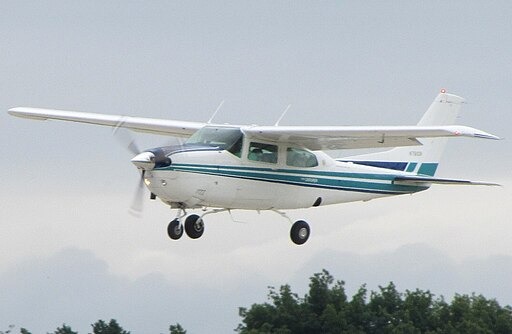
The Cessna 172 Skyhawk is the king of small airplanes. More 172s have been built than any other plane in history. That's a pretty amazing record! But why do so many people love this airplane?
First, the 172 is simple to fly. Flight schools use it to teach new pilots because it forgives mistakes well. The controls feel smooth and predictable. When you're learning to fly, you want an airplane that won't surprise you. The 172 delivers exactly that.
Here's what makes it special:
- Four seats for you, your family, or friends
- High wing design gives you great views below
- Reliable engine that's been proven over decades
- Easy maintenance because mechanics know it well
- Holds its value better than many other planes
The 172 is also very practical. You can use it for short trips to nearby airports. You can use it to build flying hours. You can even use it for small business trips. It burns fuel at a reasonable rate. Parts are easy to find because so many exist.
Think of it like the Honda Civic of airplanes. It's not the fastest. It's not the fanciest. But it's dependable, affordable to run, and gets the job done. Thousands of pilots started their flying careers in a 172. Many still fly one today because it does everything they need.
This popularity creates a big used market. On any given day, hundreds of 172s are for sale across the country. Some owners list them for sale themselves. Aircraft dealerships also keep 172s in their inventory. This gives you plenty of choices when you're ready to buy.
The airplane's track record speaks for itself. When something works this well for this long, people notice. That's why the 172 remains the go-to choice for new and experienced pilots alike.
How Much Does a Used 172 Actually Cost?
Money matters when you're buying a used airplane. The price of a used 172 can surprise you with how much it varies. You might see one listed for $40,000. Then you find another that looks similar for $150,000. What's going on?
The price depends on several big factors. Let's break them down so you understand what you're paying for.
Age makes a big difference:
- 1970s models: Usually $40,000 to $80,000
- 1980s models: Typically $60,000 to $120,000
- 1990s models: Often $80,000 to $180,000
- 2000s and newer: Can reach $200,000 to $300,000
But age alone doesn't tell the whole story. A well-maintained older plane might cost more than a neglected newer one. Flight hours matter too. Airplanes get tired just like cars do. Low hours mean less wear and tear.
The engine condition affects price heavily. Airplane engines need major overhauls every 2,000 hours or so. That overhaul costs between $20,000 and $40,000. If an engine just got overhauled, the plane costs more. If it needs an overhaul soon, the price drops.
What else affects the price:
- Paint and interior: Fresh paint and new seats add value
- Avionics: Modern GPS and radios increase the price
- Damage history: Even repaired damage lowers value
- Corrosion: Rust problems can drop the price fast
Location plays a role too. Planes in dry climates like Arizona often cost more because they have less corrosion. Planes from coastal areas might have rust issues from salt air.
Here's a real example: A 1979 172N with 3,000 hours and 1,100 hours on the engine might sell for around $65,000 from a private party. That same plane from a dealership might cost $72,000 to $75,000. The difference pays for the dealer's services and markup.
New 172s cost $400,000 to $500,000 straight from the factory. That's why most people buy used. You get the same reliable airplane for much less money.
Understanding these prices helps you spot good deals and avoid overpaying. Knowledge is power when you're shopping for your first plane.
Understanding Your Two Main Buying Options
When you're ready to buy a car, you know you can visit a car dealership or check classified ads for a private sale. Aircraft buying works the same way. You have two main paths.
The dealer path means buying from a company that sells airplanes professionally. These businesses buy planes, fix them up, and sell them to buyers like you. They have physical offices, websites with listings, and staff who handle sales every day. Some dealers specialize in Cessnas. Others sell all types of aircraft.
Aircraft dealers work a lot like car dealers. They inspect the planes they sell. They handle the paperwork. They might offer financing options to help you pay over time. They want to build a good reputation so you'll tell other pilots about them.
The private seller path means buying directly from someone who owns the plane. Maybe they're upgrading to a bigger aircraft. Maybe they stopped flying. Maybe they need money for something else. They list their plane on websites like Barnstormers, Controller, or Trade-A-Plane.
Here's how private sales work:
- You find the listing online or at your local airport
- You contact the owner directly
- You arrange to see the plane yourself
- You negotiate the price one-on-one
- You handle all the paperwork and checks
Neither option is automatically better. Each has pros and cons that fit different buyers. A dealership offers more hand-holding. A private seller might offer a better price. Your job is figuring out which matches your needs.
Think about buying a used vehicle. Some people love the peace of mind that comes from a certified pre-owned program at a dealership. Others prefer saving money with a private sale even if it means more work. The same logic applies to airplanes.
The good news is both paths can lead you to a great 172. You just need to understand what you're signing up for. A dealer gives you professional support. A private sale gives you direct access to the owner's knowledge. Both require you to do your homework.
Smart buyers research both options before deciding. They compare prices. They think about their own skills and comfort level. They consider how much time they have to spend on the purchase.
Your buying experience starts the moment you choose your path. Understanding these two options helps you pick the right one for your situation.
Should You Buy Your 172 From a Dealer or Private Seller?
This is the million-dollar question. Actually, it's more like the $50,000 to $300,000 question! The dealer vs private seller debate affects everything about your purchase. Let's dig deep into both sides so you can make the right call.
Buying From an Aircraft Dealer: The Good Stuff
Aircraft dealers exist to make your life easier. They're professionals who sell planes every day. That experience brings real benefits to you as a buyer.
Professional help is the biggest advantage. When you walk into a dealership, you get experts who know airplanes inside and out. They've seen hundreds of 172s. They know what problems to look for. They understand the market value. This knowledge protects you from making expensive mistakes.
Dealers inspect planes before listing them. A good dealer won't sell you junk because their reputation depends on happy customers. They fix obvious problems first. They make sure the plane is airworthy. Some even provide a warranty that covers certain issues for a limited time after you buy.
The paperwork becomes much simpler. Airplane purchases involve lots of forms. You need FAA registration documents. You need a bill of sale. You need title searches to check for liens. Dealers handle most of this for you. They know exactly what forms you need and how to fill them out correctly.
Financing is another big plus. Most dealers work with aviation lenders regularly. They can help you get a loan approved faster. Some dealers even offer their own financing programs. This beats calling banks yourself and explaining what an airplane loan is.
Here are more dealer benefits:
- They can arrange the prebuy inspection at a trusted shop
- They help with insurance contacts and quotes
- They coordinate delivery if the plane is far away
- They answer your questions after the sale
- They might accept trade-ins if you have another plane
Think of dealers like having a guide on a hiking trip. Sure, you could hike alone. But a guide knows the trail, spots the dangers, and makes the trip smoother. That's what dealers do for airplane buyers.
The peace of mind factor matters too. When something goes wrong with a private sale, you're on your own. When something goes wrong with a dealer purchase, you have someone to call. That support is worth money to many buyers.
Buying From an Aircraft Dealer: The Not-So-Good Stuff
Dealers aren't perfect. They run businesses that need to make profit. That creates some downsides you should know about.
Price is the obvious one. Dealers charge more than private party sellers. They need to cover their costs. They paid to inspect the plane. They might have fixed things. They have employees to pay. They need office space. All of that gets added to your price.
The markup varies but often runs 10% to 15% above what a private seller would charge. On a $60,000 plane, that's $6,000 to $9,000 extra. That's real money that could go toward avionics upgrades or flying lessons instead.
You might get less negotiating room. Dealers set prices based on market data and their costs. They usually won't budge much because they know their numbers. A motivated private seller might drop their price $5,000 just to get the plane sold quickly. Dealers rarely do that.
Some dealers might push you toward certain planes. Like any salesperson, they want to move inventory. They might steer you toward a plane that's been sitting on their lot for months instead of the perfect plane you actually want. You need to stay focused on what you need, not what they want to sell.
Dealers sometimes have conflicts of interest. Maybe they have two similar 172s for sale. They might push the one with higher profit margin. Or they might be working with both a buyer and seller on the same deal, which gets messy fast.
A few more things to watch:
- Some dealers charge extra fees for services that should be included
- You might feel pressure to decide quickly
- The specific salesperson matters, and you might get a junior staff member
- Not all dealers are equally knowledgeable about 172s specifically
The key is finding a good, honest dealer. They exist! But you need to do your research. Check reviews. Ask for references. Talk to other pilots about their experiences.
Buying From a Private Owner: The Good Stuff
Private sale deals happen between two people. No company in the middle. No markup. Just you and the seller making a deal. This brings some real advantages.
The price is usually lower. Private sellers don't need to make business profit. They just want to sell their plane for a fair amount. You can often save $5,000 to $15,000 compared to dealer prices. For a used car or airplane, that's significant money.
You can negotiate more freely. Private sellers are often more flexible than dealers. Maybe they need to sell before moving across the country. Maybe they just bought a new plane and want this one gone. These situations create room for negotiation.
Direct communication is valuable. You talk straight to the owner. They know everything about this specific plane. They can tell you its quirks and characteristics. They know if it pulls slightly left on takeoff. They know if the radio has a little static on hot days. This insider knowledge helps you understand what you're buying.
The seller might include extras. Private owners often throw in things that dealers would remove and sell separately. You might get engine covers, tow bars, cleaning supplies, or extra equipment. These small things add up to real value.
Here's what else you might get:
- Flexibility on closing dates that fit your schedule
- The original owner's passion and knowledge about the plane
- Stories about where they flew and what adventures they had
- Contacts for the mechanic who has worked on it for years
- More honest answers about the plane's true condition
Think of it like buying a used vehicle from a neighbor instead of a car lot. Your neighbor isn't trying to make money. They just want a fair deal and a good home for something they cared about.
Private sellers are often pilots themselves. They understand what buyers want to know. They appreciate questions. They want you to love the plane as much as they did. That creates a different relationship than buying from a business.
Buying From a Private Owner: The Not-So-Good Stuff
Private sales put all the responsibility on you. Nobody is holding your hand. Nobody is checking things for you. This creates real risks.
You do everything yourself. Finding a mechanic for the prebuy inspection. Arranging title searches. Filing FAA paperwork. Getting insurance quotes. Coordinating payment. Every single step is your job. If you forget something, you pay the price.
The risk of hidden problems is higher. Private sellers might not know about issues in their plane. Or worse, they might know but not tell you. You could buy a plane with corrosion in the wings, an engine making metal, or undisclosed damage history. Without professional help, you might miss these problems until it's too late.
Financing becomes your headache. You need to find aviation lenders yourself. You need to understand loan terms. You need to negotiate rates. You need to coordinate the loan closing with the aircraft purchase. This takes time and knowledge.
Payment and fraud risks exist. How do you safely transfer $75,000 to someone you just met? Cashier's checks can be faked. Wire transfers can go wrong. You need to protect yourself while also making the seller feel secure. This gets complicated fast.
More challenges you'll face:
- No warranty or protection if something breaks after purchase
- The seller might overestimate their plane's condition
- You might not know how to spot serious problems
- Sellers can be slow to respond or hard to pin down
- You bear all the legal risk if paperwork is wrong
The biggest danger is buying a plane with major issues you didn't catch. A bad engine that needs an immediate $35,000 overhaul. Wing corrosion that requires $15,000 in repairs. These surprises can ruin your whole aircraft ownership experience.
First-time buyers face extra challenges. You don't know what questions to ask. You don't know what's normal and what's a red flag. You might feel overwhelmed by the technical details. Private sales work great for experienced buyers who have bought planes before. For newcomers, the learning curve is steep.
You also need to verify everything the seller tells you. Check that the logbooks are complete and consecutive. Verify the engine times match what's advertised. Confirm the plane actually has the equipment listed. Trust but verify becomes your motto.
The Most Important Step: Getting a Prebuy Inspection
Here's the truth: you need a professional prebuy inspection no matter where you buy. Dealer or private seller, this step is not optional. It's your safety net.
A prebuy inspection is like a very detailed checkup at the doctor. A qualified mechanic examines the whole airplane. They check the engine compression. They look for corrosion. They inspect the landing gear. They review the logbooks. They test all the systems.
This inspection typically takes 8 to 10 hours. The mechanic will charge their shop rate, usually $90 to $125 per hour. Total cost runs $750 to $1,250. That sounds expensive until you consider what it protects you from.
The inspector looks for:
- Engine health and compression readings
- Hidden corrosion in the wings and fuselage
- Damage history and quality of repairs
- Exhaust system leaks and problems
- Firewall condition and stress cracks
- Complete and accurate logbook entries
- Compliance with Airworthiness Directives
- Proper operation of all aircraft systems
Smart buyers hire mechanics who specialize in Cessnas. These experts know exactly where 172s develop problems. They check the common trouble spots first. They know what's normal wear and what's a serious issue.
The inspection might find things that need fixing. Maybe the muffler needs replacement soon. Maybe the tires are getting thin. Maybe there's surface corrosion that should be treated. This gives you leverage to renegotiate the price or ask the seller to fix these items.
Sometimes the inspection finds deal-breakers. Major corrosion. Engine making metal. Undisclosed accident damage. These discoveries let you walk away before spending your money. That $1,000 inspection just saved you from a $50,000 mistake.
Don't skip this step to save money. That's like skipping a home inspection when buying a house. Sure, you save $500. But you might buy a house with a cracked foundation. The same logic applies to airplanes, except airplane problems can hurt you while flying.
Even certified pre-owned programs at dealers should get an independent inspection. The dealer's inspection protects them, not you. Your mechanic works for you alone.
Making Your Decision: Which Path Is Right for You?
Let's get practical. How do you actually decide between a dealer and a private sale for your 172? Your personal situation matters more than any general advice.
You Should Probably Buy From a Dealer If...
You're buying your first airplane. New aircraft owners face a learning curve. Everything is unfamiliar. A dealership guides you through the process. They explain things you don't understand. They catch mistakes before you make them. This education is worth the extra cost.
You want maximum convenience. Some buyers have busy lives. They don't have time to research lenders, find mechanics, and handle paperwork. They'd rather pay someone else to manage those details. Dealers offer exactly that service.
You value peace of mind over saving money. Sleep matters. If worrying about hidden problems keeps you awake at night, pay for a dealer's expertise. The confidence you gain might be worth more than the money you save.
You need financing help. Getting an airplane loan isn't as simple as a car loan. Dealers work with specialized aviation lenders regularly. They know who offers the best rates. They can speed up approval. If you're financing most of the purchase, this help becomes very valuable.
Your budget allows for the premium. Dealers charge more. If your budget has room for an extra $8,000 to $12,000, you can afford the dealer advantage. Don't stretch your budget too thin just to use a dealer, though.
Here are more reasons to choose a dealer:
- You live far from the airplane and can't visit repeatedly
- You want someone accountable after the sale
- You're trading in another airplane
- You prefer one-stop shopping for everything
- You don't know any mechanics who can do the inspection
Dealers shine for buyers who want guidance and support. Think of it like hiring a wedding planner instead of doing everything yourself. Sure, you pay more. But you get expertise and time savings in return.
You Should Probably Buy Private If...
You're experienced with airplanes. Maybe you've owned planes before. Maybe you're a mechanic yourself. Maybe you've helped friends buy aircraft. This experience makes private sales much easier. You know what to check. You know who to call. You don't need hand-holding.
Your budget is tight. Every dollar counts when you're stretching to afford an airplane. Saving $10,000 on the purchase means more money for insurance, hangar rent, and flying. Private sales maximize your buying power.
You enjoy the buying process. Some people love researching, negotiating, and managing complex purchases. They find it fun. If that's you, a private party sale lets you control everything. You're not just buying a plane; you're having an adventure.
You have time to dedicate. Private purchases take time. You'll spend hours reviewing logbooks. You'll make multiple phone calls. You'll coordinate schedules between you, the seller, and the mechanic. If you have this time available, the process works fine.
You found the perfect plane from a private seller. Sometimes a specific 172 checks all your boxes. It has the right price, the right equipment, and the right history. If that plane belongs to a private seller, don't let the source stop you. Buy the right plane, not the right seller type.
More reasons to go private:
- You know the seller personally and trust them
- You have a mechanic you trust to do the prebuy
- You're comfortable with aviation paperwork and regulations
- You like negotiating and working deals
- You can secure financing options on your own
Private sales reward buyers who do their homework. You put in more work, but you keep more money. That trade-in makes sense for the right person.
What About Your Specific Situation?
Let's make this even more practical with real scenarios.
Scenario 1: First-time buyer, moderate budget, wants to fly soon Best choice: Dealer. The guidance and speed are worth paying extra. You'll learn a lot from the process. Your second plane purchase can be private if you want.
Scenario 2: Experienced pilot, tight budget, has mechanic friend Best choice: Private sale. You have the knowledge and connections to make it work. Use that $10,000 savings for avionics upgrades or flying fund.
Scenario 3: Busy professional, high budget, values time over money Best choice: Dealer. Pay for convenience. Your time is valuable. Let professionals handle details while you focus on flying.
Scenario 4: Retiring airline pilot, knows airplanes well, medium budget Best choice: Could go either way. Shop both options. Buy whichever plane best fits your needs regardless of seller type.
The truth is there's no perfect answer for everyone. The "right" choice depends on your knowledge, budget, time, and priorities. Some people are dealer people. Some are private seller people. Neither is wrong.
Ask yourself these questions:
- How comfortable am I with airplane mechanics and systems?
- Do I have time to manage a complex purchase myself?
- Can my budget handle dealer markup, or is every dollar crucial?
- Do I have trusted contacts for inspections and paperwork?
- How important is ongoing support after the purchase?
- What helps me sleep better at night?
Your honest answers point you toward the right choice. Don't let anyone tell you one way is always better. The best path is the one that fits you.
Remember that both options can work perfectly well. Thousands of pilots buy great 172s from dealers every year. Thousands more buy great 172s from private sellers. What matters most isn't where you buy, but how carefully you inspect and how well you negotiate.
The inspection protects you either way. The logbook review matters either way. The test flight is critical either way. These fundamentals stay the same no matter who signs the bill of sale.
One last thought: you can always change your approach. Start by shopping both dealers and private sellers. Compare what you find. Talk to people. Get a feel for both markets. You don't have to commit to one path on day one. Let the best airplane guide your decision, not a predetermined rule about seller type.
Buying your first 172 is a big step. You're joining a community of pilots who love this airplane. Focus on finding the right plane in good condition at a fair price. Dealer vs private becomes less important than safe, smart, and thorough.
Conclusion
Choosing between a dealer vs private sale on a 172 comes down to what matters most to you. Dealers offer professional help, easier paperwork, and more peace of mind. Private sellers offer lower prices and direct communication with the owner. Both paths can lead you to a great airplane when you do your homework.
The most important decision isn't where you buy. It's making sure you get a thorough prebuy inspection no matter what. That inspection protects your investment and your safety. A good 172 from any source will serve you well for years of flying.
Take your time with this decision. Look at multiple planes. Compare your options. Talk to other pilots about their experiences. The right 172 is out there waiting for you.
Ready to find your perfect Cessna 172? Flying411 connects buyers and sellers across the country with a trusted platform for aircraft transactions. Browse listings, compare options, and make your aircraft ownership dreams take flight with confidence.
Frequently Asked Questions
Can I get an airplane loan without going through a dealer?
Yes, you can get airplane financing directly from aviation lenders even when buying from a private seller. Organizations like AOPA Finance, PNC Aviation Finance, and specialized aviation banks offer loans for private purchases. You'll need good credit, usually 15-20% down payment, and complete documentation about the aircraft. The process takes longer than dealer-arranged financing because you handle everything yourself, but rates are often similar. Many lenders want to see the prebuy inspection results before final approval.
How long does the average private aircraft sale take to complete?
A private aircraft sale typically takes 2 to 6 weeks from the first agreement to final closing. This includes time for prebuy inspection (1-2 weeks to schedule and complete), title search (3-5 days), arranging financing if needed (1-2 weeks), and coordinating final paperwork and payment (3-5 days). Dealer purchases often move faster because dealers handle many steps simultaneously. Complications like discovered maintenance issues or financing problems can extend the timeline significantly.
What happens if the prebuy inspection finds major problems?
If the inspection reveals serious issues, you have several options. You can ask the seller to fix the problems before closing. You can negotiate a lower price to account for repairs you'll do yourself. You can walk away from the deal entirely if problems are too severe. Most purchase agreements include an inspection contingency that lets you cancel without penalty if major defects are found. The inspection protects you from buying someone else's expensive problems.
Do aircraft dealers offer any kind of return policy or guarantee?
Most aircraft dealers sell used planes "as-is" with no formal return policy like car dealerships offer. However, some reputable dealers provide limited warranties covering specific systems for 30-90 days after purchase. These warranties rarely cover normal wear items or cosmetic issues. Some dealers offer a short test period where you can return the aircraft if your own mechanic finds undisclosed problems. Always get any guarantees in writing and understand exactly what is and isn't covered before buying.
Should I bring my own mechanic to inspect a plane at a dealership?
Absolutely yes. Even when buying from a reputable dealer, you should hire your own independent mechanic for the prebuy inspection. The dealer's inspection protects their interests, not yours. Your mechanic works only for you and has no conflict of interest. Most dealers welcome independent inspections because it shows you're a serious buyer. A dealer who refuses to allow your mechanic to inspect the plane is a major red flag. This independent check is your best protection regardless of where you buy.