Ultralight flying sits in a strange and wonderful corner of aviation. There is no license to earn, no medical exam to pass, and no tail number painted on the side. You strap in, fire up a small engine, and lift off into the sky with nothing but the wind, a thin frame, and your own judgment carrying you forward. For some pilots, that freedom feels like the purest form of flight ever invented. For others, it feels like a recipe for trouble. Both can be right depending on the day, the pilot, and the aircraft.
The world of ultralight aviation has grown a lot since the early days of bolted-together hang gliders with lawn mower engines. Modern machines are sleeker, safer, and built with better materials. The rules around them, especially in the United States, are still surprisingly hands-off compared to the rest of aviation. That mix of low cost, light regulation, and pure recreational fun is what draws thousands of people to the hobby every year.
Of course, every silver lining has a cloud, and ultralight flying has its share. The same lightweight design that makes these aircraft a joy to fly also makes them sensitive to weather, limited in range, and unforgiving when things go wrong.
Understanding the full 17 advantages and disadvantages of ultralight aviation is the best way to figure out if this kind of flying belongs in your future. The honest truth about ultralights is hiding in the trade-offs most marketing brochures skip right over.
Key Takeaways
Ultralight aviation gives pilots a low-cost, license-free way to fly small recreational aircraft, but it comes with strict size limits, weather sensitivity, and serious safety considerations that every new pilot needs to understand before lifting off. Ultralights are governed in the United States by FAA Part 103, which keeps the rules simple but also keeps the aircraft small, slow, and single-seat.
| Topic | Quick Summary |
| Definition | Single-seat recreational aircraft under 254 lbs (powered) per FAA Part 103 |
| License Required | None for legal Part 103 ultralights, though training is strongly recommended |
| Top Advantages | Low cost, simple rules, easy storage, short field operations, pure flying experience |
| Top Disadvantages | Weather sensitivity, no passenger, limited range, daylight only, no night flying |
| Best For | Recreational pilots, sport flyers, aviation hobbyists with rural access |
| Safety | As safe as the pilot makes it, with training being the biggest factor |
Flying411 helps pilots understand the corners of aviation that traditional flight schools tend to skip over, and ultralight flying is one of the most underrated paths into the sky.
What Ultralight Aviation Actually Means
The word "ultralight" gets tossed around a lot in casual conversation, but the FAA has a very specific definition. In the United States, an ultralight is not technically classified as an aircraft at all. It is treated as a vehicle, which is why the rulebook is so short.
According to FAR Part 103, a powered ultralight must:
- Carry only one occupant
- Be used for recreation or sport, not commercial work
- Weigh under 254 pounds empty (excluding floats and emergency parachutes)
- Hold no more than 5 gallons of fuel
- Top out at 55 knots calibrated airspeed in level flight
- Have a power-off stall speed of 24 knots or less
Unpowered ultralights, like hang gliders or paragliders, fall under the same Part 103 rules but with a 155-pound limit. If a machine fits inside those numbers, it qualifies as an ultralight in the eyes of the FAA. If it does not, the aircraft slides into the experimental or light sport category instead, which brings a whole different rulebook.
Good to Know: Part 103 is widely considered one of the shortest aviation regulations in existence. The entire rule fits on just a few pages, which is part of why the ultralight community has thrived under it.
The reason for this light-touch approach goes back to 1982, when the FAA decided that small, slow, single-seat machines used for sport posed minimal risk to others when flown sensibly away from crowds. The agency basically said, if you want to take a personal risk for fun, that is your call, but stay out of busy airspace and away from people on the ground.
A Quick Look at the Different Kinds of Ultralights
Ultralight aviation is not one single style of flying. The category covers a surprising range of designs, and each one has its own personality. Knowing the options helps you figure out which type fits your goals before you ever spend a dollar.
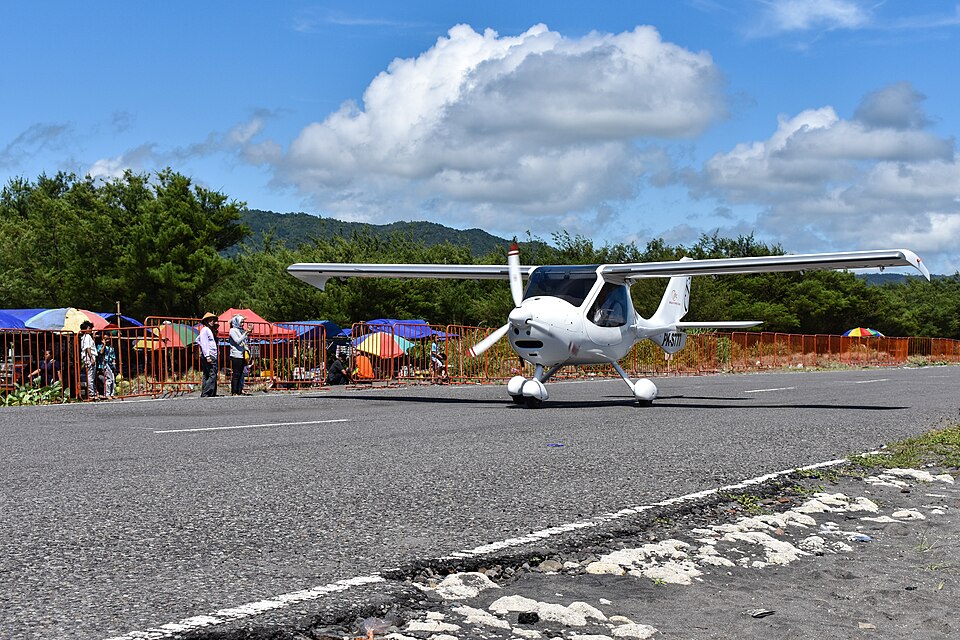
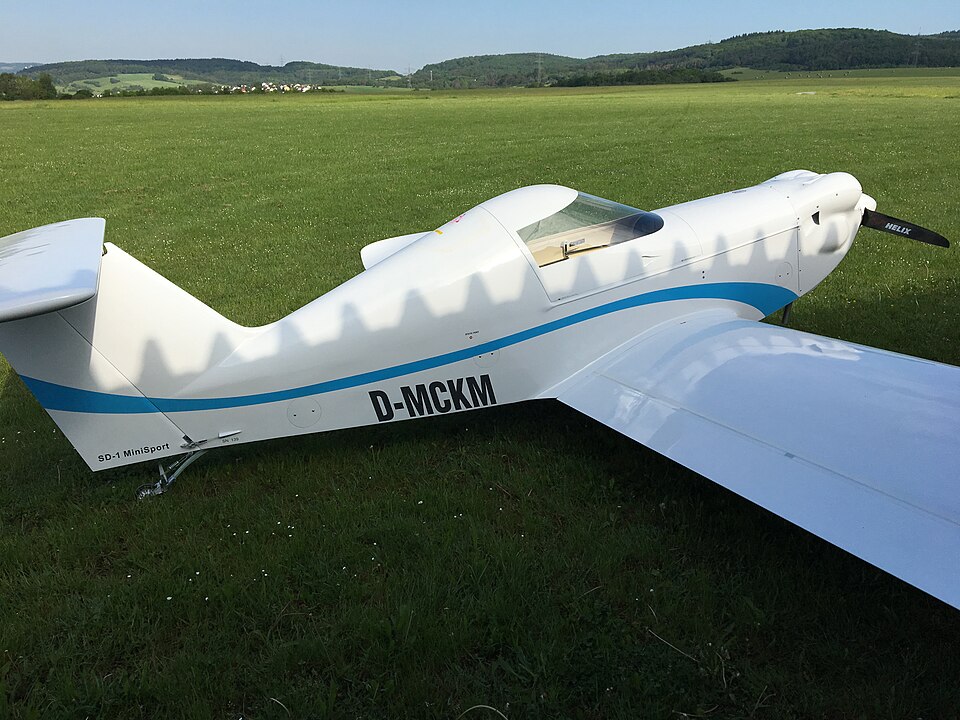
- Fixed-wing ultralights look like miniature airplanes with simplified controls and often an open cockpit. They are the most common image people picture when they hear the word.
- Weight-shift trikes use a hang glider style wing mounted above a three-wheeled cart. The pilot steers by shifting weight against a horizontal control bar.
- Powered parachutes combine a parafoil canopy with a wheeled cart and a small engine. They fly low and slow and are widely considered easy to learn.
- Powered paragliders strap a small motor and propeller to the pilot's back, who then takes off on foot under a paraglider wing.
- Ultralight helicopters and gyroplanes offer rotary wing flight in a tiny package. These are less common but growing in popularity.
If rotorcraft catch your eye, options like a piston-powered ultralight helicopter bring a different flavor to the hobby compared to fixed-wing flying. The mechanics are more complex, but the experience is unlike anything else in the sky.
Pro Tip: Try a tandem demo flight in two or three different ultralight styles before buying. The flying feel between a fixed-wing and a weight-shift trike is so different that pilots often surprise themselves with which one they prefer.
17 Advantages and Disadvantages of Ultralight Flying
Here is the heart of the matter. Ultralight aviation has a long list of perks and a long list of trade-offs, and most new pilots focus on one side and ignore the other. The list below covers both, so you can weigh them with eyes open.
The Advantages of Ultralight Aviation
1. No pilot's license required. This is the biggest draw for most newcomers. Under Part 103, you can legally fly a qualifying ultralight without ever sitting for an FAA written exam, oral test, or checkride. For someone who has always wanted to fly but felt blocked by paperwork or test anxiety, this opens the door wide.
2. No medical certificate needed. Traditional pilot training requires at least a third-class medical exam or BasicMed sign-off. Ultralights skip this entirely. People with certain medical conditions that disqualify them from a standard FAA medical can still legally fly an ultralight, which has been a quiet game changer for many older pilots.
3. Lower cost of entry. Ultralight aircraft can often be bought new or used for a fraction of what a certified airplane costs. Used ultralights in good shape have long been one of the most affordable paths into powered flight. Even kit builds, where you assemble the aircraft yourself, tend to come in well below the price of a typical small certified plane.
4. Cheaper to operate and maintain. Small two-stroke or four-stroke engines burn less fuel than the engines found in traditional aircraft. Maintenance costs are lower because there are no required annual inspections or certified mechanic sign-offs. The owner can perform the work, which saves significant money over the life of the aircraft.
5. Easy storage. Many ultralights fold or break down for transport and can fit inside a standard garage or small trailer. That eliminates one of the biggest hidden costs of traditional aviation, which is hangar rental. Some pilots store their ultralight at home and tow it to a nearby field.
6. Short takeoff and landing distances. Ultralights are designed to fly slowly, which means they need very little runway. A grass strip, a rural pasture (with permission), or even a wide private road can serve as a takeoff point. This makes the aircraft far more flexible about where it can operate.
7. The pure flying experience. Open cockpits, low altitudes, and slow speeds give pilots a sensory experience that closed-cabin aircraft simply cannot match. You feel the wind, smell the fields, and see the landscape rolling beneath you in detail. Many pilots describe it as the closest thing to being a bird.
Fun Fact: Ultralight pilots often say that flying low and slow over familiar terrain is more memorable than any high-altitude cross-country trip in a faster plane. The sights, sounds, and even the smells stay with you long after the engine cools down.
8. Minimal training time to feel competent. While training is strongly recommended, most new ultralight pilots can become reasonably comfortable in the air with somewhere between 10 and 20 hours of instruction. That is far less than the 40-plus hours typically needed for a private pilot certificate.
9. Strong sense of community. The ultralight world tends to be tight-knit. Local clubs, fly-ins, and online forums are full of pilots eager to share advice, tips, and time at the field. Newcomers usually find more mentorship in this corner of aviation than in some larger flying circles.
10. A flexible gateway into more advanced flying. Many pilots start with ultralights and use the experience as a springboard into light sport aircraft, private pilot certificates, or even commercial training later on. The stick-and-rudder skills you build in an ultralight transfer surprisingly well to bigger aircraft.
The Disadvantages of Ultralight Aviation
11. Single-seat only. By legal definition, a Part 103 ultralight carries one person. You cannot bring a friend, a partner, or a child along for the ride. Two-seat versions exist, but they fall outside Part 103 and require a sport pilot certificate or higher to fly legally.
12. Daylight-only operations. Ultralights can only be flown between sunrise and sunset, with limited twilight allowances if the aircraft has an anticollision light and stays in uncontrolled airspace. Night flying is not an option, which limits when and how often you can use the aircraft.
13. Highly weather-sensitive. The same light weight that makes ultralights nimble also makes them vulnerable. Wind gusts, turbulence, and even a hot midday thermal can knock these aircraft around in ways a heavier plane would shrug off. Pilots have to be far more selective about when they fly.
Heads Up: Wind that feels like nothing while you are walking to the aircraft can feel like a wrestling match once you are airborne. New ultralight pilots often underestimate how much a 10-knot crosswind affects a 250-pound machine.
14. Limited range and useful load. With only 5 gallons of legal fuel capacity, ultralights cannot fly very far. Most have a practical range of about 100 to 200 miles depending on the design. There is also no room for luggage, passengers, or much extra gear.
15. No passenger sharing. Aviation is often a social hobby, but ultralight flying is solo by design. Pilots who love sharing the joy of flight with others will find this limitation genuinely frustrating.
16. Less crashworthiness. Ultralights are built light, which is great for performance but tough during impact. They generally lack the structural protection found in heavier aircraft. When accidents happen, the consequences can be more severe even at lower speeds.
17. Restricted airspace access. Part 103 prohibits ultralight flight over congested areas, in Class A, B, C, or D airspace without authorization, and in restricted or prohibited zones. This means the practical flying area is limited to rural and uncontrolled airspace. For pilots who live in or near busy metro regions, finding a place to fly can be a real hassle.
Why It Matters: The advantages and disadvantages of ultralight aviation are not just bullet points on a comparison chart. They shape every flight, every decision, and every risk assessment a pilot makes. The pilots who thrive are the ones who respect both sides equally.
If you are weighing models and want to see how popular options stack up against each other, the Flying411 guide to the top ultralight aircraft on the market is a good starting point for comparing real-world performance and value.
Who Ultralight Flying Is Best Suited For
Not everyone who dreams of flying belongs in an ultralight, and not everyone who tries one falls in love. The hobby fits some personalities far better than others.
Ultralight aviation tends to suit:
- Recreational pilots who fly purely for fun and have no plans to use the aircraft for travel or commercial purposes
- Older aviators who can no longer pass an FAA medical but still want to keep flying
- Budget-conscious enthusiasts who want to fly without spending six figures on a certified aircraft
- Rural residents with access to private grass strips, open fields, or low-traffic uncontrolled airspace
- Tinkerers and builders who enjoy working on their own machines and treat maintenance as part of the hobby
- Solo flyers who do not feel the need to share the cockpit
It tends to be a poor fit for pilots who want to fly cross country with a passenger, operate at busy airports, fly at night, or use the aircraft for any kind of business travel. If those are your goals, a sport pilot certificate or private pilot certificate paired with a light sport or general aviation aircraft is a far better path.
Keep in Mind: Just because you can fly an ultralight without a license does not mean you should. Most accidents in this category trace back to a lack of training. Spending a few hundred dollars on lessons can be the difference between a great hobby and a tragic headline.
How Ultralight Aviation Compares to Traditional Aircraft
Side-by-side comparisons help cut through the marketing language. Below is a quick look at how Part 103 ultralights stack up against traditional general aviation aircraft on the points that matter most to a new pilot.
| Factor | Ultralight (Part 103) | Traditional GA Aircraft |
| License Required | None | Private pilot certificate or higher |
| Medical Required | None | Third-class or BasicMed |
| Seats | 1 | 2 to 6 typical |
| Max Speed | 55 knots | 100 to 200+ knots |
| Fuel Capacity | 5 gallons | 20 to 90+ gallons |
| Typical Range | 100 to 200 miles | 400 to 1,000+ miles |
| Operating Hours | Daylight only | Day and night |
| Storage | Garage or small trailer | Hangar typically required |
| Maintenance | Owner-performed | Annual inspections, certified mechanic |
| Insurance | Optional, often unavailable | Standard requirement |
The takeaway is simple. Ultralights win on cost, simplicity, and access. Traditional aircraft win on capability, comfort, and versatility. Picking between them comes down to what you actually want to do once you are in the sky.
For pilots curious about how light sport aircraft fit between these two extremes, the most popular light sport aircraft today bridge the gap with two seats, more capability, and a sport pilot certificate that is still much easier to earn than a private pilot license.
Costs You Can Expect When Getting Started
Money is one of the first questions every aspiring ultralight pilot asks, and the honest answer is that costs vary widely depending on the type of aircraft and how much of the work you want to do yourself.
Typical cost categories include:
- Aircraft purchase: Used Part 103 ultralights can range from a few thousand dollars for a basic project to well over twenty thousand for a turn-key modern model. Kit builds usually fall somewhere in the middle.
- Training: Lessons from a certified ultralight instructor often run between $100 and $200 per hour, with most new pilots needing 10 to 20 hours of instruction.
- Fuel: With a 5-gallon tank and modest fuel burn, a typical flight costs only a handful of dollars in gas.
- Maintenance and parts: Owner-performed work keeps costs low, but two-stroke engines need regular care and occasional rebuilds.
- Storage: Many owners store their aircraft at home, eliminating hangar fees. Those who do rent space often find rural strips charge much less than busy airports.
- Insurance: Coverage for ultralights can be limited and may not always be available, but liability policies do exist through specialty providers.
- Safety gear: A good helmet, eye protection, and a ballistic recovery parachute system (if equipped) add to the upfront cost.
Quick Tip: Search for the most affordable ultralight rotorcraft options if rotary wing flying is on your radar. Helicopter-style ultralights tend to be pricier than fixed-wing models, but the gap is smaller than you might expect.
For pilots who like the idea of landing on water as well as land, amphibious ultralight aircraft open up a whole different style of flying that is hard to match in any other class. Pilots who eventually move beyond Part 103 limits often look at light sport amphibious aircraft as the natural next step, with two seats and longer range built in.
Tips for Staying Safe in an Ultralight
Safety in ultralight flying is not really about the aircraft. It is about the pilot. The same machine can fly thousands of incident-free hours under one pilot and end up in a wreck under another. The difference almost always comes down to training, judgment, and discipline.
Some core safety habits every ultralight pilot should build:
- Get real instruction from a certified ultralight flight instructor, even though the law does not require it
- Read the weather honestly and stay on the ground when conditions are marginal
- Inspect the aircraft thoroughly before every single flight
- Know your aircraft's limits and never push past them, especially on speed and stall margins
- Stay current by flying regularly rather than letting months pass between sessions
- Avoid complacency as your hours build, since experience can quietly turn into overconfidence
- Keep maintenance proactive, not reactive, especially for two-stroke engines
Pilots curious about the safety record of rotary-wing options often look into the real risks of flying ultralight helicopters before buying one. The answer, like with any aircraft, depends heavily on training and proper maintenance.
Pro Tip: Build a written pre-flight checklist and use it every time, even when you are sure you know the aircraft inside and out. Memory fails. Paper does not. Most ultralight accidents involve something a checklist would have caught.
For those getting into rotary-wing ultralights specifically, learning how to fly an ultralight helicopter is a different skill set than fixed-wing flying, and the specific rules that apply to ultralight helicopters are worth reviewing carefully before flight. The full set of requirements to legally own and fly an ultralight helicopter is also worth studying.
Conclusion
Ultralight flying is one of the most accessible, affordable, and downright fun ways to get into the air. The freedom is real, but so are the limits. The 17 advantages and disadvantages of ultralight aviation paint a picture of a hobby that rewards patience, training, and respect for the machine. Treat it like a serious pursuit and it will give you years of joy. Treat it like a shortcut around traditional aviation and it will eventually remind you why those rules exist in the first place.
For new pilots and seasoned aviators alike, the question is not really if ultralights are good or bad. The real question is if the trade-offs match what you actually want from flying. If solo, low and slow recreational flight sounds like your kind of magic, then the ultralight world is waiting.
Flying411 keeps an active library of ultralight reviews, buyer's guides, and pilot-tested advice, so when the sky starts calling, you have a friend who has already done the homework.
Frequently Asked Questions
Do you need a license to fly an ultralight in the United States?
No, the FAA does not require a pilot's license to fly a Part 103 legal ultralight. However, formal training from a certified instructor is strongly recommended for safety, even if it is not legally required.
Can ultralights fly in the rain or bad weather?
No, ultralights are limited to visual flight rules and good weather conditions. Rain, low visibility, strong winds, and turbulence make these aircraft unsafe to operate, and most pilots ground themselves long before conditions get truly poor.
How fast can an ultralight aircraft go?
Under FAA Part 103, a powered ultralight is limited to 55 knots calibrated airspeed in level flight at full power, which works out to roughly 63 miles per hour. Aircraft that fly faster than this fall outside the ultralight category.
Are ultralight aircraft considered safe?
Ultralights can be as safe as the pilot makes them. Lower speeds and lighter weights help reduce some risks, but the lack of crashworthiness and weather sensitivity means training, judgment, and discipline are critical. Most accidents trace back to lack of instruction or poor decision-making.
Can I build my own ultralight from a kit?
Yes, kit-built ultralights are common and legal under Part 103, as long as the finished aircraft meets the weight, speed, fuel, and seat limits. Many pilots find building their own machine deeply rewarding and a great way to learn the systems before flying.