Discover insights, tips, and stories from the skies — from aircraft buying guides to pilot training.
Published: October 14, 2025
Before your airplane starts to roll down the runway, the cockpit is already buzzing with preparation. Pilots run through checklists, air traffic controllers clear the route, and the engines roar to life. The process might look simple from your seat, but there’s a lot of science behind how an aircraft gets off the ground and returns safely.
You’ve probably felt that powerful push when the plane accelerates, or the soft bump when it finally touches down. Both are key moments in aviation that rely on precise timing, teamwork, and physics. From takeoff weight to wind speed and direction, every detail helps ensure a smooth and safe landing. So, let's take a closer look at how planes take off and land and what’s really happening during those few thrilling moments of flight.
When a plane is on the ground, the flight begins with one goal: to get the aircraft off the ground and into the sky at a safe speed.
Before moving, pilots align with the runway and check wind direction with air traffic control. The engines then create the amount of thrust needed for the plane forward motion. As the aircraft accelerates, it builds airspeed until it reaches a point called takeoff speed—the moment the plane taking off lifts free from the ground.
The shape of the wings—also known as the airfoil—plays a big role in how planes can fly. The curved upper surface of the airplane wings makes air move faster around the wing, lowering the pressure above the wing compared to the bottom of the wing. This difference in pressure creates lift, as explained by Bernoulli’s principle and Newton’s Third Law of motion.
Once the plane fly begins, pilots use flaps, ailerons, and the rudder to adjust the angle and change direction. The angle of attack, or the tilt of the wing against the oncoming air, determines the amount of lift. Too steep, and the plane in the air may lose balance; too shallow, and it might not rise efficiently.
After reaching takeoff speed, the aircraft has reached the point where lift overcomes gravity. The plane lifts, becoming airborne. Pilots retract the landing gear and maintain the right speed and altitude while air traffic monitors ensure the aircraft forward moves safely away from the airport.
TABLE: HOW TAKEOFF WORKS
| Step | What Happens | Why It Matters |
| Align with Runway | Plane lines up and gets clearance | Ensures safe direction and timing |
| Accelerate | Engines build thrust | Increases airspeed for lift |
| Generate Lift | Air flows faster above the wings | Creates pressure difference to lift |
| Climb and Adjust | Pilots manage angle and altitude | Keeps flight stable and efficient |
Once lift exceeds the plane’s weight, the journey begins. From passenger planes to large aircraft, the same physics make a plane fly into the air with precision and grace.
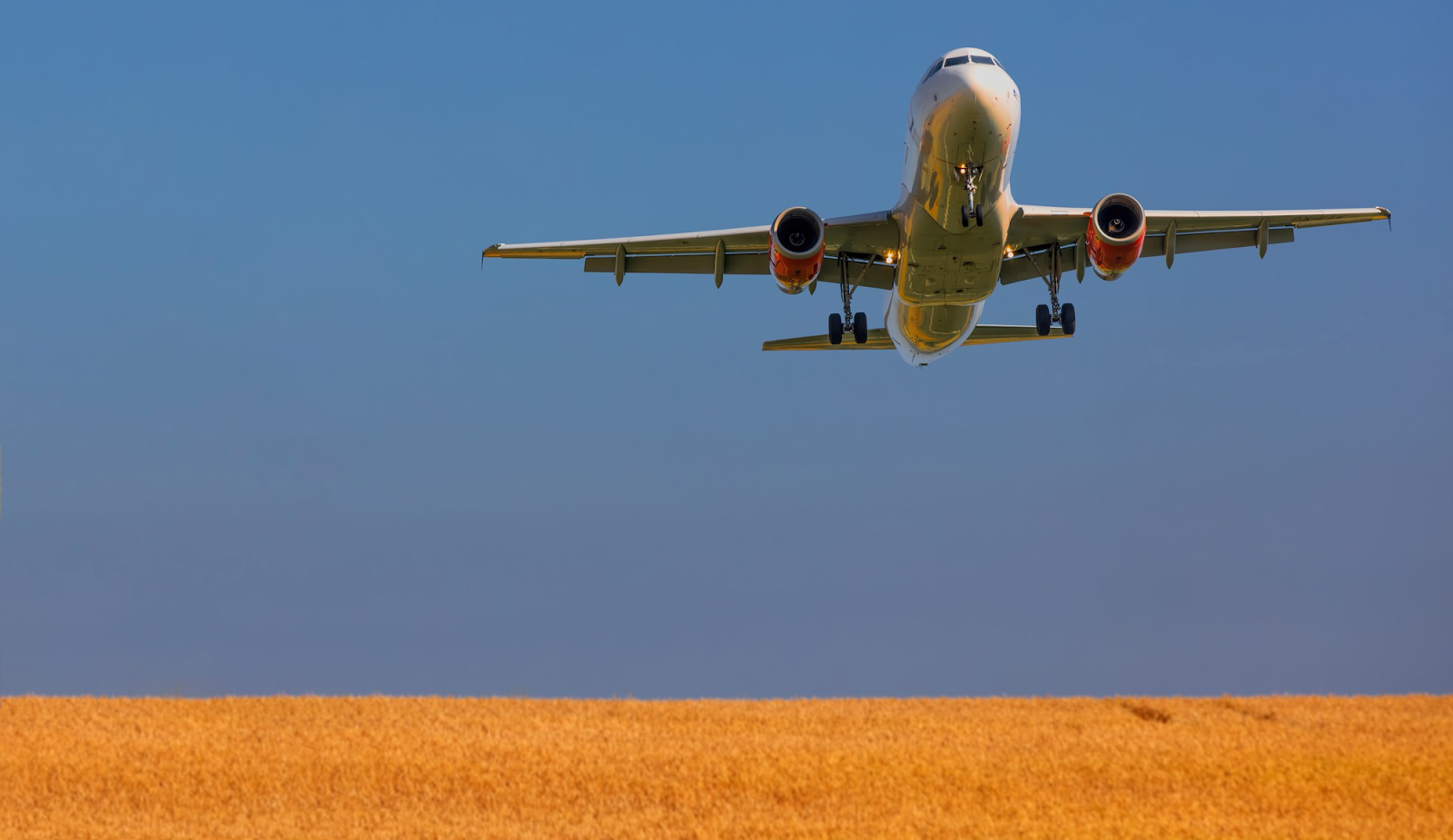
As the aircraft forward approaches its destination airport, the process of landing begins. The rate of descent depends on wind speed and direction, the runway layout, and instructions from air traffic controllers.
The pilot starts by reducing thrust and lowering altitude slowly. This phase helps slow down the plane without causing discomfort. The cockpit team uses flight control tools to keep the aircraft steady while adjusting for pressure of the air changes as it moves closer to the ground.
Before the plane’s final approach, the pilot lowers the landing gear and extends flaps to increase drag. These adjustments reduce airspeed and help guide the aircraft in a particular direction for a smooth and safe landing. The pilot can now see the runway clearly.
The rudder, ailerons, and flaps all work together to ensure a smooth and safe path. The pilot must align with the runway while watching for any change in wind direction. For aircraft carriers, timing and control are even more critical since space is limited.
As the plane’s wheels make contact, pilots use the brake and reverse thrust to slow down the plane. Once the plane is on the ground, the landing gear supports its full takeoff weight again. The pilot steers carefully toward the gate at the airport, completing the cycle of take off and land.
The history of flight shows how advanced aviation technology has become—from early experiments to the modern systems that help planes land safely. Today’s airline operations rely on a perfect balance of law of motion, precision, and teamwork to make a plane arrive safely at its destination airport every single day.
When a flight nears its destination, the focus shifts from climbing and cruising to slowing down and returning to the ground safely. Landing is one of the most important parts of flight, and it requires timing, teamwork, and skill. Every part of the airplane's design and the pilot’s actions work together to bring it down in a controlled and steady way.
Once the plane is ready to descend, the pilot communicates with air traffic control for clearance. The controller provides details about wind direction, visibility, and which runway to use. Pilots need this information to plan how they will take off or land in alignment with the wind.
As the aircraft starts descending, pilots reduce the power of the engines and begin lowering the altitude gradually. A smooth descent keeps passengers comfortable and helps prevent stress on the aircraft’s parts. The pilot must monitor the flow of air around the wings and the change in air pressure as the airplane moves towards the ground.
At this stage, the flight mechanics are reversed compared to takeoff. Instead of increasing lift, the goal is to reduce it while keeping control. The pilot adjusts the flaps and ailerons to add drag, which slows the plane down. Drag is the force that resists forward motion, and it’s vital for helping the plane land safely without overshooting the runway.
During landing, the shape of the wings continues to play a critical role. The airfoil—the curved design of each wing—helps manage lift and drag. When the aircraft is climbing, air moves faster over the top of the wing, which creates lower pressure and helps lift the plane. During descent, the goal changes: pilots want to reduce lift by changing how the air flows around the wing.
To do this, pilots extend the flaps, which change the angle of attack (the tilt of the wing relative to the oncoming air). This makes the wing’s lower surface generate more drag, slowing the plane while still keeping it steady. The pressure above the wing becomes lower than the pressure beneath it, which allows the aircraft to descend in a smooth, controlled motion.
Pilots also keep a close eye on Bernoulli’s principle during this stage. It explains how speed and pressure work together: when air moves faster over a surface, pressure drops. By managing the balance of airspeed and pressure, pilots can fine-tune the descent. Too much speed, and the aircraft could float past the runway; too little, and it could lose lift too early.
Landing is all about balance and timing. Pilots adjust the airplane's attitude, or the position of its nose and wings relative to the horizon. They use the control column to raise or lower the nose slightly, guiding the descent angle so the plane approaches at a safe rate.
The wing is lower during the approach phase because of how the lift changes with reduced speed. As the aircraft slows down, it produces less lift, so the pilot compensates by adjusting the nose angle and flap position. These changes help control the flow of air and keep the aircraft stable as it nears the ground.
Another important tool is the rudder, which helps the pilot maintain alignment with the runway. Crosswinds can push the aircraft off course, so pilots often need to angle slightly into the wind while keeping the plane moving straight. This careful coordination between the rudder and ailerons ensures that the airfoil stays effective and responsive, even at low speeds.
As the plane nears the runway, it’s only a few hundred feet above the ground. The pilot can usually see the runway clearly and begins the final approach. This is where precision matters most. Every adjustment counts—from throttle settings to flight mechanics like pitch, drag, and thrust balance.
Right before touchdown, pilots pull back slightly on the controls to level the aircraft and reduce descent speed. This move helps the landing gear make first contact with the ground gently instead of hitting hard. The goal is to let the main wheels touch down first while the nose stays slightly raised.
When the wheels finally meet the runway, the pilot applies the brakes and sometimes uses reverse thrust to slow the plane further. This ensures a quick and steady slowdown without too much strain on the tires or structure. Once the airplane’s speed drops below a certain point, the pilot lowers the nose completely and taxis toward the gate.
Landing conditions change with each flight, depending on weather, wind, and runway surface. Here are a few common factors that pilots consider during every approach:
All these conditions play a part in how the aircraft behaves during approach and touchdown. Modern jets are equipped with advanced sensors that help detect small changes in these variables, giving the crew real-time feedback to make the landing as safe and comfortable as possible.
After the aircraft touches down and slows to taxi speed, the pilot steers it carefully along marked taxiways toward the terminal. Communication with air traffic control continues until the engines are off and the plane is on the ground completely.
It’s easy to forget how much coordination goes into a single landing. Engineers, controllers, and pilots all work together using centuries of knowledge in flight mechanics and physics to ensure every passenger arrives safely. Even the way the airfoil interacts with the flow of air during descent is a result of careful design and study of the science behind making the plane stable and reliable in every stage of flight.
Landing might seem like a simple act of “coming down,” but it’s a complex mix of aerodynamics and decision-making. The pilot must handle multiple variables—speed, wind, drag, and lift—while keeping the flight smooth and under control.
A good landing is often said to start with a good approach. By managing the shape of the wings, flap position, and thrust balance early, pilots set the stage for a safe touchdown. Each move they make connects to the next, showing how the smallest change in the flow of air can affect the entire aircraft.
The next time you fly, notice the gradual, steady slowdown before landing. Every small vibration, every sound of the engine changing tone, and even the slight tilt of the wings are signs that the pilot is carefully managing those invisible forces around you. The flight mechanics may be complex, but the purpose is simple—to bring everyone safely and smoothly towards the ground.
Landing a plane is both science and skill. It’s the perfect balance of design, precision, and timing. Each wing, flap, and engine plays a role, and every decision in the cockpit ensures a safe and comfortable end to the journey. So, the next time you feel the wheels touch down and hear the gentle hum of slowing engines, you’ll know that countless forces and calculations worked together to make that moment possible.
Every part of takeoff and landing depends on physics, engineering, and pilot skill. From lift and thrust to drag and air pressure, it’s the harmony of these forces that keeps the plane in the air and brings it down safely.
Next time you board an airplane, you’ll know the science behind what makes it climb and land smoothly. To learn more about aviation, aircraft types, and how planes take off and land, visit Flying411.com for helpful resources and guides for travelers and enthusiasts alike!
Most commercial planes take off between 150–180 mph, depending on their takeoff weight and runway conditions.
Planes align with the runway to match wind direction and ensure proper airflow for maximum lift during take-off.
It’s the angle between the aircraft’s wing and the oncoming air, which helps control lift and keep the plane stable.
Pilots lower the landing gear before landing to prepare the aircraft for touchdown and absorb impact safely.
Pilots use the rudder, ailerons, and flaps to change direction and manage airflow around the wings.
