Discover insights, tips, and stories from the skies — from aircraft buying guides to pilot training.




Published: October 5, 2025
A dry lease can be a great way for airlines or charter companies to grow without buying new planes. It helps save money and offers flexibility.
Today, over half of the world’s airline fleet is leased, so this path is common and proven.
But it also comes with duties that must be handled with care. When done right, this type of aircraft lease keeps operations safe, legal, and cost-effective. Understanding how it works, who’s responsible, and what to watch out for can help any operator make informed decisions and avoid expensive surprises.
But first, the basics—what a dry lease really means in aviation, why it’s popular, and what challenges it can bring.
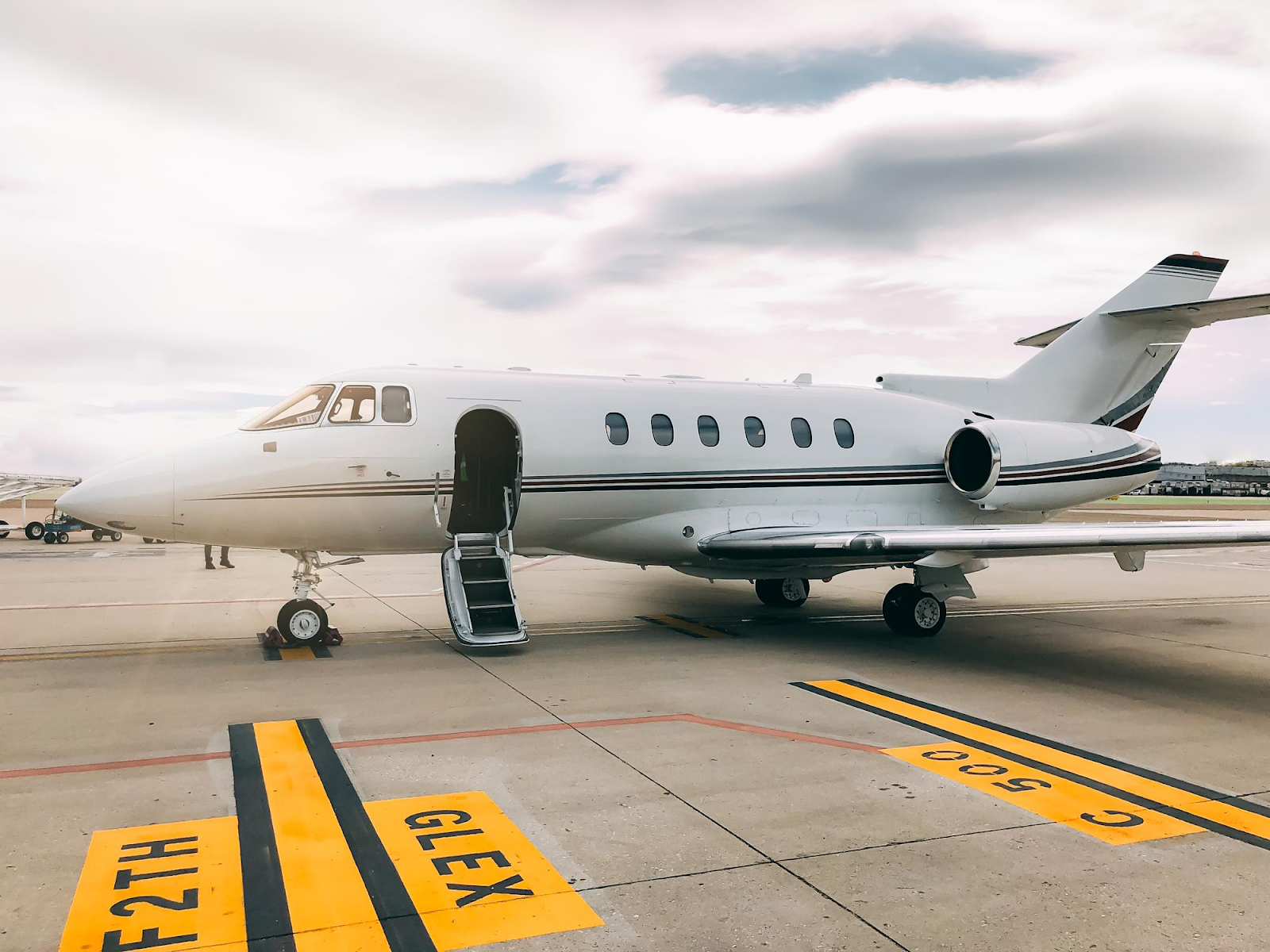
In aviation, a dry lease means renting an airplane without a crew, fuel, or maintenance included. The lessee takes on full operational control of the aircraft, including hiring a pilot, paying for fuel, and handling maintenance and insurance. The lessor—the owner or aircraft lessor—simply provides the airplane itself.
There are several types of aircraft leases, but this one stands out for giving the lessee full control and responsibility. By comparison, a wet lease includes the crew, maintenance, and insurance provided by the lessor. In that case, the lessor operates the flights under their own license.
Here’s what happens in a dry lease setup:
Every lease agreement also includes details about inspections, return conditions, and insurance coverage. Following best practices in documentation helps both lessors and lessees avoid confusion or disputes later.
The aviation industry treats dry leasing as a strategic way to access aircraft quickly while keeping control local. It allows airlines, private companies, or charter operators to operate the aircraft under their own certificate. Still, every transaction must follow applicable laws, meet safety standards, and include strong insurance policies to manage liability.
When entering into a lease, clarity is key. Both sides must know their roles, costs, and duties from day one. That sets the stage for a smooth flight and protects everyone involved.
Dry leases give airlines to expand their fleet without the large cost of buying new planes. For many, this makes perfect sense. It’s a cost-effective way to grow, meet seasonal demand, or test new routes.
Here’s why so many leasing companies and operators choose this path:
The aviation industry values this flexibility, especially in times of change. During market shifts, airlines can quickly adjust their fleet without large capital losses.
But even though it’s attractive, a dry lease isn’t simple. The lessee is responsible for following aviation regulations, paying for upkeep, and staying in full operational control. That includes handling maintenance schedules, safety checks, and insurance coverage that meet regulatory standards.
Many airlines see this as a way to protect profitability and reduce liability. For example, they can lease a newer model aircraft for busy routes while keeping older ones for training or backup. That smart conduct can improve efficiency and customer experience without major spending.
In short, a dry lease is popular because it keeps operators in control while giving access to quality aircraft at lower risk. It allows growth that’s both flexible and financially smart—if managed carefully under the right agreement and aviation regulations.
While dry leases have clear benefits, they also carry serious responsibilities. If these aren’t handled properly, small mistakes can grow into big problems.
Here are the main challenges that every lessee should plan for:
The lessee is responsible for keeping the airworthiness of the aircraft at all times. Missed inspections or poor records can lead to fines, delays, or worse—grounded planes. Following FAA regulation and manufacturer instructions protects both the airplane and the operator.
Every lease must include detailed insurance policies that clearly define who is covered and for what. Proper insurance coverage helps avoid fights over liability if something happens during a flight. The lessor usually needs proof of coverage before the lessee can take possession.
Good paperwork is vital. Every transaction, inspection, and repair must be recorded. This proves compliance and protects both sides of the lease agreement. Many problems come from poor records—so it’s a best practice to use clear checklists and audit schedules.
Dry leases must follow all applicable laws and aviation regulations. Both sides should review requirements before entering into a lease. The goal is to ensure compliance with national and international standards to prevent costly penalties or canceled contracts.
Strong communication between lessors and lessees builds trust. It helps both manage maintenance schedules, inspection plans, and safety reporting. Misunderstandings can harm business relationships or cause legal disputes.
By using dry leasing best practices, airlines and operators can reduce these risks. Regular training, safety reviews, and audits keep operations smooth and protect profitability. Smart planning and clear rules help everyone make informed decisions and keep their aircraft flying safely.
In the world of aviation, a dry lease can be a smart way to use an aircraft without buying one outright. But it takes planning and care to manage it the right way. Both sides—the aircraft lessor and the lessee’s team—need to stay alert, communicate clearly, and follow proper steps. A dry lease involves leasing a plane without crew or maintenance included, so the person or company renting it must handle many details on their own. That’s why dry leasing best practices matter so much.
Below, we’ll break down the key points to help both sides manage their lease with confidence.
A dry lease involves renting an airplane for a set time under a formal rental agreement. The lessor retains ownership while the lessee’s team uses and operates it. This setup allows aircraft owners to earn income without giving up control. It also lets the lessee expand their fleet without a large upfront investment.
Before entering into a lease, both parties should learn how the process works and what’s expected of them. Here’s what to check first:
Taking time to learn the terms helps avoid confusion later. It also ensures both sides are clear about their duties and costs.
Strong communication keeps both sides in sync throughout the lease term. The aviation industry continues to evolve, and good recordkeeping protects everyone from misunderstandings.
Here are practical habits to follow:
Accurate logs make it easier to prove the aircraft’s airworthiness and help avoid costly legal issues such as litigation or damage claims. They also help mitigate risk if something goes wrong.
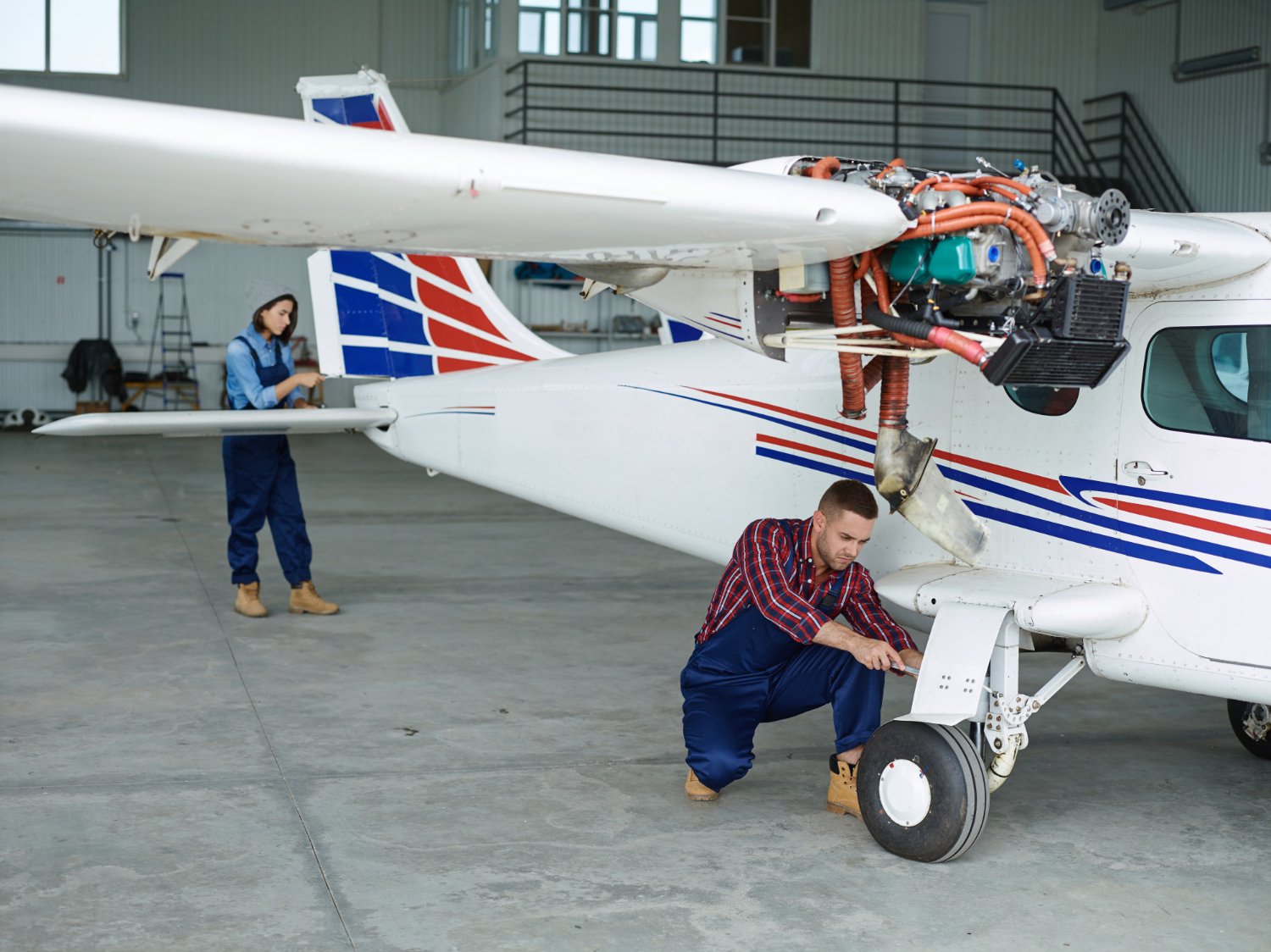
Safety and upkeep are the heart of any good dry lease plan. The operator who leases the aircraft must handle all daily care and follow all aviation regulations. That means scheduling routine checks, replacing worn parts, and responding to manufacturer bulletins.
To stay compliant and safe:
Keeping the aircraft safe to fly also keeps the relationship strong between lessors and lessees. When both sides care about maintenance quality, the aircraft keeps its value and reliability.
Managing a dry lease means balancing both money and law. The aviation industry has clear rules and regulations, and failing to follow them can have serious ramification. Every side needs to know who pays for what and what happens if something goes wrong.
Here are common financial areas to review carefully:
It’s also smart to review tax and import/export laws if the airplane will fly across borders. Each country may have its own rules and regulations, so plan ahead to ensure compliance.
If problems do arise, open communication and clear documentation help both parties avoid litigation. It’s always better to fix issues early than to fight over them later.
Every dry lease eventually ends. Planning for that moment before signing helps prevent last-minute surprises.
Here’s what to include:
Good end-of-lease planning protects both sides’ interests and makes the transition smoother. It also helps build lasting trust between aircraft owners and lessees.
Success in leasing depends on cooperation, fairness, and smart negotiation. Before signing, take time to talk through every part of the deal.
Good negotiators do the following:
When everyone knows their role, misunderstandings drop, and long-term partnerships grow. It’s one of the most valuable best practices in aviation leasing.
Every agreement can face risks. Knowing what to look out for helps you avoid costly mistakes.
Here are some common pitfalls:
Understanding these risks and planning ahead keeps the transaction smooth and fair. Even small steps—like tracking tasks or confirming schedules—can prevent big problems later.
The aviation industry continues to change quickly. Fuel prices shift, routes open or close, and new rules appear often. Successful leasing companies and operators stay alert and adaptable.
Being flexible can mean:
Good management doesn’t end after signing the papers. It’s an ongoing process that keeps both sides in compliance and helps everyone reach their goals safely.
An aircraft dry lease can be a safe and smart choice for airlines, operators, and aircraft owners who plan ahead. When both sides follow clear steps, maintain solid records, and stay compliant with aviation regulations, they protect their investment and save money. Using best practices and keeping open communication make it easier to manage costs and reduce risks in the long run.
When both sides keep strong records, follow safety steps, and follow rules and regulations, the experience becomes smoother and safer. From early negotiation to final inspection, each step builds trust and value.
If you’re thinking about a lease or already managing one, take the time to understand every part of the process. Safe, careful planning leads to better outcomes, smoother flights, and stronger trust between partners.
Handled with care, a dry lease allows everyone to benefit—keeping planes in the sky, businesses growing, and the aviation industry moving forward!
For more clear and practical tips about aviation and leasing, visit Flying411 today!
A dry lease provides only the aircraft. The lessee manages crew, fuel, and insurance. A wet lease includes crew and maintenance from the lessor.
The lessee holds full operational control, meaning they handle pilots, scheduling, and compliance with aviation laws.
The lessee must have proper hull and liability insurance that meets FAA and lessor requirements.
It can range from months to several years, depending on the lease agreement and business goals.
They prove the aircraft is safe, legal, and ready to fly. Missing or poor records can delay flights or reduce value.
