
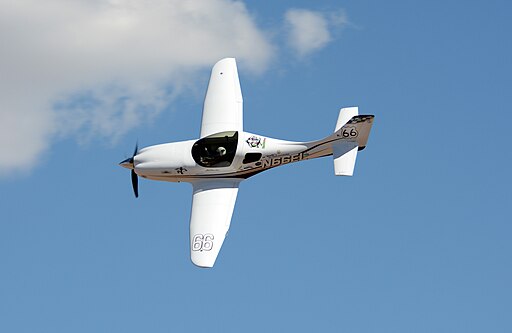
Some airplanes use propellers, not jet engines, and still fly incredibly fast.
For example, the Piaggio P.180 Avanti cruises at about 400 knots (460 mph), which is similar to some small jets.
These are the fastest private propeller planes—built for people who love speed, adventure, and control. You might picture a jet zooming across the sky, but many propeller-driven planes can keep up with amazing power and smooth handling.
Let’s find out what makes a plane fast, why pilots still choose propeller planes, and what helps these impressive machines reach top speeds.
What Makes a Plane “Fast”?
When we talk about a plane being “fast,” we usually mean its cruise speed and top speed. Cruise speed is how fast the airplane flies during most of the trip. Top speed is the fastest it can go in perfect conditions. Pilots measure speed in knots, which is a little faster than miles per hour. For example, 100 knots equals about 115 miles per hour.
A fastest airplane depends on several things—its shape, weight, and power. The horsepower of an engine gives it the force to push through the air. The lighter the airplane, the easier it moves. The smoother the design, the less drag slows it down. These details help both single-engine and twin-engine planes perform better.
Many private planes use a turboprop engine. A turboprop mixes turbine power and a propeller, giving it more thrust at high altitude than a simple piston engine. It burns less fuel than a jet engine, but still climbs fast and stays efficient. The rate of climb—how quickly a plane gains height—shows how strong the engine is. For example, a Beechcraft King Air has a powerful turboprop engine that climbs quickly while carrying several passengers.
Some airplanes, like the Cessna Skymaster and Piper M600, balance good speed and easy handling. Others aim for records. The XF-84H Thunderscreech tried to reach the speed of sound, though it never went fully supersonic. The Tu-95 bomber remains one of the fastest propeller planes ever built, proving how far technology can go. Today’s general aviation aircraft—like the Cessna, Pilatus, or Lancair—use these lessons to fly faster, safer, and smarter.
Speed isn’t only about bragging rights. It’s about how fast you reach your destination and how smooth your flight feels. In modern aviation, that balance of power, design, and control defines real speed.
Why Choose a Propeller Plane Instead of a Jet?
You might wonder why someone would pick a propeller plane instead of a jet. The answer is simple: they do many jobs very well. Propeller planes are common in general aviation because they are flexible, affordable, and fun to fly. They can use short runways, take off from grass strips, and land closer to small towns—things many jets cannot do.
A single engine plane is also easier to maintain and costs less to operate. Planes like the Piper M350 or Cessna 182 are great examples. They carry a few people comfortably, fly far, and cruise fast enough for business or weekend trips. Larger models like the Pilatus PC-12 or Beechcraft King Air can carry families or coworkers across several states at impressive speeds.
The engines make a big difference. A piston engine uses cylinders, like a car, and is simple to repair. A turbine engine powers a turboprop, giving stronger performance and more speed at high altitude. Pilots often say turboprops feel like jets with better fuel savings. Their rate of climb is also higher, meaning they reach the sky faster.
Cost is another big factor. A private jet can cost several million dollars more to buy and maintain. A fast general aviation aircraft can fly nearly as far and nearly as fast for less money. For example, a Cessna Skymaster can reach around 200 knots, while using shorter airfields that jets can’t.
Propeller planes are also easier to fly for beginners and experienced pilots alike. They respond smoothly, use less runway, and handle wind or rain well. They’re also used in flight schools, emergency transport, and cargo delivery. That makes them a strong choice for both hobby and work.
Many people enjoy the feeling of being part of the aviation world through propeller planes. They offer excitement without the stress or cost of jet ownership. Plus, pilots appreciate their steady performance and simple systems. Propeller planes have come a long way and still give travelers a fast, safe, and rewarding flying experience.
What Helps Propeller Planes Go Faster?
Several key details help a propeller plane gain speed. Let’s look at what matters most.
1. Engine Power
Speed starts with power. Engines with higher horsepower create more thrust. For instance, the Lancair Evolution uses a strong turboprop engine that lets it fly at impressive cruise speeds. The Piper M600 and Cessna 441 Conquest II also use efficient designs to keep up with jets. The more horsepower the plane has, the faster it climbs and the smoother it flies.
2. Airframe Design
How a plane is built affects how fast it can go. A sleek body cuts drag and helps maintain stability. Light materials like carbon fiber reduce weight without losing strength. The Pilatus PC-12 shows how careful design allows large cabins without losing speed. Builders test these designs for balance, weight, and smooth air flow.
3. Propeller Efficiency
A fast propeller has the right number of blades and the right shape. It slices the air evenly, reducing noise and vibration. Some propellers are made to adjust pitch—how deep each blade cuts through air. That keeps performance high during takeoff and cruise. In extreme examples, like the XF-84H Thunderscreech, engineers tried to make blades spin near the speed of sound. The result? A famous noise and one of the strangest speed records in aviation history!
4. Altitude and Air Conditions
Planes go faster in thinner air. Higher altitude means less drag, allowing smoother flight. Pilots choose altitudes that balance performance and comfort. The Tu-95 bomber and Beechcraft turboprops both perform best up high, where engines can stretch their power.
5. Maintenance and Modern Tech
Better materials, computers, and engine monitoring make today’s general aviation aircraft faster and safer. Pilots can track fuel, engine data, and rate of climb easily. New systems help adjust pitch and power to keep efficiency high. The result is a new generation of propeller planes that match the top speed of many small jets.
The mix of smart design, power, and precision gives propeller planes their edge. From a small single-engine trainer to a record-breaking turboprop, speed comes from careful engineering—not magic. That’s what keeps the world of private flying exciting!
11 Fastest Private Propeller Planes
Private propeller planes have come a long way. Many of them now fly faster, higher, and farther than some small jets. The best part is that these airplanes still give the hands-on flying experience pilots love.
From piston aircraft to advanced turboprop aircraft, these machines prove that propellers can deliver both speed and style.
| Rank | Aircraft | Engine type | Max cruise / top speed (KTAS) | Typical seats | Notes / highlights |
| 1 | Piaggio P.180 Avanti EVO | Twin turboprop | ~400 | 6–9 | Canard/pusher design, jet-like cruise with turboprop efficiency |
| 2 | Piper Cheyenne 400LS | Twin turboprop | ~350 | 6–8 | “Hot-rod” Cheyenne; very high cruise and climb (used market) |
| 3 | Epic E1000 / E1000 GX | Single turboprop | 333 | 4–6 | Carbon-fiber build, very high performance for an owner-flown single |
| 4 | Daher TBM 900/910/940/960 | Single turboprop | 326–330 | 4–6 | Benchmark fast single; later models add autothrottle and digital engine control |
| 5 | Lancair Evolution (TP) | Single turboprop (kit) | 320–330+ | 4 | Advanced amateur-built; requires experienced pilot and careful maintenance |
| 6 | Beechcraft King Air 360 | Twin turboprop | 312 | 8–11 | Flagship King Air; rugged, roomy, popular executive shuttle |
| 7 | Cessna 441 Conquest II | Twin turboprop | 310–311 | 6–8 | Efficient high-altitude cruiser; out of production but sought after |
| 8 | Pilatus PC-12 NGX | Single turboprop | 290 | 6–9 | Big cabin, cargo door, short/rough-field capability; single-pilot certified |
| 9 | Piper M600/SLS | Single turboprop | 274 | 4–6 | Modern safety suite (incl. Autoland), efficient long-range single |
| 10 | Mooney M20V Acclaim Ultra | Single piston (turbocharged) | 242 | 2–4 | One of the fastest production piston singles; strong high-alt performance |
| 11 | Cirrus SR22T | Single piston (turbocharged) | 213–214 | 4–5 | Best-selling high-performance piston; CAPS parachute and modern avionics |
Below is a more detailed look at the 10 fastest private propeller planes in the world today—plus one that made history. Each one shows what smart design, strong engines, and great aerodynamic engineering can do.
1. Piaggio P.180 Avanti
The Piaggio P.180 Avanti looks unlike any other plane in the sky. It has a sleek, forward-wing design that helps it fly smoother and faster. This Italian-made twin turboprop can reach a maximum cruise speed of around 400 knots, making it one of the fastest in its class.
Inside, the cabin feels more like a small business jet than a typical light aircraft. Pilots enjoy its powerful climb rate and easy handling. Passengers love its quiet cabin, which stays calm even at higher altitude. It’s often seen flying business routes or short regional hops because it’s fast and fuel-efficient.
This plane proves that propeller aircraft can deliver jet-like performance without jet-level costs.
2. TBM 900
The TBM 900 is a modern single-engine turboprop built for private owners who want speed and simplicity. It can fly at about 330 knots and reach over 30,000 feet. That makes it one of the fastest single-engine planes ever built for general use.
Its avionics are advanced, giving pilots clear flight data and automatic systems that make flying safer. The TBM’s strong turbine engine gives it quick takeoff and great rate of climb. Even at its normal cruise, it moves faster than most twin-engine planes from earlier years.
Private flyers love this aircraft because it blends comfort and control. It’s efficient, smooth, and perfect for long cross-country trips.
3. Epic E1000
The Epic E1000 shows how new technology can change private flying. This carbon-fiber single-engine aircraft flies at more than 330 knots. That’s faster than many older jets! Its sleek build and strong engine give it an excellent balance between speed, fuel use, and comfort.
Pilots like how it handles in level flight, with strong response and low drag. It’s designed for performance but stays comfortable on long flights. The cockpit is modern and digital, giving pilots a clear picture of flight details.
The Epic E1000 is proof that today’s turboprop aircraft can rival jets while keeping operating costs lower.
4. Beechcraft King Air 360
The Beechcraft King Air series has been a favorite for decades. The latest King Air 360 keeps that tradition alive. It’s a twin-engine propeller aircraft that can fly up to 312 knots.
Its twin turboprop engines make it the fastest twin in Beechcraft’s lineup. The 360 model includes upgraded avionics, automatic pressurization, and a more modern interior. It climbs quickly and performs well at higher altitudes.
This airplane is ideal for business or family travel. It carries several passengers in comfort while maintaining strong speed and range. It’s no surprise many companies still rely on the King Air for everyday flying.
5. Pilatus PC-21
The Pilatus PC-21 was designed for training military pilots, but its speed and build make it stand out in private aviation circles too. It flies at nearly 370 knots and can climb faster than most other propeller planes.
With its sleek wings and digital avionics, the PC-21 gives pilots a feel similar to flying a jet. It has a pressurized cabin and advanced aerodynamic design that cuts drag. It’s powered by a Pratt & Whitney PT6 turbine engine, giving it strong performance and reliability.
Many private pilot enthusiasts dream of flying this plane because it combines agility and advanced systems in a powerful package.
6. Cessna 441 Conquest II
The Cessna 441 Conquest II bridges the gap between piston and jet performance. This twin turboprop aircraft cruises at around 310 knots and has a range of about 2,000 miles.
The design allows the Conquest II to operate from shorter runways, which is perfect for business travelers or regional flyers. The cabin is pressurized and comfortable, fitting six to eight passengers.
For many years, it was considered one of the best-performing light aircraft in its class. Pilots appreciate its balance between cost, comfort, and real-world performance.
7. Piper M600/SLS
The Piper M600 SLS is a modern single-engine turboprop that combines high performance with advanced safety. It cruises at 274 knots, carries six people, and has a digital flight control system with autoland—a feature that can land the airplane automatically.
The M600 SLS runs on a strong Pratt & Whitney PT6 engine, giving it power and reliability. It’s easy to handle, even for private owners, and offers an impressive normal cruise speed for its category.
Piper’s design keeps the aircraft efficient and comfortable. Its mix of safety and performance makes it one of the best options for pilots looking for personal or business travel.
8. Pilatus PC-12 NGX
The Pilatus PC-12 NGX is known for its utility and comfort. It’s a single-engine plane that can fly at about 290 knots while carrying up to nine passengers. It has a large door for loading, making it useful for both cargo and people.
The PC-12’s latest model includes new avionics, improved efficiency, and a smart power control system. Pilots like its ability to use short runways and its smooth handling. While it’s not the absolute fastest, its versatility makes it one of the most loved private pilot aircraft.
9. Lancair Evolution
The Lancair Evolution is a high-performance kit-built plane that can fly over 330 knots. It comes in both piston aircraft and turboprop versions, depending on the engine installed.
The turbocharged piston model once held a speed record for a piston airplane, while the turboprop version pushes even higher speeds. The Evolution is built for experienced pilots who want something powerful and exciting.
Because it’s a monoplane made from advanced composites, it’s very light and efficient. Pilots love how it feels in flight—fast, direct, and stable. It’s a standout among single-engine aircraft.
10. XF-84H “Thunderscreech”
The XF-84H Thunderscreech deserves a special mention in aviation history. It was built in the 1950s and still holds an air speed record for being the loudest airplane ever made. Its propeller tips moved so fast they almost broke the speed of sound.
The plane reached a record speed of nearly 520 knots in level flight, which was incredible for a propeller-driven design. It used a jet-powered turbine connected to a propeller—an experiment that mixed both technologies. Though it was too noisy and complex to enter service, it broke several world records and inspired later turboprop aircraft designs.
11. Mooney M20V Acclaim Ultra
The Mooney M20V is one of the fastest piston aircraft still in production. Its turbocharged engine lets it reach speeds up to 242 knots at higher altitudes. It’s also efficient, making it a favorite among owners who value both speed and fuel savings.
Inside, it offers a modern cockpit with clear displays and updated systems. Its streamlined design keeps it stable and quick in all conditions. This small but powerful light aircraft shows how strong performance can come from a compact build.
Conclusion
These 11 airplanes highlight the progress in private aviation. Propeller planes prove that speed doesn’t always require a jet. From the powerful Beechcraft and Pilatus models to sleek Piper and Cessna designs, these aircraft show how smart engineering and strong engines keep performance alive in general aviation.
Some models hold world records, while others set new standards for comfort and safety.
They serve business travelers, families, and passionate pilots alike. With better avionics, improved materials, and efficient engines, the future of propeller-driven flight looks exciting—and very fast!
The next time you see a prop plane glide across the sky, remember—it might be one of the fastest private planes ever built.
Looking to know more about private aircraft and flying tips? Visit Flying411 for expert insights and friendly aviation guides!
FAQs
How fast can private propeller planes fly?
Most private propeller planes cruise between 200 and 330 knots, depending on their engine type and design.
What is the fastest propeller-driven aircraft ever built?
The XF-84H Thunderscreech holds the record as the fastest propeller plane, reaching near the speed of sound.
Are turboprops safer than jets?
Both are safe when maintained well. Turboprops are often preferred for shorter flights and smaller airports.
Do propeller planes need long runways?
No, most can use short runways, grass strips, and small airports—making them very flexible for travel.
Can a single-engine propeller plane fly across the country?
Yes. Many models, like the Piper M600 or Cessna TTx, can fly over 1,000 miles on a single tank.


