
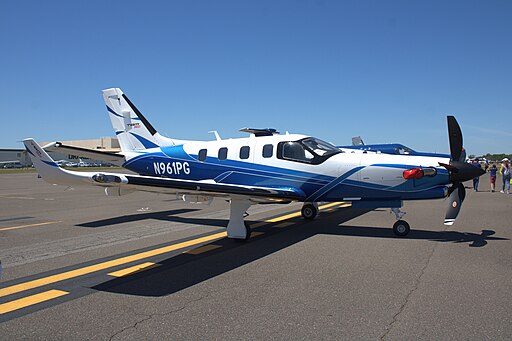
A single-engine turboprop is a favorite among private pilots and small business owners across the USA. These planes offer the speed and reliability of a small jet but cost far less to buy and fly. A turboprop uses a gas turbine engine that turns a propeller, giving it smooth, powerful thrust with better fuel efficiency. It’s a clever balance of performance and practicality.
The PT6 engine family that powers many of these planes has logged over 500 million flight hours, which shows how proven this technology is.
If you’re looking for a plane that climbs high, hauls a decent payload, and doesn’t drain your wallet, this guide will help.
Before we list the top picks, let’s learn what makes these planes special and why some are truly the best single-engine turboprop for the money.
What Makes Turboprops Special?
A turboprop aircraft is powered by a turbine engine that spins a propeller instead of producing pure jet thrust. This mix makes it both powerful and efficient. A typical single engine turboprop like the Pilatus PC-12 can take off from short runway surfaces and still climb quickly to high altitude. That’s one reason aviation fans call it one of the most versatile aircraft types around.
Unlike older piston airplane engines, the turboprop’s turbine runs smoother and handles more horsepower. It also performs well in hot and high conditions where smaller engines struggle. These aircraft can cruise comfortably at high speeds while using less fuel than many small jets.
Some popular models like the TBM, Piper M600, or Cessna Grand Caravan combine comfort with practical range. They can cruise speed around 250–320 knots and travel more than 1,000 nm on a single tank. Many are fitted with advanced avionics and cockpit layouts that make flying easier for a pilot and safer for passengers.
Another key feature is reliability. The PT6 engine family from Pratt & Whitney powers most modern turboprops, including those made by Textron Aviation, Beechcraft, Daher, and Piper. These engines have proven track records for safety and endurance, even in tough flight environments.
Finally, comfort matters. Many of these aircraft have quiet pressurized cabins, roomy baggage areas, and smooth ride quality. Some, like the PC-12, even fit a private jet-style interior while still being easy for a single operator to handle. That’s what makes turboprops so appealing—they’re powerful, efficient, and built for real-world flying.
What “Best for the Money” Really Means
When people say a plane is the “best for the money,” they’re looking at value over time—not just price. For a single-engine turboprop, this means balancing purchase cost, speed, range, and operating expenses.
To break it down:
- Buying Cost: Newer planes like the Piper M600 or Daher TBM 960 are on the high end, but they come with the latest tech and long warranties. Older models like the Piper M500 or Cessna Caravan offer great savings while still delivering strong performance.
- Operating Cost: Fuel burn, parts, and maintenance make a big difference. For example, a Caravan can be run for under $1,000 per hour, while high-performance models might double that.
- Speed and Range: Some aircraft, like the TBM or Epic E1000, are among the fastest turboprops, flying at speeds near small jets. However, they use less fuel and need shorter runways.
- Payload and Cargo: Planes like the Kodiak or Grand Caravan can haul big loads or even carry supplies into rough fields. This makes them popular for bush flying, medical transport, and small business operations.
- Technology: Look for systems like FADEC (Full Authority Digital Engine Control) that improve efficiency and reduce pilot workload. Newer models also feature automatic pressurization, better weather radar, and integrated avionics for navigation and safety.
A smart buyer also thinks about resale value. Aircraft like the Pilatus or TBM tend to hold their value because they have loyal owner communities and strong service networks. Models from trusted builders like Beechcraft and Textron Aviation are easy to maintain and sell later.
So when you see a single-engine turboprop labeled “best for the money,” it usually means it offers strong performance, comfort, and reliability at a fair cost—both today and years down the road.
Picking the Right Plane for Your Needs
Every pilot and owner has a unique mission. The right turboprop depends on how you plan to use it.
For business travel: The Pilatus PC-12 or TBM are top picks. They’re fast, polished, and can handle long legs with comfort. Their spacious cabins make them perfect for executives or families who want room to relax.
For personal or regional flights: The Piper M600 or M500 are great choices. They’re easier to fly, more fuel-efficient, and still offer pressurized comfort. With good cruise speed, they can handle trips of 1,000 nm or more with ease.
For utility work or rough-field flying: The Cessna Caravan, Grand Caravan, or Kodiak shine. They’re built tough, carry heavy cargo, and perform well on short runways. Operators love them for their reliability and simple maintenance.
For high performance and innovation: The Epic E1000 delivers jet-like performance with modern features. Its digital cockpit and powerful turbine engine give it one of the best climb rates in its class.
When you compare models, think about:
- How far you’ll fly most often
- How many people or how much cargo you’ll carry
- Where you’ll land (paved or grass strips)
- Your comfort level with speed, automation, and avionics
The right plane fits your mission and budget. It feels natural in the air and easy to handle on the ground. Once you know what matters to you, picking the best single-engine turboprop becomes a clear and rewarding choice.
11 Best Single-Engine Turboprops for the Money
Finding the right Single-engine turboprop aircraft can be exciting. These planes are powerful, fast, and efficient. They can take off quickly, climb fast, and land on short runways.
Many people choose them because they offer the comfort of a small jet but with lower costs and easier maintenance.
| # | Model | Approx Cruise Speed | Approx Range* | Notable Feature |
| 1 | Pilatus PC-12 NG / NGX | ~290 KTAS | ~1,765 nm | Large cabin, strong payload, versatile performance |
| 2 | Daher TBM 960 | ~308 KTAS | ~1,730 nm | Very high speed and advanced digital engine control |
| 3 | Daher TBM 850 | ~320 KTAS | ~1,585 nm | Earlier TBM model offering great performance per dollar |
| 4 | Piper M600 / SLS | ~274 KTAS | ~1,658 nm | Garmin G3000 avionics and full Autoland safety system |
| 5 | Piper M500 / Meridian | ~260 KTAS | ~1,000 nm | Excellent entry-level pressurized turboprop |
| 6 | Cessna 208B Grand Caravan EX | ~185 KTAS | ~912 nm | Workhorse utility aircraft with rugged short-field capability |
| 7 | Quest Kodiak 100 Series III | ~180 KTAS | ~1,100 nm | Bush-ready design, built for rough runways and high payloads |
| 8 | Epic E1000 GX | ~305 KTAS | ~1,650 nm | Carbon-fiber body, exceptional power-to-weight ratio |
| 9 | Pilatus PC-12 (classic / earlier) | ~280 KTAS | ~1,565 nm | Proven, reliable legacy version with strong resale value |
| 10 | Cessna 208 (Caravan) | ~186 KTAS | ~1,070 nm | Dependable global favorite for training and cargo |
| 11 | Beechcraft King Air 350 † | ~310 KTAS | ~1,800 nm | Twin-turboprop benchmark for comfort and range |
Let’s go deeper through 11 of the best single-engine turboprops that give you strong performance and solid value for your money.
1. Pilatus PC-12 NG
The PC-12 NG is often seen as the gold standard for single-engine turboprops. Built by Pilatus, a respected aircraft manufacturer from Switzerland, this airplane offers a mix of performance, reliability, and comfort. It can carry up to nine passengers and still leave room for luggage.
Highlights:
- Cruise speed around 280 knots
- Range close to 1,800 miles
- Big cabin with club-style seating
- Excellent short-field takeoff ability
The PC-12 can handle business trips or family adventures with ease. Its roomy interior feels more like a small private jet. Pilots also like its sturdy landing gear and smooth flight control. Many call it the best all-around turboprop for those who want luxury and function in one.
2. Daher TBM 960
The TBM 960 is one of the fastest and most advanced single-engine turboprops available. Built by Daher, it blends speed, technology, and style in one sleek package. It’s powered by a strong Pratt & Whitney engine and features smart digital controls for better performance and safety.
Highlights:
- Top cruise speed over 300 knots
- Range around 1,730 miles
- Garmin G3000 avionics with touchscreen control
- Automatic pressurization and engine control
The TBM is popular among owner-pilots who fly often. It’s smooth, efficient, and offers modern tech that makes flying feel simple. While it costs more upfront, it holds its value and is loved by those who enjoy high-end flying.
3. Piper M600/SLS
The Piper M600/SLS is an American favorite known for comfort and safety. It’s perfect for those who want a plane that’s easy to manage yet powerful enough for long trips. Piper equipped it with advanced Garmin avionics and a safety system that can land the plane automatically in an emergency.
Highlights:
- Cruise speed around 274 knots
- Range about 1,600 miles
- HALO Safety System with Autoland
- Spacious cabin with seating for up to six
The M600 feels personal and confident in the air. It’s one of the most approachable high-performance aircraft for new turboprop owners.
4. Epic E1000 GX
The Epic E1000 GX is all about speed and performance. Built in the USA, this sleek airplane uses a carbon-fiber body for light weight and strength. It’s powered by a strong Turboprop engine that delivers a thrilling climb rate and top-end cruise.
Highlights:
- Cruise speed over 330 knots
- Range near 1,650 miles
- Advanced glass cockpit
- Excellent power-to-weight ratio
The Epic E1000 GX is for pilots who like high performance. It rivals small jets in speed while keeping operating costs lower. It’s modern, bold, and a strong entry in the performance turboprop market.
5. Cessna Grand Caravan EX
The Grand Caravan EX from Cessna, a division of Textron Aviation, is a hard-working utility aircraft that can do almost anything. It can carry people, gear, or even cargo loads into rugged areas. Bush pilots and skydiving companies love its reliability.
Highlights:
- Cruise speed around 186 knots
- Range about 900 miles
- Seats up to ten passengers
- Short-field takeoff and landing
It’s not the fastest, but it’s one of the toughest. The Grand Caravan EX works well in hot, high, and remote conditions. It’s a true workhorse with easy maintenance and dependable power.
6. Quest Kodiak 100 Series III
The Quest Kodiak 100 is another strong and flexible option. It’s built for off-airport operations and rugged travel. Many owners use it for humanitarian missions, skydiving, or bush flying.
Highlights:
- Cruise speed around 180 knots
- Range about 1,100 miles
- Strong landing gear and big tires for rough fields
- Seats up to 10 passengers
This airplane is known for reliability and strength. It’s one of the best Single-engine turboprops for pilots who need power and toughness. Like the Caravan, it’s a favorite among operators who fly into areas with short or unpaved runways.
7. Daher TBM 850
The TBM 850 combines speed and smooth design. It’s an earlier version of the 960 but still packs plenty of power. It gives buyers the same performance profile with a smaller price tag.
Highlights:
- Cruise speed around 320 knots
- Range close to 1,500 miles
- Great balance of performance and economy
- Proven reliability
For pilots who want the TBM name without paying for a new model, the 850 is a smart buy. It remains one of the most efficient high-speed turboprops ever made.
8. Piper Meridian / M500
The Piper M500 is the smaller sibling to the M600 but still offers strong performance and reliability. It’s a great option for pilots moving up from piston airplanes.
Highlights:
- Cruise speed near 260 knots
- Range around 1,000 miles
- Pressurized cabin
- Garmin flight deck
This airplane feels stable, dependable, and affordable. It’s perfect for those who want a safe and comfortable entry-level turboprop.
9. Pilatus PC-12 (Classic and NGX versions)
Older Pilatus models, such as the PC-12/45 and PC-12 NGX, continue to lead resale charts. They combine long range with top-tier build quality. Many companies and private owners use them as both business and passenger haulers.
Highlights:
- Cruise speed near 280 knots
- Long range, over 1,700 miles
- Spacious, quiet cabin
- Trusted for executive and medical flights
The PC-12’s wide cabin and heavy payload capacity make it unique. It’s comfortable, capable, and built to last decades. Many call it the “Swiss Army knife” of aviation for its versatility.
10. Cessna 208 Caravan
The Cessna 208 is the simpler cousin of the Grand Caravan. It’s widely used around the world for training, cargo runs, and short passenger hops. It’s a favorite among flight schools and regional operator networks.
Highlights:
- Cruise speed around 170 knots
- Range close to 1,000 miles
- Easy to maintain
- Room for up to nine passengers
It’s a proven workhorse in every sense. Many people say the Caravan line defines what a reliable utility aircraft should be.
11. Beechcraft King Air 350 (Honorable Mention)
While technically a Twin-turboprop, the King Air 350 deserves a quick mention. It shows what you get when you add a second engine and even more space. Built by Beechcraft, it remains a classic in business aviation.
Highlights:
- Cruise speed about 310 knots
- Range around 1,800 miles
- Luxurious interior
- Excellent reliability and smooth handling
Though it’s not a single-engine model, many pilots compare new single-engine turboprops to the King Air series for performance benchmarks. It’s often seen as the next step up in comfort and capability.
Quick Recap:
Here’s what stands out across the list:
- For speed and tech: TBM 960, Epic E1000 GX
- For comfort and luxury: Pilatus PC-12 NG, Piper M600/SLS
- For rugged work: Grand Caravan EX, Quest Kodiak
- For balanced value: Piper M500, TBM 850
Each aircraft shows how the turboprop market offers options for every kind of flyer—from personal pilots to commercial operators. Models built by top aircraft manufacturers like Pilatus, Piper, Cessna, and Daher prove that modern turboprops can deliver power, comfort, and smart design in one package.
If you’re exploring which airplane fits you best, think of this section as your friendly buyers guide—a place to compare, learn, and choose confidently.
Conclusion
Choosing the right single-engine turboprop is about finding balance—speed, comfort, safety, and cost all working together. No matter if you fly a PC-12, a TBM, or a rugged Caravan, each aircraft offers its own kind of freedom.
Take your time, learn what fits your mission, and enjoy the process. The best plane isn’t always the newest or the fastest—it’s the one that makes every trip feel right for you.
Ready to explore more about aircraft ownership and flying smarter? Visit Flying411 for trusted aviation insights and helpful tools.
Frequently Asked Questions
What is the average cost of a single-engine turboprop?
Most cost between $2 million and $6 million new, depending on brand and options. Used models can be much lower.
How far can a single-engine turboprop fly?
Many can fly between 1,000 and 1,800 nautical miles before refueling.
Are turboprops safe for new pilots?
Yes. Many modern models include safety tech like automatic engine control and terrain alerts.
Which turboprop has the best resale value?
The Pilatus PC-12 and TBM series are known for holding value very well.
Can a turboprop fly into small airports?
Yes. Many can use short or unpaved runways, making them ideal for rural or island destinations.


