Discover insights, tips, and stories from the skies — from aircraft buying guides to pilot training.





Published: September 28, 2025
Private flying has a special kind of charm. It’s quiet, fast, and deeply personal. Some travelers value speed, while others want space to stretch out and relax. When you think of top names in luxury jets, two stand out — Gulfstream and Airbus. Each brand builds flying machines that mix comfort, technology, and long-distance power.
For example, the Airbus ACJ TwoTwenty offers about 786 square feet of floor space, which is roughly three times the room of many large business jets.
But they do it in very different ways. So, what really separates them? Let’s find out by looking at how luxury starts in the sky and what makes each aircraft shine.
When people picture a luxury jet, they imagine soft seats, wide rooms, and smooth flight experiences. But luxury is more than a nice cabin. It’s how every detail works together — the design, performance, and comfort built into every airplane.
Luxury jets often feature:
Inside, a Large Cabin jet feels more like a living room than a plane. A Corporate Jet or Executive Jet might have a dining area, full recliners, and even a bedroom. The Crew operates everything with calm skill, keeping the ride peaceful from one airport to another.
Luxury also comes from power and range. Some jets can fly longer ranges, crossing oceans nonstop. For example:
All these jets use advanced Engines—some by Rolls-Royce—and strong Fuel Tanks that make Ultra-Long-Range flights possible.
Luxury also shows up in the details you don’t see: strong Fuselage designs for smoother pressure control, long-lasting Maintenance programs, and tech upgrades that keep aviation safer and smarter. The best jets even manage Depreciation better because their Market Segment stays strong.
When you compare these aircraft, luxury isn’t just about design—it’s about how they operate, feel, and perform across continents. Every high-end Bizjet aims to balance beauty with brains.
Two big names shape the world of luxury Private Jets — Gulfstream and Airbus. Each manufacturer builds planes for very different reasons.
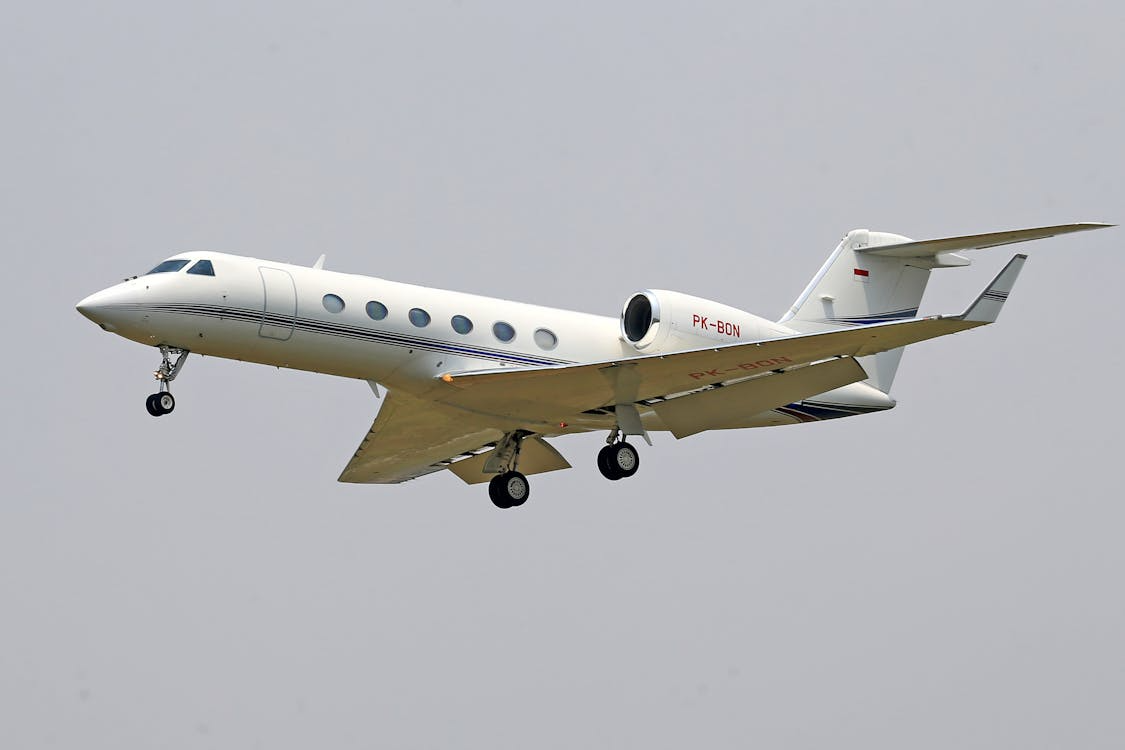
Gulfstream, based in the United States, focuses on speed, range, and high performance. The brand is known for jets like the Gulfstream G650, the Gulfstream G700, and its proud Fleet of sleek, efficient aircraft. Each model offers clean design and powerful range, appealing to corporate flyers who want to go far and arrive fast.
Their jets stand out in several ways:
Gulfstream’s design team focuses on long-range travel. With lighter Fuselage materials and efficient Engines, their jets deliver comfort and speed in one smooth package. The company has been a strong Competitor to others like Bombardier, whose Global series includes the Bombardier G7500, another Ultra-Long-Range star.
Now let’s look at Airbus, the European airliner giant. While most people think of Airbus as a major airline supplier, it also builds the Airbus Corporate Jet (ACJ) series. The ACJ TwoTwenty and ACJ319 bring commercial-level reliability into the private world. These aircraft focus on space, offering wide, flexible cabins with plenty of Seat arrangements.
Airbus jets can handle long routes, too, though they’re often designed for comfort over pure speed. The company’s wide-body airliner roots mean its Corporate Jet models offer room to walk, dine, and work in style.
Both brands belong to the top of aviation design. But their goals differ. Gulfstream aims for record-breaking performance and long-distance missions. Airbus delivers unmatched space and passenger comfort using its airplane expertise.
When you think about how these two brands compare, remember this: Gulfstream builds business jets from the ground up. Airbus builds private versions of its trusted airliner designs. Both approaches make the sky feel like home.
Buying a private jet is a big choice. Most buyers look at how a plane performs, how it feels, and how easy it is to operate. They also pay attention to Pricing, comfort, and long-term Maintenance.
Here are the top things jet buyers consider:
People want to fly farther without stopping. The Maximum Range of a jet decides how far it can go nonstop. Gulfstream leads this area with its Ultra-Long-Range models like the Gulfstream G700, which can fly around the world on one tank. Bombardier’s Global 7500 competes closely, and Airbus Corporate jets cover long routes in total comfort.
The cabin makes or breaks the experience. Buyers care about space, seating, and style. A Large Cabin jet means more room to stretch, sleep, or hold meetings. Brands like Gulfstream and Airbus use soft lighting, quiet design, and smart tech to make travel calm and private.
Jets must be efficient to run. The Crew size, Fuel Tanks, and Engine type all affect how the jet will operate. Fewer required stops mean lower fuel use. Gulfstream and Airbus design for balance—speed and comfort without wasting fuel. Smart Maintenance plans also reduce long-term costs.
Buyers care about value. A strong Market Segment helps jets hold their worth. Models like the Gulfstream G650 and ACJ319 have stayed popular even years after being Delivered in 2023 or earlier. They hold resale value well because they lead their class in technology and aviation support.
Some owners use jets for corporate travel. Others charter their jets to offset costs. The right choice depends on how often they fly, what airports they use, and how many passengers they carry.
Jet owners also consider the Fleet of each manufacturer. Gulfstream focuses on business speed; Airbus offers airliner-level comfort. Some prefer Bombardier’s Global 7500 if they want Canadian-built design. Each Competitor has strengths, but all share one goal: a smooth, safe, and enjoyable way to see the world.
When people look at private jets, they often compare Gulfstream and Airbus side by side. Both are world leaders in luxury flight design, but they come from different roots and focus on different types of flyers.
Gulfstream builds sleek, long-distance business jets that can cross oceans without stopping. Airbus, on the other hand, adapts its commercial aircraft into private flying palaces for comfort and space.
| Feature | Gulfstream (Business Jets) | Airbus (ACJ – Airbus Corporate Jets) |
| Main idea | Built for speed and very long range | Built for space and comfort |
| Typical mission | Nonstop city pairs, smaller airports | Long trips with large cabins, big airports |
| Range (examples) | G700 ~7,750 nm; G800 ~8,200 nm | ACJ TwoTwenty ~5,600 nm; ACJ350 up to ~10,800–11,100 nm* |
| Cruise speed | Fast (up to Mach 0.90; MMO 0.935) | Airliner speeds (about Mach 0.82–0.85) |
| Cabin feel | Large, quiet, bright windows | Very large, multiple rooms, wide aisles |
| Typical passengers | 8–19 | 15–25+ (or much more for state/VIP setups) |
| Runway needs | Shorter (around ~6,000 ft on top models) | Longer (often ~6,400–7,000+ ft) |
| Airport access | Many small and secondary fields | Best at major hubs and large fields |
| Operating cost (directional) | Lower per hour for similar trips | Higher per hour due to size and weight |
| Cabin altitude | Very low (more comfortable on long flights) | Low; varies by model and completion |
| Windows | Large oval windows, lots of natural light | Airline-style windows; more wall space for rooms |
| Baggage access | Business-jet style (often accessible in flight) | Airliner-style holds; depends on completion |
| Avionics/tech | Advanced business-jet flight deck | Airline-grade systems adapted to private use |
| Engines (examples) | Rolls-Royce Pearl series on newer models | PW1500G (A220/TwoTwenty), CFM LEAP (A320neo), RR Trent XWB (A350) |
| Example models | G500, G600, G650, G700, G800 | ACJ TwoTwenty, ACJ319/320neo, ACJ330, ACJ350 |
| Customization | High (layouts, materials, lighting) | Very high (suites, showers, meeting rooms) |
| Completion time | Usually shorter | Usually longer (large interiors) |
| Price ballpark | G700 often ~$75–80M+ (spec-dependent) | TwoTwenty ~$80M completed; ACJ320neo $90M+; ACJ350 can reach nine figures |
| Best for | Owners who value speed, range, and access | Owners who value space, zones, and group comfort |
In this section, we’ll look deeper into how these two stand versus each other in design,performance, comfort, and purpose. The goal is to understand how each brand serves the modern jet traveler — from corporate flyers to private owners.
Gulfstream builds aircraft for speed and range. Each jet is made to fly maximum range with fewer stops. The company’s design focus is business travel that can go directly from places like Moscow and Jakarta without refueling. The smooth, narrow fuselage helps reduce drag, which allows a faster and more fuel-efficient long-range cruise.
In comparison, Airbus designs its ACJ (Airbus Corporate Jet) series for space and comfort. These jets are often converted versions of its popular airliner models, like the A320 or 350. The ACJ TwoTwenty figure shows just how much more cabin space is possible — almost double that of a standard Xtra Large bizjet. These jets focus less on squeezing out every mile and more on giving passengers room to relax, meet, or sleep comfortably during a 12 hours flight.
So, if Gulfstream is about distance and performance, Airbus is about lifestyle and space. Both fit in different parts of the marketplace, creating a clear divide for owners looking to buy or operate in the new market segment of luxury private air travel.
Performance is where the difference truly shows. Gulfstream G700 achieving speeds close to Mach 0.90 while covering almost 7,750 nautical miles makes it one of the fastest and farthest-flying business jets today. It uses Rolls-Royce engines known for reliability and quiet performance. That combination of speed, range, and comfort sets a high standard for business aviation.
Airbus Corporate jets, like the ACJ TwoTwenty, focus less on raw range and more on efficiency and comfort for medium- to long-haul trips. They can fly around 5,600 nautical miles nonstop — enough to handle flights between continents — and can land smoothly at major city terminals around the world. While an Airbus might need to refuel on the longest trips, passengers rarely mind when they can stretch out and work inside a private suite.
For reference:
Interestingly, Gulfstream’s jets are lighter and need less runway space to take off. That means they can use smaller airports, giving travelers direct access to destinations that might not handle larger aircraft. Airbus jets, by design, are larger and better suited for major hubs.
The market will respond differently based on what buyers prioritize. Business travelers who value nonstop routes and quick turnaround times lean toward Gulfstream. Those who want space and luxury at every level often choose Airbus.
Comfort is where Airbus often wins hearts. The ACJ TwoTwenty and the ACJ350 are massive compared to traditional business jets. They can include dining areas, private suites, and meeting rooms. The pax (passenger) experience feels closer to flying in a small apartment. The ability to walk around and hold business meetings while cruising at 40,000 feet gives Airbus a major edge in cabin comfort.
Gulfstream cabins are smaller but designed with precision. A Global and G700 interior feels peaceful and quiet, with lighting that adjusts naturally through the flight. The Gulfstream G700 achieving near-perfect cabin pressure and humidity control means passengers arrive refreshed after ultra-long trips. Gulfstream uses materials inspired by luxury cars — think Bentley or Rolls-Royce quality in the sky.
Both brands also put heavy emphasis on technology. Gulfstream’s advanced avionics help the Crew manage every system smoothly, while Airbus brings its commercial experience to build strong, safe, and reliable airliner-based systems.
Passengers on both aircraft types enjoy easy boarding through private terminals, smooth rides, and personalized service. The difference is how the space is used: Gulfstream feels like an efficient executive suite, and Airbus feels like a flying residence.
When we talk about innovation, both companies lead the aviation industry. Gulfstream focuses on aerodynamic performance, lighter materials, and energy efficiency. Airbus invests heavily in digital systems and sustainable materials.
For example, Gulfstream’s newest models use lighter carbon-composite materials in the fuselage and wings. This reduces fuel burn and helps the aircraft fly maximum range efficiently. The brand’s integration of touchscreen cockpit controls, smart lighting, and noise reduction systems makes each flight more seamless.
Airbus takes advantage of its airliner background. The ACJ TwoTwenty figure and 350 use technology proven in thousands of commercial flights worldwide. These jets feature robust data networks and cabin control systems. The entertainment setups rival what you’d find in luxury homes.
Even Boeing competes in this high-end space with its Business Jet (BBJ) line, offering yet another option for those comparing the biggest names in private aviation. Still, Gulfstream and Airbus dominate conversations among luxury travelers and corporate owners.
Airbus Executive and ACJ head Benoit Defforge often notes that private flyers are expanding into a “new market segment,” where comfort and digital connectivity are as important as range. The same is true for Gulfstream, which continues refining the way business travelers experience the sky.
Operating costs matter as much as luxury. Gulfstream jets tend to be cheaper to run per hour because of their size and design. They require less fuel and can use smaller airports. Airbus jets, while more expensive to operate, provide unmatched comfort for long journeys or larger groups.
Owners also look at resale value. Gulfstream models hold strong value in the marketplace, partly because of their reliability and reputation for performance. Airbus jets appeal to owners who value space and brand prestige — their appeal is broader, especially among governments and large corporate operators.
The market will respond differently as private travel grows. Some buyers want performance; others seek luxury. Platforms like Air.One make it easier to compare options side by side, showing everything from Pricing and Maintenance costs to interior layouts and tech features.
What’s clear is that both companies are shaping the future of private air travel. Gulfstream is leading the long-range cruise category, while Airbus defines the Xtra Large bizjet standard. Each has loyal fans, and both keep expanding their Fleet to meet new customer needs.
In practical use, a Gulfstream might fly maximum range from New York to Tokyo nonstop, while an ACJ TwoTwenty could refuel once but let passengers enjoy wide open living space during that stop. Both deliver their promise: freedom, comfort, and status at 40,000 feet.
So who wins the Gulfstream vs Airbus debate? There isn’t one single answer. It depends on your needs. If you want speed, range, and access to smaller airports, Gulfstream is a smart pick. If you want more space, elegance, and a Corporate Jet feel closer to an airliner, Airbus is hard to beat.
In truth, both are at the top of private aviation. They serve travelers who see time as valuable and comfort as essential. Whether you’re a business leader crossing continents or a family planning a world tour, these jets represent the best the sky has to offer.
Choosing between Gulfstream and Airbus depends on what kind of flying experience you want. Gulfstream focuses on speed and Ultra-Long-Range travel, while Airbus shines in space and comfort. Both make powerful, elegant jets that stand tall in the world of aviation.
As new models roll out and technology improves, it’s clear both brands will keep pushing boundaries. Gulfstream continues to expand its range capabilities, and Airbus grows its cabin innovations. No matter which one you choose, you’ll experience what modern flight luxury truly feels like.
If you dream of owning one of these incredible machines or learning more about private flying, check out Flying411 for expert guidance and updates!
Most Gulfstream jets cruise around Mach 0.90, which is about 690 miles per hour.
An ACJ TwoTwenty can fly about 5,600 nautical miles, depending on configuration and load.
No. Many Private Jets can use smaller airports, giving owners more flexibility for travel plans.
The Airbus Corporate Jet lineup offers some of the largest private cabins available.
Maintenance costs depend on model and use, but Gulfstream’s Maintenance programs help control long-term expenses.
