Discover insights, tips, and stories from the skies — from aircraft buying guides to pilot training.

Published: September 22, 2025
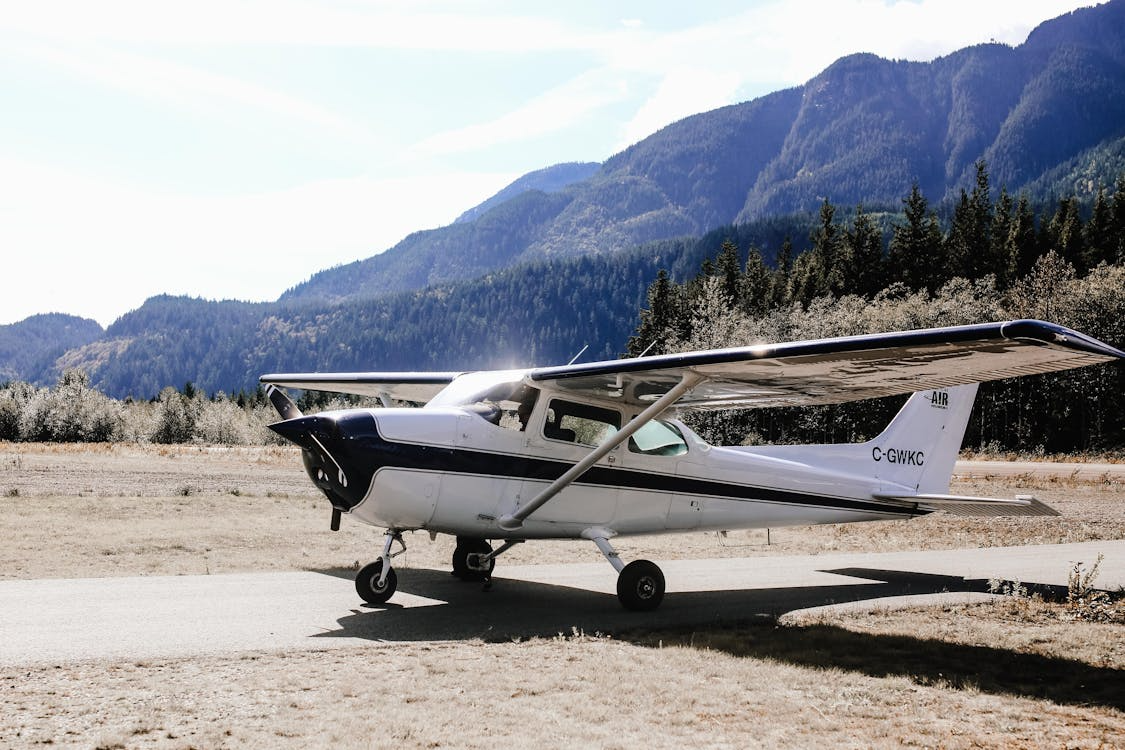
Few airplanes have left a mark on flying quite like the Cessna 172. For decades, this dependable single-engine machine has helped new student pilots take their first steps into the sky. It’s known for its steady flight characteristics, strong reliability, and simple design that makes flying feel natural.
Fun fact: a modified Cessna 172 once stayed airborne for 64 days, 22 hours in 1958–59—a world endurance record that still stands today.
When you visit almost any flight school in the United States, you’ll find one waiting on the ramp. It may not look flashy, but it does its job better than nearly any other training aircraft. That’s why many call it the best aircraft for pilot training—steady, forgiving, and always ready to fly again.
This article goes over why the Cessna 172 Skyhawk continues to earn its place in aviation history and why people still love to fly it today.
The story of the Cessna 172 Skyhawk began in 1955 when the Cessna Aircraft Company designed a plane meant to be simple, sturdy, and easy to fly. It was based on the older Cessna 170, but engineers replaced the tailwheel with tricycle landing gear to make takeoffs and landings easier for beginners. That small change made a big difference.
Since then, the Cessna Aircraft team has built an incredible number of these planes. With a record-breaking production count, the 172 has become the most produced aircraft in the world. Its success helped shape general aviation as we know it today. Every time a 172 takes off, it carries part of that long and proud tradition.
Why pilots love it:
When you look at a ramp full of 172s, you’re seeing more than airplanes—you’re seeing decades of trust and success. For many, learning to fly in a 172 feels like joining a family of aviators stretching back generations. The reliability of the Cessna 172 isn’t just proven in tests—it’s shown through millions of safe, successful flights across the world.
One of the biggest reasons the Cessna 172 remains an aircraft of choice for flight training programs is its ease of use. Everything about it seems built to help student pilots succeed. The controls respond smoothly, the cockpit layout is simple, and the visibility from the high-wing design makes flying feel natural.
The tricycle landing gear gives it stability during takeoff and landing. It’s designed to forgive small mistakes, which helps beginners stay calm as they practice. These forgiving flight characteristics build confidence and reduce stress during early pilot training.
Inside, many newer Skyhawks now feature avionics like the Garmin G1000 system. This modern glass cockpit setup replaces older dials with clear digital displays, helping students learn technology used in more advanced aircraft later. It’s another reason the 172 stays current in modern aviation.
Why instructors choose it:
Every pilot remembers the moment they first take off alone. For many, that memory includes a 172 lifting gently into the air. Whether it’s a private pilot earning their license or an instructor teaching their hundredth student, the trusted Cessna 172 remains the airplane that makes flying feel safe and achievable.
Safety and reliability have always been key strengths of the Cessna 172 Skyhawk. The plane’s strong frame and stable flight characteristics make it dependable, even in challenging conditions. That’s why flight training schools rely on it year after year—it delivers consistent performance with fewer surprises.
The landing gear absorbs bumps during landings, helping beginner pilots learn without fear. Its sturdy design and smooth handling help prevent hard touchdowns, which is important in pilot training. The Cessna Aircraft Company built it to last, with a focus on quality parts and systems that stand up to repeated daily use.
Safety by design:
Modern Cessna 172 Skyhawks include advanced avionics, sometimes featuring Garmin equipment that alerts pilots to nearby terrain or traffic. This gives private pilot training students hands-on experience with tools used in bigger general aviation aircraft.
When people talk about the reliability of the Cessna 172, they’re talking about decades of proven safety. For many in general aviation, the 172 remains the aircraft of choice because it balances comfort, control, and confidence. Simply put, it works—and it keeps working—making it one of the most trusted aircraft ever built.
When people talk about airplanes that never seem to fade from the spotlight, the Cessna 172 is almost always part of the conversation. It’s one of the few planes that bridges generations of pilots—those who flew decades ago and those learning today.
Even with all the new technology in the aviation industry, this familiar four-seater still holds its place as the world’s favorite training aircraft.
The Cessna 172 Skyhawk has been flying since the 1950s, and its design still fits perfectly with what new pilots need. Built from lessons learned with the 1948 Cessna 170, the model 172 added easier handling and better landing stability. The high-wing layout, tricycle gear, and dependable engine came together to make flying feel natural.
While many airplanes come and go, the 172 remains easy to understand and even easier to fly. This is one reason flight schools around the world keep using it in their pilot training programs. Instructors trust it. Students enjoy flying it. It’s a rare combination that continues to deliver steady results.
The simple design also means maintenance stays straightforward. Mechanics can quickly service it, and parts are widely available. This keeps airplanes flying instead of waiting for repairs—a big deal for flight schools that run tight schedules.
In aviation, trends change fast. Cockpits have gone digital, engines have become more efficient, and flight simulators have become advanced. Yet, the Cessna 172 has adapted beautifully. Modern versions often feature digital displays that help students learn the tools they’ll use in advanced aircraft later.
Still, at its core, the 172 teaches what really matters—the fundamentals of flying. It helps beginners build muscle memory and decision-making skills that work across all types of airplanes. The controls feel smooth but honest. If a student makes a mistake, the plane responds gently, giving them time to correct it. This makes the Skyhawk one of the best aircraft for training—simple enough for beginners, but detailed enough to teach real skill.
The cabin design also supports learning. The large windows provide excellent visibility, helping new pilots stay aware of their surroundings. The roomy cockpit allows instructors and students to communicate easily, which keeps lessons efficient and comfortable.
Another reason the Cessna 172 remains a favorite is that it fits into almost any kind of flying. It’s what many call a versatile training aircraft—perfect for short practice flights, cross-country trips, or even weekend adventures. Its steady performance allows pilots to focus on improving, not worrying about the airplane’s limits.
Even after earning their license, many pilots choose to keep flying the 172. It’s great for logging flight hours toward advanced certificates, and its fuel efficiency keeps costs reasonable. Many private owners use it for short vacations or to visit nearby towns—simple, enjoyable flying that keeps their skills sharp.
And the 172’s track record isn’t just about comfort and training. It’s also made history. In 1958, two Cessna pilots set the record for the longest continuous flight—staying airborne for over 64 days using a modified Cessna 172. That record still stands today. It’s a fun reminder of how durable and dependable this airplane can be when cared for properly.
Ask almost anyone in aviation what the most recognizable aircraft in aviation history is, and the Cessna 172 will be near the top of the list. Its influence reaches far beyond small airports and local hangars. Many airline captains and corporate pilots first learned to fly in a 172. It’s often the first plane they ever logged time in, and for many, it’s the one they remember most fondly.
The airplane’s popularity has created a global network of instructors, mechanics, and suppliers who know it inside and out. This shared knowledge makes it easier to maintain and operate anywhere in the world. It also gives students a sense of community—they know that millions of other Cessna 172 pilots learned in the same type of airplane.
Even compared to other aircraft, the Skyhawk’s balance of performance, safety, and comfort keeps it competitive. It might not be the fastest or the most high-tech, but it’s one of the most reliable and forgiving airplanes ever built. That makes it a natural choice for pilot training year after year.
Every pilot starts somewhere, and for many, that place is a small airfield with a Skyhawk waiting on the ramp. Learning in a 172 helps students master the basics—how to take off, climb, turn, and land with confidence. The airplane’s calm nature encourages progress without unnecessary fear or frustration.
For flight instructors, the 172 remains a trusted partner. It lets them focus on teaching without worrying about sudden surprises from the airplane. For students, it builds trust early. That confidence often leads to faster learning and fewer setbacks.
Because of this, flight schools continue to fill their fleets with Cessnas. The consistent handling and reliability help instructors deliver the same quality lessons to each new student. Whether it’s a small regional academy or a large university with hundreds of students, the 172 helps maintain a clear standard in pilot training.
It’s rare for a single airplane model to stay relevant for nearly seven decades. Yet, the Cessna 172 has done exactly that. From its first flight to the newest version rolling off the line, it remains a symbol of steady progress and good design.
Its success lies in its ability to meet both old and new needs—teaching beginners while keeping up with the latest technology. The Skyhawk has influenced how flight schools around the world teach new aviators, and its impact on the aviation industry continues to grow.
Every pilot who learns in one adds to its story. Each smooth landing, first solo, and earned certificate connects back to the same dependable airplane. That connection is why the 172 isn’t fading away anytime soon.
It has earned its reputation through decades of safe flying, steady teaching, and lasting value. For anyone entering pilot training programs, few airplanes can match the experience and trust the Cessna 172 brings. It’s not just a training tool—it’s a teacher that keeps giving.
And that’s why the world’s airports are still filled with the sound of its steady engine and the sight of its proud, high wings lifting into the sky.
After all these years, the Cessna 172 Skyhawk still represents what flying should feel like—steady, safe, and full of possibility. From its early roots in 1955 to its place in modern flight training, it has stayed true to its mission: helping people learn to fly with confidence.
For anyone dreaming of becoming a private pilot, this small single-engine aircraft remains a symbol of what’s possible when reliability meets simplicity. If you’re curious about flying or want to explore more about trusted airplanes, check out Flying411 for helpful guides and aviation insights.
A typical Cessna 172 cruises around 120 knots, which is about 138 mph.
Over 44,000 have been produced, giving it the world record for most-built general aviation aircraft.
Most modern 172s use a Lycoming IO-360 engine with 180 horsepower.
It seats four people, including the pilot, and can carry light luggage.
Yes, it can fly about 500–800 miles depending on fuel load and wind, making it great for short to mid-range trips.
