Discover insights, tips, and stories from the skies — from aircraft buying guides to pilot training.

Published: September 20, 2025
Every time you see a Boeing jet take off, there’s a story of learning and skill behind that smooth climb. Pilots go through months of careful pilot training before they ever touch the real aircraft. They study, practice, and test until they can fly a Boeing safely in every kind of weather and situation.
In the United States, a pilot must log at least 1,500 flight hours to qualify for the top airline license, so real experience starts long before big-jet training begins.
Before a pilot sits in the Flight Deck of a big airliner like a Boeing 737 or a Boeing 777, they must meet strict Pilot Certification rules and pass advanced Simulator Training.
This post goes into what makes flying a Boeing special, who can qualify, and how that training begins.
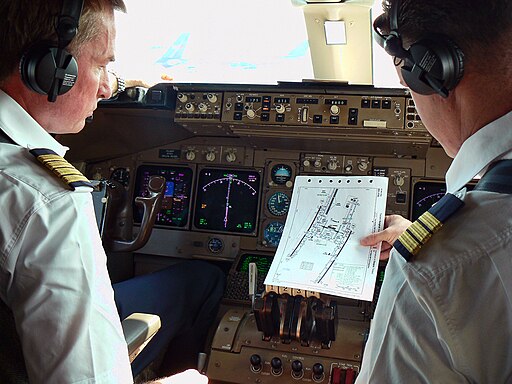
Flying a Boeing Aircraft is a serious challenge. These airplanes are huge, powerful, and built with advanced systems that need precision. Every switch, dial, and screen in the Flight Deck plays a part in keeping the plane safe.
A Boeing cockpit looks different from an Airbus. Boeing designs rely on manual control with a yoke (control column), while Airbus Planes use a side stick. This small detail changes how a pilot could feel and respond to the airplane.
Even though both aircraft types are safe, learning to fly them requires understanding their differences. That’s why each airplane model, such as the Boeing 737, 777, or 787, needs its own Type Rating—a special certification that allows a Commercial Airline Pilot to operate that model.
A Boeing jet reacts differently than smaller or different aircraft. For example:
Every airline has its own Operational Procedures for each model. Pilots must know these by heart—from how to start engines to how to handle emergencies. Training ensures every move follows both aviation safety rules and company checklists.
Learning to fly a Boeing means mastering not only flying skills but also teamwork, timing, and discipline. The systems are smart, but the human behind the controls must be smarter.
Not everyone can step into a Boeing 737 and take off. Becoming an airline pilot takes years of study, practice, and flight hours. It starts with meeting all Pilot Qualifications.
A future pilot begins as a Cadet Pilot or student with a passion for flight. They must earn a Commercial Pilot License (CPL) first. This license allows them to fly smaller planes for hire. After that comes more advanced steps:
Before a pilot joins a Commercial Airline Pilot program, they must meet strict Training Requirements set by the FAA. These include a minimum number of flight hours, exams, and health checks. They also need strong decision-making skills and steady focus.
Once accepted by an airline, new pilots enter company-specific programs. This includes studying Operational Procedures, company safety policies, and technical systems for each Boeing Aircraft.
A Type Rating is required to operate each large jet model. For example:
These ratings ensure every pilot understands their specific airplane inside and out. They know how to manage systems, fuel, and emergency procedures for that exact jet.
Becoming a Commercial Airline Pilot is a big achievement. It proves they have both skill and the right mindset for safety. And once licensed, the learning never stops—pilots continue training throughout their careers.
Learning to fly the Boeing is an exciting and challenging goal for any aspiring aviator. It takes study, discipline, and practice to master these large and complex jets. Every step of training is designed to build skill, confidence, and safety.
From ground school to real-world flight checks, pilots learn how to handle every system and situation with care.
Here’s what the process looks like from start to finish and what it takes to be fully qualified to fly Boeing planes.
Before anyone can touch the controls of a Boeing, they first have to become a pilot. It starts small. Many begin by earning a Private Pilot certificate, which allows them to fly smaller aircraft for personal use. This first license teaches the basics—how to control the airplane, understand weather, and communicate with air traffic control.
After this stage, students move into advanced training to prepare for a professional career. They must earn a Commercial Pilot License, which allows them to be paid for flying. This step requires commitment, study, and real-world flying experience.
To qualify for the license, students must log at least 250 hours of flight time. These hours include solo flights, cross-country routes, and nighttime operations. Every hour builds confidence and skill.
To move from small planes to large jets like a Boeing 737, pilots need special training and qualifications. These are set by aviation authorities such as the Federal Aviation Administration (FAA). They make sure every pilot meets all safety and knowledge standards before flying passengers.
Here are some key pilot requirements every airline pilot must meet:
Once a pilot has the basics, they can move toward airline-level training. This is where the Cadet pilot journey often begins—an airline-sponsored program designed to guide students through each stage of becoming an airline pilot.
The first major step in airline training is ground school. This stage focuses on classroom-style learning, where pilots study systems, safety, and procedures before stepping into a cockpit.
They learn about:
Ground school lasts several weeks and ends with written exams. Pilots must pass with strong scores before moving to the next phase.
This stage also covers topics that apply to different types of jets. For example, students learn how Boeing planes differ from Airbus aircraft. Boeing often uses traditional control yokes, while Airbus models use side-sticks. These differences affect how the airplane responds to pilot input.
Understanding both systems helps students who might later fly both Boeing and Airbus jets in their careers.
Once pilots master classroom lessons, they move into simulator training. This is one of the most exciting and important steps. A simulator is a full-sized replica of a real cockpit that moves, shakes, and reacts exactly like the airplane does in flight.
Instructors use simulators to test how pilots handle takeoffs, landings, and emergencies. These machines are so realistic that a pilot can earn a type rating—an official qualification to fly a specific jet—without ever leaving the ground.
Simulator training includes:
For example, a Boeing 787 simulator can mimic everything from turbulence to a power failure. Pilots practice every step until it feels natural. They also repeat emergency drills many times, so they stay calm and prepared in real life.
This type of realistic learning builds the confidence needed to fly the Boeing 737, the Boeing 787, or any other commercial jet safely.
After simulator sessions, pilots must earn their type rating. A type rating is like a specialized endorsement for each specific airplane model. This certification ensures a pilot understands that aircraft’s systems, procedures, and performance limits.
For instance:
Once a pilot has their type rating, they often complete additional training at their airline. This covers company-specific rules, routes, and procedures. Pilots practice real-world flight scenarios, including routes over oceans or through busy airports.
This extra step keeps every pilot sharp and ready for unexpected events. Airlines take this part seriously, as safety depends on thorough, up-to-date training.
After passing simulator and classroom phases, pilots finally fly real aircraft under supervision. This is called line training. It allows new pilots to apply what they learned in real-world conditions, with experienced captains guiding them.
During this stage, pilots gain practical experience by flying passengers, managing crews, and adapting to different airports and weather patterns. The goal is to make sure every pilot feels fully confident before taking command.
Airlines track progress carefully. Each flight is reviewed and scored. Only after passing all evaluations is a pilot officially cleared to operate without supervision.
Earning a license doesn’t end the learning process. Aviation requires constant review and regular testing. Every six months to a year, airline pilots must pass simulator checks to keep their licenses current.
These licensing requirements make sure all pilots stay updated on the latest safety procedures, new technology, and regulations. They also complete refresher courses on teamwork, decision-making, and situational awareness.
For example, a pilot trained on the Boeing 737 may later upgrade to the Boeing 787, but this requires new study, simulator sessions, and tests. The same goes for those switching from Boeing to Airbus aircraft. Pilots must always stay within their certified limits.
Because modern Boeing planes and Airbus jets evolve with new features, pilots continue to learn throughout their careers. Ongoing education keeps the skies safer for everyone.
Experience plays a huge role in a pilot’s career. Once a pilot has logged thousands of flight hours, they can upgrade from co-pilot (first officer) to captain. This promotion requires additional exams and leadership training.
Each step is earned through skill and dedication. Many pilots describe their path as rewarding, especially when they reflect on their early Cadet pilot journey—from small airplanes to advanced jets.
Instructors often remind students that flying large commercial jets is about teamwork. A successful cockpit depends on good communication and trust. Every decision must be precise, and every checklist followed carefully.
To summarize, here’s what it takes to reach the level of a professional pilot trained to handle large airliners:
It’s a detailed process, but every step has a purpose—to make sure each pilot is fully ready to carry passengers safely across the world.
Today, pilots often move between aircraft brands. Some professionals fly both Boeing and Airbus depending on their airline’s fleet. This flexibility is possible through extra certifications and additional training.
Every plane, from a Boeing 737 to an Airbus A320, has unique systems. But the discipline, focus, and passion behind flying remain the same.
The path to becoming an airline pilot is demanding, but deeply rewarding. Each stage, from the first solo flight to commanding a Boeing 787, teaches responsibility and confidence.
For anyone dreaming to fly an Airbus or fly the Boeing 737, it all begins with learning, patience, and a clear commitment to safety and excellence.
Learning how pilots are trained to fly Boeings shows how much work goes into every safe flight. From Ground School to Simulator Training, every step builds skill and confidence. Each airline pilot earns their wings through focus, teamwork, and constant learning.
If you’d like to explore more about aviation careers or Boeing Aircraft training programs, check out Flying411 for guides and expert insights to help you take the next step toward the sky.
Training can take 6 to 12 months, depending on the program and experience level. Some advanced Type Ratings require additional simulator sessions.
Yes. Each model, like the Boeing 737, 777, or 787, requires a unique Type Rating because of system and handling differences.
They’re extremely accurate. A flight simulator can copy motion, visuals, and sound to make pilots feel like they’re flying a real airplane.
Only after earning a Boeing Type Rating. Each brand has unique control systems and procedures.
Many pilots say Ground School is tough due to the amount of information. But Simulator Training is often the most rewarding part.
