Discover insights, tips, and stories from the skies — from aircraft buying guides to pilot training.





Published: September 11, 2025
Flying across the ocean takes time, and comfort matters when you’re in the air for hours. Some planes handle those long trips better than others. Modern jets are smoother, quieter, and more efficient than the older ones many travelers remember.
You’ll also see more single-aisle jets crossing the Atlantic now—about 56,500 such flights were scheduled in 2025, up roughly 50% since 2019—so the plane type you pick matters even more.
When people talk about the best planes for transatlantic flights, they’re often thinking about space, air quality, and a calm ride. A good aircraft can make a big difference in how you feel when you land.
This post looks at what makes a plane great for long flights and how newer designs have changed travel between continents.
Long flights can be tiring, but the right plane helps keep travelers comfortable and relaxed. What makes a plane good for these trips comes down to a few key things: range, comfort, efficiency, and design.
A plane needs enough fuel and power to cross long distances without stopping. A modern jet like the Boeing 787 or Airbus A350 can fly across the Atlantic easily thanks to strong engines and lightweight materials. These aircraft use less fuel and create less noise, which helps airlines keep costs down while keeping passengers happier.
A comfortable cabin is more than big seats. It’s about air quality, space, and pressure. Planes like the Airbus A350 and Boeing 787 keep cabin air fresher and at a lower altitude level, which helps reduce headaches and dry skin. Many travelers also notice that these cabins are quieter.
Modern aircraft burn less fuel, which helps the environment and keeps ticket prices stable. The Boeing 777 and Airbus A380 are known for carrying many people efficiently, while the A350 and 787 balance performance with lower emissions.
Newer planes use advanced materials like carbon fiber that make them strong but light. They also have systems that monitor pressure, temperature, and air quality to keep every passenger more comfortable throughout the flight.
So when you’re booking your next long trip, the type of plane can make a big difference in how refreshed you feel when you land.
Not all planes feel the same inside, even on the same route. The airline you fly with and the aircraft they use play a big part in your comfort and overall experience.
Wide-body planes like the Boeing 777, Airbus A350, and A380 are large and spacious, offering multiple aisles and bigger cabins. Narrow-body planes, such as smaller Airbus or Boeing models, can feel tighter but may have fewer passengers. That can mean faster boarding and more attention from the crew.
Loud cabins and dry air can make long trips harder. The 787 and A350 use special designs that keep the cabin quieter and maintain better air pressure. This reduces fatigue and helps you rest better.
If you’re flying business class, you’ll notice more space and upgraded meals, but even in economy, modern planes are more comfortable than older ones. Carriers like British Airways, Air France, and Lufthansa use these advanced models to give passengers a smoother, calmer trip.
Modern lighting, adjustable air vents, and larger windows make long flights more pleasant. The A350 and 787 also have windows that dim electronically, so you don’t need to close a shade.
When you book, check which plane your flight uses. Choosing the right aircraft can turn a long, tiring journey into one that feels easier and more enjoyable.
Flying across the Atlantic used to mean only big planes on a few major routes. Today, new designs and technology changed that. Smaller, more efficient planes can now fly farther, opening new routes and giving passengers more choices.
The introduction of planes like the Airbus A321LR and A321XLR allows airlines to fly between smaller cities without stops. This change helped people travel directly between places that once required connecting flights through big airports.
The Airbus A350, A380, and Boeing 787 are built with passenger comfort in mind. Their cabins feel cleaner and quieter. They also have more oxygen in the air and lighting that helps your body adjust faster to time changes—especially useful for a long transatlantic flight.
Fuel-efficient engines and improved aerodynamics have made aviation cleaner and smarter. New planes like the A350 and 787 use lighter materials to cut emissions. Even classic models like the 747, A340, and 777 have been upgraded to improve range and comfort.
For travelers who value comfort, modern planes offer larger windows, better airflow, and improved seating design. Airlines like BA, Air France, and Lufthansa continue upgrading fleets to deliver quieter, smoother journeys.
Air travel across the ocean feels different today. Planes are more comfortable, quieter, and better built. It’s a good time to fly!
When you’re flying across the ocean, the right plane can make your trip more comfortable and enjoyable. Some aircraft are designed to handle long-haul flights with ease, offering smoother rides, quieter cabins, and better air quality. Others are smaller but efficient, built to connect more cities across the Atlantic.
Below, you’ll find 10 of the best planes for transatlantic flights, covering both commercial aircraft and private jets. Each one has something special that makes it a strong choice for long-distance travel between North America and Europe.
The Airbus A350-900 is one of the most advanced planes flying today. It’s known for being quiet and smooth, with a lower cabin altitude that helps passengers feel fresher after long trips.
The A350-900 is popular with travelers who appreciate modern technology and comfort during long journeys.
The Dreamliner changed long-distance flying with its light carbon-fiber design and advanced systems. It offers cleaner air, less dryness, and a quieter cabin than most other planes.
This Boeing aircraft is one of the top choices for longer flights because of its fuel efficiency and relaxing cabin environment.
The Boeing 777-300ER is a workhorse of international travel. It’s big, reliable, and built for non-stop flights across oceans.
Passengers love the 777 for its smooth performance and roomy feel, making it a favorite among frequent fliers.
The A380 is the world’s largest passenger plane. Its two full decks give travelers extra space, making it feel more like a flying hotel than a jet.
If you enjoy a calm, peaceful journey with top-notch amenities, the A380 is a winner.
This upgraded version of the A330 offers modern comfort and better fuel efficiency. It’s smaller than the A350 but still a top performer on transatlantic routes.
Its balanced size makes it perfect for medium to long haul travel without feeling crowded.
The 757-200 might be older, but it’s still one of the most capable narrow-body planes for transatlantic routes. Its long range and dependable design keep it flying key routes today.
Even though newer planes are taking its place, the 757-200 remains a proven and trusted choice for long haul journeys.
These modern single-aisle jets are helping airlines open new transatlantic routes. The A321 and its newer sibling, the A321neo, can fly long distances efficiently while offering modern interiors.
They’re ideal for smaller cities or one-way flights that don’t need a massive plane.
The 737 MAX offers improved fuel savings and upgraded cabins for travelers. While smaller, it’s capable of crossing the Atlantic on shorter routes.
This plane gives passengers a reliable, comfortable experience without needing the size of a widebody aircraft.
A true classic, the 747-400 carried millions across oceans for decades. While fewer are flying today, its design remains legendary.
Many travelers still remember their first flight on this “Queen of the Skies.” It set the standard for long-range passenger aircraft.
Known for its four engines, the A340-300 was built for safety and range. While less common now, it still serves important longer flights around the world.
The A340-300 continues to be a solid performer on international routes, offering dependable travel across continents.
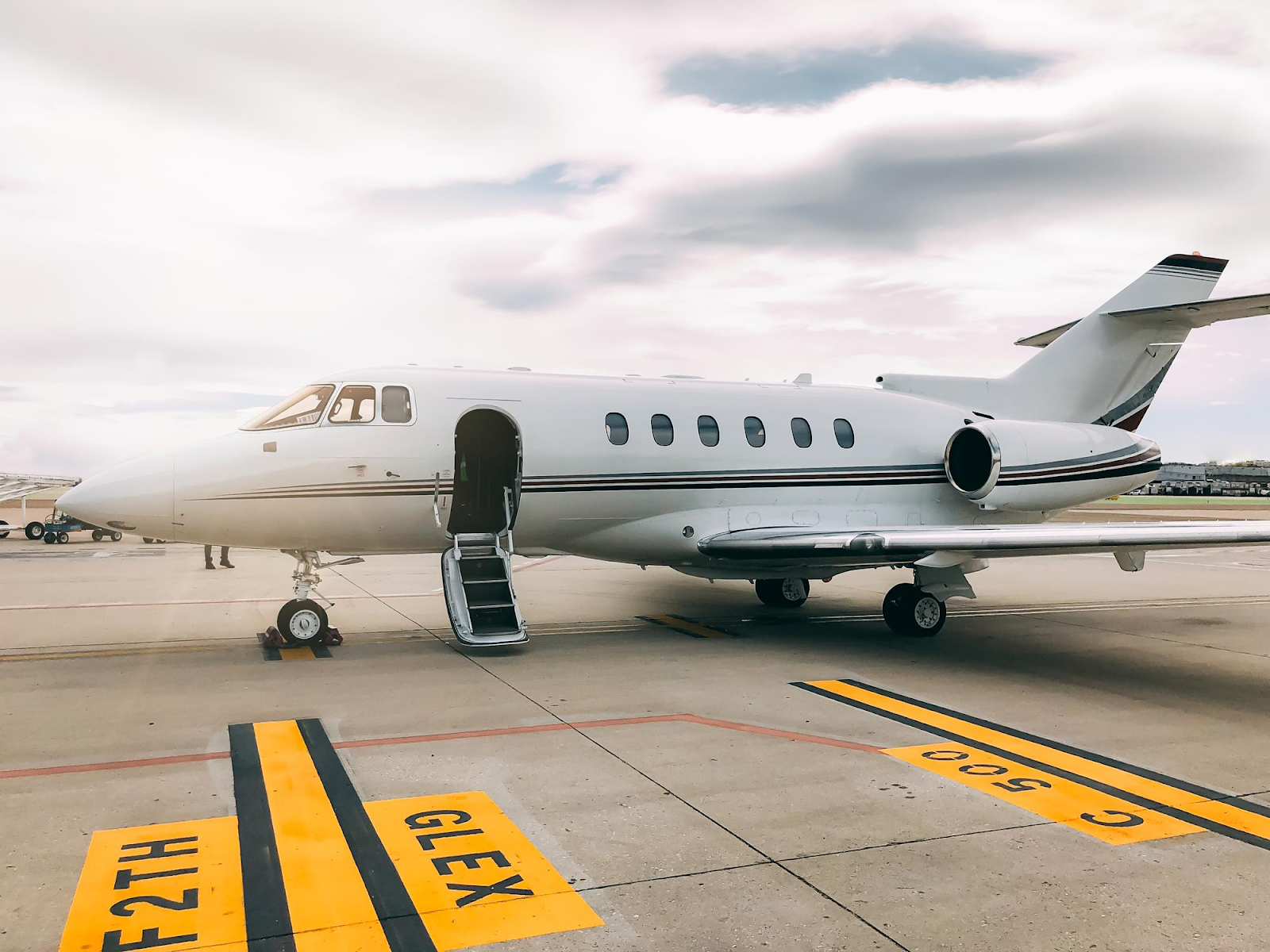
For travelers seeking privacy and flexibility, private jets offer an unmatched experience. You can fly on your schedule, avoid crowds, and enjoy personalized service.
A private jet charter is often used for business trips or special occasions. The cost to fly varies based on size and distance, but the comfort and convenience are unbeatable.
Charter flights allow groups or businesses to book planes privately. They’re popular for VIP travel, sports teams, or special events. Some aircraft are luxury-focused, offering lounge-style seating, entertainment systems, and onboard Wi-Fi.
If you’re planning a transatlantic private trip, these jets provide personalized comfort, flexible routes, and direct scheduling. The experience is closer to home than airport waiting rooms!
For those traveling frequently between continents, the right plane matters. Business travelers often prefer aircraft with quiet cabins, fast Wi-Fi, and flat business class seats.
If you need to stay productive during a long trip, these planes are the best choice for business professionals.
A private jet flight offers the most freedom possible. You can plan one-way flights, choose your route, and even decide on your meals. Many private jet charter services handle every detail, from ground transport to in-flight dining. It’s ideal for executives, families, or travelers who value privacy and convenience.
Modern planes are designed with both comfort and performance in mind. Widebodies like the A350, 777, and A380 lead the way for comfort and space, while narrowbody models like the A321neo and 737 MAX make transatlantic travel easier for smaller markets.
Many aircraft now feature upgraded air systems, better insulation, and lighting that adapts to local time zones. Travelers benefit from less fatigue, fresher air, and improved rest during their journey.
Flying across the Atlantic has never been easier. From the efficiency of the A321neo to the luxury of a private jet flight, there’s a type of aircraft for every traveler’s needs—business or leisure. Whether you prefer a luxury-focused cabin, quiet performance, or non-stop flights, today’s fleet offers something for everyone!
Long flights don’t have to be uncomfortable. Today’s top planes—like the Airbus A350, Boeing 787, and even the classic Boeing 777—are built for smoother, quieter, and more enjoyable travel. Knowing which aircraft you’ll be flying on can help you plan a better trip and make the most of your next journey across the ocean.
If you want to keep learning about planes, flying tips, and travel comfort, stay connected with Flying411 for more helpful aviation guides and updates!
The Airbus A350 and Boeing 787 are known for quiet cabins, cleaner air, and smoother rides.
British Airways, Lufthansa, and Air France all use A350s, 777s, and 787s on major transatlantic routes.
Yes. New long-range jets like the Airbus A321LR can handle these routes efficiently.
Yes, many airlines still use the Airbus A380 for busy routes like New York to London or Paris.
Look for the aircraft type on your airline’s booking page or flight details—it’s usually listed by model number.
