Discover insights, tips, and stories from the skies — from aircraft buying guides to pilot training.

Published: September 10, 2025
Turbulence can make any traveler tighten their seatbelt a little faster. The bumps, shakes, and sudden drops can feel scary, especially if you have a fear of flying. The good news? Some planes are built to handle it better. A smooth, steady flight depends on how the aircraft is designed, the technology it uses, and even how its wing flexes in the air.
Today, airlines also share live bump data from thousands of jets—over 38 million turbulence reports in 2023—so crews can pick smoother paths
Modern aviation has made amazing progress in keeping rides calm—even when the sky turns a little turbulent.
In this guide, we’ll talk about what makes a plane feel bumpy or smooth, how new Boeing and Airbus jets stay steady, and how airlines plan their routes to find less bumpy air. By the end, you’ll understand why some planes—like the Boeing 787-9, A380, or Boeing 777—are among the best planes for turbulence and how smart design helps every passenger feel safer in the sky.
When a plane moves through the air, it passes through layers that don’t always move the same way. Some layers move up, others move sideways, and some twist around. That’s what we call turbulence—a mix of small air movements that can make the plane shake or jump.
Turbulence can be caused by:
Every airplane reacts differently. A big jet like an A380 has more mass, so it doesn’t move as much. A smaller A320 or 737 feels the bumps more. Engineers study how planes move in oscillation, which is the up-and-down motion after a gust hits.
To measure this, test planes have an accelerometer that tracks how hard the plane shakes. High-end aircraft also use a gust alleviation system that senses bumps and makes tiny wing adjustments to reduce motion.
Where you sit matters. The best place to sit for a calmer ride is over the wing, near the middle of the plane. The tail moves the most, so it feels bumpier there. Keeping your seatbelt fastened helps protect you during sudden jolts.
Sometimes turbulence can be severe turbulence, but even then, planes are designed to handle it safely. Modern jets like the 787 or B777 are built to flex and absorb shock. So, the next time your cup shakes, remember—it’s normal, and the plane’s designed to fly through turbulence like a pro.
A big, heavy aircraft like the A380 or Boeing 777 stays steadier in the air because of one main idea: wing loading. Wing loading means how much weight each square foot of the wing carries. The higher the wing loading, the less the plane moves when it hits bumps. That’s why big jets feel smoother than small ones.
Newer models like the Boeing 787-9 and Airbus A350 have smart systems that detect and respond to rough air instantly. Their gust alleviation system helps control handling turbulence by moving flaps and ailerons to cancel out sudden shakes. This gives you a smoother ride even when air currents change quickly.
Modern aviation uses real-time sensors to help pilots adjust. Programs like Turbli track turbulence reports so airlines can plan smoother paths. For example, Singapore Airlines uses these tools to avoid turbulence and choose routes with less turbulence for their passengers.
Even during events like Flight SQ321, where severe turbulence made headlines, these newer airplanes showed how strong and flexible their designs are. As climate change affects wind patterns, newer aircraft with smart tech will keep improving passenger safety and comfort.
So, when choosing your next flight, picking one of the best planes to fly—like a 787, 777, or A350—can make your experience much calmer and steadier.
Yes, they do! Every airline works hard to plan safe, smooth routes. Before every flight, the pilot and flight planners check weather charts, wind maps, and reports from other aircraft. They look for jet streams, storms, or clear-air turbulence that could cause plane turbulence.
Airlines use modern tracking systems, such as Turbli, to predict where the sky might get bumpy. These tools use data from thousands of aircraft that record motion with accelerometers. When one plane hits rough air, others can get alerts in real time and adjust altitude or route to avoid turbulence.
During the flight, pilots stay in contact with air traffic control and nearby planes. If they hear reports of turbulent conditions, they might climb or descend a few thousand feet to find smoother air. A calm flight often depends on quick teamwork between the cockpit and dispatchers on the ground.
For passengers, the best safety step is simple: always keep your seatbelt fastened. Even when the light is off, air can shift quickly. Sitting near the center of the plane helps too—less motion there.
When you hear about events like Flight SQ321, it’s a reminder that even the best planes to fly through storms can meet sudden changes in air currents. But the good news is that planes are stronger and smarter than ever. The mix of new technology, better forecasting, and smarter planning means today’s skies offer a much smoother ride than decades ago.
When it comes to staying steady in the sky, some planes do a better job than others. Size, design, and technology all make a difference in how smooth a flight feels. Larger, newer jets tend to handle bumpy skies better because of their weight, smart control systems, and balanced center of gravity.
Below are the nine best planes for turbulence and what makes each one great for comfort and safety.
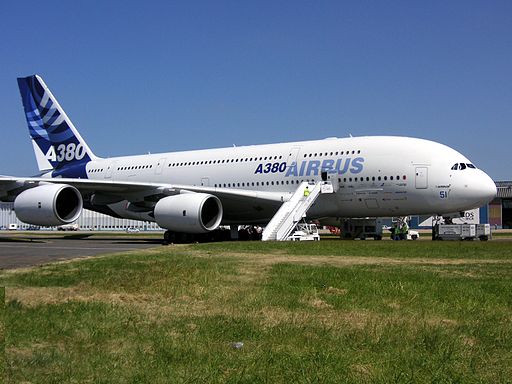
The Airbus A380 is the largest passenger plane in the world, and that size gives it a big advantage in rough air. With a weight of over one million pounds when fully loaded, this double-deck aircraft barely flinches when it meets gusts or pockets of uneven air. Its long wings flex slightly to dampen the bumps and absorb energy from sudden air shifts.
The A380 also has a strong center of gravity, which helps it stay balanced during uneven airflow. Because it carries a high number of passengers, the mass is spread evenly across the cabin, reducing the movement of the plane when it’s hit by turbulence.
Passengers often report that they experience less turbulence given the size and design of this aircraft. For long-haul trips—especially those crossing the Pacific or Atlantic—the A380 is one of the calmest rides available today.
The Boeing 787, also called the Dreamliner, was built with passenger comfort as a top priority. It has a lightweight carbon-fiber body that allows for smooth flexibility in turbulent air. Inside, advanced sensors monitor small shifts and automatically adjust control surfaces to reduce shaking.
Its smart flight control system, developed in part with Honeywell, responds instantly to bumps and gusts, keeping the ride steady. The 787’s flexible wings act almost like springs, helping to dampen vibration without affecting lift.
Thanks to this design, the turbulence you feel inside is much less than on older jets. The plane also flies at higher altitudes, where there’s often less amount of turbulence. Travelers who fly the 787 on routes like the Singapore Airlines flight from Los Angeles to Singapore often notice how stable and quiet it feels—even after many hours in the air.
The Boeing 777 is another large, reliable jet known for stability. With a wide body and strong wings, it performs very well on long-haul international routes. The design helps distribute air pressure evenly across the aircraft, making it one of the smoothest planes to ride through stormy air.
Because of its size and weight, the 777 doesn’t react quickly to sudden shifts in wind or pressure. This slower reaction means fewer jolts for passengers. Many pilots say that when the plane meets rough patches, its steady roll and vertical balance make it easy to control.
It’s also one of the most used jets at every international airport around the world. Travelers often pick flights on this model because it’s large enough to stay steady yet efficient for long routes.
The classic Boeing 747, known as the “Queen of the Skies,” remains a favorite among seasoned travelers. This four-engine jet has decades of proven reliability and one of the most stable flight records in aviation. Its long fuselage and heavy structure make it slow to react when the air becomes choppy.
Because of its shape and strong center of gravity, the 747 absorbs a lot of the energy that causes other smaller planes to bounce. It’s also equipped with advanced flight control systems developed with help from NASA. These systems help reduce rolling motions caused by turbulent air.
If you’re nervous about flying, sitting on a 747 can be comforting. It’s large, steady, and built for long flights through every kind of weather condition.
The Airbus A350 is a modern marvel. It’s sleek, efficient, and equipped with smart systems to make turbulence easier to handle. Its composite wings can flex up to several feet without losing strength, helping to dampen the bumps you’d normally feel.
The A350’s computer system automatically adjusts small control surfaces when it detects uneven airflow. This technology keeps the cabin smooth even during sudden increases in turbulence. The balanced design also reduces vertical motion, which helps keep passengers comfortable during long planes journeys over the ocean.
It’s also very fuel-efficient, which means lighter weight in the air but still enough mass to stay stable. Many aircraft manufacturers look to the A350’s technology as a model for future designs that make flying calmer and safer.
The Boeing 767 is a reliable mid-size jet known for comfort on medium and long routes. It’s been around for years but continues to perform well when skies get rough. Because of its strong, wide wings, the 767 stays firm even when crosswinds hit hard.
Pilots appreciate its easy handling and solid control during uneven air. Its systems react well to sudden drops or lifts, reducing vertical jolts that can cause discomfort. Even though it’s smaller than newer jets, its structure still keeps passengers feeling secure and steady.
The Airbus A330 is another wide-body plane known for its smooth handling. It’s built for medium to long-haul flights and performs well at high altitudes. Its aerodynamic shape and balanced wing design reduce drag and make the plane more stable when flying through changing air layers.
The A330’s systems monitor turbulence in real time and adjust automatically to keep the movement of the plane consistent. The result is fewer bumps and a steady ride for everyone on board.
While the Boeing 757 isn’t as large as some of the newer jets, it’s known for its strong power and stability. Its engines give it excellent control, allowing pilots to respond quickly when they encounter rough air.
Because it’s a long plane with a slim body, it can feel more motion toward the back of the plane, but sitting near the wings or front helps balance that out. The 757 is often used on transcontinental and short international airport routes where wind changes quickly.
If the plane ever faces turbulent air, its systems and pilot response help keep things safe. Its design also reduces the chance of an emergency landing caused by strong gusts or uneven airflow.
The Boeing 737 is one of the most popular planes in the world, with millions of passengers flying it every day. Although smaller than the 787 or 777, it’s designed for balance and efficient control in short to medium-distance flights.
When turbulence might occur, the 737’s computer systems and flight controls work together to stabilize the cabin. Pilots receive real-time data about winds and pressure, helping them guide the plane safely through bumps.
Sitting over the wings or near the front helps reduce the motion you feel. Because the plane’s engines are placed under the wings, they also help with stability by keeping the center of gravity low and centered.
All these planes share a few key features that make them more stable:
Modern jets are designed to stay safe in all kinds of air. Even when flying through strong winds, gravity and balance work together to keep the plane stable. Pilots, engineers, and technology all play their part in keeping passengers calm and comfortable.
So, the next time you’re flying one of these aircraft, remember—these are the models built to give you the smoothest, most confident ride possible, even when the skies get bumpy!
Flying can feel stressful when bumps hit, but knowing which plane handles it best helps you stay calm. Bigger and newer jets like the A380, Boeing 777, and Boeing 787-9 are built for stability, strength, and comfort. With smart technology, careful route planning, and better designs, passengers experience less turbulence than ever before.
So sit back, relax, and trust that you’re flying on some of the best planes for turbulence—built to keep your journey steady from takeoff to landing.
For more helpful flight tips and aviation insights, visit Flying411!
The center, over the wings, is the most stable area. It moves less than the front or back.
Yes. Pilots use radar, reports from other flights, and live weather maps to prepare and adjust.
No. Modern planes are built to handle extreme stress, even severe turbulence.
Yes, it can increase clear-air turbulence because stronger jet streams form as the planet warms.
Keep your seatbelt fastened at all times and stay seated until the plane is level again.
