Discover insights, tips, and stories from the skies — from aircraft buying guides to pilot training.




Published: September 8, 2025
Flying is one of the greatest joys of modern life. The feeling of lifting off the ground and seeing the world below never gets old. But for pilots and aircraft owners, the cost of fuel can take away some of that joy. Every airplane—from a small Cessna to a large Boeing 787 Dreamliner—needs fuel to stay in the air, and fuel prices keep rising.
In fact, the Boeing 787 is designed to use up to 25 % less fuel than the planes it replaces, showing how important efficiency has become. That’s why learning about the most fuel-efficient light aircraft is so important.
New technology and smart design have made smaller planes surprisingly thrifty. They travel long distances on less fuel and use cleaner engines with better fuel economy. Some even use electric power or diesel engines that sip rather than gulp.
This guide explains what fuel efficiency means, how light aircraft achieve it, and why pilots pay close attention to every gallon burned.
When people talk about a fuel-efficient plane, they’re talking about how far it can travel using a small amount of fuel. In simple terms, it’s about getting the best miles per gallon in the sky. For airplanes, that’s measured by fuel burn, or how many gallons per hour an engine uses during flight.
A fuel-efficient aircraft doesn’t waste energy. It uses advanced engines and aerodynamic shapes to go farther using less fuel. This idea matters across aviation—from light planes used for training to large Boeing, Airbus, and Embraer jets that carry passengers around the world.
For example, a light trainer plane might burn about 4 gallons per hour while cruising at 110 knots. That’s extremely good fuel consumption compared to bigger jets, which can burn hundreds of gallons per hour. Even a Boeing 787 Dreamliner—known for being one of the most efficient large jets—uses thousands of gallons of fuel on a long trip.
Fuel efficiency means thinking smart: the right power setting, the right altitude, and a well-designed airframe. When all those pieces work together, the result is an airplane that flies farther, costs less to operate, and helps protect the environment.
Light planes are masters of smart design. Their smaller size and simple systems help them get great mileage. These aircraft are built to do more with less.
Modern light planes often use carbon fiber or composite materials. This makes them strong yet light, which means less drag and lower fuel burn. A lighter aircraft doesn’t have to work as hard during takeoff or cruise, saving more fuel on every flight.
The engines in these planes are small but powerful. Most light aircraft use piston engines, like the popular Rotax series, which are known for excellent fuel economy. Others use diesel or electric motors that sip power instead of guzzling it.
Designers spend years shaping wings and fuselages so the air flows smoothly around them. This reduces drag and helps with fuel efficiency. Even small details like wingtips or propeller blades make a difference.
Modern avionics systems help pilots monitor engine performance and fuel consumption in real time. Displays show how small changes in speed or altitude can improve efficiency. It’s like having a smart coach sitting beside you in the cockpit.
Pilots of light aircraft learn how to plan their flights carefully. They choose routes that avoid strong headwinds and fly at the altitude where the engine works best. Small steps like leaning the fuel mixture or setting the right cruise speed can save gallons of fuel per trip.
For example, a Tecnam or Pipistrel light aircraft can cruise using only 3–4 gallons per hour—an amazing number in aviation terms. That’s why these planes are popular for flight schools, cross-country trips, and personal flying.
The secret is balance: good design, smart technology, and skilled piloting. When combined, they make these small planes some of the most fuel-efficient flying machines in the sky.
Fuel costs matter—a lot. Every gallon burned adds up over time. Pilots, flight schools, and aircraft owners all want to save money while flying safely. That’s why fuel efficiency is a top concern when choosing a plane.
A light aircraft that uses 4 gallons per hour costs far less to operate than a business jet that burns 200. For private pilots, that difference can mean flying twice as often for the same cost. For flight schools, lower fuel consumption helps keep lesson prices reasonable for students.
Efficient planes can stay in the air longer before refueling. This makes travel smoother and quicker. A fuel-efficient plane can cross several states without stopping, while a less efficient one might need to land halfway.
Better fuel economy also helps the planet. Using less fuel means fewer emissions. Small aircraft like the Pipistrel Velis Electro show how electric power is changing the future of aviation. Even traditional planes with piston or turboprop engines are now designed to produce less pollution.
New tools, like digital avionics and fuel monitoring systems, help pilots adjust power settings to save fuel. A well-trained pilot knows how to climb, cruise, and descend smoothly to reduce fuel burn. Large Embraer, Boeing, and Airbus models use similar systems to manage fuel use on longer routes.
Fuel management isn’t only about cost. It’s also about safety. Knowing how much fuel remains helps pilots make better decisions in the air. Smooth power changes reduce wear on the engine, which means fewer maintenance issues later.
In short, caring about miles per gallon means caring about the future of flying. Fuel-efficient airplanes make flying affordable, safe, and sustainable for everyone who loves the sky.
Flying is one of the most exciting things you can do. But for pilots, one big challenge is fuel cost. Airplanes use energy to stay in the sky, and fuel prices can change fast. That’s why so many new planes are being designed to save energy and burn less fuel. These modern designs make flying cleaner, cheaper, and easier to enjoy.
| # | Aircraft | Seats | Engine / Type | Typical Cruise Fuel Burn (gph) | Typical Cruise Speed (KTAS) | Max Range (nm) | Why It’s Efficient / Notes |
| 1 | Pipistrel Virus SW 121 | 2 | Rotax 912 iS (injected) | ~4.1 | ~120–140 | ~625 | Very light composite airframe, low drag, FADEC-style fuel control; great fuel economy for training and XC. |
| 2 | Diamond DA40 NG | 4 | Austro AE300 diesel (Jet A) | ~5.1 @ ~60% | ~145–150 | ~900–940 | Jet-A diesel shows excellent BSFC; long legs with modest average fuel burn. |
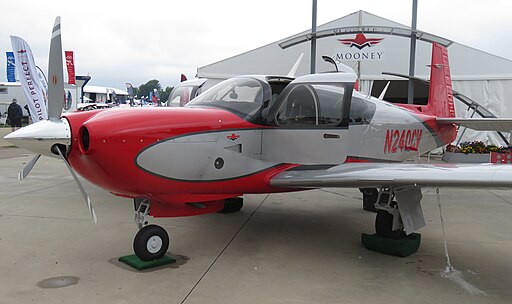
| 3 | Mooney M20V Acclaim Ultra | 4 | Turbo Continental TSIO-550 | ~18–21 | ~230–240 | ~1,000–1,200 | Fastest certified piston single; high speed per gallon; lean-of-peak options for fuel savings. |
| 4 | Cirrus SR22T | 4–5 | Turbo Continental TSIO-550 | ~16–18 | ~180–200+ | ~1,000 | Modern aero, turbo efficiency at cruising altitude, safety systems; popular personal traveler. |
| 5 | Cirrus SF50 Vision Jet | up to 7 | Williams FJ33 (light jet) | ~60–65 | ~300 | ~1,200 | Single-engine jet design trims operating costs; among fuel-efficient private jets for its class. |
| 6 | Embraer Phenom 100EV | 4–7 | Twin turbofans | ~90–95 | ~385–390 | ~1,180 | Efficient small private jet for short to medium legs; strong performance per seat. |
| 7 | Pilatus PC-12 NGX | up to 9 | PT6E-67XP (turboprop) | ~60–70 | ~270–290 | ~1,800 | Big cabin, single-engine turboprop efficiency, excellent short-field capability. |
| 8 | Cessna 172 Skyhawk | 4 | Lycoming IO-360 (single-engine) | ~8–9 | ~115–122 | ~600–650 | Iconic ga aircraft; simple ops, low cost per hour; steady trainer with predictable burn. |
| 9 | Pipistrel Alpha Trainer | 2 | Rotax 912 ULS | ~2.5–3.0 | ~95–105 | ~400–450 | Extremely light; among the lowest fuel burn certified trainers—ideal for patterns. |
| 10 | Diamond DA62 | 5–7 | Twin Austro AE330 diesels | ~18 (≈9/eng) | ~185–195 | ~1,200–1,300 | Diesel twins deliver strong range and economy; refined handling and cabin. |
| 11 | Airbus A320neo (bonus, airliner) | 150–180 | Twin high-bypass turbofans | ~700–800 | ~450–470 | ~3,500 | “Neo” upgrades cut fuel significantly vs. classic A320—useful benchmark for broader aviation efficiency. |
Below are 11 of the most fuel-efficient light aircraft flying today. Each one was built with smart engineering to make the most of every drop of fuel. Some are small personal planes, while others are fast light jets used for business travel.
The Pipistrel Virus SW 121 is famous for being quiet, light, and incredibly efficient. It’s built mostly from carbon fiber, which keeps its weight down without losing strength. This material helps the plane glide through the air smoothly, reducing drag and improving energy efficiency.
The Virus SW’s smooth wings and advanced aerodynamics help it use less aircraft fuel at higher speeds. Pilots love it for training and personal flying because it’s reliable, easy to handle, and one of the quietest engine aircraft in the world.
The Diamond DA40 NG blends safety, comfort, and aircraft efficiency in one sleek package. It uses a modern Austro diesel engine that burns jet fuel instead of avgas. This gives it great mileage and saves money for flight schools and owners.
The plane has an advanced glass cockpit, strong composite body, and great handling. Its flight profile is balanced and smooth, even in light turbulence. The DA40 is also certified for night and instrument flying, which makes it useful for professional training.
The Mooney M20V Acclaim Ultra is a fast traveler that doesn’t waste fuel. The company has been known for building sleek, efficient planes for decades, and the M20V continues that legacy.
This single-engine airplane is built from metal but shaped for low drag. It’s also pressurized for comfort at higher altitudes, improving aircraft efficiency. The cabin is small but well-designed, with strong avionics and smooth controls. The Acclaim Ultra is perfect for pilots who travel far and value fuel savings without losing speed.
The Cirrus SR22T is one of the most popular airplanes in America. It’s a step up in power and comfort from basic trainers, offering features you’d expect in a small business jet. It’s known for its strong performance and easy-to-use safety systems.
Even though it burns more fuel than smaller planes, its speed, technology, and comfort make up for it. The SR22T has advanced flight control features and an emergency parachute that can lower the entire plane safely. It’s also great for long trips thanks to its stable flight profile and smooth ride.
The Cirrus SF50 is the world’s first personal jet designed for private pilots. It bridges the gap between small piston aircraft and full-size jets. Despite being a private jet, it’s incredibly efficient for its class and uses very little fuel compared to other jets.
The Vision Jet is compact, comfortable, and modern. It has a pressurized cabin, a parachute system, and luxury seating for up to seven. Among fuel-efficient private jets, it’s a standout choice for pilots who want to step up to jet ownership without high operating costs.
The Embraer Phenom 100EV is one of the best small jets for short to medium flights. It’s stylish, powerful, and surprisingly fuel efficient for a jet. Many flight departments and charter services use it because of its reliability and performance.
The Phenom’s digital systems and efficient engines help it achieve better mileage than many other jets on the market. It’s also faster and roomier than most light jets, offering big fuel savings for operators. It’s one of Embraer’s most successful designs, blending comfort with smart aircraft efficiency.
The Pilatus PC-12 NGX is a single-engine turboprop known for strength and range. It’s used by private owners, companies, and even air ambulance services. It can take off from short runways and handle almost any weather.
Even though it’s larger than most light aircraft, the PC-12 has incredible aircraft efficiency. It carries up to nine passengers but remains fuel efficient thanks to its streamlined design and smart power system.
The Cessna 172 is the heart of American general aviation. It’s the plane that most pilots learn to fly in. Simple, safe, and reliable, it has proven its worth for over six decades.
This ga aircraft is the definition of practical flying. It’s easy to maintain, has low operating costs, and delivers consistent fuel savings. While not the fastest, it’s a dependable engine aircraft that continues to improve with newer aircraft updates and avionics.
The Pipistrel Alpha Trainer is an ultralight designed for short, local flights and student training. It’s one of the most affordable ways to fly efficiently.
This aircraft has one of the lowest fuel burn rates in the world. Flight schools love it because each hour of flying costs very little. The lightweight frame and efficient wing shape give it an excellent best glide ratio, perfect for teaching smooth flying.
The Diamond DA62 is a twin-engine diesel aircraft that’s both powerful and efficient. It combines space, safety, and aircraft efficiency in one sleek package.
It has an advanced carbon-fiber body, digital avionics, and smooth flight control. Many pilots call it the most comfortable twin ever made. For a plane of its size, the DA62 offers amazing fuel savings and range.
While it’s not a small plane, the A320 series by Airbus shows how even large civil aircraft can achieve great increasing efficiency. The “neo” model has new engines, lighter wings, and improved systems to save fuel.
The A320neo burns about 20% less jet fuel than earlier versions, like older A320s or other regional jets. It inspires smaller plane makers to focus on efficient aircraft designs that help the environment and cut operating costs worldwide.
What do all these planes have in common? They focus on using technology and smart design to save energy. Every aircraft burns some fuel to fly, but today’s models work hard to burn less fuel while still giving pilots and passengers a great experience.
From the small glider that uses almost no power to advanced turboprops and fuel-efficient private jets, aviation keeps improving. The key is smarter materials, better flight profiles, and more precise engines that manage fuel carefully.
Flying smarter means flying farther, cleaner, and cheaper. The 9 most fuel-efficient light aircraft prove that good design and modern technology can change how we think about flight. They save fuel, reduce costs, and make flying more accessible for students, travelers, and enthusiasts across the country.
Flying efficiently helps the planet and your wallet. As rising fuel costs continue to challenge pilots, focusing on low fuel use and extra fuel savings can make flying both affordable and sustainable. The sky is full of opportunity—and now it’s cleaner, too!
If you love the idea of flying efficiently, keep learning and exploring. New designs are taking off every year, and the sky has room for every kind of pilot. To stay updated on the latest aircraft trends and flying tips, visit Flying411 for more helpful guides and aviation news.
A plane is fuel-efficient when it travels a long distance using less fuel. Engine type, weight, and aerodynamics all play a big role.
Most light planes use 3–6 gallons of fuel per hour during cruise, depending on size and speed.
Yes, short-range electric planes like the Pipistrel Velis Electro are used for training and short trips, though battery range is still limited.
Yes, modern avionics show real-time fuel flow, helping pilots adjust settings for better efficiency.
Among large jets, the Boeing 787 Dreamliner is known for strong fuel efficiency thanks to lightweight materials and advanced engines.
