Discover insights, tips, and stories from the skies — from aircraft buying guides to pilot training.


Published: August 29, 2025
Flying over blue lakes or landing right on the water feels like a dream come true. That dream becomes real with amphibious aircraft—planes that can travel through the air and glide across the surface of a lake or ocean. These machines open the door to adventure, rescue work, and freedom few other aircraft can match.
Imagine a large aircraft scooping up 12 tons of water from a lake and emptying the load in about one second during a firefighting pass! Some people use amphibious airplanes for weekend getaways.
Others use them to reach small islands or remote villages. Many pilots fly them for firefighting or search-and-rescue missions. However you use one, an amphibious airplane gives you two runways—one on land and one on water.
But what makes these flying wonders so special in the first place?
An amphibious airplane is built to handle both land and water. It’s like having two vehicles in one—a flying boat and a landplane combined. To do this, engineers use strong but lightweight materials and special landing gear that can fold away during water operations.
Here’s what sets an amphibian apart:
A great example is the ICON A5, a sleek amphibious light sport aircraft designed for fun flying. It uses a Rotax 912 engine and has folding wings, so you can tow it home after a day on the water. Another is the Seamax M-22, built for smooth takeoff and landing on both surfaces. The Progressive Aerodyne Searey also shines with its simple design and proven strength in rough water.
These aircraft often fall into the light-sport aircraft category, making them easier to own and operate. Brands like CubCrafters and models such as the Carbon Cub EX or Carbon Cub SS show how advanced materials keep weight and drag low while maintaining a strong frame.
Pilots must still respect limits like max gross weight, useful load, and stall speed. These numbers tell them how much the plane can carry and how slowly it can fly before losing lift. Learning these basics helps seaplane pilots stay safe while enjoying the freedom that only amphibious aircraft can offer.
People choose these planes because they open up more possibilities. A regular aircraft can only land on a runway. A seaplane, on the other hand, can touch down on water, and an amphibian can do both. That flexibility is valuable for adventure, travel, and rescue work.
Many private pilots love the ICON aircraft line because they can explore lakes and rivers across the country. The A5 model, in particular, lets pilots land near beaches, docks, or even a cabin in the woods. For those who enjoy personal travel, the ability to switch between water and land adds a layer of fun to every trip.
Amphibious planes play an important role in aviation missions that help others. They’re used for:
Larger floatplanes like the Cessna Caravan Amphibian or Twin Otter can carry supplies, people, or equipment to isolated areas. They bring mail to islands, drop off doctors in emergencies, or support eco-tours in Alaska and the Pacific Northwest.
For new seaplane pilots, smaller light sport models are a great start. The Seamax, Searey, and ICON A5 make learning fun and safe. Training includes understanding how takeoff and landing differ on water versus land.
Amphibious planes are both practical and exciting. They combine the power of traditional flying with the beauty of nature, giving pilots a new way to experience the world.
Flying on both surfaces sounds simple, but it’s not. Each environment needs a different kind of control, balance, and skill. An amphibian has to manage these changes smoothly to stay safe.
When flying from land, wheels provide stability. On water, the hull or float installation must support the aircraft’s max gross weight without sinking. Engineers must balance weight and drag so the plane lifts off efficiently.
Water adds resistance. A pilot must reach a higher speed before liftoff. A longer takeoff and landing roll is common. The pilot uses careful control to keep the plane steady while waves hit the hull. During landing, reading wind direction and wave height is critical. Rough water can make it harder to stay straight or stop smoothly.
Saltwater flying means corrosion risk. Amphibious planes like the Carbon Cub EX or Seamax M-22 use materials that resist rust. Regular rinsing and inspections help protect parts. The Garmin G3X display system gives pilots helpful data like speed, altitude, and engine status, which can prevent errors during tough conditions.
Experienced seaplane pilots spend hours practicing step-taxiing, glassy-water landings, and handling crosswinds. Even small details—like adjusting flaps or managing stall speed—make a big difference.
Flying on two surfaces may seem like a thrill ride, but it’s serious work too. Pilots must know their airplane, understand their limits, and always respect the power of nature. That balance of challenge and freedom makes flying amphibious aircraft such a unique part of modern aviation.
Flying from land to water and back again feels like magic. Yet, it’s all made possible by clever design and skilled engineering. Amphibious airplanes bring adventure, freedom, and practicality together.
Let’s look at seven of the best amphibious aircraft that show how exciting and useful these machines can be.
Each one offers something special—some are sporty, some are strong, and some are perfect for everyday pilots.
The ICON A5 is one of the most recognized light sport aircraft in the world. It’s sleek, small, and designed for fun flying. This plane can land on both water and land with smooth control and comfort. Its lightweight airframe helps it stay stable even on choppy water.
The ICON aircraft team built the A5 with everyday flyers in mind. It’s easy to learn, safe, and full of smart features:
The A5 uses a Rotax 912 engine, known for reliability and efficiency. Pilots enjoy its calm takeoff and landing behavior, even in rough water. Because it’s in the light sport category, you don’t need a complex pilot’s license to fly it. It’s ideal for those who want adventure without stress.
When fully fueled, the A5 can cruise for hours, reaching lakes or coastlines far from home. It’s often compared to high-end private jets with parachutes for its safety focus—though it’s much smaller and simpler. For first-time amphibian owners, the A5 makes flying feel easy and fun.
The Progressive Aerodyne Searey has earned a solid reputation among seaplane fans. This American-built airplane is known for stability, safety, and long-lasting quality. Its composite airframe is durable and light, allowing smooth handling on both land and water.
Features that make the Searey stand out:
Many Searey pilots say it feels forgiving during training. It’s an amphibious aircraft that fits both new and experienced seaplane flyers. You can even build one as an experimental aircraft, allowing more customization.
With the Rotax 912 or higher power engine options like the turbocharged Rotax 914, the Searey offers strong climb rates and better performance when flying with full fuel and two people aboard. It’s a good pick for weekend travelers and aviation enthusiasts who enjoy hands-on ownership and simple maintenance.
The Seamax M-22 is a modern light sport amphibian that combines style with function. It’s easy to recognize by its bright paint and smooth curves. This plane has amphibious floats built right into its structure, so it handles both surfaces gracefully.
Pilots enjoy the integrated flight deck featuring synthetic vision, which lets them “see” terrain and obstacles on the screen even in low light. The display connects with a Garmin Aera or similar tablet for simple navigation updates.
Highlights:
The M-22 works well for training, recreation, and short trips. It’s light, fuel-efficient, and safe. Like the ICON and Searey, it falls in the light sport category, which keeps costs down for new aircraft owners.
The Sport Cub S2 takes the spirit of the famous Piper Cub and gives it modern upgrades. It’s made by CubCrafters, a company known for strong yet light airplanes. The S2 can be equipped with straight floats or amphibious floats, turning it into a capable water explorer.
The aircraft’s lightweight build, low stall speed, and high-lift wings make it ideal for short takeoff and landing runs. It’s a favorite among backcountry pilots who want to reach remote lakes and rivers.
Inside, the Garmin G3X Touch and autopilot system make flying safer and more comfortable. A moving map display helps pilots track their routes easily, while synthetic vision provides a realistic 3D view of the world outside.
For many, the Sport Cub S2 strikes the perfect balance between fun and function. It’s strong, simple, and affordable for a light sport aircraft.
The Cessna 172 is one of the most popular planes ever built. Adding amphibious floats turns this classic land-based aircraft into a flexible travel machine. Many flight schools use the 172 for training, and the amphib version makes it even more versatile.
Key features:
The Cessna’s dependable structure allows confident takeoff and landing on water or land. Pilots often equip it with an upgraded higher power engine to handle the extra weight of the floats. It’s great for those who want both adventure and practicality in one aircraft purchase.
Flying a 172 Amphib gives you the classic feel of aviation with modern tools like the Garmin Aera 796 and integrated flight deck systems. It’s an all-American favorite that continues to evolve.
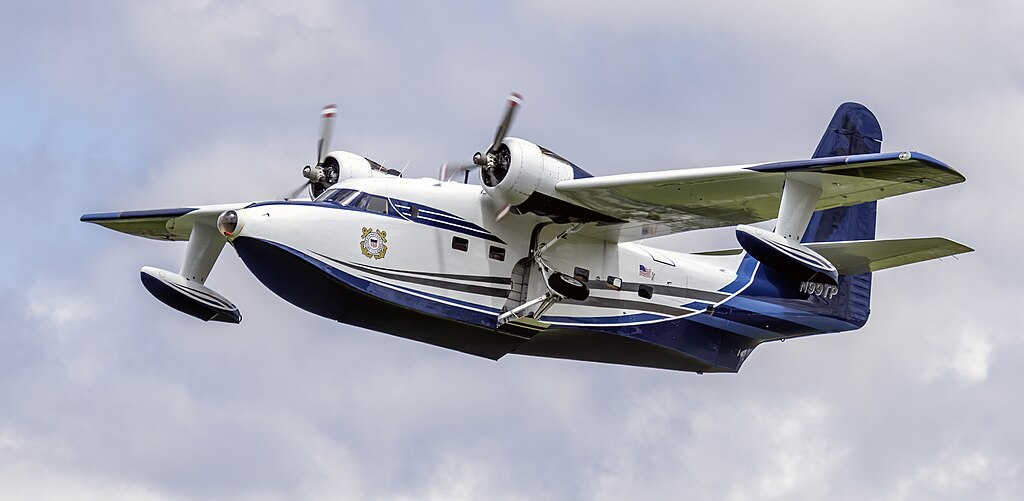
Few planes have the history or size of the Grumman Albatross. This large amphibian served in military rescue missions for decades. Today, some private collectors and organizations keep them flying for shows and special missions.
The Albatross has a strong metal airframe and can handle big waves and heavy loads. It’s designed for long-range flights over oceans and can rescue stranded crews or deliver cargo. Its IFR flight capability allows operation in poor weather, which was vital for its service role.
Even though it’s an older design, modern avionics upgrades like Garmin G3X Touch and digital autopilot systems help keep it safe and reliable. It’s not a plane for beginners—it’s big, complex, and expensive to maintain—but it remains one of the most iconic seaplanes ever built.
For creative pilots, building or modifying their own amphibs is a rewarding challenge. These experimental aircraft allow new ideas in design, technology, and materials. Many use a composite airframe to reduce weight and drag, while still providing strong performance on both land and water.
Common upgrades include:
Some owners add small parachute systems or custom interiors for comfort. Since these planes are built under the experimental category, they allow flexibility in parts and systems that factory models can’t always offer.
They appeal to dedicated aircraft owners who love hands-on flying and learning. For people who enjoy creating something unique, experimental amphibious aircraft provide the perfect balance of innovation and adventure.
When people talk about the best fighter jets, the focus is on speed and combat. But amphibious airplanes are about freedom, not fighting. They connect the sky and sea, offering unmatched versatility. From the sporty ICON A5 to the giant Grumman Albatross, each one shows what’s possible when engineering meets imagination.
Choosing an amphibious plane depends on your goals. Some prefer small, sporty models in the light sport category, while others look for reliable workhorses like the Cessna 172 on floats. Either way, these airplanes let you explore parts of the world few others ever reach.
For any pilot who dreams of water, land, and sky in one smooth trip—amphibious flying is the way to go.
From sleek models like the ICON A5 to sturdy floatplanes that reach distant shores, amphibious aircraft continue to inspire pilots around the world. They offer adventure, purpose, and a special kind of freedom that few other machines can match.
No matter which one fits your dream, amphibious flying gives a sense of freedom that’s hard to match. From small lakes to open seas, these planes prove how much joy and purpose come from smart engineering and careful piloting.
And who knows—you might find yourself flying one day, smiling as your wheels leave the runway and your floats touch the water.
So next time you see a plane lift off from the water, you’ll know just how much skill and design make that moment possible.
To keep learning about exciting planes and flying tips, explore more stories with Flying411—your friendly guide to the skies!
A floatplane can only land on water, while an amphibious aircraft can land on both water and land thanks to retractable wheels.
It’s not very hard! Most pilots can earn it in just a few days of training focused on water takeoffs, landings, and taxiing.
They can, but pilots must be careful. Strong winds and rough water can make takeoff and landing tricky.
Yes. The extra gear and water exposure mean more maintenance to prevent rust and corrosion.
Yes, many models like the ICON A5 or Searey are made for easy handling and fun flying for new pilots.
