Discover insights, tips, and stories from the skies — from aircraft buying guides to pilot training.

Published: August 24, 2025
Learning to fly is one of the most exciting adventures you can have. The first time you lift off the ground, it feels like a whole new world opens up. But the airplane you start with makes a big difference in how fast you learn and how confident you feel.
The best aircraft to learn to fly in are steady, forgiving, and built for students who are still finding their way around the sky.
Some are small and light, while others are roomy and ready for longer lessons. And here’s a striking fact: as of 2025, the Cirrus Airframe Parachute System has been deployed 139 times, saving 281 lives in emergency flights.
Now, let’s begin by looking at what makes a plane a good teacher in the air.
A good trainer aircraft feels calm and predictable. It helps a student pilot focus on flying, not fighting the controls. Most training planes are part of general aviation, which includes smaller planes used for personal flying or flight training.
For example, the Cessna 172 (often called the Skyhawk) is known for its smooth handling and strong design. It’s easy to manage during takeoff and landing. The Piper PA-28 Cherokee and Archer models are also popular for their simple, reliable controls.
Planes like the 152 or the Cherokee help new flyers learn slowly and safely. When a plane can correct itself easily, it reduces stress in the cockpit and builds confidence. You can focus on scanning instruments, holding headings, and learning to talk on the radio without feeling rushed.
Modern avionics, like the Garmin G1000, make it easier to read information clearly. Some planes have a glass cockpit, which shows flight details on screens instead of round gauges. This setup helps future private pilot students get used to modern tech they’ll use later in their careers.
When a training aircraft feels steady, simple, and clear, it becomes the perfect classroom in the sky. It’s not about being fancy—it’s about making every flight safe and fun as you learn to fly.
When people decide to become a pilot, the first question is often, “Which plane should I start with?” The answer depends on goals, budget, and comfort. Flight schools usually help students pick an aircraft that matches their size, learning style, and training path.
Many schools start beginners in planes like the Cessna 172 or Piper models. These are dependable, durable, and well-known across the aviation community.
Students who want to move into commercial or airline careers may want a plane with a G1000 glass cockpit. Others who want a simpler learning path might prefer older models with basic instruments.
No matter what you choose, the goal stays the same: gain experience, stay safe, and build skill through steady practice. A good plane doesn’t make you a great pilot—but it helps you get there faster.
Modern training planes and older designs both have strong advantages. Some flight school fleets feature brand-new Cirrus SR20 aircraft with digital panels and smart safety systems. Others still use older Piper PA-28 Cherokee or Cessna 172 trainers that have been teaching for decades. Both kinds help new students build skill in their own way.
Many flight schools mix old and new planes. Students might start with a simple analog cockpit, then move to a G1000 system later. This helps them adjust gradually to new technology. Both types prepare pilots for real-world aviation.
Whether you train in a digital cockpit or an older one full of round dials, the goal remains steady: build skill, understand the plane, and fly with confidence. Learning from both styles gives a new pilot a stronger, well-rounded foundation for any flying future.
Learning to fly takes patience, practice, and the right airplane. Some planes are made to teach. They handle smoothly, react gently, and help new pilots feel safe and in control. These are called training platforms, and they’re built for real learning, not just travel.
| # | Aircraft Name | Seats / Type | Key Strengths | Ideal For | Notes |
| 1 | Cessna 152 | 2 / Single-engine, high-wing | Simple controls, low fuel burn, forgiving handling | First-time students, short lessons | Most-produced two-seat trainer; cheap to rent |
| 2 | Cessna 172 Skyhawk / 172S | 4 / Single-engine, high-wing | Very stable, great visibility, modern glass cockpit options | Beginner through instrument students | Most-produced airplane ever—44 000+ built |
| 3 | Piper Archer | 4 / Single-engine, low-wing | Smooth control response, good short-field ability | Private & commercial training | Part of Piper PA-28 series; often G1000-equipped |
| 4 | Piper Cherokee | 4 / Single-engine, low-wing | Gentle landings, sturdy build, easy to maintain | Early private-pilot lessons | Excellent long-term trainer for schools |
| 5 | Diamond DA40 | 4 / Single-engine, low-wing composite | Superb safety record, great visibility, modern avionics | Advanced students & instrument work | Common in tech-forward schools |
| 6 | Piper PA-28 Series (Warrior/Archer/Cherokee) | 2–4 / Single-engine, low-wing | Reliable, consistent handling, low operating costs | All-purpose training use | Huge parts network and support |
| 7 | Diamond DA20 Katana | 2 / Single-engine, low-wing composite | Light, responsive, fuel-efficient | Basic pilot training | Excellent view canopy; fun to fly |
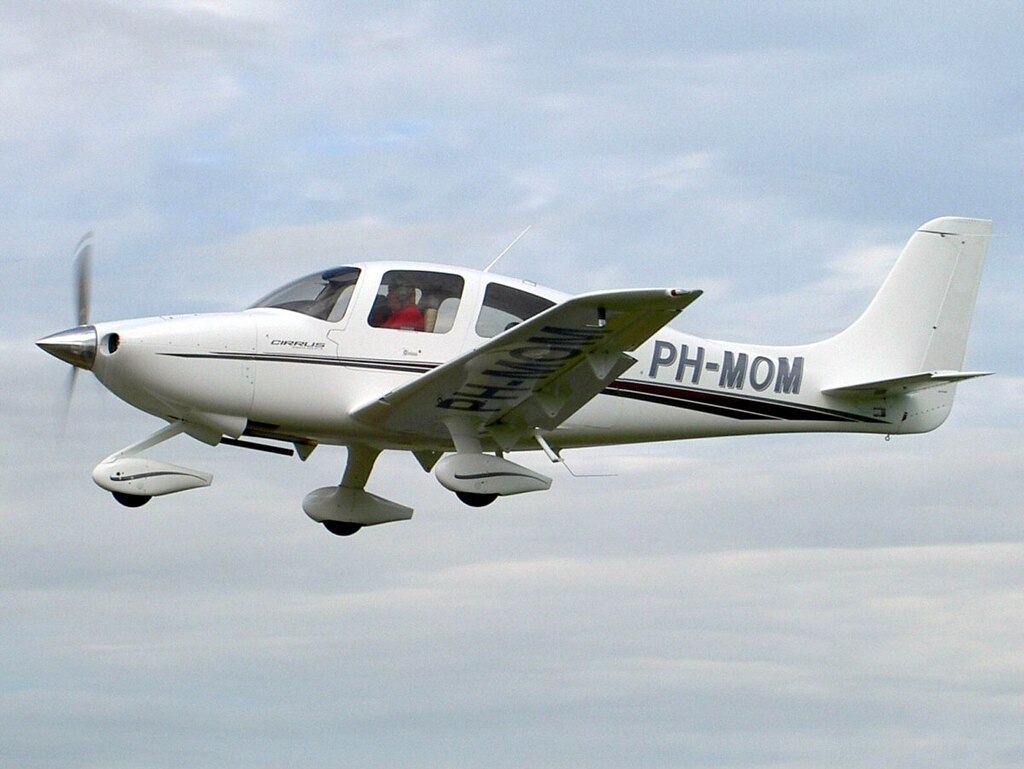
| 8 | Cirrus SR20 | 4 / Single-engine, low-wing | Advanced avionics, whole-aircraft parachute (CAPS) | Private & commercial programs | Modern feel; used by major academies |
| 9 | Tecnam P2008 | 2 / Light-sport, high-wing | Efficient, easy to handle, smooth landings | Recreational or sport licenses | Among best light-sport aircrafts for schools |
| 10 | Beechcraft Duchess | 4 / Twin-engine, low-wing | Stable twin performance, simple systems | Multi-engine & commercial training | One of the best light twin aircrafts |
| 11 | Cessna 182 Skylane | 4 / Single-engine, high-wing | Powerful, forgiving, great for IFR practice | Step-up students & cross-country flights | Heavier version of the 172 with more range |
Below is a more detailed look at eleven of the most trusted and popular trainer aircraft that help students grow from their first takeoff to their first solo flight.
Each of these planes has proven itself in flight schools across the country. They all have steady controls, reliable engines, and simple layouts that keep flying clear and fun.
The Cessna 152 is a true classic. This small, two-seat single-engine aircraft has been a student favorite for decades. It’s light, simple, and affordable. Many new pilots start here because it’s forgiving, easy to land, and teaches great stick-and-rudder skills.
Why it’s great for beginners:
Because it’s small and responsive, every motion counts. That helps new students feel what the plane is doing. You’ll learn quickly how small changes affect lift, turns, and descent.
The Cessna 172 Skyhawk is one of the best aircraft for flight training in history. Many pilots, from students to instructors, call it the gold standard. The newer Cessna 172S adds modern comfort and digital systems but keeps the same steady feel.
Why students love it:
The Cessna aircraft family has a long safety record, which gives both students and instructors peace of mind. These planes are reliable, predictable, and always ready for lessons.
The Piper Archer is a calm, strong airplane with a low-wing design. It gives pilots a good sense of balance and smooth handling. Many schools use the Archer because it’s comfortable and flexible—it can handle beginner and advanced lessons.
Why it stands out:
The Archer belongs to the Piper PA-28 Series, which includes other reliable models like the Piper Cherokee. Together, these Piper trainer aircraft are some of the most trusted in aviation.
The Piper Cherokee offers gentle handling and wide wings for extra lift. It’s strong, steady, and built for comfort. Many instructors say it helps students stay calm during lessons.
Why it’s a great trainer:
The Cherokee’s reliability and smooth flight characteristics make it a top choice for beginners. It’s an airplane that feels secure and supportive—exactly what a new pilot needs.
The Diamond DA40 blends comfort, safety, and modern technology. Its body is made from lightweight composite materials, giving it strength and stability. It’s a modern light aircraft that helps new students learn faster while using up-to-date tech.
Highlights:
Students who train in the Diamond DA40 gain confidence in advanced avionics early. It’s also one of the few four-seat trainers that can serve both personal flying and advanced lessons.
The Piper PA-28 Series includes several dependable models like the Warrior, Archer, and Cherokee. These airplanes are known for smooth takeoffs, simple controls, and strong structure. They are easy to repair, easy to rent, and widely used in flight schools across the U.S.
Why it works for new pilots:
If you want to train in a proven design that’s easy to fly and maintain, the PA-28 Series is a smart choice.
The smaller cousin of the DA40, the DA20 is a sleek two-seater that feels sporty yet steady. It’s great for new pilots who want something light and modern.
Reasons to pick it:
It’s often used in early pilot training programs because of its light controls and predictable performance.
The Cirrus SR20 offers comfort and confidence in a sleek, modern body. It features a glass cockpit display and advanced safety gear, including a built-in parachute system.
What students appreciate:
Some schools use it for students who plan to move into business or airline aviation careers. It’s high-tech but still friendly enough for new learners.
The Tecnam P2008 is one of the best light sport aircrafts on the market. It’s light, efficient, and fun to fly. Students love its great visibility and easy controls.
Advantages:
This plane is ideal for people who want to enjoy flying while keeping lessons affordable.
For students stepping into twin-engine lessons, the Beechcraft Duchess ranks among the best light twin aircrafts. It’s used by many advanced training schools for commercial pilot training.
Key features:
The Duchess helps students prepare for complex operations, yet remains friendly enough to fly confidently after just a few flights.
The Cessna 182 adds more power and speed while keeping the classic high-wing design. It’s excellent for advanced instrument training or as a step-up from the 172.
Why it’s worth learning in:
It builds on the strengths of the smaller Cessna models, offering a steady upgrade path for growing pilots.
Choosing a training plane depends on your goals, budget, and comfort. Each aircraft has its own personality, but they all teach the same fundamentals.
Your choice of flight trainer should feel right for your goals. Want to move up to airline flying? A modern top trainer aircraft like the Cirrus SR20 or DA40 can help. Prefer a traditional path? The Piper trainer aircraft and Cessna aircraft series will serve you well for years.
When you visit local flight schools, ask to see the planes. Sit inside, check the controls, and ask instructors which models they recommend. Most important, choose a plane that feels safe, steady, and exciting every time you fly.
The best plane is the one that helps you learn confidently and enjoy every moment of flight. Each of these aircraft has shaped countless pilots—and one of them might be your perfect match.
Flying feels amazing when you’re in the right airplane. The best aircraft to learn to fly in are the ones that make you feel safe, supported, and excited every time you lift off. From the simple 152 to the advanced Cirrus SR20, each trainer helps build skill and confidence in its own way.
If you dream of taking the controls and seeing the world from above, start your journey with a plane made for learning—and enjoy every moment in the sky.
Ready to take off? Find more flight tips, guides, and aviation stories at Flying411!
The Cessna 172 is one of the easiest and most common planes for beginners because it’s stable and simple to control.
Most students take 3 to 6 months to earn a private pilot license, depending on how often they fly.
Yes, two-seat planes use less fuel and are often cheaper to rent than larger four-seat trainers.
No, most flight schools have their own fleet of training planes for students to use.
Not really. They show information clearly, but it helps to start with simple gauges before using a glass cockpit.
