Discover insights, tips, and stories from the skies — from aircraft buying guides to pilot training.



Published: August 21, 2025
Meta description: Learn the top 10 fastest experimental aircrafts with simple speed basics, clear examples, and friendly explanations for curious readers.
Tags: Aircraft Types, General Aviation, Flight Training
Speed can teach us a lot. Test planes try bold ideas so future flyers can go farther and safer. Some even aim for about Mach 20—about 20 times the speed of sound—fast enough to go from New York to Los Angeles in under 12 minutes.
In this post, we set the scene, explain the words, and share simple examples, so the list of the top 10 fastest experimental aircrafts makes sense when you get to it next.
Ready to see how test planes push limits and change what people can do in the sky?
An experimental aircraft is a special test plane. Engineers build it to learn. A team uses it to try new shapes, new engines, or new controls. The goal is to collect data. The plane may fly only a few times. It may look strange. That is okay. The team wants answers.
These planes help all of aviation. If a new wing shape saves fuel, other planes can use that idea later. If a new skin stays cool at high speed, we learn how to protect a plane’s body. If a new control system keeps a tricky plane steady, pilots can fly with more confidence.
Here are four famous examples:
People use many names for these planes: prototypes, demonstrators, or research craft. The main idea stays the same. They test a question in the air. They often fly with special checklists and extra sensors. The team studies every second.
We also use one clear word to talk about all flying machines: aircraft. In this article, when you see “test plane” or “program,” think about a machine built to learn. These machines are like moving labs. They need careful planning, strong safety steps, and pilots or systems that can handle new surprises. The flights may be short, but the lessons can last for years. That is the power of these rare, brave machines.
We measure speed in two main ways. First, many reports use mph (miles per hour). That is a simple number most people know. Second, we use Mach. Mach compares a plane’s speed to the speed of sound in the air around it. If a plane flies at Mach 1, it moves at the speed of sound. If it flies at Mach 2, it goes twice as fast.
Air changes with altitude. Colder, thinner air changes how sound moves. That changes the Mach number too. This is why a report often lists both mph and Mach, plus the height of the flight. Together, they tell the full story.
Two helpful words describe ranges:
Writers also talk about a plane’s top speed. That is the best number the plane reached in a test. If the number is official and checked, it can be a speed record. Some tests reach the highest speed ever recorded for that type of plane.
Here are simple examples of how numbers look in reports:
When you read a speed, ask a few quick questions:
These details help you compare one program to another in a fair way. They also show why fast flight is tough. At high speed, air heats the skin. Control can feel different. Sensors must be strong. Pilots and computers must react quickly. With clear numbers and context, the story of speed becomes easy to follow.
Test planes shape the future. They help us build safer wings, stronger bodies, and smarter engines. They also guide the design of fighters and space vehicles. People love to ask about the world’s fastest machines. Lists of the top 10 fastest jets are fun, but test flights explain how we got there.
Some famous names help connect the dots. The Lockheed SR-71 Blackbird showed how a high, fast spy plane can gather data and come home. The MiG-31 Foxhound guards big skies with high speed and strong radar. The Mikoyan-Gurevich MiG-25 Foxbat chased high targets and flew very fast in straight lines. The Sukhoi Su-27 Flanker is known for smooth control and high performance. The F-106 Delta Dart is an older interceptor that still teaches lessons about clean shape and speed.
Engines matter too. Many fighters use an afterburning turbofan. It adds extra fuel behind the main chamber for a quick boost. That boost helps in takeoff, climb, and short sprints. Data from test planes helps engine teams make that boost safer and more efficient.
People also ask, “What is the fastest fighter jet?” and “What are the fastest fighter jets ever?” These are good questions. The exact answer can change with rules, height, and load. Test data helps us compare numbers in a fair way and understand why one plane might be faster in one part of the sky and not in another.
Finally, what do we gain? We get better materials that can handle heat. We get new controls that keep a plane steady in rough air. We learn how to plan missions that save fuel and time. These wins help rescue crews, weather flights, patrol teams, and science groups. They also help future travelers fly farther and cleaner. Step by step, each test flight turns a tough question into a clear answer we can use.
Below is a clear, friendly tour of ten test planes that chased extreme speed. I’ll share what each one tried to do, how it flew, and one neat fact that helps you compare them. I’ll also point out simple terms like power type and test goals.
When you see a bold word, it’s a key idea you can remember later.
Quick note: These are test machines. Some flew only a few times. Some flights were short. That is normal in research.
This uncrewed glider rode a rocket to very high altitude and then sliced through the air at extreme speed. It was hard to control, but the data helped teams learn new ways to guide vehicles that fly without engines on board. Engineers used special materials to handle heat. The goal was to study long-range, very fast glide. Programs like this point to future aircraft that can cross oceans quickly. This kind of test craft is a hypersonic aircraft because it flew at hypersonic speeds.
X-43A proved a jet that “breathes” air can go many times faster than sound. A booster pushed it up to test speed, then the scramjet took over. It burned fuel while air rushed through at high speed. The flight was short, but it set a strong mark for an experimental aircraft. It helped engine teams learn how to mix fuel and air when time is tiny. The number is famous: speed of Mach 6.72 was shown in another program too, and the crewed champ still holds the record there.
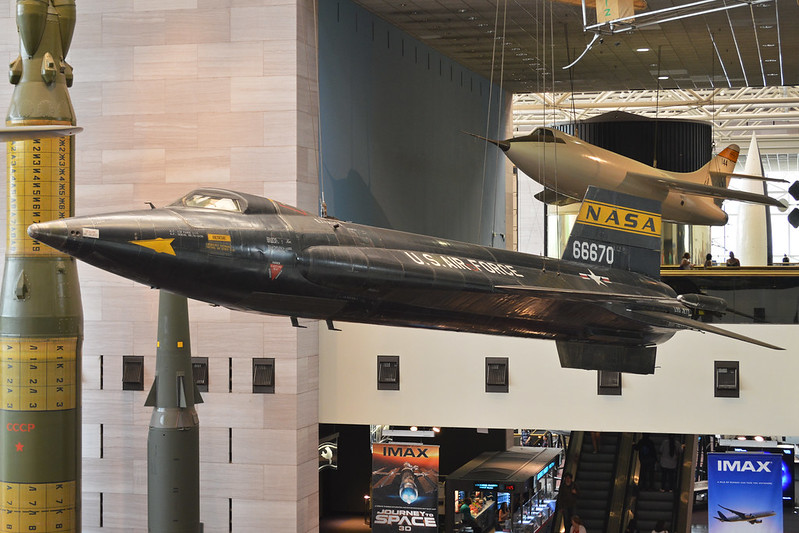
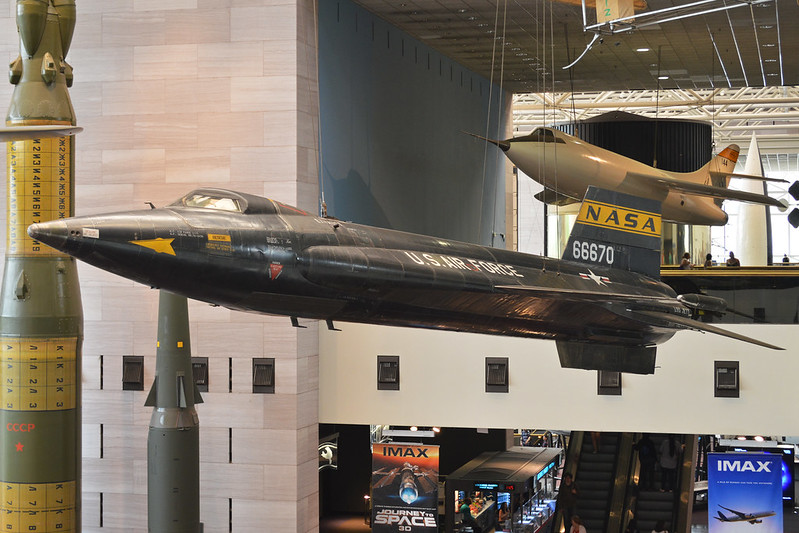
The North American X-15 flew higher and faster than any other crewed plane. Pilots wore pressure suits and trained a lot. It had a powerful rocket engine and tough skin to handle heat. The X-15 made spaceflight lessons simple to test and measure. Many people also write north american x-15 in lowercase; it’s the same program. If you like numbers, the team reported the speed of Mach 6.72 in peak runs, and that mark for a piloted plane still holds the record today. It is a true record-breaking aircraft.
X-51A rode under a bomber wing, dropped, and then lit a scramjet for minutes. That long burn proved steady control and stable fuel flow at very high speed. Flights like this guide engine math and help teams choose strong shapes for the front end. This is where aircraft design choices, like inlets and fuel lines, make or break a test. It showed how a small vehicle can keep going fast without a rocket once it gets a push.
The X-7 was a simple, sturdy dart for learning. It tried different fuels and nose shapes. It taught how heat builds on leading edges. Even though it flew long ago, the lessons show up in many modern concepts. When you hear about sleek “waverider” shapes, remember craft like X-7 that helped people trust new ideas. Good test gear, clean shapes, and safe parachute recovery made the work steady.
YF-12 looked like the spy plane we know, but it was a test interceptor. It tried weapons at high speed and high flight levels. Its sharp lines and special skin taught how to handle heat for long runs. People often compare it to the lockheed sr-71 blackbird. The YF-12 helped research crews gather fast-flight data for decades. It showed how a long, thin body can stay strong when the air gets very hot.
This drone was built to fly very high and very fast without a pilot. It launched from a carrier plane and sent back pictures. It taught teams how to guide a slender body at speed and how to recover data safely. It was ahead of its time. Ideas from it echo in today’s high-speed unmanned plans, where designers want long range, low drag, and strong heat control.
X-2 pushed into areas pilots had never flown before. It used a rocket engine and special suits. It reached very high numbers but also showed how control can get tricky. The team learned about stability, heat, and human limits. Tests like these inform safety plans for later programs. The X-2 sits in history with X-1 and X-15 as a clear path of learning.
SpaceShipOne proved a small team could reach the edge of space. It climbed high, then glided home. It used feathered tail parts to stay safe and stable on the way down. The project showed how private groups can test new ideas and collect good data. It also inspired follow-on craft that carry people for short space trips.
XB-70 was huge and fast. It could fly very quickly for longer times than many small test craft. That made it great for heat and structure studies. The plane used special metals and clever wing tips that folded down. Researchers learned how big parts bend and warm at speed. The data helped later projects, even outside bombers.
When you read claims online, look for simple checks:
Also watch the units. You may see mph or miles per hour and Mach. Both help you compare. Some readers also want to know about launch methods, like under-wing drops or rocket boosts. All those steps are part of careful aircraft design.
People love to compare the fastest jets ever. Many classic fighter aircraft use afterburning turbofan engines to sprint. Two times faster than sound is called twice the speed of sound. Some fans quote big claims online, even “making it the fastest fighter,” but test rules, loads, and height all matter.
A smart advanced fighter can be quick and still turn well and carry gear. Those skills make a good combat aircraft. For example, a strong jet aircraft might be very fast in level flight, while a nimble one wins a turning match. This is why test data from X-planes is so helpful when people compare.
Museums and clubs keep history alive by maintaining vintage aircraft engines and teaching young builders. Homebuilt brands like lancair show how a small team can make a clean, efficient plane for learning and fun.
We end with heroes of speed. The Bell X-1 showed the door could open. The North American X-15 showed how far a pilot could go. The list above shows how each program answered a hard question.
Put together, they map the road that led from the first barrier to today’s wild ideas—and to tomorrow’s future aircraft that may cruise quietly at hypersonic speeds or take off like a car and climb like a rocket.
Each entry here points to a bold idea in fast flight. Together, they show how test teams improve aircraft and guide the next steps in aviation and aircraft design—from rocket planes to scramjets and from hot skins to smooth control on the edge of what is possible.
You now have the key ideas that make the top 10 fastest experimental aircrafts easy to enjoy and easy to judge. When you see a bold speed, you can ask the right questions and spot what makes each test special.
Want more friendly guides and simple charts on fast flight and smart design? Join us at Flying411 for updates and new stories!
An experimental plane is built to test a new idea, like a wing shape or engine. It often flies a few times, carries extra sensors, and follows strict safety steps.
Teams use heavy checklists, ground tests, and careful mission plans. Risk is higher than normal flights, but safety steps lower that risk as much as possible.
Trained test pilots or remote operators fly them. They practice in sims, review data, and work with engineers before each mission.
Yes. If the speed is measured and checked under set rules, a record can be official. Some tests are not public, so not every fast flight becomes a record.
Yes. Lessons from test planes improve engines, wings, and materials. Over time, those ideas move into other planes that carry people and cargo.
