Discover insights, tips, and stories from the skies — from aircraft buying guides to pilot training.




Published: August 20, 2025
Flying a plane goes beyond simply sitting in the cockpit and steering an airplane through the clouds. For anyone dreaming of becoming a commercial pilot, the type of plane you fly shapes your daily work, your career path, and even how much fun you have on the job.
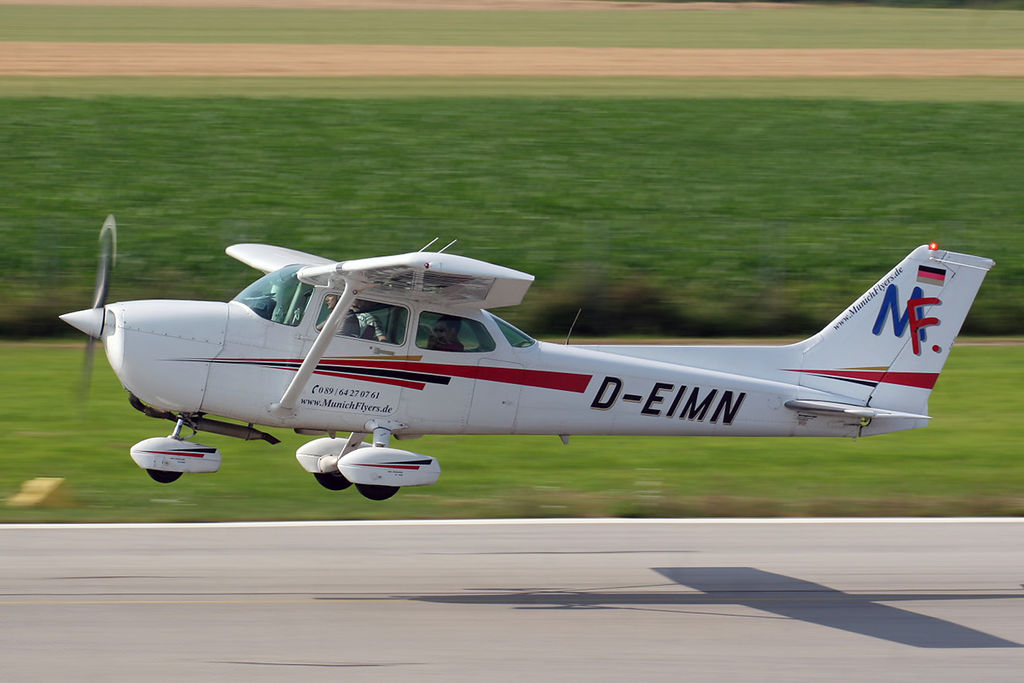
The Cessna 172, the most built airplane in history with over 45,000 made, has even flown nonstop for 64 days with midair refueling—a record that shows how versatile this little trainer can be.
From small trainers like the Cessna 172 to large wide-bodies like the 747 and 787, each aircraft teaches something new. Some are known as the easiest commercial aircraft to fly, while others not so much, but still happen to make it among the best plane to fly as a commercial pilot, and for good reason.
Learning about these differences helps new pilots see where their journey can lead in commercial aviation.
A commercial pilot is a professional who flies planes for pay. This includes flying people, goods, or even special missions. Pilots who earn this license can work for a small charter company, fly cargo, or become part of a large airline.
Unlike a private pilot, who flies for personal use, a commercial pilot’s work supports the world’s busy travel and shipping systems.
Every pilot builds skills through pilot training and structured flight training. A strong training program covers instruments, emergency drills, and how to manage different systems. For example, flying a Cessna for early practice helps prepare for bigger tasks later.
Commercial pilots take pride in moving from small trainers to modern jets. Their jobs link the world, and their daily work mixes skill, focus, and a love for aviation.
Not all planes fly the same. A commercial aircraft like the Boeing 737 feels very different from a small Cessna 172. Some planes respond quickly to the pilot’s controls. Others are heavy and need slower, smoother moves. That’s why the choice of airplane is important for a career.
Each plane builds skills in different ways. Learning on the right one at the right time makes a smoother path for every pilot.
The career path of a commercial pilot often begins with small planes and grows toward large jets. Many pilots start in a Cessna during early pilot training. Instructors use the Cessna 172 because it’s simple to handle and trusted worldwide.
After building hours, pilots often fly turboprop aircraft like the ATR. These planes connect small cities and give new pilots real airline experience. Multi-crew skills grow here, since pilots work with co-pilots and follow standard rules like those in an airline.
Next, pilots move to jets like the Boeing 737 or Airbus A320. These planes fly busy routes and help pilots build long-term careers. Later, the chance to fly a 747 or 787 becomes a proud step for many. These wide-bodies handle long routes across oceans, carrying hundreds of people at once.
Each step builds new skills:
The path is not limited to skill—it also builds confidence. A structured training program moves a pilot from basic handling to the demands of commercial aviation. Over time, a pilot learns how to manage weather, systems, and crew while flying safely around the world.
Flying as a professional pilot means working with a wide range of aircraft. Each one offers a different experience, and each one builds new skills. Some planes are small and simple. Others are large and advanced.
| Plane | Seats (Typical) | Main Use | Why Pilots Like It | Career Stage |
| Cessna 172 | 4 | Training, personal flying | Simple, steady, safe; perfect for building early skills and logging hours of flight time | Early training (private pilot license) |
| Cessna Caravan | 9–14 | Cargo, commuter, medical | Tough, dependable, certified for single-pilot work | First commercial jobs |
| Pilatus PC-12 | 6–10 | Business, charter, medevac | Smooth handling, modern avionics, short runway capable | Early turbine experience |
| ATR 72 | ~70 | Regional passenger flights | Efficient, reliable, airline-style operation | Entry-level regional airline work |
| Dash 8 Q400 | ~76 | Regional flights | Fast turboprop, jet-like handling | Strong step in regional jets experience |
| Embraer E175 | ~76 | Regional passenger flights | Modern design, smooth, widely used | First regional airline jet jobs |
| E190-E2 and E195-E2 | 97–132 | Regional/short-haul flights | Advanced systems, strong fuel efficiency, smooth ride | Transition to larger jets |
| Airbus A320 and Boeing 737 | 150–200 | Domestic & short international | High global demand, common type ratings | Entry to a major airline |
| Boeing 787 Dreamliner | 242–330 | Long-haul international | Modern cockpit, long-range, fuel efficient | Long-haul career step |
| Boeing 747 | 400+ | Long-haul passenger & cargo | Iconic, massive, challenging, respected | Senior-level flying with specialized flight training |
| Airbus A350 and Boeing 787 | 300+ | Global long-haul | Latest tech, comfort, efficiency | Peak of commercial aviation careers |
Here’s a further walk through 11 of the best planes to fly if you want to become a pilot and grow a strong career in aviation.
The Cessna 172 is one of the most common planes for learning to fly. It’s used in almost every flight training program around the world. Many people start their journey here before moving to bigger aircraft.
The 172 helps aspiring pilots build their early skills. With a private pilot license, a student can fly this plane for personal trips or training. It is known for being forgiving, which means it handles mistakes well while students learn. The plane also allows new pilots to log important hours of flight time that count toward advanced ratings.
The Caravan is a larger single-engine plane. It often flies cargo, small groups of passengers, or medical flights.
This airplane is often a first job for new commercial pilots. It offers steady work and helps pilots gain real-world experience in changing weather. Flying the Caravan builds confidence before moving into regional airline jobs.
The Pilatus PC-12 is a luxury turboprop that blends comfort with performance.
It gives aspiring pilots more complex systems to master. Flying the PC-12 requires specialized flight training, since it can handle both short runways and high-altitude airports. The plane also gives pilots valuable turbine experience, which is important for advancing toward jets.
The ATR 72 is a twin-engine turboprop. It is widely used for short regional routes.
Flying the ATR 72 gives pilots their first taste of larger regional jets operations, even though it’s a turboprop. It helps them adjust to multi-crew work, stricter schedules, and flying with passengers who depend on safe, on-time service.
The Q400 is a fast and powerful turboprop. It feels closer to flying a small jet.
Pilots gain real flight time in this airplane while working for a regional airline. The Q400 is also a good step for those who want to move into regional jets next. Its speed and size make it a challenging but rewarding aircraft for early-career pilots.
The Embraer E175 is one of the most popular regional jets in the United States.
Flying the E175 is often a pilot’s first major airline-style job, even if it is at a regional carrier. Pilots here work under airline rules, fly busy routes, and learn how to manage schedules. This jet is also very comfortable for passengers, making it a favorite in the market.
These new-generation jets are upgrades to the Embraer line.
Flying the E190-E2 and E195-E2 means working with newer avionics and better performance. Pilots gain experience on modern systems and benefit from the aircraft’s strong reputation for comfort and lower costs.
These two planes are the workhorses of the industry. Together, they make up the majority of short- and medium-haul flights around the world.
Flying the Airbus A320 and Boeing 737 is a big step for many. Pilots here are often part of a major airline, working on larger routes and earning higher pay. Because so many airlines use these models, there is always strong demand for pilots trained to fly them.
The 787 is a modern wide-body jet designed for long-haul flights.
Flying the 787 gives pilots experience with long-haul travel. It is part of the new generation of wide-bodies with strong fuel efficiency. Pilots flying the 787 also spend more time on intercontinental trips, which helps them gain valuable long-haul flight time.
The 747 is one of the most iconic wide-body planes.
Flying the 747 is a career highlight for many. It is larger and heavier than most jets, so it requires specialized flight training and many hours of flight time. Pilots who train on the 747 take pride in mastering one of the most important aircraft in modern history.
The Airbus A350 and Boeing 787 represent the future of long-haul airliners. Both planes focus on fuel savings, comfort, and advanced cockpit systems.
Flying these jets allows pilots to experience the best technology in commercial aviation. The A350 offers smooth handling and a large modern cockpit. The 787 is lighter and built for range. Together, they prepare pilots for the top level of airline flying.
These 11 aircraft cover every stage of a career. From the private pilot license in a Cessna 172 to the long-haul comfort of an A350, each plane supports the growth of a professional pilot. A pilot’s path depends on training, jobs, and a passion for aviation. By choosing the right aircraft at the right stage, every pilot can build a rewarding and exciting journey.
Flying as a commercial pilot is a journey full of learning, growth, and new challenges. From the simple Cessna 172 to the mighty 747 and advanced 787, each plane adds a new chapter to the story.
The best plane to fly as a commercial pilot depends on where you are in your career and what kind of flying you enjoy most.
Looking to carve your own path in aviation? Check out more resources and insights with Flying411 today!
It depends on the airline and type of aircraft. Regional pilots earn less, while wide-body jet pilots can earn very high salaries.
Most training programs take 1–2 years to reach commercial level, depending on how often a student flies.
Many pilots say the Cessna 172 is easiest for training, while the Airbus A320 is considered pilot-friendly among larger jets.
Large aircraft like the Boeing 747 are often mentioned as harder to land due to weight and runway needs.
Yes, once trained, pilots usually stick to one aircraft type until they complete new training for a different model.
