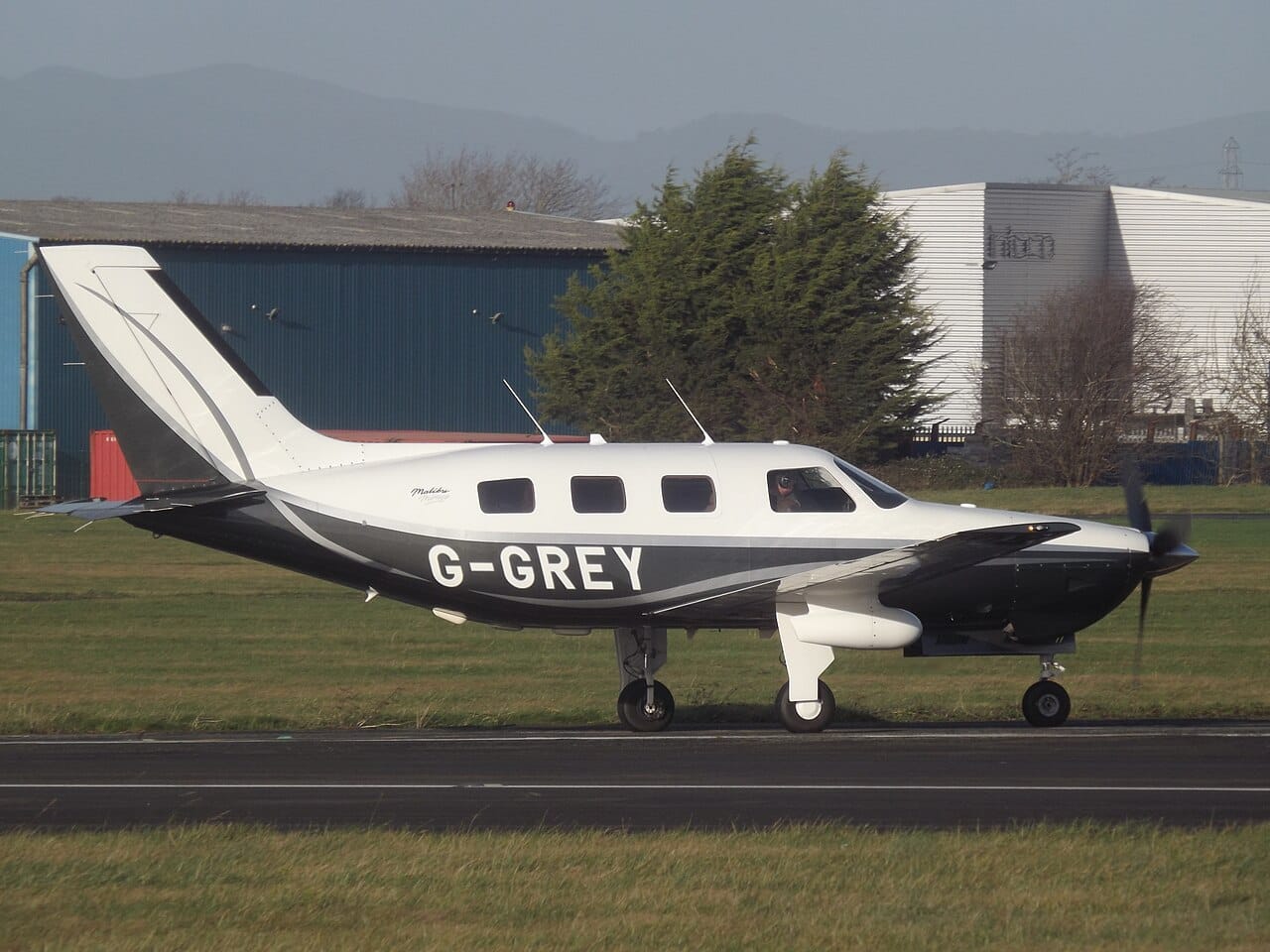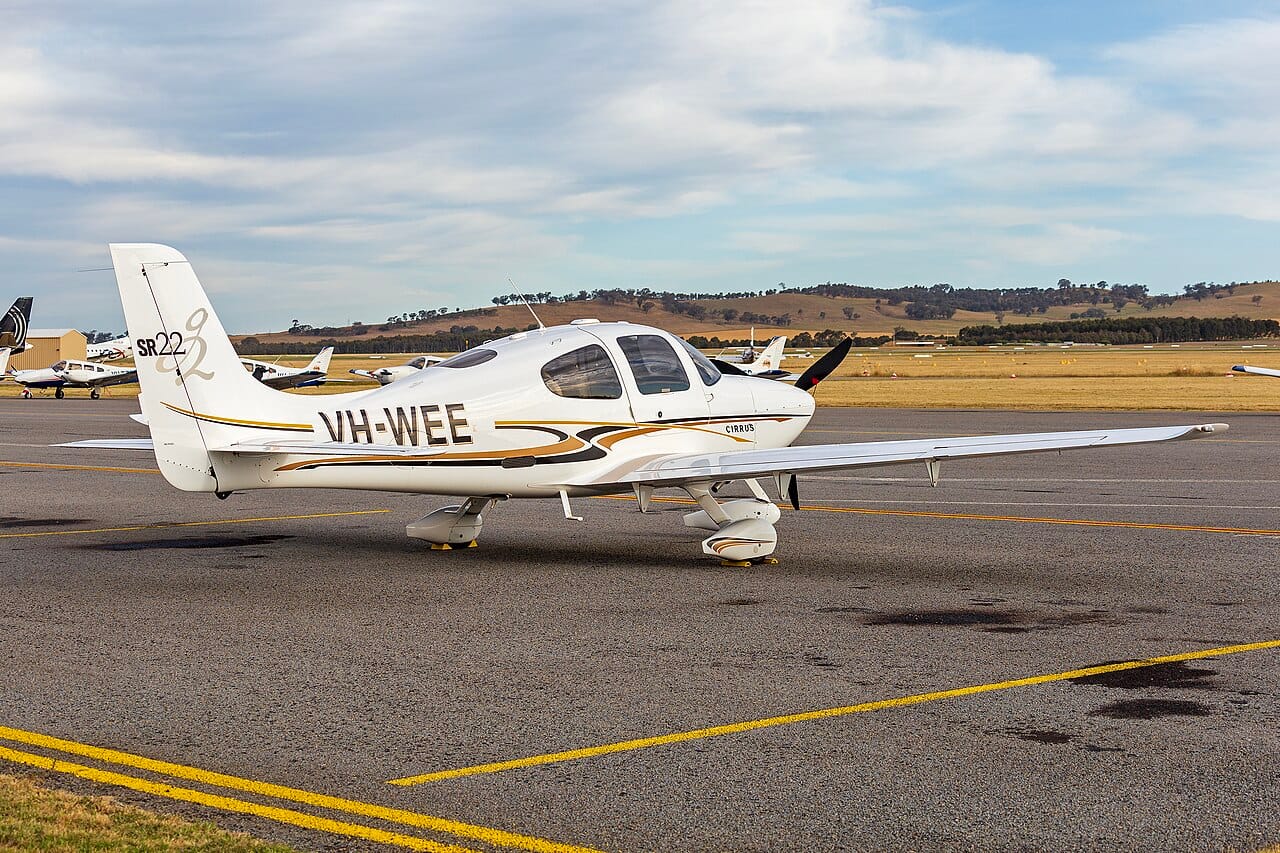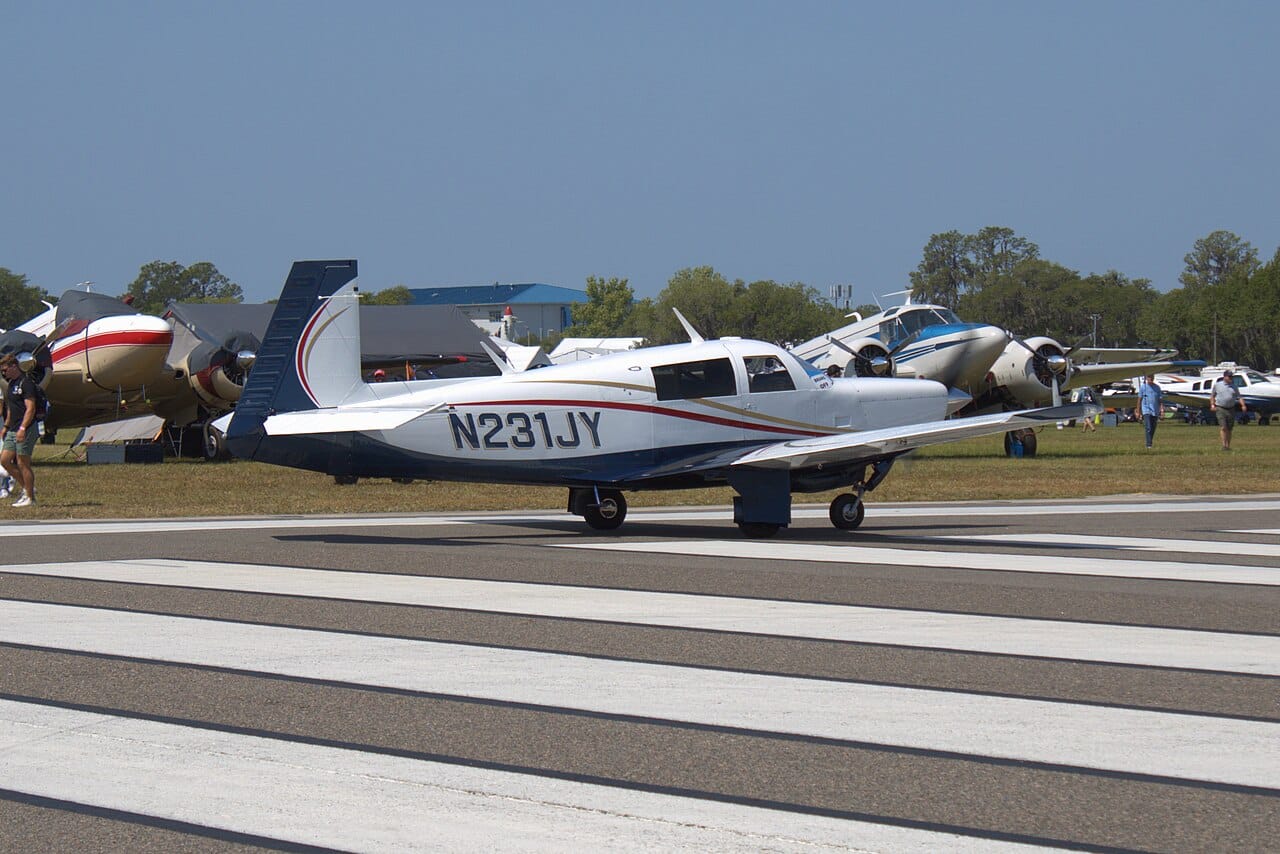
The Mooney M20K 231, 252, and Encore share the same basic turbocharged airframe, but they can be very different airplanes to own. The biggest differences are under the cowling: engine variant, turbocharger control, intercooling, cooling improvements, electrical system, and useful load all affect how much the airplane costs to operate and how demanding it is to fly.
The 231 is generally the least expensive way into the M20K family, while the 252 improves engine management and high-altitude performance with an automatic wastegate, factory intercooler, revised cooling, and a 28-volt electrical system. The Encore adds 220 horsepower and a 3,130-pound gross weight, making useful load one of its biggest advantages.
This guide compares the three from a buyer's perspective, including engine differences, overhaul costs, structural and turbo-system inspection points, and how much engine time should influence the price you are willing to pay.
Key Takeaways
The 231 is the bargain entry point and the one most likely to bite you, because its early TSIO-360-GB engine ran hot, its wastegate is manual, and no intercooler came from the factory. The 252 fixed nearly all of that with an automatic wastegate, a factory intercooler, better cooling and a 28-volt electrical system, and it is the sweet spot for most buyers who plan to fly high regularly. The Encore adds 10 horsepower and, more importantly, a gross weight increase to 3,130 pounds plus a 2,000-hour TBO, but very few were built and they command a strong premium. Once you add a realistic engine reserve, the three airplanes converge far more than their asking prices suggest, and a 252 with 400 hours since overhaul is frequently cheaper to own over five years than a 231 with 1,500 hours on a tired -GB. Buy the engine and the exhaust system first; the airframe is the easy part.
| Model | M20K 231 | M20K 252 TSE | M20K Encore |
| Production years | 1979–1985 | 1986–1990 | 1997–1998 (plus STC conversion) |
| Engine | Continental TSIO-360-GB, later -LB, 210 hp | Continental TSIO-360-MB, 210 hp | Continental TSIO-360-SB, 220 hp |
| Wastegate | Fixed wastegate; pilot manages manifold pressure with the throttle | Automatic | Automatic |
| Intercooler | Aftermarket STC only | Factory | Factory |
| Electrical system | 14 volt | 28 volt | 28 volt |
| Published TBO | Verify by engine model and serial number; current Continental guidance lists many TSIO-360-GB/LB engines at up to 2,000 hr / 12 yr | Current Continental specification: 2,000 hr / 12 yr for the TSIO-360-MB | Current Continental specification: 2,000 hr / 12 yr for the TSIO-360-SB |
| Max gross weight | 2,900 lb | 2,900 lb | 3,130 lb |
| Usable fuel | 75.6 gal | 75.6 gal | 75.6 gal |
| Certified ceiling | 24,000 ft | 28,000 ft | mid-20s (see POH) |
| Typical high cruise | ~185–195 KTAS | ~195–210 KTAS | ~200–215 KTAS |
| Relative supply | Common | Scarce | Rare |
Fun Fact: The model names are marketing arithmetic in miles per hour. The 231 was advertised at 231 mph top speed, the 252 at 252 mph. Convert those and you get roughly 201 and 219 knots — which is also where the M20J "201" got its name.
What Actually Changed Between the Three
The 231: the right idea, executed early
Mooney launched the M20K in 1979 by stretching the 201 airframe slightly and hanging a turbocharged Continental TSIO-360 on the front. On paper it was exactly what the market wanted: a four-place retractable that could climb into the low flight levels, clear weather and terrain, and true out near 200 knots.
In practice, the early airplanes were demanding. The first engines were the TSIO-360-GB, and they ran hot. The wastegate was fixed, which means the pilot manages boost with the throttle and has to stay ahead of the airplane during climb and descent. There was no intercooler, so induction air arrived at the cylinders already heated by compression. Add a cowling that did not move enough air through the baffles, and you get the reputation the 231 still carries: cracked cylinders, burned valves and engines that rarely reach the book 1,800-hour TBO.
Continental addressed a lot of it with the TSIO-360-LB, which became standard on later 231s and was retrofitted to many earlier ones. If you are shopping 231s, the engine dash number in the logbook matters more than the airframe year. A late 231 with an -LB, an aftermarket intercooler, tight baffling and a good multi-probe engine monitor is a genuinely usable airplane. An untouched early -GB with original baffles is a project with wings.
Heads Up: A 231 that has never had an intercooler installed is not automatically a bad airplane, but it is an airplane whose previous owners either flew it conservatively or cooked it. The engine monitor download and the cylinder history in the logs will tell you which.
The 252: the version Mooney should have built first
The 252 TSE arrived in 1986 and reads like a list of answers to every 231 complaint. The TSIO-360-MB brought an automatic wastegate, so boost is managed for you and the engine is far harder to abuse. A factory intercooler dropped induction temperatures. The cowling, baffling and cooling airflow were reworked. Gear doors were tightened up for less drag. The electrical system went to 28 volts. Certified ceiling moved up to 28,000 feet.
The result is an airplane that does what the 231 promised, with far less pilot workload. Owners routinely report 195 to 210 knots true in the mid-20s on about 11 gallons an hour, and cylinder temperatures that stay where you want them without constant nursing. It is also the version most likely to actually make TBO, which is the whole argument of this article in one sentence.
The catch is supply. Mooney built the 252 for only five model years and in far smaller numbers than the 231. Clean examples do not sit long, and sellers know exactly what they have.
Flying411 keeps turbocharged Mooney listings in one place, so you can compare a 231 with a fresh intercooler against a 252 with mid-time cylinders without opening six tabs.
The Encore: more weight, more TBO, fewer airplanes
The Encore came late, in 1997 and 1998, after Mooney had moved on to the longer M20M and M20R. It uses the TSIO-360-SB rated at 220 horsepower, and Continental currently lists the TSIO-360-SB at 2,000 hours or 12 years, but the 2,000-hour figure is no longer unique to the Encore; current Continental guidance also lists the TSIO-360-LB and MB at 2,000 hours. The bigger change for owners is structural: maximum gross weight went to 3,130 pounds, roughly 230 pounds above the 231 and 252.
That matters more than the extra 10 horsepower. The M20K has always been a fast airplane with a modest cabin load once the tanks are full. Adding 230 pounds of gross weight turns "two adults, bags and full fuel" into "three adults, bags and full fuel" on a lot of missions. Mooney provided an approved factory conversion path for eligible 252s to Encore specification, including the TSIO-360-SB installation and the 3,130-pound gross-weight increase. Buyers should verify the exact approved data, logbook entries, and configuration for any converted aircraft.
Very few Encores were built. Expect a meaningful price premium and expect to travel to buy one.
Why It Matters: Gross weight increases are the single hardest thing to add to a used airplane after the fact. Avionics can be upgraded, paint can be sprayed, engines can be overhauled. A higher useful load either came with the airplane or it did not.
The TSIO-360 Overhaul: What It Really Costs
Why the engine number is bigger than you think
Buyers price "the overhaul" and then get a rude surprise, because the engine itself is only part of the invoice. On a turbocharged Mooney, an honest budget has to include the turbocharger, the wastegate and controller, the exhaust system, the intercooler on the 252 and Encore, hoses, baffles, the engine mount, the propeller and governor, and the labor to put it all back together and sort out the first few hours of squawks.
The exhaust system in particular is where turbo airplanes separate themselves from normally aspirated ones. Everything downstream of the cylinders runs hotter and is welded stainless, and slip joints and V-band couplings wear. Shops that specialize in these airframes will tell you that a full exhaust and turbo system refresh is a five-figure line item on its own.
| Line item | Typical budget range |
| Engine overhaul or exchange (field or factory) | $45,000 – $75,000+ |
| Turbocharger overhaul/exchange | $3,000 – $7,000 |
| Exhaust system repair or replacement | $6,000 – $15,000 |
| Wastegate, controller, hoses, baffles | $2,000 – $6,000 |
| Propeller overhaul and governor | $5,000 – $9,000 |
| Removal, installation, test, break-in squawks | $6,000 – $12,000 |
| Realistic all-in | $70,000 – $95,000 |
Treat those as planning ranges, not quotes. Shop rates, parts availability and how much of the accessory package you choose to replace rather than repair will move the total significantly. Get written quotes from two shops that know the M20K before you commit to a purchase price.
Keep in Mind: An engine "at TBO" and an engine "needing overhaul" are not the same thing, and neither is a legal condition for a Part 91 owner. TBO is a manufacturer recommendation. Compression, oil analysis trend, oil consumption, borescope results and the engine monitor history are what actually tell you how much life is left.
Turning the overhaul into an hourly number
The cleanest way to compare the three airplanes is to convert the overhaul into a per-hour reserve, the way an operator would. Divide the all-in cost by the hours you expect to get. Here is the arithmetic using a mid-range $78,000 all-in figure:
| Model | Expected hours | All-in engine cost | Reserve per hour |
| 231 (-GB, no intercooler) | 1,200–1,500 realistic | $78,000 | $52 – $65 |
| 231 (-LB, intercooled, good baffling) | 1,600–1,800 | $78,000 | $43 – $49 |
| 252 (-MB) | 1,800 | $78,000 | ~$43 |
| Encore (-SB) | 2,000 | $78,000 | ~$39 |
Look at what that does to the story. Across 100 hours a year, the gap between a hard-run 231 and an Encore is roughly $2,000 to $2,500 annually in engine reserve alone. That is real money, but it is not the $150,000 gap you see in asking prices. The engine reserve narrows the field; it does not close it.
Where the 231 genuinely loses is in unscheduled cylinder work between overhauls. A set of six new cylinders on a TSIO-360 is a serious bill, and an airplane that eats a cylinder every few hundred hours will quietly outspend the reserve table above. That is the cost line buyers consistently underestimate.
Pro Tip: Ask the seller for the engine monitor data, not just the logbooks. A year of downloaded flight data showing peak CHTs, climb profiles and how the previous owner leaned is worth more than any verbal assurance about how gently the airplane was flown.
Flying411 gathers spec sheets, engine times and equipment lists in one place, so you can line up total time, time since overhaul and panel content across several Mooneys before you spend money on a pre-buy.
Purchase Price Plus Engine: The Number That Actually Matters
Run the five-year cost, not the sticker
Turbo Mooney prices move with the market, and anyone quoting you an exact figure in an article is guessing. What does not change is the relationship between them: 231s trade lowest, 252s trade meaningfully higher, and Encores sit at the top by a wide margin. Also unchanging is the fact that asking prices and closing prices are two different animals — we cover that gap in detail in asking price vs actual sale price for aircraft.
The useful exercise is to add the purchase price to the engine work you will pay for within your ownership window. A 231 at a low price with 1,400 hours on an -LB is an airplane where you will likely fund most of an overhaul yourself. A 252 at a higher price with 300 hours since a documented overhaul is an airplane where the previous owner already wrote that check. Add both columns and the ranking often flips.
| Scenario | What you pay up front | Engine spend in 5 years at 100 hr/yr |
| 231, 1,400 SMOH, no intercooler | Lowest | Full overhaul plus likely cylinder work |
| 231, 600 SMOH, intercooled, -LB | Low-to-mid | Little or none, if flown and monitored well |
| 252, 900 SMOH | Mid | Possibly a top-end or partial; overhaul likely just past year five |
| 252 or Encore, 300 SMOH | Highest | Routine maintenance only |
This is the same logic that applies one rung down the Mooney ladder. If you have been weighing a normally aspirated airframe against a turbo, our Mooney M20F buyer's guide and M20J cost comparison walks through the cheaper end of the family, and the trade-offs there are structurally identical: cheaper airplane, more of the maintenance bill still ahead of you. The broader case for buying used rather than new is laid out in top 10 benefits of buying a used plane.
Good to Know: Turbocharged airplanes generally carry higher insurance premiums than their normally aspirated siblings, and insurers care a great deal about retractable-gear and high-altitude experience. Get a quote before you sign a purchase agreement, not after — a low-time pilot's premium on an M20K can change the whole ownership budget.
Pre-Buy Priorities Specific to a Turbo Mooney
What the inspector should spend the most time on
A generic pre-buy on an M20K misses the things that cost the most. Point your inspector at these:
The exhaust and turbo system. Every slip joint, V-band, and weld. Cracks here are both expensive and dangerous, because a leak in a turbo exhaust puts hot gas where it does not belong. Borescope the turbine housing and check the turbo for shaft play and coking.
Cylinder history. Not just today's compressions — the logbook pattern. Six cylinders replaced at 700 hours tells you the engine ran hot. Ask when, why, and by whom.
Baffling and cooling. Hard, cracked or missing baffle seals are the leading cause of the 231's reputation, and they are cheap to fix and easy to overlook.
Corrosion in the steel tube cage. Mooneys use a welded steel tube cabin structure. It is strong, and it rusts if the airplane sat outside in a wet climate with a leaking windshield. This is a walk-away item if it is bad.
Fuel tanks. Mooney wet wings seep. Resealing is a known, budgetable job, but it is a job. Look for staining on the lower wing skin.
Landing gear and shock discs. The rubber shock discs are a scheduled replacement item and a common deferred-maintenance find.
Logbook completeness. Verify the airframe and engine records against the FAA registry and run a current airworthiness directive search against the serial numbers. The M20 series sits on FAA type certificate data sheet 2A3, and a good shop will cross-check the airplane's configuration against it. Our guide to reading aircraft maintenance records covers what a complete set looks like.
Quick Tip: Have the pre-buy done by a shop that works on turbocharged Mooneys specifically, not the shop that maintains the airplane now and not the closest one to the seller. The Mooney type clubs maintain lists of qualified shops, and the few hundred dollars in ferry cost is the cheapest insurance in the transaction.
Conversions: The Fourth and Fifth Options
231 to 262, 252 to Encore, and the Rocket
Because the 231's weaknesses were so well known, the aftermarket built solutions. Three are worth knowing about when you read listings:
The 262 conversion. An STC that brings a 231 up to essentially 252 specification, including the intercooled, automatically wastegated TSIO-360-MB engine. A converted 231 marketed as a "262" can be an excellent value — you get the good engine on a cheaper airframe. Verify the STC paperwork and the 337s are all present and correctly filed.
The Encore conversion. Mooney provided an approved conversion path to bring eligible 252s to Encore specification, including the 220-hp TSIO-360-SB and the 3,130-pound gross-weight configuration.
The Rocket. Rocket Engineering's conversion replaces the TSIO-360 entirely with a 305-horsepower Continental TSIO-520. It is a different airplane — dramatically faster in the climb, thirstier, and with its own overhaul economics closer to the big-bore Continentals. If you find yourself drawn to that, our comparison of the Continental IO-550 vs TSIO-550 explains how turbocharged big-bore costs behave.
Heads Up: A conversion is only as good as its paperwork. Ask for the STC document, the flight manual supplement and the completed FAA Form 337 for every modification. Missing supplements turn into airworthiness problems at the worst possible time, and they are a favorite discovery of the next buyer's pre-buy inspector.
So Which One Is the Smarter Buy?
Match the airplane to how you will actually fly
If you fly 50 to 75 hours a year, mostly below 12,000 feet, and you want the fastest four-place retractable your budget allows, a well-sorted 231 with an -LB engine, an intercooler STC and a modern engine monitor is hard to beat on dollars per knot. You will not use the turbo's full capability often enough to justify paying 252 money.
If you fly 100 or more hours a year on real cross-country trips, plan to spend time in the high teens and low 20s, and want an airplane that tolerates a busy pilot, buy the 252. The automatic wastegate and factory intercooler are not luxuries at that usage level; they are what keeps the engine alive. Most buyers who can stretch to a 252 should.
If you need the useful load — three adults with bags, or two adults plus known-ice equipment and full fuel — the Encore is the only one of the three that answers. Pay the premium, accept the thin supply, and be prepared to look nationally.
And if the airplane you find has 200 hours since a documented overhaul with fresh cylinders, good exhaust and a clean engine monitor download, buy that one regardless of which badge is on the cowl. Condition beats model designation in this family every single time.
Fun Fact: Think of the TSIO-360 the way you would the transmission in a used car that costs $18,000. The transmission is a $9,000 job. Nobody shops that car on paint color — they shop it on whether the transmission was done. Turbocharged Mooneys work exactly the same way.
Flying411 pulls M20K listings, engine times and avionics details into one searchable place, so you can sort by time since overhaul instead of guessing from a sales blurb.
Panel and avionics: worth paying for, not worth overpaying for
One practical note on the 14-volt versus 28-volt split. The 231's 14-volt system does not prevent a modern panel, but some equipment choices and some de-ice options are easier on 28 volts, and a conversion is neither cheap nor common. If you are budgeting a panel refresh, factor that in early.
More broadly, resist paying full retail for someone else's avionics. Installed glass adds real value and real utility, but it rarely returns dollar for dollar at resale — a pattern we broke down in which avionics upgrades actually increase price. A great engine with an average panel is almost always a better buy than a great panel with a tired engine.
If engine families in general are new territory for you, our side-by-side on the Continental IO-360 vs Lycoming IO-360 is useful background — the Continental 360 is a six-cylinder engine, not a four, and that alone explains a lot about how it sounds, runs and costs.
Conclusion
The honest answer to the Mooney M20K 231 vs 252 vs Encore question is that you are not really choosing between three airplanes. You are choosing between three engine situations wrapped in nearly identical airframes. The 252 is the best engineering of the three for the money, the Encore is the best airplane if you need the weight and can find one, and the 231 is the right call only when you buy a specific, well-documented example — late serial, -LB engine, intercooled, tight baffles, honest engine monitor data.
Price the overhaul before you price the airplane. Get two quotes from shops that know turbocharged Mooneys, add the exhaust and turbo work, and hold that number next to the asking price. Do that, and the airplane that looked expensive on day one is frequently the cheapest one on day 1,800.
When you are ready to compare listings, visitFlying411and see what is on the market today.
Frequently Asked Questions
Is the Mooney 231 really that bad?
No — but it is unforgiving of neglect and of sloppy engine handling. The early TSIO-360-GB ran hot and the fixed wastegate puts boost management on the pilot. A late 231 with the improved -LB engine, an intercooler STC, good baffling and a multi-probe engine monitor is a capable, fast airplane. The difference between a good 231 and a bad one is larger than the difference between an average 231 and an average 252.
What does a TSIO-360 overhaul cost?
The engine alone typically runs in the $45,000 to $75,000 range depending on whether you choose a field overhaul, an exchange or a factory unit. Once you add the turbocharger, exhaust system, wastegate and controller, hoses, baffles, propeller and governor, plus removal and installation labor, a realistic all-in budget is roughly $70,000 to $95,000. Get written quotes; these figures move with shop rates and parts availability.
Do these engines actually make TBO?
Continental's current guidance should be checked by exact engine model and serial number. Its current 360-series specification data lists the TSIO-360-LB, -MB and -SB at 2,000 hours or 12 years, while older engines may have different applicable intervals, and TBO is a recommendation rather than a legal limit for Part 91 owners. In practice, 252 and Encore engines reach or approach published TBO regularly when flown often and monitored. Early 231s frequently did not, mostly because of heat. Flying the airplane regularly matters more than almost anything else — engines that sit corrode from the inside.
Is a converted 231 (a "262") as good as a real 252?
Mechanically it is very close, because the conversion installs the same intercooled, automatically wastegated engine. What you do not get is the 252's 28-volt electrical system and every airframe refinement. A properly documented 262 conversion can be excellent value; just verify the STC paperwork, flight manual supplements and FAA Form 337s are all present.
How many people can an M20K actually carry?
With 75.6 gallons of usable fuel aboard, a 231 or 252 is realistically a two-adults-plus-bags airplane, sometimes three with reduced fuel. The Encore's 3,130-pound gross weight adds roughly 230 pounds and genuinely changes that math. Always run the weight and balance for the specific serial number — empty weights vary widely with equipment.
What should I budget per hour to own one?
Engine reserve alone runs roughly $39 to $65 per hour depending on the variant and how long the engine lasts. On top of that, plan for fuel at 10 to 12 gallons per hour in cruise, an annual inspection that reflects retractable gear and a turbo system, insurance that reflects both, hangar, and a separate reserve for the propeller and avionics. Build the budget before you buy, not after the first annual.