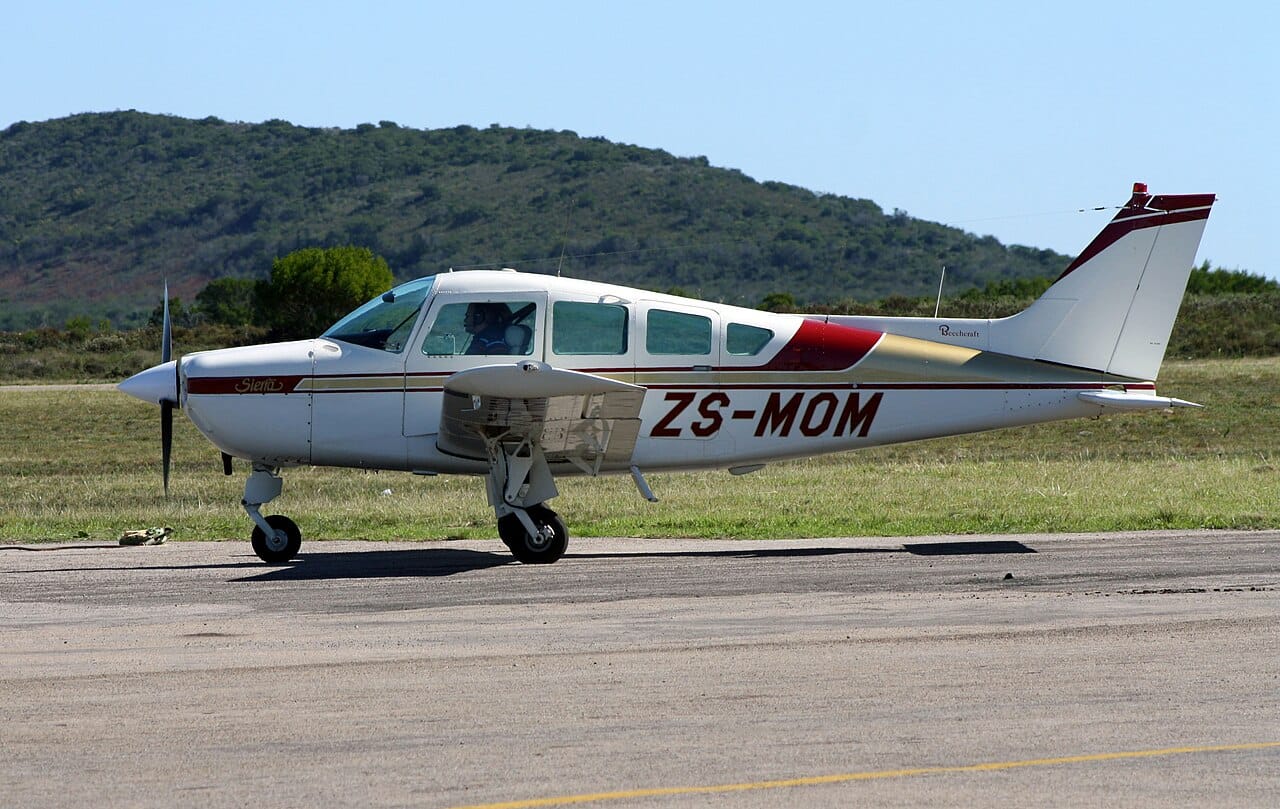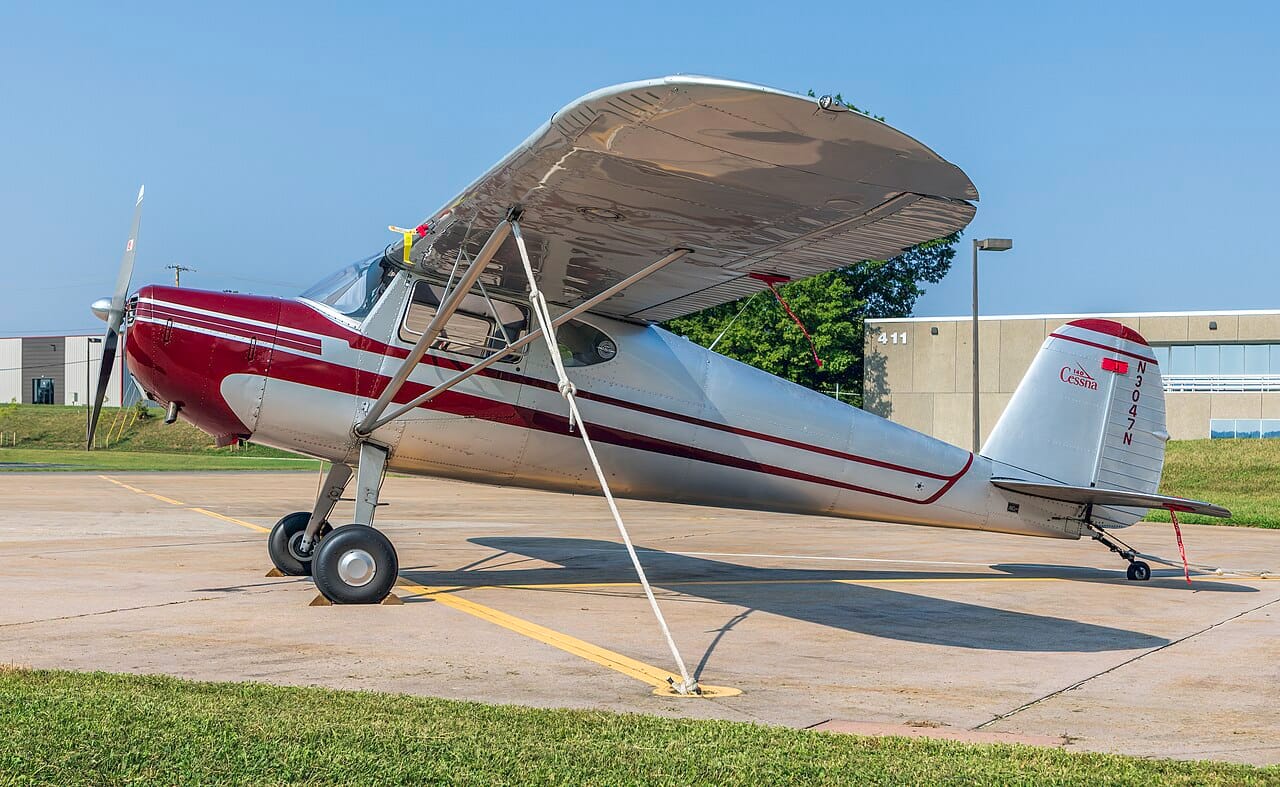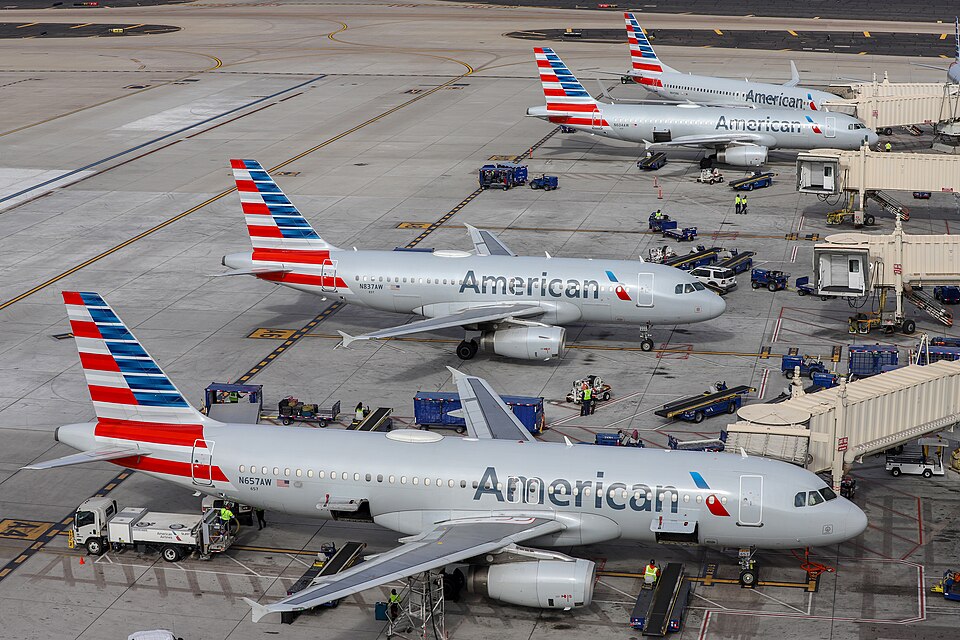
Every year, pilots and aircraft buyers bring aircraft into the United States from countries all over the world. That makes sense when you consider the scale of what they are joining. The FAA counted 272,808 registered general aviation aircraft in the United States in 2023and the US fleet accounts for nearly half of all general aviation aircraft registered worldwide.No other country comes close. The N-register is, by a wide margin, the most active civil aviation registry on the planet.
Some buyers are chasing a deal they found overseas. Others are bringing back an aircraft they operated abroad. Whatever the reason, the process is more involved than most people expect.
An aircraft import is not a single form you fill out and send in. It involves two separate government agencies, several required documents, and an inspection by a federally authorized representative. Get any part of it wrong, and your aircraft could sit on the ground for months.
The good news is that once you understand how the process works, it becomes much easier to manage. You just need to know who handles what, what documents you need, and in what order things happen.
The sections ahead break down each part of the process clearly. You will learn about registration, airworthiness certification, customs clearance, and the agreements between countries that affect how smooth or difficult your import will be.
Key Takeaways
Importing an aircraft to the US requires two separate government processes. First, you clear customs through US Customs and Border Protection (CBP). Then, you register the aircraft with the FAA and get a US airworthiness certificate. Both steps are required before you can legally fly your aircraft in the United States.
| Step | What Happens | Agency Involved |
| 1. Clear Customs | Aircraft enters the US legally | CBP (DHS) |
| 2. De-register Abroad | Foreign registration is cancelled | Foreign CAA |
| 3. FAA Registration | Aircraft gets a US N-number | FAA |
| 4. Hire a DAR | Aircraft is inspected for airworthiness | FAA Designee |
| 5. Airworthiness Certificate | Aircraft is cleared to fly in the US | FAA |
Two Government Agencies Are Involved — Not Just the FAA
Most pilots assume the FAA, or Federal Aviation Administration, handles everything when it comes to importing an aircraft. That is a very common mistake, and it can cause serious problems if you act on that assumption.
The truth is that two separate government agencies are involved in the aircraft import process, and each one handles a different part of it.
The first agency is US Customs and Border Protection (CBP). CBP is part of the Department of Homeland Security. It is responsible for controlling what enters the United States, and that includes aircraft. Before your aircraft can be legally sold or registered in the US, it needs to be properly imported through CBP.
Here is where people run into trouble. Some sellers bring a foreign-registered aircraft into the US and tell CBP it is arriving for maintenance purposes. But if the real intent is to sell that aircraft, that statement is false. CBP takes that seriously. If they find out, they can impose fines and penalties. As a buyer, you need to ask the seller for proof that the aircraft was properly imported before the sale closes. If you take ownership without that proof, the liability transfers to you.
The second agency is the FAA. The FAA handles aircraft registration and airworthiness certification. Once the aircraft has cleared customs, you register it with the FAA and go through the process of getting a US airworthiness certificate. This confirms that the aircraft meets US safety standards and is cleared to fly.
These two processes are completely independent of each other. Clearing customs does not mean your aircraft is registered. Getting registered does not mean you have an airworthiness certificate. All three things need to happen, and in the right order.
Here is a simple breakdown of who handles what:
- CBP — handles the customs import at the first US airport of arrival
- FAA — handles aircraft registration and the airworthiness certificate
- Foreign CAA — the civil aviation authority of the country the aircraft is leaving must de-register the aircraft before FAA registration can happen
Many buyers only focus on the FAA side of things. By the time they find out CBP was part of the process too, they are already dealing with delays or legal issues. Getting a customs broker involved early is a smart move, especially for high-value aircraft.
Your Aircraft Must Qualify Before Anything Else
Before you start filing paperwork, you need to confirm that the aircraft actually qualifies to be registered in the United States. Not every aircraft does, and not every buyer does either.
Ownership eligibility comes first.
Under 14 CFR Part 47, only certain people and entities can register an aircraft with the FAA. The rules are straightforward:
- US citizens can register an aircraft in their name
- Resident aliens (green card holders) can register an aircraft
- US-based corporations can register an aircraft, even if they are not US citizens, as long as the company is organized and doing business under US or state law, and the aircraft is based and primarily used in the US
Foreign nationals who do not hold permanent resident status cannot directly register an aircraft with the FAA. One common workaround is a voting trust, where a US trustee holds legal title. This is a legitimate structure, but it needs to be set up correctly. If the voting trust ever drops below 75% US citizen control, the registration becomes invalid.
The aircraft itself must also meet certain conditions.
The aircraft cannot be currently registered under the laws of another country. De-registration from the foreign aircraft registry must happen before or at the same time as FAA registration is completed. Dual registration is not allowed.
You also need to establish clear ownership.
The FAA requires a bill of sale as proof that you legally own the aircraft. This is typically done using AC Form 8050-2. The bill of sale must document every transfer of ownership from the manufacturer to the current buyer. If there are gaps in that chain of title, the aircraft registration application can be rejected.
Here is what you will need to submit:
- A completed aircraft registration application using AC form 8050-1
- A bill of sale or equivalent ownership document
- Proof of US citizenship or eligible status
- The applicable registration fee
One more important condition: the aircraft must not be currently registered in a foreign country at the time the FAA processes your registration application. This is why the de-registration step matters so much. If the foreign registration is still active, your US application cannot be approved.
Getting these eligibility boxes checked before you close the deal saves a lot of time and money later.
Bilateral Agreements Decide How Easy Your Import Will Be
Here is something that surprises a lot of buyers: where your aircraft was manufactured plays a huge role in how complicated the import process will be.
The United States has formal aviation agreements with dozens of countries. These are called Bilateral Aviation Safety Agreements, or BASAs, and they include Implementation Procedures for Airworthiness (IPAs). These agreements allow the FAA and a foreign country's civil aviation authority to recognize each other's safety certifications. That means if your aircraft comes from a country that has one of these agreements with the US, the import process is much smoother.
Why bilateral agreements matter for you as a buyer:
If the country the aircraft is coming from has a BASA with the US, the foreign CAA can issue an export certificate of airworthiness. This document certifies that the aircraft conforms to its US type design and is in a condition for safe operation. When the FAA receives this certificate, they accept it as strong evidence that the aircraft meets US standards.
That matters a lot. With a valid export certificate of airworthiness, the designated airworthiness representative reviewing your aircraft has a much clearer path to issuing your US airworthiness certificate.
Without a bilateral agreement, or without a valid export certificate, the process gets harder. The FAA will require a full inspection equivalent to a 100-hour inspection, and conformity with the US type design must be demonstrated through records and physical inspection alone.
Key bilateral partners for the US include:
- European Union Aviation Safety Agency (EASA) — covers most of Europe
- Transport Canada Civil Aviation (TCCA)
- UK Civil Aviation Authority (CAA)
- Civil Aviation Safety Authority of Australia (CASA)
- Brazil's ANAC
- Japan's JCAB
One important note about EU aircraft: some lower-risk aircraft types are not covered under the main US-EU Safety Agreement. Instead, they fall under individual agreements between the FAA and each EU member state. If your aircraft is one of these, you need to check with the specific country's aviation authority, not just EASA.
What to do before you buy:
- Confirm the country of manufacture has a BASA with the US
- Ask whether the exporting CAA will issue an export certificate of airworthiness
- Find out if the aircraft has any foreign modifications that could block US certification
- Check the full list of bilateral agreements at faa.gov before committing to a purchase
The country of origin is not just background information. It is one of the most important factors in how long and how expensive your import will be. Knowing this before you sign anything puts you in a much stronger position.
How to Import an Aircraft to the US and Get It Certified to Fly
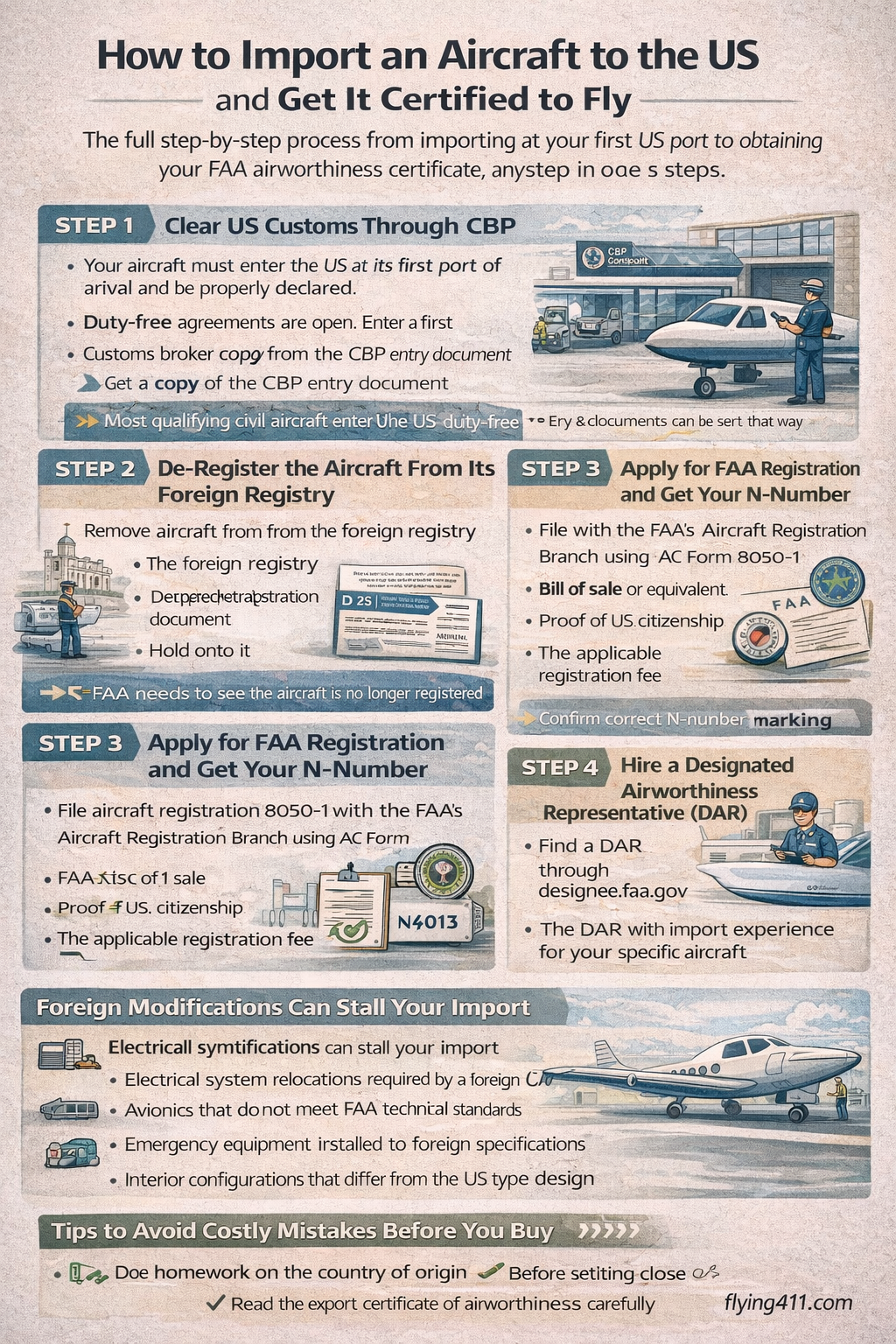
Now that you understand the foundation, here is how the full process works from start to finish. Each step builds on the last, so order matters.
Step 1: Clear US Customs Through CBP
Your aircraft must enter the US at its first port of arrival and be properly declared to CBP. The seller should declare the aircraft as being imported for sale, not for maintenance only. Ask the seller for a copy of the CBP entry documents before closing. This protects you as the buyer.
Most qualifying civil aircraft enter the US duty-free under the Civil Aircraft Agreement. To claim duty-free status, the importer must certify that the aircraft is imported for civil use and is approved by the FAA or a recognized foreign airworthiness authority. A customs broker can help you file this correctly.
Step 2: De-Register the Aircraft From Its Foreign Registry
The aircraft must be removed from the foreign country's civil aviation aircraft registry before or alongside the FAA registration process. The foreign CAA will issue a de-registration document confirming this. Hold on to this document. The Federal Aviation Administration will need to know the aircraft is no longer registered abroad.
Step 3: Apply for FAA Registration and Get Your N-Number
As the new aircraft owner, you file the following with the FAA's Aircraft Registration Branch in Oklahoma City:
- A completed aircraft registration application using AC form 8050-1
- A bill of sale or equivalent chain of title documents using AC Form 8050-2
- Proof of US citizenship or eligible status
- The applicable registration fee
As of January 2025, the FAA now issues aircraft registration certificates electronically by email through the CARES system. This replaces the old process that took 7 to 10 business days by mail. Your N-number is assigned as part of this process. Before you fly, make sure your aircraft is marked correctly. If you want a full breakdown of how N-numbers work and what the marking rules require, check out Requirements for an Aircraft Registration Number and Tail Rules for everything you need to know.
Step 4: Hire a Designated Airworthiness Representative (DAR)
A designated airworthiness representative is a maintenance professional authorized by the FAA to perform airworthiness inspections and issue certificates on the FAA's behalf. Hiring a DAR before you close the deal is one of the smartest moves you can make. A pre-purchase DAR review can flag issues that would otherwise surprise you after the sale.
The DAR will inspect the aircraft and review its maintenance records to determine if it conforms to its US type design. You can find a DAR through the FAA's Designee Management System at designee.faa.gov.
Step 5: Obtain Your FAA Airworthiness Certificate
With a valid export certificate of airworthiness: The DAR reviews the export certificate and supporting records. If the aircraft conforms to its US type design and is in safe condition, the DAR issues a US airworthiness certificate.
Without a valid export certificate of airworthiness: The FAA requires an inspection equal to a 100-hour inspection, performed by a qualified person. The DAR or FAA must then make an independent conformity finding before a certificate can be issued.
The airworthiness certificate stays with the aircraft for its lifetime and transfers with ownership. Once it is issued, your imported aircraft is legally cleared to fly in the United States.
Foreign Modifications Can Stall Your Import
One of the most overlooked problems in any aircraft import is foreign modifications. Many buyers do not find out about this until they are already deep into the transaction.
Here is the issue. When a US-designed aircraft operates in a foreign country, that country's aviation authority may require changes to the aircraft's configuration. These changes are approved under the foreign country's type design, not the US type design. When you try to bring that aircraft back to the US, the FAA will look at those modifications and ask whether they are approved under the US type certificate.
If they are not, you have a problem.
What kinds of modifications are we talking about?
- Electrical system relocations required by a foreign CAA
- Avionics that do not meet FAA technical standards
- Emergency equipment installed to foreign specifications
- Interior configurations that differ from the US type design
A real-world example: the Raytheon King Air B200 operated in the United Kingdom requires the electrical inverters to be moved out of the wings because UK regulations prohibit them near fuel lines. A US-configured King Air keeps the inverters in the wings. If you import a UK-operated King Air to the US without reversing that modification, it will not conform to the US type design. The fix may require a Supplemental Type Certificate (STC) or an extensive modification workscope that adds significant cost and time.
Before you buy, take these steps:
- Ask the seller for a complete list of modifications made during the aircraft's foreign operation
- Have a DAR review those modifications before purchase
- Check whether any of those modifications have a path to US approval
- Get a written estimate of what it will cost to bring the aircraft into US conformity
Some reputable MROs offer a Letter of Confidence. This document outlines exactly what work remains before the FAA will issue a US airworthiness certificate. It gives the buyer a clear picture of what the import will actually cost before money changes hands.
Foreign modifications can turn a good deal into a very expensive one. Catching this early is far cheaper than finding out after closing.
What Happens If Your Aircraft Needs a Ferry Flight First
Sometimes timing creates a challenge. The aircraft has been registered with the FAA and has a valid N-number, but it has not yet received its US airworthiness certificate. You need to move it to a maintenance facility so the required inspections or modifications can be completed. A Special Flight Permit covers exactly this situation.
A Special Flight Permit, also called a ferry permit, is issued under 14 CFR Part 21.197. It allows an aircraft that does not currently meet airworthiness requirements to make a specific, limited flight, as long as the aircraft is capable of safe flight. This is not a general operating permit. It covers one flight from a defined departure point to a defined destination, with any approved fuel stops along the way.
Common reasons a ferry permit is needed during an import:
- The aircraft needs modifications or repairs before it can receive a US airworthiness certificate
- The annual inspection has not yet been completed
- The aircraft needs to be relocated to a maintenance facility for conformity work
How to get a Special Flight Permit:
- Apply using FAA Form 8130-6 (Application for Airworthiness Certificate)
- Submit the application to the FSDO with jurisdiction over the departure location
- A DAR can also issue the permit in many cases
- An A&P mechanic or IA must inspect the aircraft and make a logbook entry confirming it is safe for the specific flight
The permit is typically valid for 10 days and is generally limited to daytime VFR conditions unless otherwise approved. It must be carried in the aircraft during the flight along with the current registration certificate.
A Special Flight Permit is not a substitute for an airworthiness certificate. It is a one-time authorization to move the aircraft to a place where the real work can get done.
Tips to Avoid Costly Mistakes Before You Buy
Most of the expensive surprises that buyers face during an import are preventable. Here are the most important things to do before you commit to purchasing and deciding to import an aircraft.
Do your homework on the country of origin.
Before anything else, confirm that the country of manufacture has a BASA with the US. If it does not, your path to a US airworthiness certificate will be much harder and more expensive. Check the FAA's bilateral agreements listing at faa.gov.
Get a DAR involved before the sale closes.
This is probably the single most important step. A pre-purchase DAR review can identify foreign modifications, documentation gaps, and conformity issues that would cost you significant money after the purchase. The DAR fee is small compared to what those surprises can cost.
Read the export certificate of airworthiness carefully.
Not all export certificates are equal. Read the actual text of the document. If it says the aircraft conforms to its US type design and is in safe condition, the FAA will accept it. If it does not say that, or if it is limited in scope, you may face additional inspection requirements.
Check the chain of title and look for liens.
The FAA requires a complete chain of ownership from manufacturer to current buyer. Any gap in that chain can delay or block your registration application. An AOPA title search can also reveal outstanding liens on the aircraft that the seller may not disclose.
Assemble your team early.
A successful import usually involves:
- An aviation attorney familiar with international aircraft transactions
- A customs broker experienced with aircraft entries
- A DAR with import experience for your specific aircraft type
- A trusted MRO if modifications are needed
Know the tax implications.
Most qualifying civil aircraft enter the US duty-free under the Civil Aircraft Agreement. But state sales and use taxes are a separate matter. Some states actively audit aircraft recently registered to their residents. Work with an aviation CPA to understand your exposure before the aircraft lands.
If you are working through a common general aviation type, the paperwork and cost picture becomes much more specific. Importing or Exporting a Cessna 172: Paperwork and Costs Explained walks through the real numbers and forms involved for one of the most popular aircraft in the world.
Taking the time to check these boxes before you sign anything will save you time, money, and headaches.
Conclusion
Importing an aircraft into the United States takes planning, patience, and the right team. It is not just a paperwork exercise. It is a legal process that involves customs clearance, FAA registration, and an airworthiness inspection, all in the right order.
The biggest mistakes happen when buyers focus only on one part of the process and miss the others. CBP gets overlooked. De-registration gets delayed. Foreign modifications cause surprise costs. A quick pre-purchase review by a DAR could have flagged all of it.
The process becomes much more manageable when you go in with a clear picture of what is required. Know your eligibility. Understand the bilateral agreement between the US and the country of origin. Get your documents in order early. And work with professionals who have done this before.
Flying411 covers the topics that matter most to aircraft owners and operators. Our guides are here to help you stay informed and fly with confidence.
FAQs
Can a non-US citizen import and operate an aircraft in the United States?
A non-US citizen who holds a green card (permanent resident alien) can register an aircraft with the FAA. Non-residents who do not hold permanent resident status cannot register directly but may use a US voting trust structure to hold legal title.
How long does the FAA aircraft import process typically take?
Timelines vary depending on the country of origin, document completeness, and whether modifications need to be addressed. With a bilateral agreement and a clean export certificate of airworthiness, the process can take a few weeks. Complex cases can take several months.
What happens to my aircraft's foreign registration when I import it to the US?
The aircraft must be de-registered from the foreign country's civil aviation authority before or during the FAA registration process. An aircraft cannot hold active registration in two countries at the same time under international aviation rules.
Do I need a customs broker to import an aircraft into the US?
You are not legally required to use a customs broker, but it is strongly recommended for high-value aircraft. A broker understands CBP entry requirements, can help you claim duty-free status under the Civil Aircraft Agreement, and reduces the risk of a costly customs error.
What is AC Form 8050-1 and when do I use it?
AC Form 8050-1 is the FAA's Aircraft Registration Application. You use it when applying to register an aircraft for the first time with the FAA, including during an import. It collects basic information about the aircraft and the owner and must be signed by the legal owner.