Every plane that flies in American skies needs its own special ID number. Think of it like a license plate for your car, but for airplanes. These numbers are painted right on the plane, usually on the tail, which is why people call them "tail numbers." The requirements for an aircraft registration number follow strict rules set by the government to keep flying safe for everyone.
The United States has more registered aircraft than any other country in the world. That's a lot of tail numbers to keep track of! Each one must be unique, and each one must follow the same basic rules.
If you own a plane or want to buy one, you need to know how these numbers work. The rules might seem confusing at first, but they make sense once you understand the reasons behind them. Let's start by looking at what these tail numbers really are and why they matter so much.
Key Takeaways
An aircraft registration number in the United States must start with the letter "N" and can have up to five more characters (letters or numbers). The FAA requires all planes to display this number in a specific size and location on the aircraft. To register an aircraft, you need to submit an aircraft registration application, pay a $5 fee, and show proof of ownership. The registration lasts seven years and must be renewed to stay current.
| Requirement | Details |
| Format | Must start with "N" + 1 to 5 characters |
| Characters Allowed | Numbers 1-9 and letters (except I and O) |
| Size on Plane | Usually 12 inches tall (3 inches for some small planes) |
| Location | Tail or fuselage sides between wing and horizontal stabilizer |
| Registration Cost | $5 for new registration or renewal |
| Duration | 7 years before renewal needed |
| Who Can Register | U.S. citizens, permanent residents, or qualifying companies |
| Documents Needed | Application form, bill of sale, registration fee |
What Is an Aircraft Tail Number?
A tail number is the official name given to every plane. It works like your airplane's personal ID card that everyone can see. You'll find these numbers painted on the outside of the plane, and they help people know exactly which plane is which.
In the United States, every tail number starts with the letter "N." This letter tells you right away that the plane comes from America. After the N, you'll see a mix of numbers and sometimes letters. Here are some examples:
- N12345 (just numbers)
- N1234Z (numbers with one letter)
- N123AB (numbers with two letters)
The aircraft can have different types of tail numbers, but they all follow the same basic pattern. Some people call these "N-numbers" because of that letter N at the start. Others call them "registration marks" or just registration numbers.
Where You Can Find Tail Numbers
You can spot tail numbers in a few different places on a plane:
- On the tail fin - This is the most common spot and the easiest to see
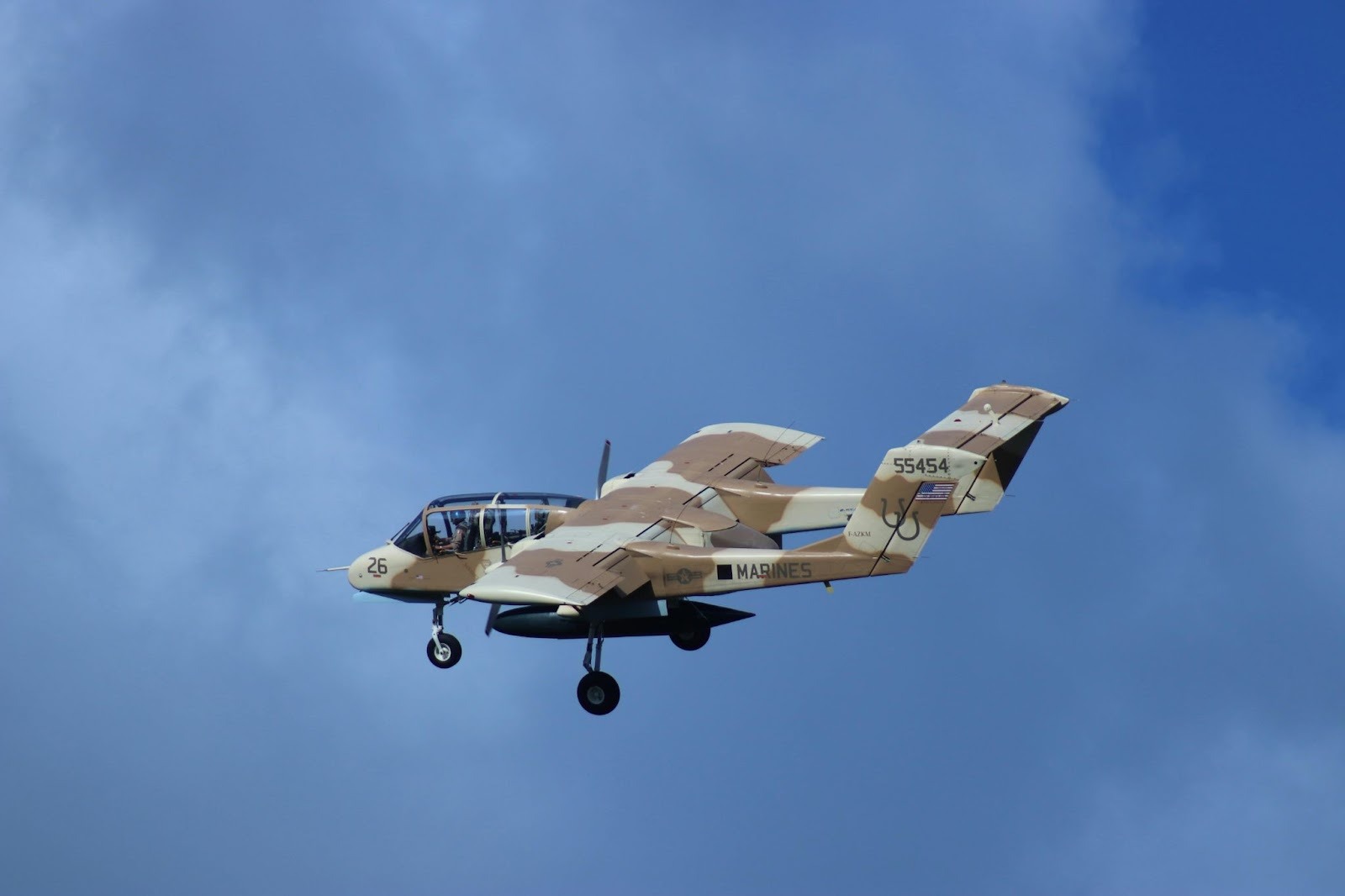
- On the side of the body - Usually between the wings and the tail
- Sometimes both places - The rules say it must show on both sides
The aircraft must display its number so people can read it from far away. Think about how you can read a billboard from your car. The tail number needs to be that clear. This helps air traffic controllers, other pilots, and anyone on the ground see and identify the plane quickly.
What Makes Each Number Special
No two planes can have the same tail number in the United States. The Federal Aviation Administration keeps track of every single one. When you look up a tail number, you can find out who owns the plane, what kind of plane it is, and other important facts about it.
These numbers stay with planes for a long time, but they can change. If someone sells a plane, the new owner might want a different number. Or maybe someone wants to pick a special number that means something to them, like their initials or a lucky number. The system allows for that, but you have to follow the rules and pay the fees.
Why Do Airplanes Need Registration Numbers?
Registration numbers serve several big jobs in aviation. Each one helps keep flying safe and organized. Here’s a look at why these numbers matter so much.
Safety in the Skies
When a pilot talks on the radio, they use their tail number to identify themselves. Air traffic controllers need to know which plane is which when they're guiding dozens of planes through busy airspace. Imagine trying to direct traffic if all the cars looked exactly the same and had no license plates. It would be chaos!
The registration number makes every conversation clear. A controller might say, "N12345, turn left and climb to 5,000 feet." The pilot knows that message is for them and only them. This clear communication prevents accidents and keeps everyone safe.
Proving Ownership
Just like your car's title proves you own it, an aircraft registration certificate proves who owns a plane. This matters for a lot of reasons:
- Buying and selling - Buyers need to know the seller really owns the plane
- Insurance - Companies need to know who to insure
- Legal issues - Courts need to know who is responsible if something goes wrong
- Loans - Banks need to track which planes have loans against them
The registered aircraft has a paper trail that goes back through all its previous owners. This history helps everyone involved in aviation business feel confident about who owns what.
Following the Law
The United States government requires every civil aircraft to have proper registration. This isn't optional. If you try to operate an aircraft without valid registration, you're breaking federal law. The FAA takes this very seriously because unregistered planes create safety risks.
Here's what the law requires:
- Every plane must be registered before it flies
- The certificate of registration must be on board during all flights
- The registration must be current and not expired
- The numbers must be displayed correctly on the plane
Tracking and History
Registration numbers help track a plane's entire life story. When mechanics work on a plane, they record the work under that tail number. When inspectors check a plane, they file reports using that number. If a plane is involved in an incident, investigators use the number to look up everything about it.
This tracking system helps everyone in aviation make smart decisions. If you're thinking about buying a used plane, you can look up its registration number and see its complete history. You'll learn if it crashed, if it was rebuilt, or if it has any problems. This information protects buyers and helps them avoid buying planes with hidden issues.
The aircraft registration branch of the FAA maintains all these records in a huge database. Anyone can search this database for free. This openness keeps the system honest and helps aviation stay safe.
How Aircraft Registration Started
The story of aircraft registration goes back over 100 years. Back then, airplanes were brand new, and nobody had figured out how to organize them yet. Countries around the world needed a way to tell planes apart, especially as they started crossing borders.
The Radio Connection
In 1912, countries met in London for the International Radiotelegraphic Conference. They were trying to organize radio signals, not airplanes. But they gave each country special letter codes for radio calls. The United States got the letter "N" for all its radio stations.
When airplanes became more common, countries decided to use these same letters for aircraft registration. It just made sense. The radio codes were already set up, and people were already using them. So in 1919, at a big meeting in Paris, countries officially agreed that aircraft would use these nationality marks.
The United States chose to use its "N" letter for all American planes. This happened officially in 1948, even though some planes used the N earlier. That's why every plane registered in America starts with N to this day.
Why Different Countries Use Different Letters
Each country got its own letter or letters to use. This system helps you know where a plane comes from just by looking at it:
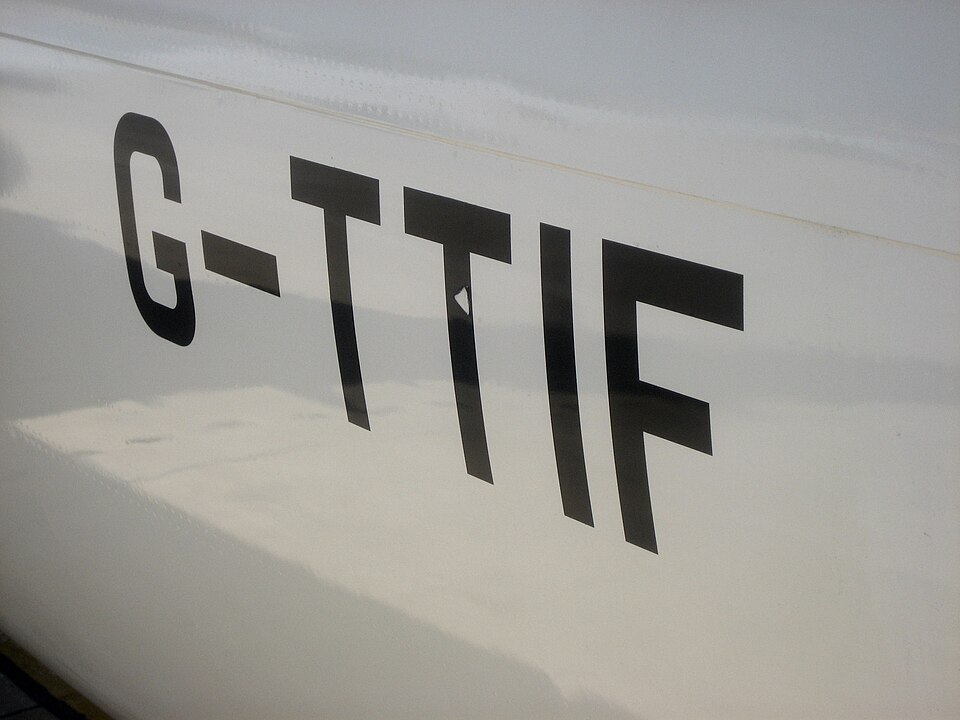
- G - United Kingdom (like G-ABCD)
- D - Germany
- F - France
- C - Canada
- VH - Australia (needs two letters because V was already taken)
- JA - Japan
Some countries share letters or need two letters because there aren't enough single letters for every country. But the United States got to keep just "N" all for itself. This works out well because America has so many planes. With more than 330,000 aircraft registered in the United States, we need lots of possible number combinations.
How the Rules Got Organized
After World War II, countries created the International Civil Aviation Organization, or ICAO. This group writes the rules that most countries follow for aviation. They published something called Annex 7, which explains how aircraft nationality and registration marks should work.
The Code of Federal Regulations in the United States follows these international rules but adds more details. You'll find the American rules in 14 CFR Part 47 and Part 45. These sections spell out exactly how to register an aircraft and how to display the numbers.
The rules have changed over the years to make things easier and safer. For example:
- Old style numbers - Before 1949, some planes had numbers like NC12345 or NX12345. That second letter showed what type of plane it was (C for regular, X for experimental, R for restricted, L for limited).
- Modern numbers - Today we just use N plus numbers and letters. It's simpler.
- Antique exceptions - Old planes and replicas can still use the old-style numbers if they want to.
The Federal Aviation Administration took over managing registrations in 1958 when it was created. Before that, a different agency called the Civil Aeronautics Administration did the job. But the basic system has stayed the same since 1948.
How to Create a Valid N-Number for Your Aircraft
Creating your registration number means following some specific rules. The good news is that once you know these rules, picking a number becomes pretty straightforward. Let's go over exactly how N-numbers work.
The Basic Format Rules
Every valid N-number follows the same pattern. It always starts with the letter N. After that, you can have up to five more characters. These characters can be numbers, letters, or a mix of both. But you can't just throw any numbers and letters together. Here are the rules you must follow:
Starting Requirements:
- Must begin with N (the nationality mark for the United States)
- The first character after N must be a number from 1 to 9
- Cannot start with zero (so N01234 is not allowed)
- The total length cannot be more than six characters including the N
Character Rules:
- You cannot use the letter I (it looks too much like the number 1)
- You cannot use the letter O (it looks too much like zero)
- Numbers can be 0 through 9, except in the first position
- Letters must be capital letters from the English alphabet
Format Options You Can Choose
The FAA allows several different formats for your N-number. Each one gives you different options for customization:
All Numbers (1 to 5 digits):
- N1 through N99999
- Example: N12345
- Note: N1 through N99 are reserved for FAA internal use only
Numbers Plus One Letter:
- 1 to 4 numbers followed by one letter
- Example: N1234Z
- This gives you 24 possible letters to choose from (remember, no I or O)
Numbers Plus Two Letters:
- 1 to 3 numbers followed by two letters
- Example: N123AB
- This format gives you the most customization options
- Great for making words or initials
Many aircraft owners like to pick numbers that spell something or have personal meaning. You might use your initials, a special date, or a word related to flying. For example, N500FLY or N747JET. Just remember to check if your chosen number is available before you get too attached to it.
Reserved and Restricted Numbers
Some numbers you cannot use because they're set aside for special purposes. The aircraft registration branch keeps these numbers off limits:
- N1 through N99 - Reserved exclusively for FAA internal operations
- Previously used numbers - If a registration expired or was cancelled, it cannot be reassigned for five years
- Currently registered numbers - Obviously, you cannot use a number that belongs to another plane
Checking If Your Number Is Available
Before you fall in love with a certain N-number, you need to check if it's available. The FAA has an online system where you can search for numbers. Just go to the FAA registry website and look up your desired number. The search will tell you if it's:
- Available (you can grab it)
- Already assigned (someone else has it)
- Reserved (someone is holding it but hasn't put it on a plane yet)
- In a waiting period (recently cancelled and not available yet)
The Reservation Process
Once you find an available number you like, you can reserve it. This holds it in your name so nobody else can take it. Here's how it works:
Step 1 - Submit Your Request:
- Go to the FAA's online N-number reservation system
- Enter your desired number (or list several choices in order of preference)
- Pay the $10 reservation fee online
Step 2 - Wait for Confirmation:
- The FAA processes requests in the order they receive them
- This usually takes about three to four weeks
- You'll get a written notice confirming your reservation
Step 3 - Keep Your Reservation Active:
- Reservations last for one year
- You can renew for another year by paying $10 again
- The FAA will send you a reminder before it expires
Step 4 - Assign It to Your Plane:
- When you're ready, ask the FAA to assign your reserved number to your aircraft
- This costs another $10
- You must paint or affix the number to your plane within five days of receiving the assignment
Special Considerations for Historic Numbers
Some older aircraft or replicas can use the old-style format from before 1949. These numbers include a second letter after the N:
- NC - Originally for standard category
- NX - Originally for experimental category
- NR - Originally for restricted category
- NL - Originally for limited category
To use one of these formats, your aircraft must qualify as an exhibition aircraft, antique aircraft, or be a replica of a plane built at least 30 years ago. The aircraft also needs the right type of airworthiness certificate. These numbers give vintage planes an authentic look, but you still have to follow all the modern registration rules.
Who Can Register an Aircraft in the United States
Not everyone can register an aircraft in the United States. The government has specific rules about who qualifies. These rules exist to make sure American aircraft stay under American control. Let's look at who can and cannot register a plane.
Individual U.S. Citizens
If you're an American citizen, you can register a plane in your own name. This is the simplest way to own an aircraft. You just need to prove your citizenship when you fill out the aircraft registration application. The FAA accepts several forms of proof:
- U.S. birth certificate
- U.S. passport
- Naturalization papers
- Certificate of citizenship
You can also register a plane in multiple names if you're buying it with someone else. For example, a husband and wife might register a plane in both their names. All co-owners must be U.S. citizens.
Permanent Residents
If you're not a U.S. citizen but you have a green card, you can register an aircraft. The official term is "lawfully admitted for permanent residence." You need to show your permanent resident card (green card) when you apply. This proves you have the right to register planes in America even though you're not a citizen.
Partnerships
A partnership can own and register planes, but there's a catch. Every single partner in the partnership must be a U.S. citizen. If even one partner is not American, the whole partnership cannot register the plane. This rule is strict because the government wants to make sure foreign interests don't control American aircraft.
Corporations and Companies
Companies can register an aircraft, but they must meet the requirements for U.S. citizenship. This gets a bit complicated because a company isn't a person. Here's what the FAA requires:
The company must:
- Be organized under U.S. law (federal or any state)
- Have its president be a U.S. citizen
- Have at least two-thirds of the board of directors be U.S. citizens
- Have at least 75% of voting interest owned or controlled by U.S. citizens
Think of it this way: the people who run the company and make decisions must be mostly American. If a foreign company owns too much of an American company, that American company cannot register planes here.
Limited Liability Companies (LLCs)
Many people use LLCs to own aircraft for privacy and liability reasons. An LLC can register an aircraft, and the rules are similar to corporations. All the members who control the LLC must be U.S. citizens or qualifying entities. When you register a plane under an LLC, you need to submit extra paperwork called a "Statement in Support of Registration" that proves the LLC qualifies.
Government Entities
Any U.S. government unit can register planes. This includes:
- Federal government agencies
- State governments
- Cities and counties
- School districts
- Other public entities
These organizations don't need to prove citizenship since they're already government entities. However, they do need to show they have the authority to own aircraft.
The Special "Based and Primarily Used" Exception
Here's an interesting exception: a foreign corporation can register an aircraft in the United States under certain conditions. The company must be organized and doing business under U.S. laws, and the aircraft must be "based and primarily used" in America.
"Based and primarily used" means:
- The plane's home base is in the United States
- At least 60% of flight hours are from flights that start and end in the U.S.
- The FAA monitors this and can cancel registration if the 60% rule isn't met
This exception helps foreign companies that operate mainly in America. For example, a Canadian company with major U.S. operations might use this rule to register planes here.
Non-Citizen Trusts
Some people who don't qualify to register an aircraft use something called a "non-citizen trust." Here's how it works:
- A qualified U.S. citizen becomes the trustee
- The trustee's name appears as the registered owner
- The trust documents get filed with the FAA
- The real owner (who might not be a citizen) is the trust beneficiary
This arrangement is legal and lets people who don't qualify still have control over an aircraft registered in the United States. It's commonly used by foreign individuals or companies that want to operate planes based in America.
What Disqualifies You
Some things will prevent you from registering a plane, even if you otherwise qualify:
- Drug convictions - If you knowingly let someone use your plane for drug crimes punishable by one year or more in prison, you lose registration rights for five years
- False information - Lying on your registration application can get you permanently banned
- Outstanding debts to FAA - You must be current on all fees and fines
Requirements Don't Change Based on Aircraft Type
Whether you're registering a tiny ultralight, a business jet, or unmanned aircraft, the ownership requirements stay the same. The FAA doesn't care what kind of plane it is when deciding who can register it. The rules about citizenship apply equally to all types of civil aircraft.
Where and How to Display Your Tail Number
Once you have your N-number, you need to put it on your plane correctly. The FAA has detailed rules about size, location, and appearance. These rules ensure that anyone can identify the aircraft from a distance. Let's go through each requirement step by step.
Size Requirements for Different Aircraft
The size requirements depend on what type of plane you have. Most planes need big numbers, but some smaller aircraft get to use smaller ones.
Standard Size - 12 Inches:
Most planes need registration marks at least 12 inches tall. This includes:
- Regular airplanes (like Cessnas, Pipers, and jets)
- Helicopters and other rotorcraft
- Any aircraft with a maximum cruising speed over 180 knots
The 12-inch rule makes sure pilots, controllers, and people on the ground can read your tail number from 500 feet away in daylight. That's about the length of one and a half football fields.
Small Size - 3 Inches:
Some aircraft can use numbers just 3 inches tall:
- Gliders and sailplanes
- Balloons and airships
- Powered parachutes and weight-shift-control aircraft
- Amateur-built aircraft that cruise at 180 knots or slower
- Light-sport aircraft that cruise at 180 knots or slower
Very Small Size - 2 Inches:
A few older aircraft get special permission to use even smaller numbers:
- Antique aircraft registered before November 1, 1981
- Exhibition aircraft with special airworthiness certificates
- Aircraft manufactured between November 1981 and January 1983 (grandfathered in)
Special Rule for Military Zones:
If your plane flies through an Air Defense Identification Zone (ADIZ) or Distant Early Warning Identification Zone (DEWIZ), you must use 12-inch numbers no matter what type of aircraft you have. This rule helps military aircraft and defense systems identify civilian planes quickly.
Location Rules - Where to Put the Numbers
You have two main options for where to place your registration mark on the plane. Both options require the number to show on both sides of the aircraft so people can see it from either direction.
Option 1 - Vertical Tail Surfaces:
You can put the numbers on the tail fin (the vertical surface that sticks up). The numbers must:
- Appear on both sides of a single tail
- Appear on the outer surfaces if you have multiple tail fins
- Be displayed horizontally (left to right)
- Leave at least 2 inches of space from the edges of the tail surface
Most planes use this option because the tail is easy to see and gives you lots of space for the numbers.
Option 2 - Fuselage Sides:
You can put the numbers on the body of the plane instead. If you choose this option, the numbers must:
- Go on both sides of the fuselage
- Fit between the trailing edge of the wing and the leading edge of the horizontal stabilizer
- Be displayed horizontally
- Not be placed under the horizontal stabilizer (that's not allowed)
Some aircraft have engine pods or other equipment in this area. If these pods are part of the fuselage side, you can put the registration mark on them instead.
What You Cannot Do:
- Cannot put numbers on the wings only (old rules allowed this, but not anymore)
- Cannot put numbers where they'll be hidden by doors or panels
- Cannot put numbers under the tail where they're hard to see
- Cannot have the number appear on only one side
Character Dimensions and Spacing
The rules don't just tell you how tall the numbers should be. They also control the width, thickness, and spacing. This keeps all aircraft numbers looking similar and easy to read.
Width Rules:
- Most characters must be two-thirds as wide as they are tall
- The number "1" is narrower - only one-sixth as wide as it is tall
- The letters "M" and "W" can be as wide as they are tall
- These rules apply to every character in your registration number
Thickness Rules:
- The lines that form each character must be one-sixth as thick as the character is tall
- For a 12-inch tall number, the lines would be 2 inches thick
- For a 3-inch tall number, the lines would be 0.5 inches thick
- All lines must have the same thickness
Spacing Rules:
- Leave at least one-fourth of the character width between each character
- This space helps separate the numbers and letters so they don't blur together
- The spacing must be consistent throughout the registration number of the aircraft
Style and Appearance Requirements
Your numbers need to look a certain way to meet the requirements of FAR Part 45, which covers identification and registration marking.
Font Style:
- Must use capital Roman letters (the regular alphabet we all know)
- No fancy or decorative fonts allowed
- No ornamentation, shadows, or outlines (unless they make the number more readable)
- No italics or slanted letters
- Keep it simple and plain
Color and Contrast:
- Numbers must contrast sharply with the background color
- White numbers on a dark plane work great
- Dark numbers on a light plane work great
- The contrast must be strong enough to read from 500 feet away in daylight
- You can use shading or borders only if they make the number easier to read
The aircraft displaying its registration must make sure the colors don't blend together. If your plane has a busy paint scheme with lots of colors and patterns, put the numbers on a solid background panel where they'll stand out clearly.
How to Apply the Numbers
The Electronic Code of Federal Regulations in 14 CFR Part 45.21 explains how you must attach the numbers to your plane. They need to be permanent or close to permanent.
Acceptable Methods:
- Regular aircraft paint (the kind that needs thinner or stripper to remove)
- Vinyl decals or stickers made for aircraft use
- Any method that ensures the numbers will stay on in all weather conditions
Unacceptable Methods:
- Tape that can be peeled off easily
- Water-soluble paint like poster paint
- Temporary materials that won't last
- Anything that could wash off, fade quickly, or fall off in flight
The permanent nationality and registration marks need to survive rain, sun, wind, and everything else your plane encounters. When inspectors check your aircraft, they look to make sure your numbers are properly affixed and not coming loose.
Special Display Rules for Certain Aircraft
Some types of aircraft have different rules or exceptions:
Experimental Aircraft:
Amateur-built aircraft must also display the word "EXPERIMENTAL" near each entrance door. This warning must be:
- At least 2 inches tall
- Placed where passengers can see it before boarding
- Made using the same permanence standards as the registration number
Antique and Exhibition Aircraft:
These aircraft can display permanent nationality and registration marks using the old pre-1949 format like NC, NX, NR, or NL. The second letter doesn't count toward the five-character limit. So NC12345 is legal even though it looks like six characters. The rules for size and placement still apply.
Unmanned Aircraft:
Drones and other unmanned aircraft have slightly different marking rules. The registration number must be:
- Accessible without tools
- Displayed on the exterior of the aircraft, or
- Enclosed in a compartment that's easily accessible
Small drones under 55 pounds can mark their registration number inside a battery compartment or on a label that's easy to reach.
What Happens If You Don't Follow the Rules
The FAA takes registration mark display rules seriously. If you operate an aircraft with numbers that don't meet the requirements, you're violating federal regulations. This can result in:
- Fines and penalties
- Being grounded until you fix the problem
- Problems with your insurance
- Difficulty selling the aircraft later
Inspectors from the FAA regularly check aircraft at fly-ins, during routine inspections, and at airports. If they spot improper numbers, they'll ask you to correct them. In serious cases, they might prevent you from flying until the numbers are fixed.
Steps to Register Your Aircraft
Registering your plane with the Federal Aviation Administration follows a clear process. Whether you're registering a brand new plane, a used one you just bought, or even unmanned aircraft, the basic steps stay mostly the same. Let's go through the entire aircraft registration process.
Step 1 - Gather Your Documents
Before you start, collect all the paperwork you'll need. Missing documents slow down the process and could delay your registration by weeks or months.
Required Documents:
Aircraft Registration Application (AC Form 8050-1):
- This is the main form that starts everything
- You can download it from the FAA website or request a paper copy
- Must be filled out completely with no blank spaces
- Needs to be signed in ink (or with an approved digital signature)
Evidence of Ownership:
- Usually an Aircraft Bill of Sale (AC Form 8050-2)
- Must show the chain of ownership from the previous registered owner to you
- Needs signatures from the seller
- If you didn't buy from the last registered owner, you need bills of sale showing each transfer
Special Documents Based on Your Situation:
If you're a corporation or LLC:
- Articles of incorporation
- Corporate resolution authorizing the purchase
- Statement in Support of Registration (for LLCs)
If the aircraft was previously registered in another country of registration:
- Proof of deregistration from that country
- Official documents showing the aircraft has been removed from the foreign registry
If the aircraft is new:
- Manufacturer's certificate of origin
- Statement affirming the aircraft was never previously registered
Step 2 - Fill Out the Application Correctly
The application for registration must be perfect. Small mistakes cause delays. Here's what you need to know:
Owner Information:
- Use your full legal name exactly as it appears on your ID
- For companies, use the exact legal name from your incorporation documents
- Include both a mailing address and a physical location address
- If using a P.O. Box for mail, you must still provide a street address
Aircraft Information:
- Manufacturer's name
- Model designation
- Serial number (from the data plate on the plane)
- Year manufactured
- Engine type and serial numbers
Citizenship Documentation:
You must prove you're eligible to register an aircraft:
- Check the box that describes your citizenship status
- For individuals: birth certificate number or passport number
- For corporations: include percentage of U.S. citizen ownership
- For LLCs: attach the required supporting statement
Registration Number:
You have choices here:
- Request a specific number you've already reserved ($10 additional)
- Request a new specific number ($10 additional)
- Let the FAA assign the next available number (no extra cost)
- If requesting specific numbers, list several options in order of preference
Signatures:
Every person or authorized representative must sign:
- Use ink signatures on paper forms (or approved digital signature for online)
- Print your name clearly below the signature
- Show your title if signing for a company
- Date the signature
Step 3 - Pay the Registration Fee
The fee to register an aircraft is currently $5. This applies whether you're registering for the first time or renewing. Payment methods accepted:
- Check or money order made payable to "Federal Aviation Administration"
- Credit card for online applications
- Exact amount only (the FAA doesn't provide change)
If you're also requesting a custom special registration numbers, add those fees:
- $10 for N-number reservation
- $10 for assignment to your aircraft
- $10 for changing an existing number
Total these amounts and include one payment for everything.
Step 4 - Submit Everything to the FAA
Now send your complete package to the aircraft registration branch:
Mailing Address:
FAA Aircraft Registration Branch, AFS-750
P.O. Box 25504
Oklahoma City, OK 73125
What to Include:
- Completed and signed AC Form 8050-1
- All evidence of ownership documents
- Payment (check, money order, or submit credit card info if filing online)
- Any supporting documents for your situation
Submission Tips:
- Make copies of everything for your records before mailing
- Use certified mail so you have proof of delivery
- Consider using a tracking service
- For faster service, some people use overnight delivery to the physical address
Physical Address for Overnight Delivery:
FAA Aircraft Registration Branch
Registry Building, Room 118
6425 South Denning
Oklahoma City, OK 73169-6937
Step 5 - Get Your Temporary Authority
When the FAA receives your application for registration, they'll process it and send you temporary operating authority. This happens while they prepare your permanent certificate of registration.
The Pink Slip:
The second copy of your aircraft registration application becomes your temporary registration. This "pink slip" allows you to operate an aircraft legally while waiting for the permanent certificate. Important points:
- Valid for up to one year from the date your application was received
- Must be carried in the aircraft during all flights
- Acts as proof that you've applied and are waiting for the permanent certificate
- Keep it with your other aircraft documents
Step 6 - Wait for Processing
The FAA handles thousands of registrations every month. Processing times vary:
- Normal processing: 4 to 12 weeks currently
- During busy periods: Can take up to 6 months
- Simple registrations: Faster than complex ones
- Applications with errors: Much slower (might be returned to you)
You can check the status:
- Visit the FAA Aircraft Registration Branch website
- Use the document tracking tool
- Call (866) 762-9434 for questions
- Search the registry database to see if your certificate of aircraft registration has been issued
Step 7 - Receive Your Permanent Certificate
When processing is complete, the FAA mails your official aircraft registration certificate to the address on your application. This is the real thing:
What the Certificate Includes:
- Your registration number
- Type of aircraft (make, model, serial number)
- Owner's name exactly as registered
- Mailing address
- Physical address if different from mailing
- Date of issue
- Expiration date (seven years from issue date)
What to Do With It:
The certificate of aircraft registration must be:
- Kept in the aircraft at all times during operation
- Protected from damage (many owners laminate it)
- Available for inspection by FAA personnel or law enforcement
- Renewed before the expiration date
Do not keep only a copy in the plane. The FAA requires the original certificate. If you lose it, you can request a replacement, but that takes more time and paperwork.
Special Registration Processes
Some situations need different steps:
Homebuilt Aircraft:
When registering amateur-built aircraft, you need:
- Evidence you built the aircraft yourself (builder's log, photos, receipts)
- A statement that the aircraft is amateur-built
- Special certification documents from the FAA inspector who checked your build
Dealer Registrations:
Aircraft dealers use a special certificate that covers multiple planes. If you're a dealer:
- Apply for a Dealer's Aircraft Registration Certificate (AC Form 8050-6)
- Prove you have an established business
- Show you're substantially engaged in manufacturing or selling aircraft
- This certificate covers all inventory aircraft you sell
Imported Aircraft:
Planes coming from other countries need:
- Proof of deregistration from the previous country of registration
- Customs clearance documents
- Airworthiness certificates from the exporting country
- Sometimes additional inspections by FAA staff
Re-Registration After Expiration:
If your registration expired and you didn't renew in time:
- Cannot operate an aircraft with expired registration
- Must submit a new application for registration (not just renewal)
- Pay the $5 registration fee again
- The process is the same as a new registration
- Your old N-number may have been cancelled and reassigned
Online Registration Services
The FAA now offers some online services through their CARES (Civil Aviation Registry Electronic Services) system:
- Check N-number availability
- Reserve N-numbers
- Submit certain registration applications
- Upload supporting documents electronically
- Pay fees by credit card
- Track application status
Not all registration types can be done online yet, but the system keeps expanding. Check the FAA website for the latest options.
Common Mistakes to Avoid
Even experienced aircraft owners sometimes make mistakes with registration. These errors can delay your certificate, ground your plane, or create legal problems. Let's look at the most common mistakes and how to avoid them.
Documentation Errors
Missing Signatures:
One of the most common problems is unsigned forms. The aircraft registration application requires signatures from all owners. If you're registering a plane with a co-owner, both signatures must be there. Companies need authorized representatives to sign with their title clearly shown.
Check every signature line before mailing:
- Owner signature with printed name
- Date next to the signature
- Title if applicable (President, Member, etc.)
- Matching signature on the bill of sale
Incomplete Bill of Sale:
The bill of sale must show a complete chain of ownership. If you bought the plane from someone who wasn't the last registered owner, you need bills of sale for every transfer in between. Missing even one link in the chain causes the FAA to reject your application.
Wrong Legal Names:
Use legal names exactly as they appear on official documents. Don't use:
- Nicknames or shortened versions
- Doing-business-as (DBA) names unless properly registered
- Incorrect corporate names
- Misspelled names
If your name is "Robert Smith" on your driver's license, don't sign as "Bob Smith." For companies, use the exact name from your articles of incorporation.
Format and Display Mistakes
Wrong N-Number Format:
People often pick N-numbers that break the rules:
- Starting with zero (N01234 is invalid)
- Using letters I or O
- Making it too long (more than five characters after the N)
- Using lowercase letters
- Including special characters or spaces
Before you get attached to a number, verify it follows all the format rules. Check if it's available before requesting it.
Improper Size:
Using numbers that are too small is a frequent violation. Many aircraft owners paint nice small numbers because they look sleek, but then fail inspection. Remember:
- Standard aircraft need 12-inch tall numbers
- Small experimental planes under 180 knots can use 3-inch numbers
- Measure the actual height, not just estimate
- All characters must be the same height
Wrong Location:
Some people put numbers in spots that don't meet the requirements:
- Under the horizontal stabilizer (not allowed)
- On only one side (must be on both sides)
- On the wings only (not sufficient by itself)
- Hidden behind doors or panels
Choose a location that follows the rules and makes the registration mark easy to see.
Poor Contrast:
Numbers that don't stand out from the background fail the visibility test. Common contrast problems:
- Dark gray numbers on a black plane
- White numbers on a silver plane
- Numbers over busy paint schemes
- Faded or dirty numbers that have lost contrast
The aircraft displaying registration marks must ensure they're clearly visible from 500 feet away. If you're not sure, take a photo from that distance and see if you can read them.
Application Submission Errors
Missing Documents:
Every application for registration needs complete supporting documents. Don't forget:
- The bill of sale (can't register without it)
- Payment (application won't be processed)
- Extra documents for corporations/LLCs
- Proof of deregistration for foreign aircraft
Create a checklist and mark off each item as you include it in your package.
Wrong Address:
Using the wrong mailing address causes major delays. Send applications to:
Regular Mail: P.O. Box 25504, Oklahoma City, OK 73125
Overnight: 6425 South Denning, Oklahoma City, OK 73169-6937
Don't send to other FAA offices or addresses. They'll have to forward your package, adding weeks to processing time.
Insufficient Payment:
The basic registration fee is $5, but people often forget to include fees for:
- Custom N-number reservation ($10)
- N-number assignment ($10)
- Number changes ($10)
Calculate the total amount needed and include one check for everything.
Timing Mistakes
Flying with Expired Registration:
Some aircraft owners don't realize their registration has expired. You cannot legally operate an aircraft with an expired certificate. Check your expiration date regularly:
- Set a reminder for six months before expiration
- Start the renewal process early
- Don't wait until the last minute
Late Renewal:
If you miss the renewal deadline:
- Your registration becomes invalid immediately
- The aircraft cannot fly until you re-register
- Your N-number gets cancelled about 90 days after expiration
- The cancelled number becomes unavailable for five years
- You must go through the full registration process again, not just renewal
Not Updating Address Changes:
When you move, you must tell the aircraft registration branch within 30 days. Failure to do this:
- Means you won't get important notices from the FAA
- Could result in missing renewal reminders
- May cause your registration to be cancelled
- Creates problems if there's a legal issue with your plane
Ownership Change Errors
Operating During Ownership Transfer:
After selling or buying a plane, the new owner needs to register it immediately. The previous certificate of registration becomes invalid when ownership changes. The new owner can operate an aircraft on the pink copy of the application while waiting for the new certificate, but they must have filed that application.
Not Releasing Your Old Number:
If you want to keep your old N-number when you sell your plane, you must reserve it back to yourself during the transfer process. Many sellers forget this step and lose numbers they wanted to keep. The process requires:
- Reserving a temporary number for the plane you're selling
- Assigning that new number to the plane
- Reserving your old number back in your name
- Paying the required fees
This must happen before the plane is sold, or you lose the number forever.
Special Category Mistakes
Missing "EXPERIMENTAL" Placard:
Amateur-built aircraft must display the word "EXPERIMENTAL" near each entrance. This warning is legally required, not optional. It must:
- Be at least 2 inches tall
- Be placed where passengers see it before boarding
- Use permanent materials
- Stay readable and visible
Wrong Historic Format:
Some people think any old plane can use historic format numbers like NC or NX. But this only applies to:
- Antique aircraft that qualify under specific rules
- Exhibition aircraft with the right airworthiness certificate
- Replicas of planes built at least 30 years ago
If your plane doesn't qualify, you cannot use the historic format even if you think it looks cool.
Drone Registration Confusion:
People often make mistakes with unmanned aircraft registration:
- Thinking drones under 0.55 pounds need registration (they don't)
- Not knowing commercial drones need Part 107 certification in addition to registration
- Forgetting that multiple recreational drones can share one registration
- Not marking the registration number on the drone
Keeping Your Registration Current
Getting your aircraft registered is just the beginning. You need to keep that registration valid and up-to-date for as long as you own the plane. Let's talk about what it takes to maintain current registration.
The Seven-Year Renewal Cycle
Your aircraft registration certificate expires seven years after it's issued. This is a big improvement from the old three-year cycle that ended in 2023. Here's how the renewal system works:
When to Renew:
You can file for renewal during the six months before your expiration date. The FAA recommends starting the process at least five months early to make sure your new certificate arrives before the old one expires.
How to Renew:
The Federal Aviation Administration makes renewal easier than initial registration:
- Use Form 8050-1B (Aircraft Registration Renewal Application)
- Can often renew online through the FAA website
- Pay the $5 renewal fee
- Confirm your information is still accurate
Online Renewal:
If nothing has changed since your last registration, you can renew online:
- No paper forms needed
- Pay by credit card immediately
- Get confirmation instantly
- Receive your new certificate by mail
If you've moved, changed your name, or had other changes, you'll need to file a paper renewal form with supporting documents.
Changes That Require Immediate Updates
Some changes mean you need to take action right away, not wait for renewal time. These changes require submitting new registration paperwork:
Change of Ownership:
When you sell your aircraft, the new owner must:
- File a new aircraft registration application
- Provide evidence of the sale
- Pay the registration fee
- Get their own certificate of aircraft registration
The old certificate becomes invalid the moment ownership changes. The new owner gets temporary authority (the pink slip) while waiting for the permanent certificate.
Change of Address:
You must notify the aircraft registration branch within 30 days of moving. This is mandatory even if your registration isn't close to expiring. You can:
- Update online through the FAA website
- Submit a written notice by mail
- Include your N-number, old address, and new address
The FAA uses your address to send important notices, including renewal reminders. Wrong address means missed mail and possible problems.
Change of Legal Name:
If you change your legal name (marriage, divorce, court order), you need to update your registration:
- File a new application
- Include legal documents showing the name change
- Pay the $5 fee
- Get a new certificate issued in your new name
Corporate Changes:
Changes to a corporation that owns aircraft require updates:
- Change in corporate officers
- Change in ownership percentages (if it affects the 75% rule)
- Merger or reorganization
- Change of corporate name
These changes might affect whether the company still qualifies to register an aircraft in the United States.
Keeping Records and Documents
Smart aircraft owners maintain good records. This makes renewals easier and helps if questions ever come up. Here's what to keep:
Registration Documents:
- Current certificate of registration
- Copies of all previous registrations
- Receipt showing when you filed your last renewal
- Confirmation numbers from online transactions
Ownership Documents:
- Original bill of sale
- All previous bills of sale in the ownership chain
- Manufacturer's certificate of origin (if you were the first owner)
- Any partnership agreements or corporate resolutions
Address History:
- Records of when you moved
- Proof you notified the FAA of address changes
- Copies of address update confirmations
Keep these documents safe. Many owners keep them in the plane along with the current certificate, while storing copies at home or in digital format.
What Happens If Registration Expires
If you miss your renewal deadline, your certificate of aircraft registration becomes invalid. This creates serious problems:
Immediate Consequences:
- You cannot legally operate an aircraft with expired registration
- Flying with expired registration violates federal law
- You could face fines and penalties
- Your insurance might not cover you
The N-Number Cancellation Process:
About 90 days after your registration expires, the FAA cancels your N-number assignment. Once cancelled:
- The number becomes unavailable for reassignment for five years
- You lose that specific number unless you reserved it
- You must choose a new number when you re-register
Re-Registration:
If your registration expired, you cannot just renew. You must go through the complete registration process again:
- Submit a full aircraft registration application (Form 8050-1)
- Provide evidence of ownership again
- Pay the $5 fee
- Wait for processing just like a new registration
- Choose a new N-number if your old one was cancelled
This process takes much longer than a simple renewal and costs the same amount. Plus, you cannot fly your aircraft during the entire process unless you have temporary authority.
Setting Up Renewal Reminders
Don't rely on the FAA to remind you. While they do send notices, mail gets lost and people move. Take charge of tracking your own renewal dates:
Mark Your Calendar:
- Note the expiration date in multiple places
- Set a reminder for six months before expiration
- Set a second reminder for three months before
- Set a final reminder for one month before
Check Your Certificate:
- Look at your certificate of aircraft registration right now
- Find the expiration date printed on it
- Calculate when your six-month renewal window opens
- Put that date in your phone, computer, or wherever you track important dates
Annual Check:
- Once a year, verify your registration is current
- Confirm the FAA has your correct address
- Make sure all your aircraft documents are in order
- Update your personal records as needed
Monitoring Your Registration Status Online
The FAA maintains a searchable database of all aircraft registered in the United States. You can check your plane's registration status anytime:
How to Check:
- Go to the FAA Registry website
- Enter your N-number in the search box
- View your registration details
- Verify expiration date
- Confirm owner information is correct
This free service lets you catch problems early. If you notice any errors in the database, contact the aircraft registration branch right away to get them corrected.
Special Situations That Affect Registration
Some circumstances can impact your registration status even if you haven't let it expire:
Aircraft Damage or Destruction:
If your aircraft is substantially damaged or destroyed:
- Notify the FAA within 60 days
- The registration might be cancelled
- You'll need new registration if the aircraft is rebuilt
Long-Term Storage:
Even if your plane sits in a hangar for years without flying, you still must maintain current registration. The certificate doesn't have a "not currently flying" exception.
Change in Citizenship:
If the registered owner loses U.S. citizenship or a corporation no longer meets the ownership requirements, the registration becomes invalid immediately. This doesn't wait for expiration - it happens the moment the owner no longer qualifies.
Drug Violations:
If the owner knowingly allowed the aircraft to be used in certain drug crimes, they lose the right to register an aircraft for five years. This applies even if they still own the plane.
Special Cases and Exceptions
Not every aircraft fits the standard registration rules. The FAA has special provisions for unusual situations and specific types of planes. Understanding these exceptions helps if your situation doesn't match the typical case.
Historic and Antique Aircraft
Antique aircraft get some special treatment when it comes to registration and display rules. These are planes with significant age or historic value.
Qualification Requirements:
To use special antique aircraft rules, your plane must:
- Be at least 30 years old, or
- Be a replica of a plane built at least 30 years ago, or
- Have a special airworthiness certificate for exhibition
Special Display Privileges:
Aircraft displaying historic registration can use the old format from before 1949:
- NC prefix (originally for standard category)
- NX prefix (originally for experimental category)
- NR prefix (originally for restricted category)
- NL prefix (originally for limited category)
For example, an antique aircraft could display NC12345 instead of just N12345. The C doesn't count against the five-character limit, and it gives the plane an authentic vintage look.
Reduced Size Requirements:
Some older aircraft can use registration marks as small as 2 inches tall instead of the standard 12 inches. This exception applies to:
- Aircraft registered before November 1, 1981 that had 2-inch marks
- Aircraft manufactured between November 2, 1981 and December 31, 1982
- These aircraft can keep using smaller marks until they're repainted
Experimental and Amateur-Built Aircraft
Amateur-built aircraft follow most standard rules, but with