You take off from a paved runway, cruise over a chain of lakes, and set down right on the water. No dock, no boat, no marina fees. Just you and an aircraft that does it all. That kind of flying sounds like a dream saved for the very wealthy, but that idea is changing fast. The market for the cheapest amphibious aircraft has grown steadily over the past decade, and today, pilots flying on a real-world budget have more genuine options than ever before.
Two very different paths are leading them there: kit builds and ready-to-fly models. Each path carries its own price tag, timeline, and set of tradeoffs. Understanding both before you spend a single dollar is the smartest move any buyer can make. That is exactly what this article lays out, from the real purchase price to what it costs to keep the aircraft flying year after year.
Key Takeaways
The cheapest amphibious aircraft options fall into two main categories. Kit-built aircraft cost less upfront but require hundreds of hours of labor to complete. Ready-to-fly aircraft cost more at purchase but are airworthy from day one. Kit builds can start as low as twenty thousand to forty thousand dollars in parts, while entry-level ready-to-fly amphibious aircraft typically start somewhere between eighty thousand and two hundred thousand dollars. The right choice depends on your time, your skills, and your total budget, not just the number on the price tag.
| Factor | Kit Build | Ready to Fly |
| Starting Cost | $20,000 to $60,000 (parts) | $80,000 to $200,000+ |
| Build Time | 500 to 2,000+ hours | Zero |
| Certification | E-LSA or Experimental | S-LSA or Certified |
| Annual Inspection | Owner can perform | Must use licensed A&P |
| Resale Value | Lower (experimental) | Higher (certified) |
| Customization | High | Limited |
| Hidden Costs | Tools, workspace, errors | Maintenance, avionics upgrades |
| Best For | Hands-on builders | Pilots who want to fly now |
Flying411 covers the full amphibious aircraft market so you can compare models, pricing, and real ownership costs all in one place. It is a good first stop before you start shopping.
Why So Many Pilots Are Looking for the Cheapest Amphibious Aircraft
The appeal of amphibious flying is easy to understand. You get the freedom of a regular airplane plus the ability to land on water. That combination opens up destinations that landplanes simply cannot reach. Remote lakes, coastal inlets, island strips, and backcountry waterways all become fair game. For pilots in Alaska, the Pacific Northwest, Florida, and the Great Lakes region, a water-capable aircraft is not a luxury. It is a practical tool for daily life.
Price has always been the barrier. Traditional seaplane ownership was once reserved for those with very deep pockets. Factory-built amphibious aircraft carried price tags well above two hundred thousand dollars, and maintenance costs added up quickly after that. That made the dream feel out of reach for most pilots flying on a middle-class budget.
A few things changed the picture. The FAA's Light Sport Aircraft rule opened a new certification category that made aviation more affordable at every level. Manufacturers started offering kit options designed specifically for the budget buyer. A growing used aircraft market brought prices down further. Today, pilots are actively searching for the cheapest amphibious aircraft because they know real options exist. They just need help comparing them.
Good to Know: Organizations like the Seaplane Pilots Association and annual events like Sun 'n Fun have helped connect buyers with builders, sellers, and current owners who share what ownership actually costs. That kind of real-world transparency has pushed more pilots to take the leap.
There is also a community aspect driving this growth. Online forums and fly-in events have made it easier than ever to find people who have already walked this path and are willing to talk about what they spent, what surprised them, and what they would do differently.
Key reasons pilots are entering this market now:
- LSA rules lowered certification and training requirements
- Kit aircraft brought entry costs down significantly
- A growing used market means more float-equipped aircraft at fair prices
- Remote property ownership is rising, increasing demand for water access
- Fuel-efficient light aircraft designs have reduced operating costs
What Makes an Amphibious Aircraft Truly Affordable
Here is something buyers learn quickly. The purchase price is just the beginning. The cheapest amphibious airplane on paper might end up being the most expensive one to own. Real affordability means looking at the full picture: what you pay to buy it, fly it, store it, insure it, and eventually sell it.
Storage Costs That Add Up Faster Than You Expect
Unlike a standard aircraft, an amphibious plane needs either a hangar with water access, a marina slip, or a trailer setup for road transport. Hangar costs vary widely by region, but expect to pay anywhere from two hundred to eight hundred dollars per month depending on location. Some pilots use boat ramps and keep their aircraft on a trailer, which cuts monthly costs but adds time and effort to every flight.
Pro Tip: If you are considering trailer storage, test the process a few times before you commit. Launching and retrieving a float-equipped aircraft from a boat ramp is not complicated, but it does take practice and the right tow vehicle setup.
Insurance and What Water Operations Actually Cost
Insurance is another line item that surprises new buyers. Water operations add risk in the eyes of insurers, and premiums reflect that. Budget roughly fifteen hundred to thirty-five hundred dollars per year for a basic policy on an entry-level amphibious aircraft, depending on your total flight hours and the aircraft's value. Pilots with fewer hours or no seaplane rating on file will typically pay more.
Maintenance: Where the Real Gap Appears
Maintenance is where the difference between kit builds and ready-to-fly aircraft becomes very real. A certified ready-to-fly aircraft must have its annual inspection performed by a licensed A&P mechanic. That bill typically runs five hundred to fifteen hundred dollars for a simple aircraft but can climb much higher if discrepancies are found. A kit-built experimental aircraft, on the other hand, grants the builder a repairman certificate. That certificate lets you perform your own annual inspections and many repairs yourself, which cuts costs significantly over time.
Fuel burn matters too. Most light amphibious aircraft burn between four and eight gallons per hour. At current avgas prices, that works out to roughly twenty-five to fifty dollars per flight hour in fuel alone. Over a full year of flying, that adds up to a meaningful budget line.
Why It Matters: Setting aside a monthly engine reserve fund from day one is one of the smartest habits an amphibious aircraft owner can build. Engine overhauls are expensive and they always come eventually.
True affordability checklist:
- Purchase price (new, used, or kit)
- Monthly storage (hangar, marina, or trailer)
- Annual inspection cost
- Insurance premium
- Fuel burn per hour
- Engine reserve fund for eventual overhaul
- Avionics and equipment upgrades
- Resale value and buyer demand in the used market
Who Is Actually Buying the Cheapest Amphibious Aircraft Today
The buyer profile for affordable amphibious aircraft is surprisingly diverse. It is not just wealthy retirees with lakefront property. The market today includes a wide range of pilots and non-pilots alike.
Weekend adventure pilots want access to backcountry lakes and coastal destinations that no paved runway can reach. Remote property owners in Alaska, Canada, and the Pacific Northwest use their aircraft as practical daily transportation. Retired commercial pilots look for a fun, low-cost personal aircraft after decades of flying jets. Young sport pilots have built their way into the amphib market through kit aircraft and online communities that share plans, parts sources, and build tips. Small tourism operators run scenic tours and charter flights from water bases.
Icon Aircraft played a notable role in expanding the buyer pool by marketing the ICON A5 directly to lifestyle-focused buyers rather than traditional pilots. Their approach brought new faces into the amphib market. People who had never considered aircraft ownership before were drawn in by the design and the experience of water flying.
Fun Fact: The ICON A5 is one of the few amphibious aircraft ever marketed with a lifestyle campaign aimed directly at boaters and outdoor enthusiasts rather than certificated pilots, which is said to have broadened the category's appeal significantly.
The common thread across all these buyers is a desire for value. They want capable aircraft that fit a realistic budget. They are willing to research, compare options, and sometimes contribute sweat equity through a kit build. They are not buying status symbols. They are buying access to places most aircraft simply cannot go.
How Kit Builds and Ready-to-Fly Models Compare
This is the heart of the decision. Both paths can get you into the air over water, but they are very different journeys. Understanding the real differences, not just the price tags, is what separates a smart purchase from an expensive regret.
Where Kit Builds Save You the Most Money
Kit builds save money in one primary way: labor. When you build the aircraft yourself, you contribute hundreds or thousands of hours of work that would otherwise be paid to a factory. That factory labor cost adds significantly to the final price of any production aircraft. By doing it yourself, you absorb that cost in time rather than dollars.
Comparable ready-to-fly amphibious planes can cost three hundred thousand dollars or more fully equipped. A comparable kit-built amphibious aircraft, like the Progressive Aerodyne SeaRey, can often be completed for a fraction of that. Final cost depends on engine choice and avionics selection, but many builders land somewhere in the sixty thousand to one hundred twenty thousand dollar range.
Specific areas where kit builds save money:
- No factory labor markup since you supply the hours yourself
- Builder's repairman certificate lets you perform your own annuals and most maintenance
- Flexible parts sourcing lets you shop for better prices on components like avionics and instruments
- Phased spending lets many builders purchase kits in stages, spreading the cost over months or years
- Engine choice lets you select a more affordable option or a rebuilt powerplant to reduce upfront costs
Light sport amphibious options have expanded this category significantly. Pilots who want a capable water aircraft without the weight and complexity of a larger certified plane now have solid choices on both the kit and factory sides of the market.
Keep in Mind: Phased purchasing works well for builders with discipline. The risk is that component prices can rise between phases, and design changes in later kit versions may not be fully compatible with earlier components you already purchased.
What Ready-to-Fly Options Actually Cost From Day One
Ready-to-fly amphibious aircraft arrive certified and airworthy. You pay more upfront, but you skip the build entirely. For pilots who do not have the time, space, or mechanical aptitude for a kit build, this is the realistic path.
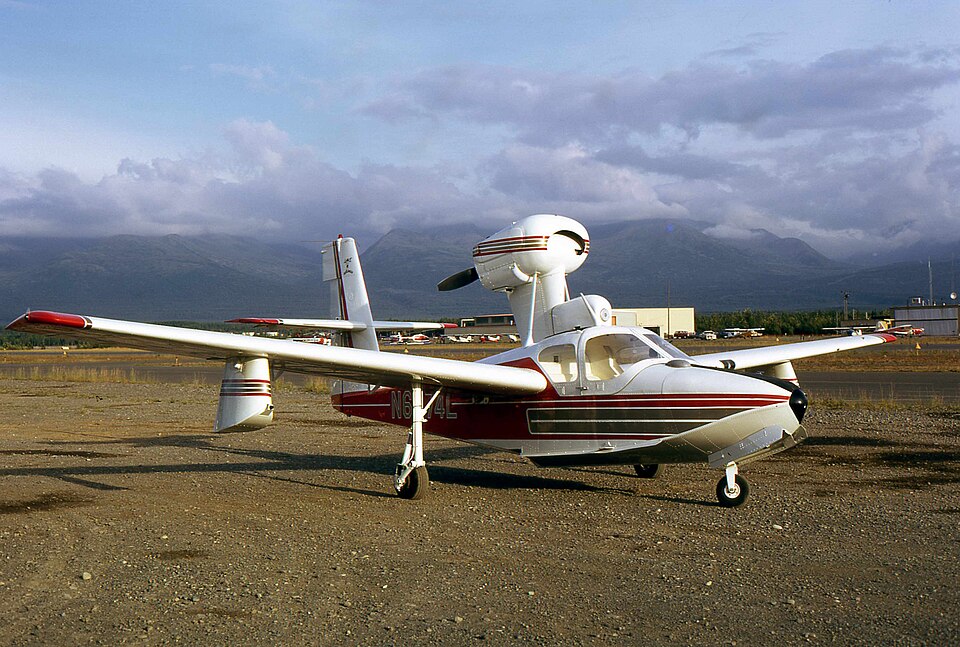
Entry-level ready-to-fly options in the used market include several aircraft worth knowing. The Lake Buccaneer and Lake Renegade are older certified amphibians, with used prices often ranging from sixty thousand to one hundred thirty thousand dollars depending on condition. The Cessna 180 and 185 on amphibious floats is a respected combination, with prices typically running from eighty thousand to two hundred thousand dollars. The Aventura II is an amphibious light-sport aircraft with new pricing around eighty thousand to one hundred thousand dollars. The SeaRey Elite in factory-built S-LSA form is priced around one hundred forty thousand to one hundred eighty thousand dollars new. The ICON A5 starts around three hundred thousand dollars new, with used examples occasionally appearing at lower prices.
The advantage of going ready-to-fly is simplicity. You inspect it, buy it, get checked out, and fly. There is no build phase, no tooling, and no waiting. If you find a light aircraft with a fresh annual and clean logbooks, you can be flying within weeks of making the decision.
Heads Up: Used amphibious aircraft often look clean at a distance. Corrosion in hulls, floats, and control cables is common and can be expensive to address. Never skip a pre-purchase inspection by a mechanic familiar with water operations.
How Long a Kit Build Actually Takes
Build time is one of the most underestimated factors in the kit build equation. Manufacturers publish estimated build hours, but real-world completion times tend to run longer than the brochure suggests.
Typical build time ranges by kit type:
- Quick-build kits: roughly 500 to 800 hours, with major assemblies pre-completed
- Standard kits: typically 1,000 to 2,000 hours of builder labor
- Scratch builds from plans: often 2,000 to 4,000 or more hours
For a pilot working twenty hours per week on their build, a quick-build kit represents roughly six months to a year of dedicated effort. A standard kit at the same pace could take two to three years. Life happens. Jobs, families, and seasonal weather slow builds down. Many kits sit partially completed for years before the builder finds the time or motivation to finish.
Build time also affects total cost. A longer build means more months paying for workspace if you rent a hangar or shop, more consumables, and more opportunities for mistakes that require purchased replacement parts.
Why the Cheapest Kit Is Not Always the Cheapest in the End
The kit price is just the entry point. Once you factor in everything required to complete a flying aircraft, the gap between kit builds and ready-to-fly options narrows considerably.
Hidden costs in kit builds include several categories that many first-time builders underestimate. Specialized tools, jigs, and fixtures can add two thousand to eight thousand dollars on their own. Renting hangar space for a multi-year build adds up across months and years. The engine is not always included in the kit price, and a new Rotax or Lycoming can add fifteen thousand to forty thousand dollars. A basic glass panel avionics setup can run eight thousand to twenty thousand dollars. Paint, upholstery, and finishing details can add three thousand to ten thousand dollars more. Structural errors or damaged components require replacement parts. A Designated Airworthiness Representative must certify the completed aircraft, which also carries a fee.
A pilot who budgets forty thousand dollars for a kit build and ends up spending ninety-five thousand dollars total is not an unusual outcome. That does not make kit builds a bad deal. It does mean going in with realistic expectations and a budget that has room to breathe.
Quick Tip: Build a spreadsheet before you start. List every anticipated cost, including tools, workspace, engine, avionics, finishing, and inspection fees. Then add a twenty percent buffer for surprises. If the total still works for your budget, you are ready to move forward.
Which Option Holds Its Value Better
Certified ready-to-fly aircraft generally hold their value better than experimental kit builds, and there are a few clear reasons why.
Certified light sport and standard category aircraft can be flown by any rated pilot with the appropriate endorsement, which expands the buyer pool when you are ready to sell. Experimental aircraft require the new owner to acknowledge the amateur-built status, which reduces demand among some buyers. Seaplane pilots with commercial certificates may be restricted from using experimental aircraft for certain paid operations. Lenders are more willing to finance certified aircraft, which makes them easier for buyers to purchase and therefore easier for sellers to move.
That said, well-known kit designs like the SeaRey have developed strong communities and hold value reasonably well compared to lesser-known experimental builds. A clean, low-time kit build with thorough documentation will always sell better than one with incomplete logbooks or inconsistent workmanship.
Small amphibious aircraft across both categories tend to hold value better when they have documented maintenance histories, low total airframe time, and no evidence of water damage or corrosion.
Amphibious Aircraft Models Worth Comparing
| Aircraft | Type | Est. Price | Build Time | Seats | Useful Load |
| Progressive Aerodyne SeaRey | Kit (E-LSA) | $50,000 to $90,000 | 800 to 1,200 hrs | 2 | ~430 lbs |
| Aventura II | Kit or RTF (S-LSA) | $35,000 to $100,000 | 400 to 600 hrs | 2 | ~450 lbs |
| ICON A5 | RTF (S-LSA) | $300,000+ | None | 2 | ~430 lbs |
| Lake Buccaneer | RTF (Certified) | $60,000 to $130,000 | None | 4 | ~900 lbs |
| Cessna 180 on Wipline Floats | RTF (Certified) | $100,000 to $200,000 | None | 4 | ~700 lbs |
| Kitfox Amphibian | Kit (Experimental) | $40,000 to $75,000 | 1,000 to 1,800 hrs | 2 | ~500 lbs |
Twin-engine amphibious aircraft represent a separate category worth knowing about, particularly for buyers who want additional safety margins over open water or need to carry more payload. They carry a significantly higher price tag, but for the right mission profile, the performance and redundancy can justify the cost.
Fun Fact: The Lake Buccaneer, first introduced in the 1950s, is said to be one of the longest-produced certified amphibious aircraft in American aviation history. Used examples are still actively flying and attracting buyers today.
What First-Time Buyers Should Know Before Choosing
First-time buyers in the amphibious market face a learning curve that goes well beyond aircraft selection. Here is what to know before signing anything.
Heads Up: A seaplane rating is required to legally operate any amphibious or floatplane. It is not included in a standard private pilot certificate. Budget time and money for the rating before or immediately after purchase.
Pre-Purchase Steps That Protect You
Hiring a pre-purchase inspector is one of the most important steps any buyer can take, and skipping it is one of the most common mistakes first-time buyers make. Find an inspector who is specifically familiar with water operations. A mechanic who has never worked on float-equipped aircraft may miss damage patterns that are routine to spot for someone with seaplane experience.
Check the hull and floats carefully for water damage, corrosion, and impact damage. These issues are common in amphibious aircraft and can be expensive to address after you have already taken ownership. Verify the landing gear system as well. Amphibious gear systems are more complex than standard retractable gear, and failures are serious. Review all logbooks, covering the airframe, engine, and propeller. They should be complete, consistent, and free of unexplained gaps.
Regulatory and Operational Details to Confirm
Confirm your storage plan before you finalize any purchase. Know where the aircraft will live, what it will cost monthly, and what access you will have to water for operations. Verify that the aircraft has ADS-B Out installed, as it is now required for most controlled airspace. Research the specific waterways where you plan to operate. Not all lakes and waterways are open to aircraft, and local regulations vary widely by state and municipality.
Key steps for first-time buyers:
- Get your seaplane rating or budget for it immediately after purchase
- Hire a pre-purchase inspector familiar with water-based aircraft
- Inspect hull, floats, and control cables for corrosion and water damage
- Verify the amphibious landing gear system thoroughly
- Review all logbooks for completeness and consistency
- Confirm storage options and monthly costs before closing
- Verify ADS-B Out compliance
- Research local regulations for the waterways you plan to use
Conclusion
The cheapest amphibious aircraft is not a single model with a single price tag. It is a decision, and it starts with understanding what affordable actually means for your situation. A kit build might save you eighty thousand dollars upfront but cost you two years of weekends. A ready-to-fly aircraft might cost more at purchase but put you in the air by next month. Neither path is wrong. They just serve different people with different priorities.
What matters most is going in with clear eyes. Know your full budget, not just what you can spend at closing. Know your storage plan, your insurance cost, and whether you have the time and skills a kit build demands. Talk to owners. Fly a demo if you can. And take the time to research the right decision for your life.
The water is waiting, and it is more reachable than most pilots think.
For more guidance on every step of the buying process, visit Flying411 for aircraft buying guides, ownership cost breakdowns, and model comparisons that help you make smarter decisions.
Frequently Asked Questions
Do I need a special pilot certificate to fly a kit-built amphibious aircraft?
You need a seaplane rating added to your existing pilot certificate to legally operate any amphibious or floatplane, regardless of how it was built. If the aircraft is an experimental light-sport category, you may also need a Sport Pilot certificate or higher depending on the aircraft's weight and configuration. The seaplane rating is an add-on endorsement, not a separate certificate, and it can typically be completed in a few days of focused training.
Can I get financing for a kit-built amphibious aircraft?
Financing a kit build is difficult because lenders typically will not loan money on an incomplete or experimental aircraft. Most builders self-fund their builds in stages, spreading costs over months or years. Certified ready-to-fly aircraft are easier to finance through aviation lenders, though water-capable aircraft may still face stricter lending terms than standard landplanes. If financing is important to your purchase plan, a certified ready-to-fly aircraft is the more realistic path.
What is the difference between an E-LSA and an S-LSA amphibious aircraft?
An E-LSA (Experimental Light Sport Aircraft) is typically a kit-built aircraft assembled by the owner. It allows the builder to perform their own maintenance and annual inspections using a repairman certificate. An S-LSA (Special Light Sport Aircraft) is a factory-built, certified aircraft that must be maintained by a licensed A&P mechanic. Both fall under light-sport weight and speed limits but have different ownership rules, maintenance requirements, and operational privileges.
How does water damage affect the value of a used amphibious aircraft?
Water damage, especially corrosion in the hull, floats, and control cables, is one of the most serious and costly issues in used amphibious aircraft. It can reduce an aircraft's value significantly and lead to major repair bills that exceed what the buyer anticipated. Always have a pre-purchase inspection performed by a mechanic who specializes in water-based aircraft before buying any used amphibious seaplane or floatplane. Skipping this step is one of the most expensive mistakes a buyer can make.
Is it possible to convert a land aircraft to an amphibious one?
Yes, but it is not simple or inexpensive. Converting a land aircraft involves adding amphibious floats approved for that specific airframe, modifying the landing gear system, and potentially updating avionics and weight-and-balance documentation. The cost can range from thirty thousand to eighty thousand dollars or more depending on the float system and aircraft type. It is a viable path for some owners but requires careful planning and FAA approval before any modifications are made.
What is the cheapest way to enter the amphibious aircraft market?
The lowest-cost entry point is typically a kit build purchased in stages. Starting with the basic airframe kit and adding components over time spreads the expense across months or years. Buying a used, well-documented kit that a previous builder started but did not finish can also reduce costs, though it requires careful inspection to confirm the work already completed meets quality standards. For buyers who prefer not to build, a used certified amphibian in honest condition with a fresh annual is usually the most practical ready-to-fly entry point.
How much does a seaplane rating cost to add to a private pilot certificate?
The cost of a seaplane rating varies by flight school and location, but most pilots complete the rating in roughly five to ten hours of dual instruction. At typical flight school rates for a float-equipped training aircraft, the total cost often falls somewhere between one thousand five hundred and three thousand five hundred dollars. Some schools offer package courses that include ground instruction, materials, and a checkride. It is one of the more affordable add-on ratings available, and many pilots describe the training as one of the most enjoyable flying experiences of their lives.
Are there amphibious aircraft options that seat more than two people?
Yes. While most light-sport and kit-built amphibious aircraft seat two people, certified aircraft in the standard category offer more cabin space. The Lake Buccaneer, for example, is a four-seat certified amphibian available in the used market. Larger certified amphibians exist as well, though they come with higher purchase prices and operating costs. Buyers who need to carry more than one passenger regularly should focus their search on certified four-seat options rather than light-sport models.