Aircraft ownership costs go beyond fuel, hangar, insurance and the annual inspection. Major components such as the engine and propeller are steadily using up service life every time the airplane flies, and those future expenses need to be funded long before they come due. For a Cessna 172 owner, setting aside a reserve each month can turn an eventual engine overhaul from a financial shock into a planned maintenance event.
That second owner was not unlucky. He was just not funding reserves. The engine, the propeller and eventually the panel are all wearing out on a schedule you can see coming from years away, and the only question is whether you pay in small pieces or one large, painful piece. Figuring out how much to set aside per flight hour is the difference between an overhaul being an event you planned and an overhaul being the reason you quit.
This article walks through the arithmetic. Not a rule of thumb someone repeated at the FBO, but the actual formula, the numbers that go into it by engine class, and the two traps that catch low-time owners hardest: calendar limits and propellers. If you want the broader picture of every cost category, start with our guide on how to calculate aircraft operating cost per hour and treat this piece as the deep dive on the reserve line.
Key Takeaways
A reserve is money you set aside now for a repair that is already being earned, hour by hour, every time you fly. For most normally aspirated piston singles, a realistic combined reserve for engine, propeller, unscheduled powerplant work and a future avionics refresh lands somewhere between $35 and $80 per flight hour, on top of fuel, oil, insurance, hangar and the annual inspection. You get there by dividing the real installed cost of each big-ticket event by the hours you will honestly get out of the component, not by the published TBO. Calendar limits matter as much as hours: if you fly 60 hours a year, your propeller's six-year overhaul clock and your engine's twelve-year recommendation will both arrive long before the hour numbers do. Fund the reserve monthly into a separate account, and check it against the calendar once a year.
| Reserve line | Typical piston single | What drives it |
| Engine overhaul | $18–$47/hr per engine | Installed overhaul cost ÷ realistic hours |
| Propeller overhaul | $1–$12/hr | Blade count, constant speed vs fixed pitch, 6-year clock |
| Unscheduled powerplant | $5–$12/hr | Cylinders, magnetos, starter, alternator, hoses |
| Avionics refresh | $5–$15/hr | Panel value ÷ 10–15 year replacement cycle |
| Combined, typical | $35–$80/hr | Excludes fuel, hangar, insurance, annual |
What an Hourly Reserve Actually Is
Think of it like the roof on a house. Nobody sends you a monthly roof bill, but the roof is being used up anyway, and in year eighteen it costs $15,000 all at once. Smart homeowners put money aside. Aircraft reserves work the same way, except the roof has a serial number and a logbook.
An hourly engine reserve is simply the overhaul bill divided into small pieces and collected as you fly. It is not insurance, it is not a maintenance program, and no regulation requires it. It is a self-funded escrow you build because the alternative is borrowing $50,000 on short notice or selling at a discount.
Is a reserve different from a maintenance program?
Yes. Turbine owners can buy into manufacturer programs — Pratt & Whitney Canada's ESP for PT6A engines, for example — where you pay a per-hour rate and the program pays for the overhaul. Piston owners have no real equivalent. For the overwhelming majority of light aircraft, you are your own engine program, which is exactly why the discipline matters.
Why It Matters: Lenders and insurers do not look at your reserve account, so nothing external forces you to fund it. The only enforcement is your own habit, and that is precisely why so many owners skip it.
The Formula, Step by Step
Every reserve line uses the same three inputs: the total installed cost of the event, the hours you will realistically get before the event, and a calendar backstop.
Step one: price the whole event, not the component
Owners underbudget because they quote the engine and forget everything bolted to it. A piston overhaul bill typically includes the overhaul or exchange engine, removal and reinstallation labor, new engine mounts and hoses, baffle work, a magneto or two, a starter and alternator that are usually overhauled at the same time, a fresh oil cooler, and — in most cases — a propeller overhaul because the prop is off the airplane anyway. That last item alone adds thousands.
Add shipping and core charges. Add the shop supplies line. Then add ten percent, because engine shops find things.
Step two: use realistic hours, not published TBO
Lycoming publishes recommended time between overhaul figures in Service Instruction No. 1009, and Continental publishes its own in the SIL98-9 series. Those documents are recommendations for Part 91 operators, not hard limits. But planning at 100 percent of TBO is optimistic. Cylinder problems, a corroded camshaft after a winter of sitting, or a prop strike can end an engine's run early.
A sensible planning number is 80 to 85 percent of published TBO. If your O-360 is rated at 2,000 hours, budget as if you will get 1,700.
Good to Know: Lycoming's SI 1009 also recommends overhaul in the twelfth year regardless of hours accumulated. An airplane flown 60 hours a year reaches that twelfth birthday at roughly 720 hours since overhaul — barely a third of TBO, with the same bill waiting.
Step three: divide, then sanity-check against the calendar
Installed cost divided by realistic hours gives your per-hour figure. Now multiply it by your annual hours and ask whether that annual contribution will actually fill the account before the calendar limit arrives. If it will not, raise the monthly amount until it does. For low-utilization owners, the calendar almost always drives the number.
Flying411 keeps aircraft listings, specifications and ownership guidance in one place, so you can compare what an airplane costs to buy against what it will cost to keep.
Engine Reserve by Engine Class
The table below uses shop-quoted installed overhaul ranges reported by owners and type clubs, divided by 85 percent of published TBO. Regional labor rates swing these numbers, and a factory rebuilt engine from Lycoming or Continental generally costs more up front than a field overhaul while resetting time to zero.
| Engine | Common airframes | Installed overhaul, typical | Published TBO | Reserve at 85% of TBO |
| Rotax 912 ULS | Light sport, many kits | $12,000–$18,000 | 2,000 hr / 15 yr | $7–$11/hr |
| Lycoming O-320 / O-360 | 172, Archer, Citabria | $30,000–$45,000 | Up to 2,600 hr on eligible factory-new/rebuilt engines; lower on others | Verify by engine model and eligibility |
| Lycoming IO-360 | 172S, Arrow, Tiger | $35,000–$50,000 | Up to 2,600 hr on eligible factory-new/rebuilt engines; lower on others | Verify by engine model and eligibility |
| Lycoming IO-540 | Saratoga, Cherokee Six | $45,000–$60,000 | Up to 2,600 hr on eligible factory-new/rebuilt engines; lower on others | Verify by engine model and eligibility |
| Continental IO-550 | Bonanza, SR22, Baron | $55,000–$80,000 | 1,900–2,200 hr | $30–$47/hr |
| Turbocharged TIO/TSIO-540 | Turbo Saratoga, Seneca | $60,000–$90,000 | 1,600–2,000 hr | $39–$66/hr |
Lycoming revised its TBO guidance in 2026, extending many eligible factory-new and factory-rebuilt engines to as much as 2,600 hours. Eligibility depends on the exact engine model, build status and compliance with current Lycoming requirements, so reserve calculations should use the latest SI 1009 for the specific engine rather than a blanket 2,000-hour figure.
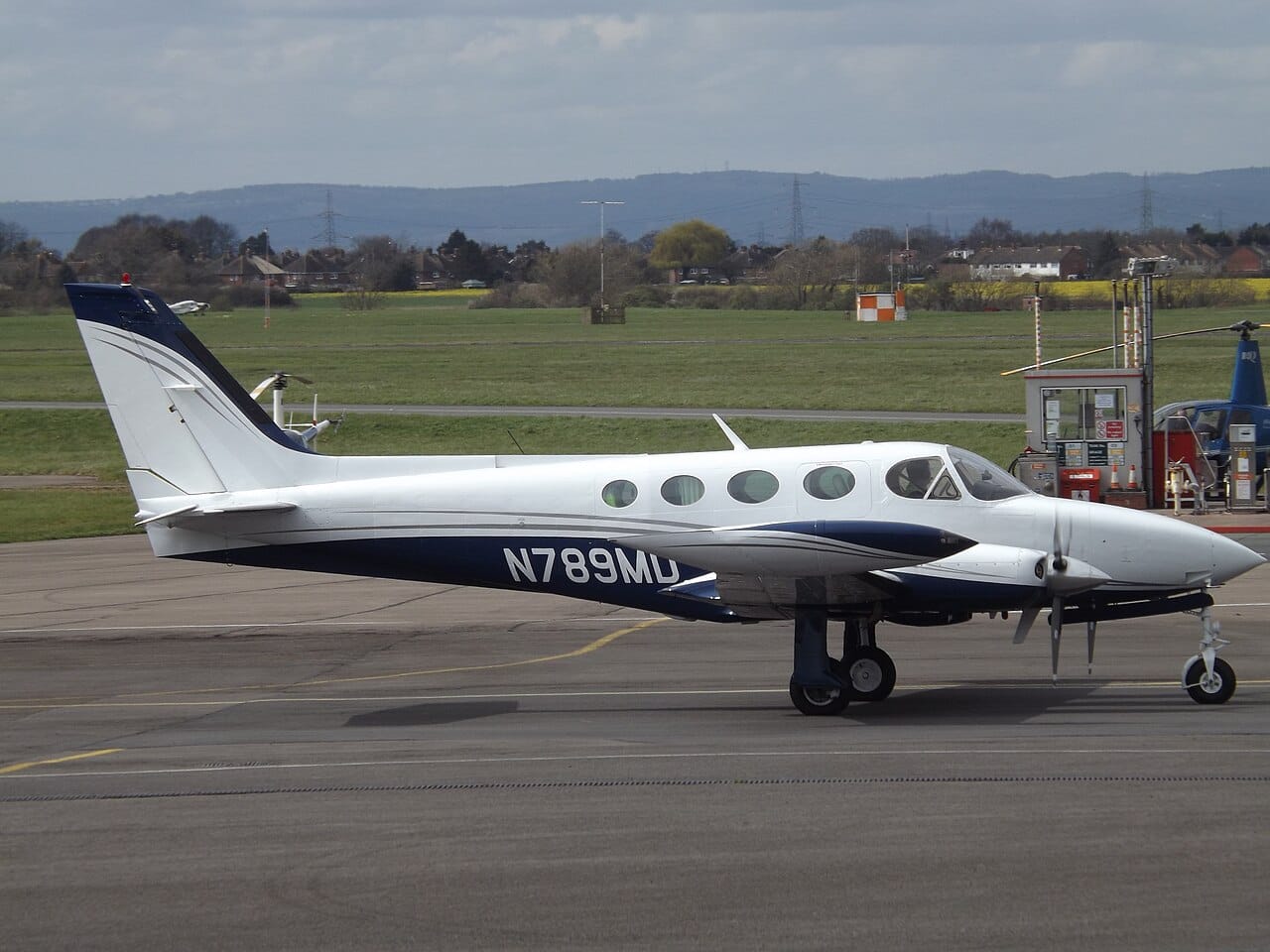
Note what happens with twins: you run the calculation twice. A light piston twin with two IO-540s is carrying $55 to $70 per hour in engine reserve alone before anything else. That is the single biggest reason twins surprise first-time owners, and we cover the rest of the picture in our guide to small twin engine prop planes.
Heads Up: Turbocharged engines are not just more expensive to overhaul. Turbochargers, wastegates, intercoolers and exhaust systems run hot and fail on their own schedule. Add several dollars per hour beyond the base engine reserve if you fly behind one.
The Propeller Reserve Almost Everyone Underfunds
The propeller is the most commonly forgotten reserve, because it looks like a solid piece of metal that will never wear out. It does wear out, and the manufacturers set overhaul intervals in both hours and years.
Hartzell publishes recommended overhaul periods in its Service Letter HC-SL-61-61 series, and McCauley does the same in Service Bulletin SB137. For most light piston applications the interval runs 2,000 to 2,400 hours or six years, whichever comes first. If you fly 100 hours a year, the six-year clock wins every single time.
What does a prop overhaul actually cost?
A fixed-pitch aluminum propeller is the cheap case. Dressing and reconditioning runs a few hundred dollars, and outright replacement typically falls in the $3,000 to $5,000 range. Spread across 2,000 hours that is $1 to $3 per hour.
A two-blade constant-speed aluminum prop commonly overhauls for roughly $3,500 to $6,000, and a three-blade for roughly $6,000 to $10,000, more if blades need replacement or if the hub has composite blades. Add $1,200 to $2,500 for a propeller governor overhaul at the same interval. If you fly 100 hours a year and the six-year limit governs, you are amortizing a $7,000 event over 600 hours — about $12 per hour.
Keep in Mind: A prop strike changes the math instantly and ends the conversation about intervals. Lycoming's Service Bulletin No. 533 calls for a complete engine teardown after a propeller strike, and that inspection is mandatory in practice for most operators. We break the bill down in prop strike teardown cost.
The Unscheduled Powerplant Reserve
Between overhauls, engines still eat money. A cylinder that fails a compression check and comes off for repair or replacement can run $1,500 to $3,500 installed. Magnetos need periodic internal inspection, typically at 500-hour intervals per the magneto manufacturer's bulletins. Starters, alternators, vacuum pumps, fuel pumps, exhaust risers and rubber hoses all have finite lives.
Budget $5 to $12 per hour for this category on a piston single. It is the line that keeps an unexpected shop visit from raiding the overhaul fund. If you are new to ownership, our piece on unexpected costs new Cessna 172 owners don't budget for covers the ones that catch people first.
Pro Tip: Oil analysis and filter cutting at every change cost very little and give you months of warning before a cam or cylinder problem turns into an unplanned teardown. Owners who track trends generally spend less on surprises. Our explainer on the 50-hour inspection for Lycoming engines covers the routine side of that discipline.
Avionics: A Sinking Fund, Not a Reserve
Avionics have no TBO. A GPS navigator does not wear out at 2,000 hours. What actually happens is that a database subscription ends, a display goes dark after fifteen years, a part goes out of support, or a new mandate arrives and suddenly the panel has to change.
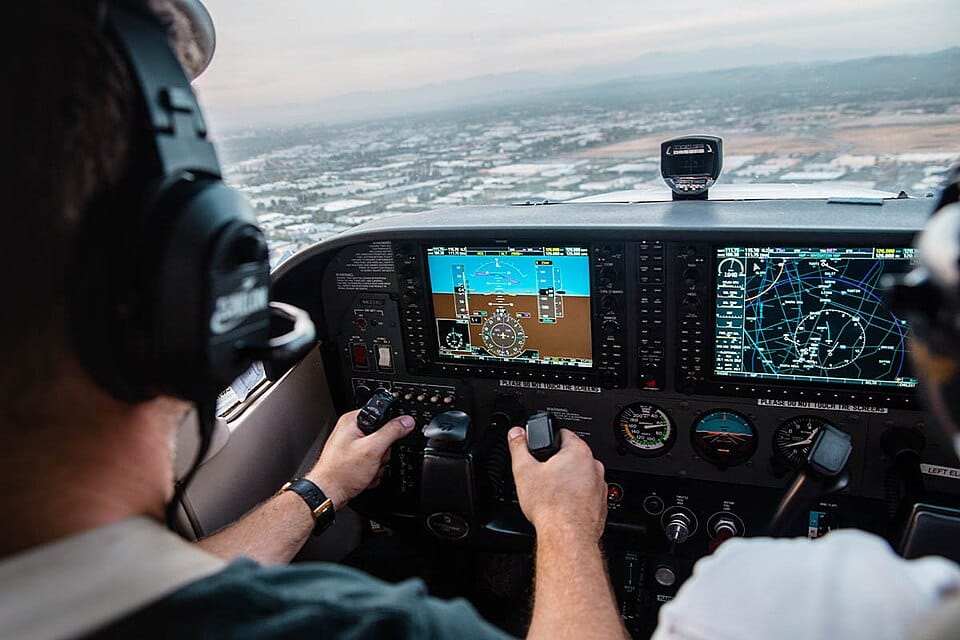
Treat it as a sinking fund. Look at your panel, estimate what a comparable refresh would cost today, and divide by a 10 to 15 year cycle. A single navigator replacement installed commonly runs in the high teens of thousands of dollars. A full retrofit of primary flight displays, engine monitor, autopilot and navigators in a light single frequently lands in the $30,000 to $70,000 range depending on how far you go.
At 100 hours a year and a $30,000 refresh every twelve years, that is $25 per year per thousand dollars — roughly $2,500 annually, or $25 per hour. Most owners set $5 to $15 per hour and accept that part of the refresh will come from other savings or from the resale premium the upgrade creates.
Fun Fact: Avionics is the one reserve line that usually returns some of its money at sale. A modern, well-integrated panel does not recover its full installed cost, but it moves an airplane far faster than an identical airframe with a 1980s stack.
Flying411 keeps avionics-equipped listings and panel details in one place, so you can compare what a refreshed cockpit is actually worth on the market.
Putting It Together: Two Worked Examples
| Reserve line | Cessna 172S, 120 hr/yr | Bonanza A36, 150 hr/yr |
| Engine | $25/hr | $38/hr |
| Propeller + governor | $2/hr (fixed pitch) | $11/hr (three-blade, 6-yr clock) |
| Unscheduled powerplant | $7/hr | $12/hr |
| Avionics sinking fund | $8/hr | $13/hr |
| Total reserve | $42/hr ≈ $5,040/yr | $74/hr ≈ $11,100/yr |
Neither figure includes fuel, oil, hangar, insurance, the annual inspection, database subscriptions or training. Those are separate, and they are the numbers most owners already track. Reserves are the invisible half.
Where to Keep the Money and How to Fund It
Open a separate account. Not a sub-ledger in your head — a real account you have to make a deliberate decision to raid. A high-yield savings account or short-term treasury fund works fine; the money sits for years, so it should earn something.
Fund monthly, not by the hour
Hourly funding sounds precise, but it fails in the winter when you do not fly and the calendar keeps running. Take your annual reserve target, divide by twelve, and set an automatic transfer. If you fly more than planned, top it up at year end.
Review it every annual
Overhaul costs have risen sharply. A reserve figure you set five years ago is probably twenty to forty percent light today. At each annual, ask your shop what a comparable overhaul is quoting now, and adjust.
Quick Tip: If you share the airplane, write the reserve rate into the partnership or club agreement as a per-hour charge collected with the wet rate. Partnerships that treat reserves as optional end in arguments when the engine makes metal.
The Honest Counterargument
Some owners say reserves are pointless because they will sell before overhaul. There is real logic there — but the market prices engine time. Buyers and appraisers discount a run-out engine by a large share of the overhaul cost, so selling early does not avoid the bill; it just hands it to you as a lower sale price. You pay either way. What the reserve buys you is the choice of when and to whom.
The one situation where lighter reserves genuinely make sense is short-hold ownership with high utilization, where you will put the hours on, sell with mid-time engines, and the discount is modest. Buyers in that position should read our notes on the best plane for time building and on whether to buy an airplane for flight training, where the math is different because the hours come fast.
Turbines Follow the Same Logic, Bigger Numbers
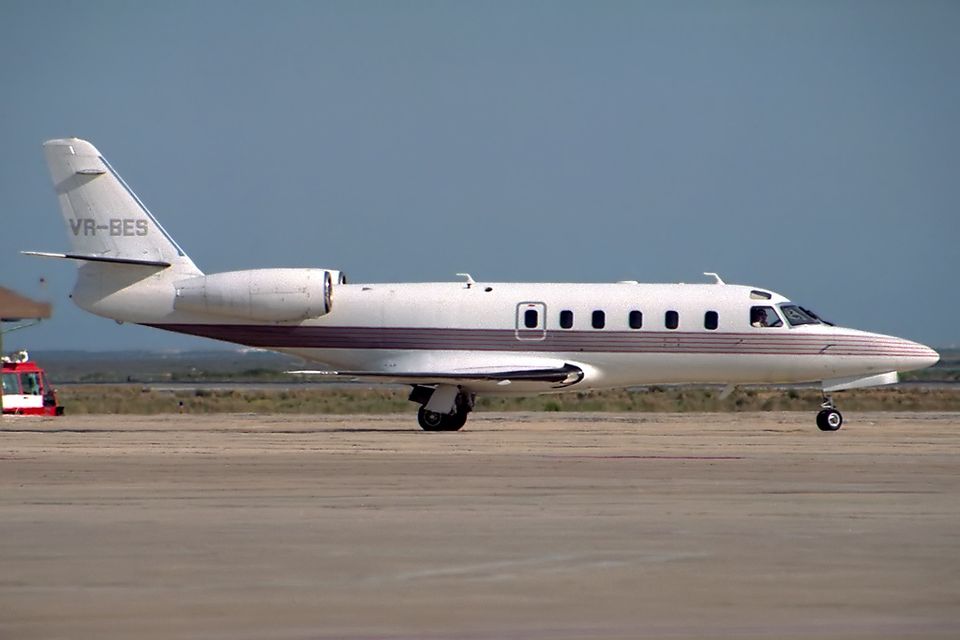
Turboprops and jets use the same formula, but with hot section inspections, life-limited components tracked by cycles, and manufacturer programs available. A PT6A-series overhaul runs into the hundreds of thousands of dollars against a TBO commonly in the 3,000 to 4,000 hour range, and most operators either join an engine program or reserve at a rate quoted by their maintenance tracking provider. Landing gear overhauls, APU hot sections and calendar-driven airframe inspections join the reserve list. Our breakdown of IAI Astra 1125 operating cost per hour shows how those lines stack up on a light jet.
Flying411 keeps piston, turboprop and jet listings in one place, so you can compare acquisition price against the reserve burden each type carries.
Conclusion
Deciding how much to set aside per flight hour is not guesswork once you break it into pieces: price the whole event with labor and accessories included, divide by 80 to 85 percent of published TBO, check the answer against the calendar limit, and repeat for the propeller, the unscheduled powerplant line and the eventual panel refresh. For most piston singles the honest number lands between $35 and $80 per hour, and for a light twin it is roughly double the engine portion.
Set it up once, automate the monthly transfer, and revisit the figure at every annual. The owners who stay in aviation for decades are rarely the ones with the most money. They are the ones who never let an overhaul become a surprise.
When you are ready to compare listings, visitFlying411and see what is on the market today.
Frequently Asked Questions
Is a $20 per hour engine reserve enough for a Cessna 172?
It can be, but the right figure depends on the exact engine and its current published TBO. Lycoming now allows up to 2,600 hours for certain eligible factory-new and factory-rebuilt O-320 and IO-360 engines, while other engines retain shorter intervals. Use the latest Lycoming SI 1009 for your specific engine, then divide the expected installed overhaul cost by a conservative planning interval. The engine reserve still excludes the propeller and unscheduled work.
Do I have to overhaul at TBO?
Under Part 91, no. TBO published in documents like Lycoming Service Instruction 1009 is a recommendation for privately operated aircraft. Aircraft flown for hire under Part 135 generally must comply with the approved maintenance program. Running past TBO on condition is common and legal for Part 91, but your reserve should still be funded, because on-condition operation ends abruptly when the engine decides it is done.
Should I reserve for the propeller separately?
Yes, as its own line. Propellers have their own calendar-driven overhaul interval — commonly six years for light piston applications under Hartzell and McCauley service documents — which arrives long before the hour limit for most private owners. Lumping it into the engine reserve is how owners end up short.
What if I inherit an engine that is already halfway to TBO?
Your reserve rate goes up, not down. You have fewer remaining hours to collect the same overhaul cost. Divide the full estimated overhaul by the hours actually remaining at your planning fraction of TBO. That is also a fair thing to negotiate on during a purchase: a mid-time engine should be priced between fresh and run-out.
Can I skip the avionics reserve if my panel works fine?
You can defer it, but the bill tends to arrive as a mandate or a failure rather than a choice. If money is tight, fund engine and propeller first, unscheduled second, and avionics last. Just do not tell yourself the panel is free forever.
Do reserves apply if I only fly 40 hours a year?
They apply more. Low utilization means calendar limits drive nearly every overhaul, so you should budget by the year rather than the hour. Figure out what the twelve-year engine recommendation and six-year propeller interval will cost, divide by the months available, and fund that — your effective cost per hour will look high, because it is.