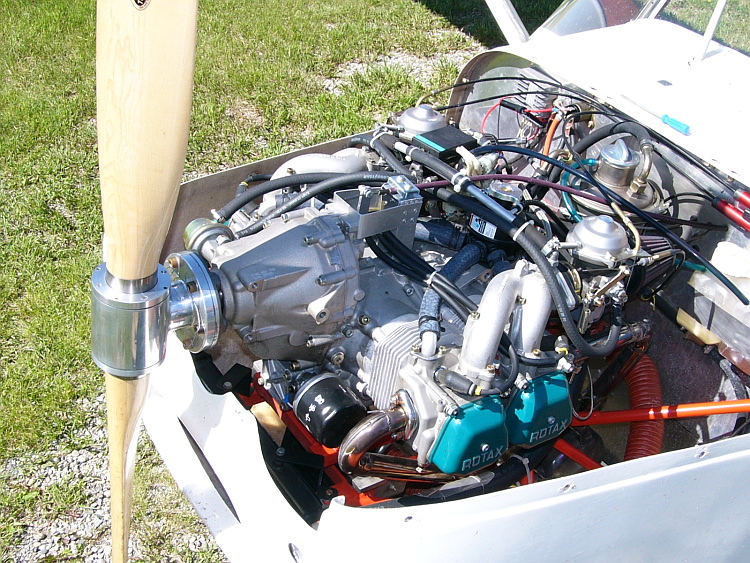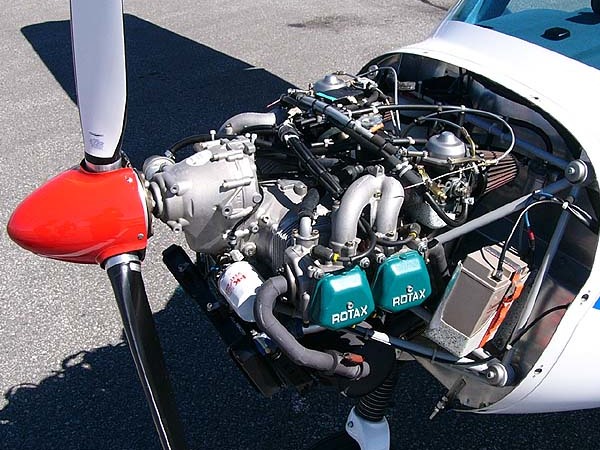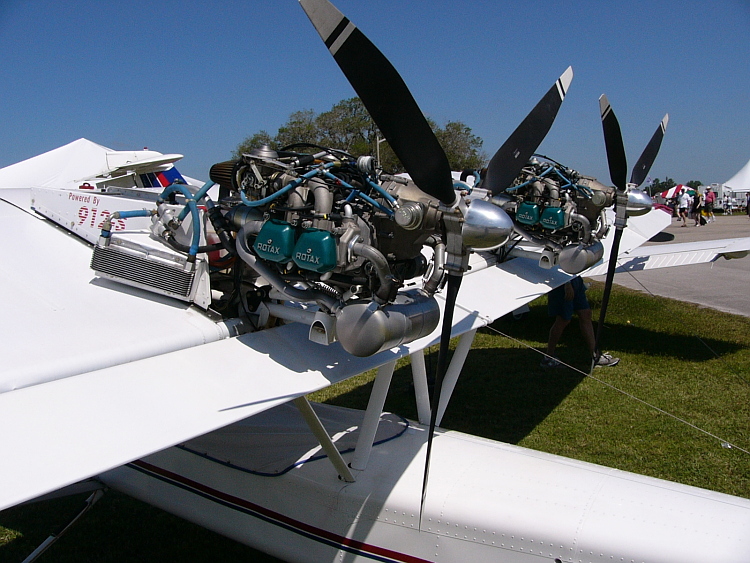
Your aircraft engine is doing one of the hardest jobs in all of machinery. It's keeping you in the sky. That means an aircraft engine inspection isn't simply paperwork — it's the single most important thing you can do to protect your safety, your passengers, and your investment.
Whether you fly a Cessna 172 on weekends or manage a fleet of Piper Seminoles, you need to know what happens during an engine inspection, when it's required, and what to do when something doesn't look right.
This guide walks you through the entire process in plain language. We'll cover the inspection types, the step-by-step checklist, common defects, real costs, and how to find the right mechanic and parts when you need them.
Key Takeaways
An aircraft engine inspection is a required maintenance check that evaluates the internal and external condition of your engine to keep it safe and legal to fly. The FAA mandates different inspections at different intervals, and skipping them can ground your plane, void your insurance, or put lives at risk. Most piston engine inspections include compression tests, borescope exams, spark plug checks, and oil analysis. Costs range from around $800 for a simple 100-hour check up to $5,000 or more for twin-engine or turbine aircraft.
| Takeaway | Details |
| What it is | A systematic check of your aircraft engine's health — internal and external |
| Who performs it | A&P mechanics (100-hour), IA mechanics (annual), or pilots (pre-flight) |
| How often | Pre-flight (every flight), 50-hour (oil change), 100-hour (for-hire), annual (all aircraft) |
| Typical cost | $800–$2,000 (single piston); $5,000+ (twin/turbine) |
| Key tests | Compression check, borescope exam, oil analysis, magneto timing, exhaust inspection |
| Why it matters | Prevents in-flight failures, maintains resale value, keeps insurance valid |
Why Regular Aircraft Engine Inspections Are Non-Negotiable
Let's be direct: an engine failure at altitude is not like a car breaking down on the highway. There's no shoulder to pull onto at 5,000 feet. That fact alone makes routine engine inspections one of the most important habits in aviation.
FAA Requirements
The FAA mandates engine inspections under 14 CFR Part 91.409. Every certified aircraft must receive at least an annual inspection. Aircraft used for hire — like flight schools and charter operations — also need 100-hour inspections. These aren't suggestions. Flying without a current inspection means the aircraft is not airworthy, period.
Financial Protection
A well-maintained engine with a clean logbook is worth significantly more at resale. Gaps in your maintenance records can knock thousands off your aircraft's value.
Insurance is another big factor. Most aviation insurers require compliance with all manufacturer service bulletins (SBs) and FAA Airworthiness Directives (ADs). If you miss an inspection or skip an AD, your premiums could jump — or worse, a claim could be denied entirely.
Tip: Keep a digital backup of every inspection report, oil analysis, and AD compliance entry. A well-documented engine history can add 10–15% to your aircraft's resale value.
A Brief History of Aircraft Engine Maintenance Standards
Engine inspections haven't always been this rigorous. In the early days of aviation, maintenance was more art than science. Pilots often did their own repairs with whatever tools and parts they had on hand.
The turning point came after a series of high-profile accidents in the 1940s and 1950s. The Civil Aeronautics Board (the FAA's predecessor) began requiring formal inspections and maintenance logs. By the 1960s, the FAA's current regulatory framework — including the annual and 100-hour inspection requirements — was well established.
Today, the system includes manufacturer-recommended Time Between Overhaul (TBO) guidelines, Airworthiness Directives, and service bulletins. These layers of oversight have made general aviation dramatically safer over the decades.
Types of Aircraft Engine Inspections
Different types of flying require different inspection schedules. Here's a breakdown of each one and when it applies to you.
Pre-Flight and Post-Flight Checks
These are the inspections you do as the pilot. Before every flight, walk around the aircraft and visually check the engine compartment. Look for oil leaks, loose wires, fuel stains, and unsecured cowling fasteners. After you land, take a quick look again — especially if you noticed anything unusual during the flight.
This is basic "pilot preventive maintenance," and it's your first line of defense.
The 50-Hour Inspection
Think of this as your engine's regular oil change. Every 50 hours of operation, you should change the oil and cut open the oil filter to inspect for metal particles. This interval is also when most pilots send an oil sample out for spectrographic analysis.
The 50-hour check isn't a regulatory requirement for Part 91 private operations, but it's considered a best practice by virtually every engine manufacturer, including Lycoming and Continental.
The 100-Hour Inspection
This one is mandatory for aircraft used for hire or flight instruction under 14 CFR 91.409(b). It's more thorough than a 50-hour check and includes tasks like:
- Differential compression test on all cylinders
- Spark plug removal, cleaning, and inspection
- Control cable and linkage check
- Exhaust system inspection
- Engine mount inspection
An A&P mechanic can perform and sign off a 100-hour inspection.
The Annual Inspection
This is the big one. Every certificated aircraft needs an annual inspection within 12 calendar months, regardless of how many hours it has flown. Only a mechanic with an Inspection Authorization (IA) can sign off an annual.
The annual covers everything the 100-hour does, plus a more in-depth review of the entire airframe and engine. Think of it as the comprehensive physical exam for your airplane.
Progressive Inspection Programs
If you fly a lot — say, 500+ hours a year — a progressive inspection program might make more sense. Instead of grounding the aircraft for a full annual, the work is broken into smaller segments completed at regular intervals. This keeps your plane in the air more often and spreads out the cost.
Progressive programs must be FAA-approved and are especially popular with flight schools and charter operators.
Comparison: Inspection Types at a Glance
| Inspection Type | Frequency | Who Performs It | Required For | Typical Scope |
| Pre-flight | Every flight | Pilot | All aircraft | Visual check of engine, oil, fuel |
| 50-Hour | Every 50 hours | Pilot or A&P | Recommended (not mandatory for Part 91) | Oil change, filter cut, oil analysis |
| 100-Hour | Every 100 hours | A&P mechanic | For-hire and flight instruction aircraft | Compression, plugs, controls, exhaust |
| Annual | Every 12 months | IA mechanic | All certificated aircraft | Full engine and airframe inspection |
| Progressive | Divided intervals | A&P / IA | FAA-approved programs | Same as annual, spread over time |
The Step-by-Step Aircraft Engine Inspection Checklist
A proper engine inspection follows a methodical process. You can't eyeball it and call it done. Here's what a thorough inspection looks like from start to finish.
Step 1: Preparation and Engine Cleaning
You can't inspect what you can't see. Start by cleaning the entire engine and removing the cowling. A clean engine makes it much easier to spot fresh oil seepage, fuel stains, exhaust soot, or cracked components.
Secure the aircraft so it won't roll or shift during the inspection. Disconnect the battery if you'll be working near electrical components.
Step 2: Differential Compression Test
The compression test is one of the most important diagnostics you'll run. It measures how well each cylinder holds pressure, which tells you about the health of the valves, rings, and cylinder walls.
Here's how it works: you apply 80 PSI of air pressure to the cylinder through the spark plug hole and measure how much leaks out. The result is expressed as a fraction — for example, 78/80 means you're losing only 2 PSI, which is excellent.
What the Numbers Mean:
- 75/80 or higher — Cylinder is in good shape
- 60/80 to 74/80 — Monitor closely; may need attention soon
- Below 60/80 — Further investigation needed (borescope, valve inspection)
Where the air leaks tells you what's wrong:
| Air Escaping From | Likely Problem |
| Exhaust pipe | Exhaust valve not seating properly |
| Oil breather tube | Worn piston rings |
| Intake/carburetor | Intake valve not seating properly |
| Adjacent cylinder | Blown head gasket (rare in aircraft engines) |
Step 3: Borescope Examination
A borescope is a small camera on a flexible tube that lets you look inside the cylinder without disassembling anything. This is one of the most valuable diagnostic tools in modern engine maintenance.
During a borescope exam, the mechanic is looking for:
- Cylinder wall scoring — scratches or grooves in the barrel
- Corrosion — rust or pitting, often from sitting unused
- Valve condition — uneven burning, carbon buildup, or pitting
- Combustion deposits — abnormal carbon patterns that suggest bad fuel mixture
A borescope exam paired with a compression test gives you a much more complete picture of cylinder health than either test alone.
Step 4: Spark Plug Inspection
Spark plugs are small, but they tell a big story. Remove all plugs and examine them closely. The deposits on the electrodes reveal how the engine is running.
| Plug Appearance | What It Means |
| Light tan or gray | Normal combustion — engine is running well |
| Black and sooty | Running too rich (too much fuel) |
| White or blistered | Running too lean (too little fuel) — dangerous |
| Oily deposits | Oil getting past rings or valve guides |
| Lead fouling (shiny deposits) | Common with leaded avgas; clean and rotate plugs |
Tip: Rotate your spark plugs from top to bottom positions at every 50-hour oil change. This helps prevent lead fouling and extends plug life.
Step 5: Ignition and Electrical Systems
Check the magnetos for proper timing. Most piston aircraft engines have dual magnetos for redundancy — if one fails, the other keeps the engine running.
Inspect the ignition harness (the wires connecting magnetos to spark plugs) for cracking, chafing, or brittleness. Old ignition leads are a common source of misfires.
Also check the alternator belt for wear and proper tension, and inspect the starter and associated wiring.
Step 6: Fuel System Inspection
Go over every fuel line, fitting, and clamp. Rubber fuel hoses should be flexible — not stiff, cracked, or bulging. A brittle fuel line is a fire hazard.
Check the fuel servo or carburetor for leaks. Inspect the gascolator (fuel strainer) and replace the screen if needed. On fuel-injected engines, check the injector nozzles for clogs.
Step 7: Exhaust System Inspection
The exhaust system deserves serious attention. An exhaust leak can allow carbon monoxide into the cabin — and that can be fatal.
Look for:
- White or orange powdery residue at joints — a telltale sign of an exhaust leak
- Cracks in the exhaust pipes, muffler, or heat exchanger
- Discoloration or heat signatures on nearby components, which suggest hot gas is blowing where it shouldn't
Safety Alert: If you find any sign of an exhaust leak, the aircraft should not fly until the issue is resolved. Carbon monoxide is odorless and can incapacitate a pilot before they even realize something is wrong.
Step 8: Oil System and Oil Analysis
Drain the oil and cut open the filter. Use a bright light and a magnifying glass to examine the filter element for metal particles.
- Ferrous (magnetic) particles — usually come from steel gears, camshafts, or crankshafts
- Non-ferrous (non-magnetic) particles — typically from bearings, piston pins, or bushings
Send an oil sample to a lab for spectrographic analysis. A single sample doesn't tell you much on its own, but a series of samples over time creates a trend. A rising level of iron, copper, or aluminum in the oil can flag internal wear long before it becomes a failure.
Cost Note: Oil analysis typically costs $20–$35 per sample. That's an incredibly cheap early warning system for an engine that costs $25,000–$60,000 to overhaul.
Step 9: Engine Mount and Accessory Check
Inspect the engine mount for cracks, especially at weld points. Check the rubber Lord mounts (shock mounts) for deterioration. A worn engine mount can cause excessive vibration, which accelerates wear on everything attached to the engine.
Also check accessories: the vacuum pump, propeller governor, fuel pump, and any other engine-driven components.
Common Defects Found During an Aircraft Engine Inspection
Finding a problem is stressful, but catching it on the ground is always better than discovering it in flight. Here are the most common issues mechanics encounter.
Metal in the Oil Filter
Small amounts of metal in the filter are normal during break-in or after a long period of inactivity. But significant metal — especially chunks or flakes larger than a grain of sand — indicates a serious internal problem.
The type of metal matters:
| Metal Type | Magnetic? | Likely Source |
| Steel | Yes | Gears, camshaft, crankshaft |
| Aluminum | No | Pistons, case halves |
| Copper/Bronze | No | Bearings, bushings |
| Chrome | No | Cylinder walls (piston ring wear) |
Low Compression on One or More Cylinders
Low compression doesn't always mean you need a full engine overhaul. Often, it's an isolated issue:
- A sticking valve can sometimes be freed with penetrating oil and gentle rocking
- Worn rings on one cylinder may only require a cylinder replacement (called a "top overhaul" on that jug)
- A cracked cylinder head requires replacing the entire cylinder assembly
Exhaust Leaks and Cracks
Exhaust components operate under extreme heat and vibration. Cracks commonly form near welds, slip joints, and the area around the exhaust flange. Look for discoloration on adjacent components — if the metal downstream of a joint looks "heat blued," there's likely a leak.
Corroded Cylinder Walls
Aircraft that sit unused for long periods are especially prone to internal corrosion. Moisture condenses on the cylinder walls and causes rust pitting. This is why engine manufacturers recommend either flying regularly or "pickling" the engine with preservative oil if it will sit for more than 30 days.
Magneto Timing Drift
Magneto timing can drift over time, leading to reduced power and rough running. During the inspection, the mechanic will check timing with a buzz box or digital timing light and adjust as needed.
How Much Does an Aircraft Engine Inspection Cost?
Let's talk numbers. Costs vary based on engine type, region, and what the mechanic finds, but here are realistic ballpark figures.
Cost Breakdown by Inspection Type
| Inspection | Estimated Cost | Notes |
| 50-Hour (oil change + analysis) | $150–$400 | Oil, filter, labor, and oil analysis |
| 100-Hour Inspection | $800–$2,000 | Single-engine piston (Lycoming/Continental) |
| Annual Inspection | $1,000–$3,000 | Depends on squawks found |
| Annual + Major Squawks | $3,000–$8,000+ | If cylinders, exhaust, or accessories need work |
| Turbine/Twin Annual | $5,000–$15,000+ | Turboprops and twins are significantly more complex |
What Drives Costs Up?
Several factors can push your inspection bill higher:
- Cylinder work — A single jug replacement can cost $3,000–$5,000 installed
- Exhaust repairs — Welding or replacing exhaust components: $500–$2,500
- Magneto overhaul — Typically $500–$800 per magneto
- AD compliance — Some Airworthiness Directives require expensive one-time modifications
- Labor rates — Shop rates range from $85/hour in rural areas to $150+/hour near major metros
Budget Tip: Set aside a maintenance reserve of $15–$25 per flight hour for engine maintenance. This smooths out the financial impact of unexpected findings and keeps you from being caught off guard at annual time.
How an Aircraft Piston Engine Works (And Why Each Part Matters)
Understanding how your engine works helps you understand why each inspection point exists. Most general aviation aircraft use horizontally opposed, air-cooled piston engines — usually built by Lycoming or Continental.
The Four-Stroke Cycle
- Intake — The piston moves down, drawing a fuel-air mixture into the cylinder
- Compression — The piston moves up, compressing the mixture
- Combustion (Power) — The spark plug ignites the compressed mixture, forcing the piston down
- Exhaust — The piston moves back up, pushing spent gases out through the exhaust valve
This cycle happens hundreds of times per minute. At 2,400 RPM, each cylinder fires 1,200 times per minute. That's a lot of stress on valves, rings, and bearings — which is exactly why we inspect them.
Why Dual Ignition Matters
Aircraft engines have two spark plugs per cylinder, each fired by a separate magneto. This isn't just for efficiency — it's a safety feature. If one magneto fails, the engine keeps running on the other. During your pre-flight magneto check, you're verifying that both systems are working.
Turbine Engines: A Different Animal
Turbine engines (found in turboprops and jets) work on a continuous combustion cycle rather than reciprocating pistons. They suck in air, compress it, add fuel, ignite it, and use the expanding gases to spin a turbine. Inspection points for turbines focus on compressor blades, turbine blades, hot section components, and fuel nozzles — and the costs are proportionally higher.
Time Between Overhaul (TBO): What You Need to Know
Every aircraft engine has a manufacturer-recommended Time Between Overhaul (TBO). This is the number of flight hours after which the manufacturer recommends a complete teardown and rebuild of the engine.
Common TBO Values
| Engine | TBO (Hours) |
| Lycoming O-320 | 2,000 |
| Lycoming IO-540 | 2,000 |
| Continental IO-550 | 1,700 |
| Continental O-200 | 1,800 |
| PT6A Turboprop | 3,000–8,000 (varies by model) |
Is TBO Mandatory?
For Part 91 private operations, TBO is a recommendation, not a legal requirement. You can legally fly past TBO as long as the engine passes its annual inspection. However, many insurance companies and leaseback agreements require TBO compliance.
For Part 135 commercial operations, TBO is mandatory.
Reality Check: Flying past TBO isn't automatically dangerous, but it does increase risk. Oil analysis, compression trends, and borescope findings become even more critical as you approach and pass TBO. Work closely with your mechanic to make an informed decision.
Oil Analysis: Your Engine's Blood Test
If the compression check is like listening to the engine's heartbeat, oil analysis is like running a blood panel. It's one of the cheapest and most effective monitoring tools available.
How It Works
At every oil change (typically every 50 hours), you collect a sample from the oil drain and send it to a lab. The lab uses spectrographic analysis to measure the concentration of various metals and contaminants in the oil.
What the Lab Measures
| Metal/Element | Normal Source | Elevated Levels May Indicate |
| Iron (Fe) | Cylinder walls, camshaft, gears | Accelerated wear on steel components |
| Aluminum (Al) | Pistons, case halves | Piston wear or case fretting |
| Copper (Cu) | Bearings, bushings | Bearing wear |
| Silicon (Si) | Dirt/dust ingestion | Air filter issue or intake leak |
| Lead (Pb) | Leaded avgas | Normal unless extremely high |
| Chrome (Cr) | Cylinder walls (chrome plated) | Ring or cylinder wear |
Why Trending Matters
A single oil sample tells you very little. The real value is in trending — tracking how metal concentrations change over time. A steady, slow increase in iron is normal as an engine ages. A sudden spike is a red flag that demands immediate attention.
Most oil analysis services cost between $20 and $35 per sample. For that price, there's no reason not to do it at every oil change.
Sourcing Parts and Services When Issues Arise
When your mechanic finds something that needs fixing, the clock starts ticking. The aircraft is grounded until the repair is complete, and every day on the ground is a day you're not flying.
Finding Certified Repair Stations
Not every A&P shop can handle every repair. If you need a magneto overhaul, a cylinder repair, or a prop governor rebuild, you may need a specialized facility. The FAA maintains a list of certified repair stations, and directories like Flying411 make it easy to search by specialty, location, and engine type.
Locating Hard-to-Find Engine Parts
Legacy aircraft — especially those with Continental or Lycoming engines that are no longer in production — can have supply chain challenges. Instead of calling shop after shop, use a centralized parts search platform to check inventory across multiple suppliers at once. This can cut your sourcing time from days to minutes.
New vs. Overhauled vs. Serviceable Parts
When replacing a component, you generally have three options:
| Part Condition | Description | Cost (Relative) |
| New | Factory fresh, full warranty | $$$ (highest) |
| Overhauled | Rebuilt to factory specs with new wear parts | $$ (mid-range) |
| Serviceable | Used but inspected and approved for continued use | $ (lowest) |
For critical components like cylinders, many owners prefer new or overhauled. For accessories like alternators or vacuum pumps, serviceable parts can offer excellent value.
Who Is Qualified to Inspect Aircraft Engines?
The FAA sets strict rules about who can perform maintenance on aircraft engines. Here's the breakdown.
Pilots
Under 14 CFR Part 43, Appendix A, a pilot who owns the aircraft can perform certain "preventive maintenance" tasks. These include:
- Changing the oil and filter
- Replacing spark plugs
- Servicing wheel bearings
- Replacing safety wire
- Cleaning or replacing fuel and oil strainers
You cannot perform major repairs, compression tests, or sign off inspections as a pilot.
A&P Mechanics
An Airframe and Powerplant (A&P) mechanic is the workhorse of aircraft maintenance. An A&P can perform and sign off 100-hour inspections, make major repairs, and do everything a pilot can do — plus much more.
IA Mechanics
Only a mechanic with an Inspection Authorization (IA) can sign off an annual inspection. IAs are A&P mechanics who have additional experience and have passed a written exam. They are authorized to approve the aircraft for return to service after an annual.
As an Owner, Stay Involved
Even if you're not turning wrenches, you should be present during your inspection when possible. Ask questions. Review the findings. Understand what your mechanic is seeing. An informed owner is a safer pilot.
Aircraft Engine Inspection Schedule: Quick Reference
Here's a simple reference chart so you always know what's due and when.
| Check | Interval | What Happens | Who Signs Off |
| Pre-flight | Every flight | Visual check: oil, fuel, leaks, security | Pilot |
| 50-Hour | Every 50 hours | Oil & filter change, oil analysis | Pilot or A&P |
| 100-Hour | Every 100 hours | Compression, plugs, controls, exhaust | A&P mechanic |
| Annual | Every 12 calendar months | Full engine and airframe inspection | IA mechanic |
| TBO Overhaul | Per manufacturer (1,700–2,000 hrs typical) | Complete engine teardown and rebuild | Certified repair station |
Don't Let Maintenance Ground You
An aircraft engine inspection is your best tool for keeping your plane safe, legal, and reliable. Whether it's a quick 50-hour oil change or a full annual deep-dive, every inspection is an investment in your safety and the longevity of your engine.
Stay on schedule. Stay involved. And when you need to find a certified A&P mechanic, a specialized repair station, or hard-to-find engine parts, Flying411 has you covered. Browse listings, compare options, and connect with the aviation community to keep you flying with confidence.
Frequently Asked Questions
What is the difference between a 100-hour inspection and an annual inspection?
The scope of work is very similar — both involve a thorough examination of the engine and airframe. The key difference is who can perform them and when they're required. An annual inspection must be signed off by an IA mechanic and is required for all certificated aircraft every 12 months. A 100-hour inspection can be signed off by any A&P mechanic but is only required for aircraft used for hire or flight instruction.
Can a pilot perform an aircraft engine inspection?
A pilot cannot perform a full 100-hour or annual inspection. However, under 14 CFR Part 43 Appendix A, a pilot who owns the aircraft can perform preventive maintenance tasks like changing oil, replacing spark plugs, and servicing wheel bearings. These tasks must be logged in the aircraft's maintenance records.
How much does an aircraft engine inspection cost?
For a standard 100-hour inspection on a single-engine piston aircraft, expect to pay between $800 and $2,000. An annual inspection typically runs $1,000 to $3,000 before any additional repairs. Twin-engine and turbine inspections can exceed $5,000 to $15,000 depending on complexity, labor rates, and what the mechanic finds.
What happens if my engine fails a compression check?
A low compression reading doesn't necessarily mean you need a full overhaul. The mechanic will first determine where the air is leaking — exhaust valve, intake valve, or rings — and may follow up with a borescope exam. Often, the fix is a single cylinder replacement or a valve job on the affected cylinder, not an entire engine teardown.
How often should oil analysis be performed?
Best practice is to send an oil sample for spectrographic analysis at every oil change — typically every 50 flight hours. The value of oil analysis is in the trend over time, not a single snapshot. Consistent testing helps catch increasing wear patterns early, long before they become expensive failures.
Is a borescope inspection required during an annual?
A borescope inspection isn't explicitly required by regulation for every engine type, but it's considered standard practice during an annual inspection. It provides a direct visual look at cylinder walls, valves, and combustion chambers that a compression test alone can't offer. Most experienced IA mechanics include it as part of their routine.
What is TBO and do I have to follow it?
TBO stands for Time Between Overhaul. It's the manufacturer's recommended number of flight hours between complete engine rebuilds. For private Part 91 operations, TBO is a recommendation — not a legal requirement. You can fly past TBO if the engine passes its annual inspection. However, for Part 135 commercial operations, TBO compliance is mandatory. Insurance policies and leaseback agreements may also require it.
What are the signs of an exhaust leak?
The most common sign is a white or orange powdery residue at exhaust joints or flanges. You may also notice discoloration or "heat bluing" on nearby engine components. Exhaust leaks are a serious safety concern because they can allow carbon monoxide into the cabin. If you spot any of these signs, ground the aircraft until the issue is repaired.
How can I reduce aircraft engine maintenance costs?
The best way to reduce long-term costs is to fly regularly and stay on top of scheduled maintenance. Engines that sit idle develop corrosion, which leads to expensive repairs. Other strategies include performing your own preventive maintenance (if you're the owner), using oil analysis to catch issues early, building a maintenance reserve of $15–$25 per flight hour, and using platforms like Flying411 to compare labor rates and part prices.