Owning and flying a Cessna 172 is exciting, but engine terms can feel confusing fast. One term comes up often during maintenance talks and logbook reviews. It is TBO Explained for Cessna 172 Engines, and it shapes how pilots plan flying, budgeting, and safety. Understanding it early helps you feel calm and prepared as you move forward into engine care and smart ownership.
This topic matters because engine hours add up every time the wheels leave the ground. Knowing what those hours mean helps you make better decisions before problems show up.
Key Takeaways
TBO, or time between overhaul, is the number of hours an aircraft engine is expected to run before a full teardown and rebuild is recommended. It is not a legal stop point for many owners, but it helps guide maintenance planning, safety checks, and long-term costs.
| Key Point | What It Means |
| Definition | Manufacturer’s suggested running hours before rebuild |
| Legal limit | Not a hard stop for most private flying |
| Safety role | Helps monitor engine condition |
| Cost planning | Signals future overhaul cost |
| Flexibility | Some engines operate safely beyond it |
What “TBO” Means in General
TBO is a planning number. It tells you how long an aircraft engine is expected to run before a major overhaul is recommended.
This number comes from the engine manufacturer’s testing and service history. It is based on wear seen in real-world flying. When manufacturers publish a tbo, they are setting a benchmark, not predicting failure.
Here is how it works in everyday terms:
- The clock starts at zero after a major engine overhaul or rebuilt engine
- Time adds up with every flight as hours total time
- The count reflects number of running hours, not calendar days alone
TBO does not mean the engine stops working at that hour. Many engines continue to run well past tbo as long as the engine is operating smoothly and inspections stay clean.
For most private owners under part 91, the faa allows flying past tbo if the engine remains airworthy. That means passing inspections and showing no safety issues.
This is common in general aviation, especially with piston aircraft like the cessna 172.
What TBO Means for Cessna 172 Engines
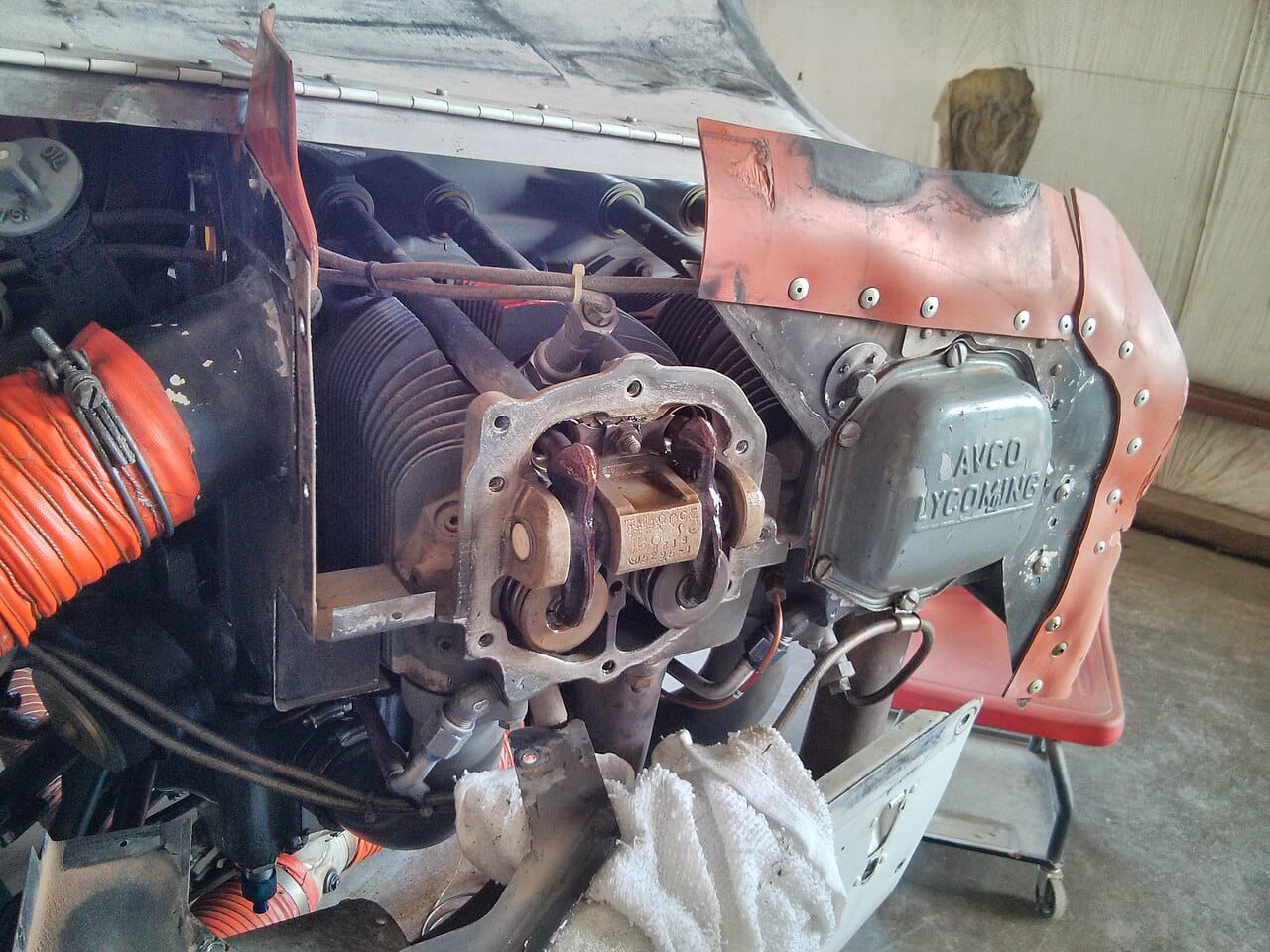
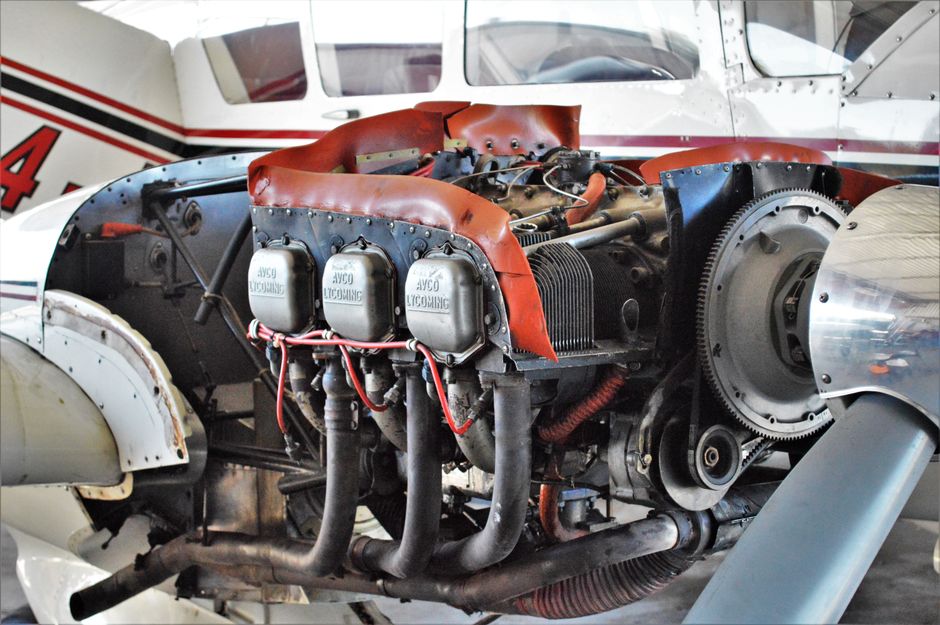
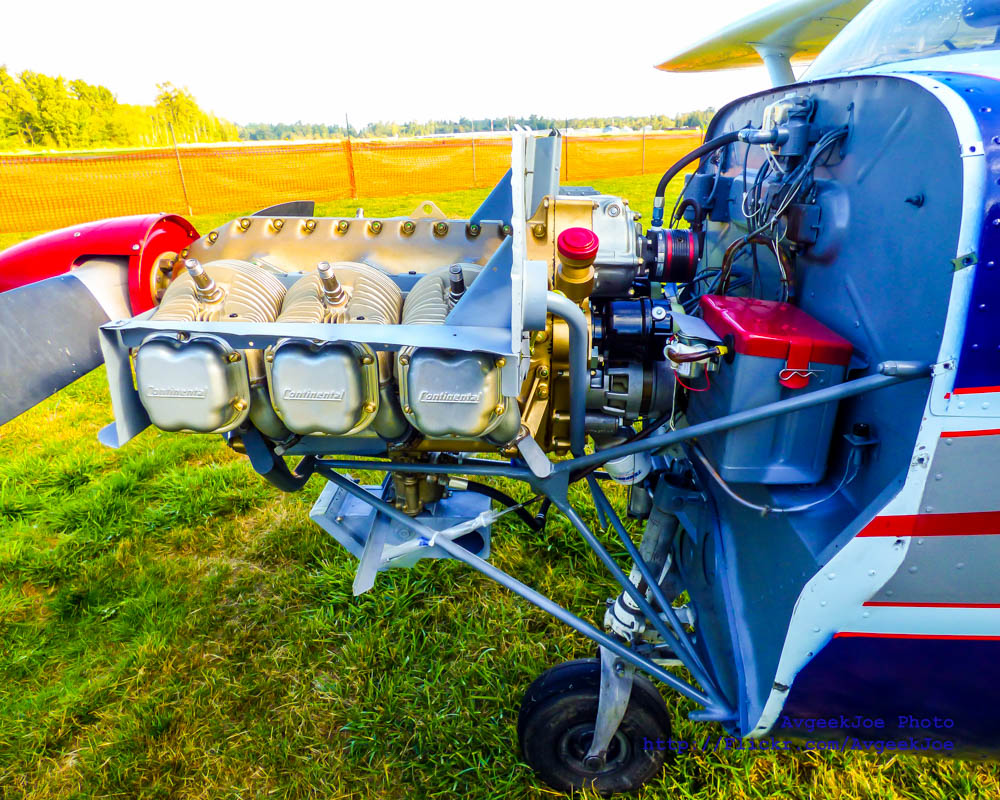
For a 172, TBO affects safety, cost, and resale value. Most models use engines from lycoming or continental motors, and each engine’s tbo is usually around 2,000 hours.
Here is what matters most for an aircraft owner:
- TBO is a recommendation, not an automatic grounding point
- The engine must meet airworthiness standards at every inspection
- A qualified mechanic decides if the engine stays safe to fly
A big factor is engine condition, not just the number. Mechanics look at:
- Compression readings in each cylinder
- Oil consumption trends
- Results from oil analysis and regular oil analysis
- Signs of corrosion inside engine components
- Exhaust leaks in the exhaust system
If these checks look good, the engine may safely continue beyond tbo. This is often called flying tbo without immediate overhaul.
However, ignoring warning signs increases the risk of engine failure or even catastrophic engine failures. That is why data matters.
Tools like oil change records, recommended oil change intervals, and data analysis help spot problems early. Programs such as savvy aviation help owners track trends over time.
Calendar limits also matter. Even with low hours, calendar time can cause internal rust. An engine with low use but high age may still need to overhaul.
When an Overhaul Becomes the Right Choice
An engine overhaul is a full rebuild. It means taking the engine apart, inspecting parts, and replacing worn items. An overhaul is a comprehensive process that resets the clock.
You may need to overhaul when:
- Compression drops across multiple cylinders
- Oil use rises sharply
- Metal appears in oil filters
- The engine shows poor engine performance
At that point, choosing to overhaul the engine protects safety and value. A fresh overhaul can extend engine life and make the aircraft easier to sell as an aircraft for sale listing.
Costs vary, but overhaul cost planning becomes easier when you track time since major overhaul or since major overhaul (smoh) carefully.
Some owners ask about a tbo extension. In certain cases, operators may extend the tbo through approved programs, but rules differ by region and civil aviation authority.
Always check mandatory service bulletins, service bulletins and airworthiness directives, and mandatory service bulletins and airworthiness notices from the manufacturer’s documentation.
How To Think About TBO When Buying a Used Cessna 172
Buying a used Cessna 172 can feel exciting and a little stressful at the same time. One of the first things buyers notice in the logbooks is engine time. That is where TBO becomes important. The goal here is not to fear the number, but to understand it in a calm and practical way.
When you look at engine hours, start with context. An engine with lower hours is not always the better choice. An engine with higher hours is not always a risk. What matters most is how the engine has been used, maintained, and monitored over time.
Start With the Manufacturer’s Guidance
Every engine has a target set by the engine manufacturer. This target is called the recommended tbo. It reflects testing, service data, and long-term wear patterns. This number gives you a reference point, not a final answer.
Some engines are well below this number. Others are closer to it. Some have already gone past it. All of these situations can still be acceptable if the engine shows good health.
It also helps to know that different tbos exist across models and years. Always confirm which engine is installed and what guidance applies to that specific setup.
Understand What Happens as an Engine Gets Closer to TBO
When an engine reaches tbo, nothing sudden happens. The engine does not shut down. The plane does not become unsafe on its own. This moment simply means closer attention is needed.
As hours add up, inspections become more important. Mechanics look closely at wear points and trends. This extra attention helps spot issues early, before they become serious.
Here is what buyers should review carefully:
- Logbook entries for regular maintenance
- Notes from annual inspections
- Oil change history and intervals
- Any repairs or parts replacements
If the records show steady care, that is a positive sign.
Flying Past TBO Can Be Normal
Many buyers worry about engines that are already past the number. In real-world flying, tbo may serve as a planning guide, not a stopping point. For private owners, it is common to see an engine past the listed hours still flying safely.
The key question is simple. Is the engine is running smoothly and showing stable data? If the answer is yes, the engine can still be a solid option.
A good pre-purchase inspection will focus on condition, not fear. Compression checks, oil reports, and general operation tell a clearer story than hours alone.
Ask the Right Questions During the Inspection
A used aircraft purchase should always include a detailed inspection. This inspection helps confirm if the engine will last for the flying you plan to do.
Ask the mechanic questions like:
- How does the engine sound during start and cruise?
- Are compression readings consistent?
- Is oil use steady from change to change?
- Are there signs of abnormal wear?
Clear answers to these questions build confidence. Vague answers are a signal to slow down and dig deeper.
Think About Your Budget and Flying Plans
TBO should guide budgeting, not scare you away. If an engine is closer to overhaul time, the purchase price often reflects that. This can be a good thing if you plan ahead.
Some buyers prefer a lower price now and plan for an overhaul later. Others want more remaining hours and fewer near-term costs. Neither choice is wrong. It depends on how you plan to fly.
Short local flights may put less stress on an engine than frequent long trips. Training use may add hours faster. Match the engine time to your real flying goals.
Compare Piston Engines the Right Way
Cessna 172 engines are piston engines. These behave differently from turbine-powered engines. Turbines often follow stricter limits and cost far more to overhaul. Piston engines offer more flexibility when maintained well.
This is why TBO conversations are common in piston aircraft ownership. Understanding this difference helps keep expectations realistic.
Look at the Whole Airplane, Not One Number
Finally, remember that you are buying an aircraft, not just an engine. Airframe condition, avionics, interior, and overall care all matter. An airplane with a higher-time engine but excellent upkeep can be a smarter buy than a low-time engine with poor records.
TBO is one tool in the decision process. Used correctly, it helps you ask better questions and make calmer choices. Used incorrectly, it creates fear that does not help anyone.
When you understand what the number means and what it does not mean, buying a used Cessna 172 becomes much easier and far less stressful.
Conclusion
Understanding TBO helps you fly smarter and stress less. It explains how hours affect your aircraft’s engine, how to plan for maintenance, and when to act before problems grow. TBO is not a countdown to failure. It is a guide that works best when paired with inspections and good data.
If you want help reviewing engine time, resale value, or aircraft options, Flying411 makes it easier to navigate ownership decisions with confidence.
Frequently Asked Questions
How long will a Cessna 172 engine last past TBO?
Many engines safely fly hundreds of hours hours past TBO if inspections, oil data, and performance remain stable.
Is TBO required by law for private pilots?
For part 91 operations, TBO is not legally required if the engine remains airworthy.
Does a new engine reset TBO?
Yes. A new engine starts at zero hours and follows the full published TBO.
Can calendar time ground an engine?
Yes. Even with low hours, long calendar time can cause corrosion and require overhaul.
Is flying past TBO unsafe?
Not automatically. Risk depends on maintenance quality, inspections, and engine condition, not hours alone.