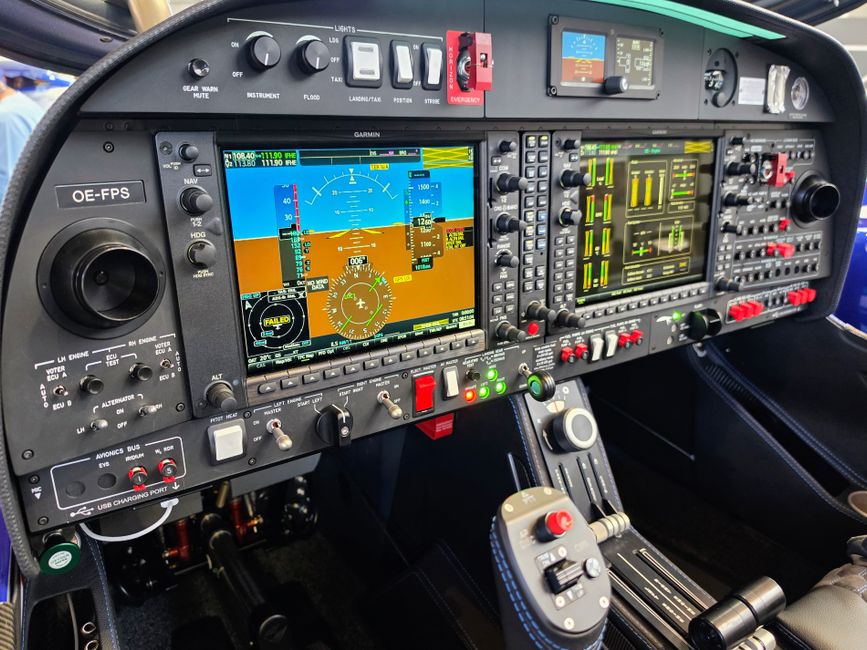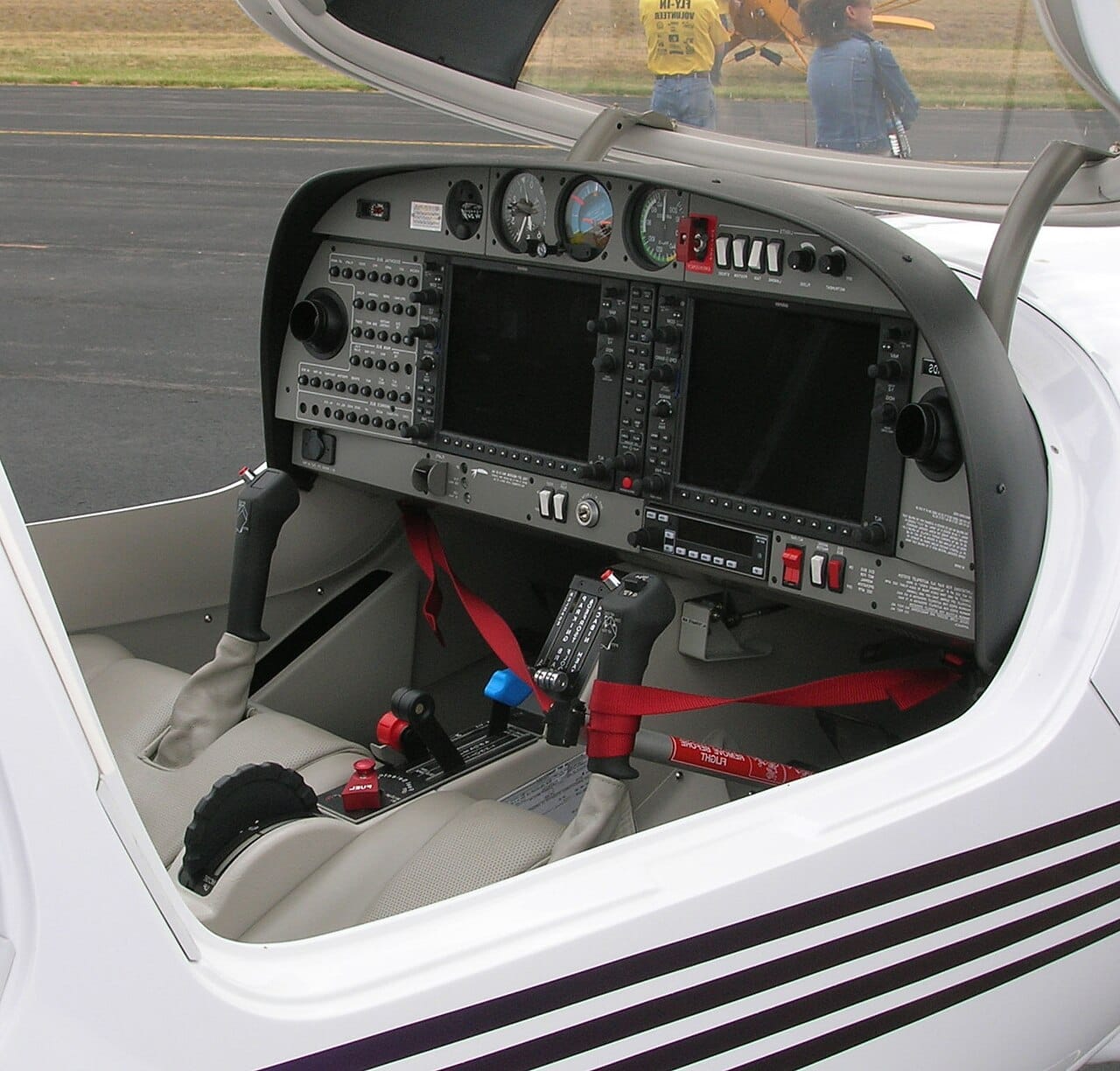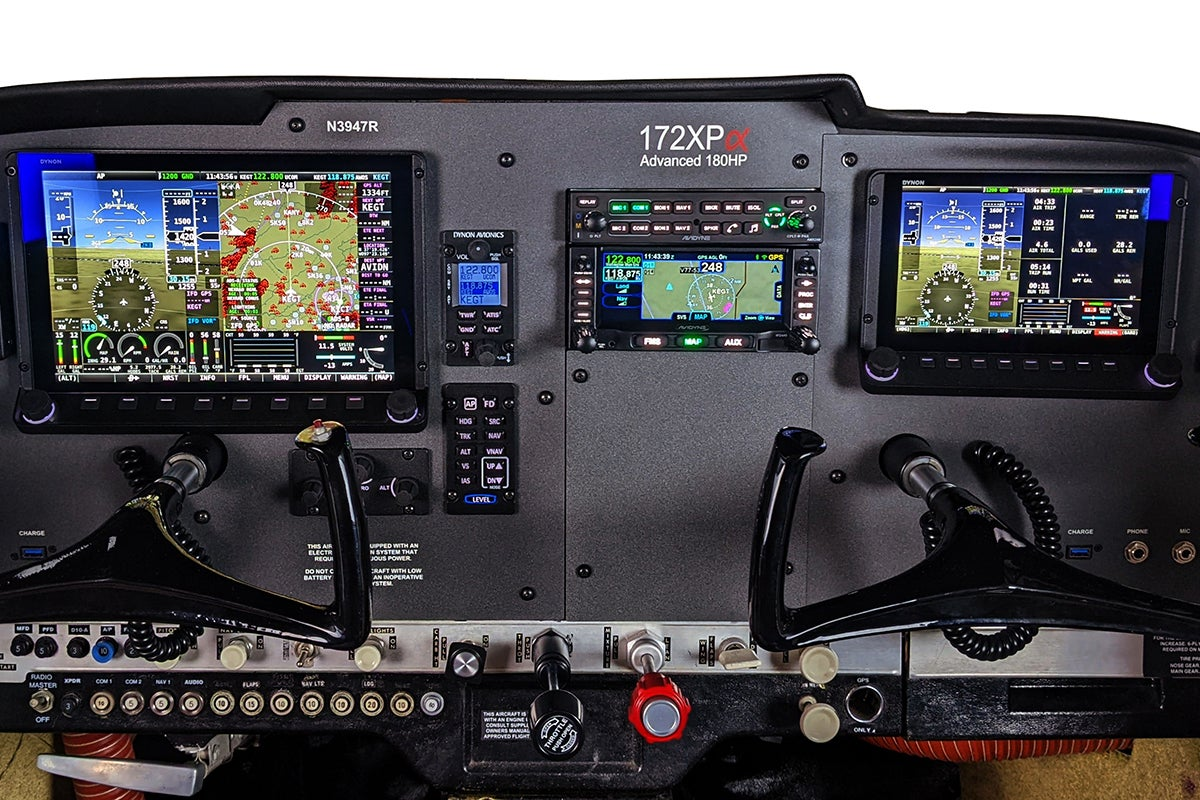
Flying an older trainer can feel familiar and calm. Many pilots feel that way the first time they sit in a well-kept cessna 172. The switches feel simple. The view feels wide. And the airplane feels honest. Still, time moves on. Weather tools get better. Navigation gets smarter. That is why smart updates matter. This guide on Most Valuable Avionics Upgrades for Older Cessna 172 Models helps pilots see what really improves safety and daily flying, step by step, without stress.
Key Takeaways
The most valuable avionics upgrades for older Cessna 172s make flying safer and easier by adding better instruments and clearer displays. Good upgrades include a modern GPS, a digital engine monitor, a reliable radio with emergency features, a backup attitude indicator, and a traffic/weather alert system that helps pilots see dangers sooner.
| Upgrade | What It Does | Why It Helps |
| Modern GPS | Shows exact location and route | Helps pilots navigate safely |
| Digital engine monitor | Shows engine health in real time | Prevents engine trouble in flight |
| Reliable COM radio | Clearer, stronger communication | Keeps pilot in touch with towers |
| Backup attitude indicator | Shows plane’s angle if main fails | Helps keep the plane level |
| Traffic/Weather alerts | Warns of nearby aircraft or storm cells | Gives extra time to avoid hazards |
What Are The Most Valuable Avionics Upgrades For Older Cessna 172 Models?
The most valuable updates are the ones that boost safety, cut workload, and help pilots stay aware. These upgrades often include better navigation, clearer flight data, and modern traffic tools. They help pilots fly with confidence while keeping the plane easy to use.
Why Older Cessna 172 Planes Are Still Popular
Pilots across the country still love the 172. It is stable. It is forgiving. And it is easy to learn. Many flight schools and owners keep them flying for decades. A well-kept cessna has simple systems and gentle handling. That makes it a great airplane for training and travel.
Many pilots think about an upgrade after the purchase of a 172. This often happens when buying an older airframe. The structure is strong, but the panel may feel dated. Older avionics can still work, yet they may lack features that help in busy airspace.
A big reason these planes stay popular is cost control. Parts are common. Many mechanic shops know the type well. Insurance is often fair. Even after an overhaul, owners can keep expenses predictable.
Pilots also like the way the cockpit feels. The classic steam gauge layout with a 6 pack is easy to scan. The round gauge style gives clear clues about speed and altitude. Many owners keep this look but add smart tools behind the scenes.
Forums like pilot's place forums show how owners share tips. Some talk about adding a panel upgrade. Others talk about small changes that fit under approved stc or newer stcs. These approvals keep the plane legal as a certified aircraft.
There is also history. Models like the c172 and later 172s trained thousands of pilots. Even with glass options like g1000 or g3x touch, many still prefer a blended setup. Some even compare choices used in experimental aircraft, but they stay within rules.
In short, the plane works. With a few smart changes, it works even better.
What Avionics Do In A Small Airplane
Modern avionics help pilots see, hear, and plan better. They turn raw data into clear answers. In a small cockpit, this matters a lot.
Navigation is a key role. A modern navigator with nav and GPS guidance helps pilots stay on course. Units like garmin options or the ifd440 guide routes clearly. Older units like the 430w still fly strong, especially with waas support. A waas gps gives tighter accuracy for ifr work and ifr-capable approaches.
Communication also improves. New radios and updated navcoms make calls clear. A good audio panel helps manage voices. Some units even support bluetooth and bluetooth connectivity for headsets and tablets like foreflight or garmin pilot.
Safety tools matter too. An ads-b solution adds traffic and weather right on screen. A smart ads-b transponder like gtx345 or options from uavionix replace an old mode c transponder. These systems often works with garmin displays.
Flight control support helps reduce workload. Basic autopilot systems and newer autopilots hold heading and altitude. This helps on long trips or in busy airspace. Removing the old vacuum system can also boost reliability.
Engine data is another big win. An engine monitor or full engine indication system tracks temps and fuel. Tools like engine analyzers watch chts and trends. This helps spot issues before they grow, even after a new engine install.
Displays tie it together. Digital flight displays like g5, g5s, or a g5 attitude indicator can replace a failing attitude indicator. They support primary flight data and fit well in an older instrument panel.
Ports and power help too. Usb ports keep tablets charged. A radio stack update or major upgrade done by a trusted avionics shop keeps everything tidy and legal.
In the end, good avionics support safer aviation. They help pilots stay calm, informed, and ready.
How to Choose the Right Upgrade for Your Flying Style
Choosing the right upgrade can feel big at first. That is normal. Every pilot flies a little differently. Some flights are short. Some are long. Some are calm. Some get busy fast. The good news is simple. When you match your flying style with the right tools, flying feels easier and safer.
Let’s walk through this step by step, like friends talking it out.
Start With How You Fly
First, think about your usual flights. This helps narrow choices fast.
Ask yourself a few clear questions:
- Do you fly close to home or across states?
- Do you fly in busy airspace?
- Do you fly often or once in a while?
- Do you fly during the day only?
Your answers matter. A weekend flyer has different needs than a long-trip pilot. Both styles are valid. The upgrades should fit you.
For example, someone flying a 172 on short hops may want simple and clear tools. A long-trip pilot may want stronger navigation help.
Know Your Panel Space and Budget
Every cockpit has limits. Space is one. Money is another.
Older panels may need careful planning. Some parts fit easily. Others need changes. This is where experience helps. Many avionics manufacturers offer options for small or older panels.
Budget planning helps too:
- Set a clear top number.
- Save some room for install costs.
- Plan for training time.
A good upgrade should help you fly better, not cause stress later.
Navigation Needs Come First
Navigation tools guide you from start to finish. They affect how confident you feel in the air.
If you fly longer trips, modern GPS units help a lot. A popular choice is the gtn650. It gives clear maps and easy controls. It works well for pilots who want simple inputs.
Older systems like narco units may still work. They often lack newer features. Upgrading can improve clarity and speed.
Also think about signal quality. Units with waas support provide better accuracy. This matters when weather changes or airspace gets tight.
Communication Keeps Things Smooth
Clear talk keeps flights calm. Radios play a big role here.
If you talk to many towers, clarity matters. A newer radio reduces static and missed calls. It also lowers stress during busy moments.
An audio panel can help too. It lets you manage sounds better. You can focus on the most important voice without distractions.
These upgrades help during training, travel, and busy skies.
Safety and Compliance Tools
Some upgrades are not optional anymore. They keep you legal and visible.
One example is ads-b. This system lets others see you. It also lets you see nearby traffic. That extra awareness adds peace of mind.
A working transponder pairs with this system. Together, they help controllers track flights clearly.
These tools support safer skies for everyone.
Flight Control Comfort
Flying can get tiring. This is where support systems shine.
An autopilot helps hold heading and altitude. It reduces workload. On long trips, it helps you stay sharp.
This tool does not replace skill. It supports it. Many pilots say it helps them enjoy flying again.
Engine Awareness Matters
Your engine talks to you. You just need the right tools to listen.
An engine monitor shows key numbers clearly. You can spot issues early. That can save time and money.
Older setups may use one gauge at a time. Newer systems show trends. Trends help you act before problems grow.
Match the Upgrade to the Aircraft
Every model has its own limits. Some upgrades need approval.
A legal approval is called an stc. It confirms the upgrade fits your model. This step matters for safety and resale value.
For example, many upgrades fit a cessna model easily. Others may need extra steps. Always check before buying parts.
Your mechanic or shop can guide you here.
Think About the Full Experience
Upgrades work best when they feel natural. Controls should be easy. Screens should be clear. Training should feel simple.
Also think long-term:
- Will parts still be supported?
- Can updates be added later?
- Does it fit future goals?
A well-planned upgrade grows with you.
Real-Life Example
Let’s look at a simple case.
A pilot flies short trips on weekends. The flights stay close to home. The goal is smooth and calm flying.
Good choices may include:
- A clearer navigation screen
- A clean communication setup
- A basic traffic view system
This setup supports safe, relaxed flying without extra complexity.
Another pilot flies cross-country often. Long legs and changing airspace are common.
That pilot may want:
- Strong navigation accuracy
- A workload helper system
- Full traffic awareness
Same skies. Different needs.
Upgrading should feel exciting, not confusing. Take time. Ask questions. Talk with shops and instructors.
Remember these key points:
- Match tools to your flying habits
- Plan space and budget carefully
- Focus on safety and comfort
- Keep future goals in mind
Every upgrade should help you enjoy aviation more. When the tools fit your style, flying feels smoother and more fun.
And yes, your airplane will thank you too.
Conclusion
Flying an older trainer can feel simple and strong. With the right updates, it can also feel smart and safe. The Most Valuable Avionics Upgrades for Older Cessna 172 Models focus on clear data, better awareness, and steady support in the cockpit. Small steps can make a big difference. If you want clear guidance and trusted insight, explore resources from Flying411 and keep your flying confident.
Frequently Asked Questions
Do older Cessna 172 planes need glass displays?
No. Many pilots keep round gauges and add digital backups. This keeps the feel familiar while adding safety.
Is ADS-B required for all flying?
ADS-B is required in certain airspace. Many pilots add it for traffic awareness even outside those areas.
Can I upgrade avionics without changing the whole panel?
Yes. Many upgrades fit into existing panels with approved paperwork and minimal changes.
Are engine monitors hard to use?
Most are simple. They show clear numbers and alerts that help spot issues early.
How long does an avionics upgrade take?
Time varies. Small installs may take days. Larger panel work can take weeks.