For many people, the idea of high-speed travel feels like a memory from another time. Stories about the concorde crossing oceans in roughly three hours still spark curiosity today. New tests, designs, and research projects make the topic even more interesting, especially as companies talk about a future with safer, cleaner, and quieter supersonic flight. Each step creates a clearer picture of what could come next and hints at a possible return to fast long-distance flying.
WHAT IS SUPERSONIC FLIGHT AND IS SUPERSONIC FLIGHT COMING BACK?
Supersonic flight happens when an aircraft moves faster than the speed of sound, also known as mach 1. When this happens, the jet passes through the sound barrier, which creates a loud sonic boom. Many people saw this in action years ago when the supersonic airliner known as the concorde flew with british airways and air france before it was retired in 2003. Even though it ended, interest in high-speed flying never fully faded.
Today, several groups want to build a future that brings fast air travel back, but with new tools and safer designs. Their goal is to solve old challenges and create modern solutions that fit the needs of 2020s travel.
Key Points to Know
- Jets that go past mach 1 enter supersonic speeds.
- Most airline routes still use subsonic speeds to reduce noise and fuel burn.
- New developers are working on advanced engines, lighter materials, and better controls for future models.
Companies such as boom supersonic play a major role in shaping this future. Their plans include the overture and the overture aircraft, supported by progress made through the xb-1 and the xb-1 demonstrator aircraft. These tests help engineers learn how to improve design, control, and handling for the next generation of jets.
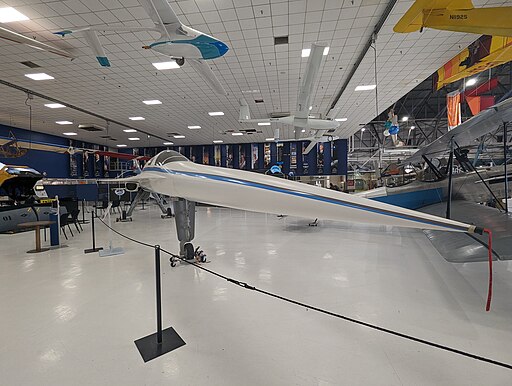
Another important piece comes from nasa, which made the x-59. This supersonic plane focuses on reducing noise during supersonic flight over land. Its goal is to help update long-standing rules like the ban on supersonic flight in certain areas.
Major airlines are also watching. Companies such as american airlines, united airlines, and japan airlines show interest in future supersonic passenger jets. These jets could fly long routes like new york to london or london to new york in much less time. This interest makes the future more believable because airlines want faster, smoother air transport options.
New designs aim to hold around 80 passengers, giving more people a chance to travel at high speed. Plans for business class, regular seating, and flexible layouts show how these jets could fit into normal schedules.
Some events, like the paris air show, show growing excitement around faster flight. Research teams want to use composite materials, better engines, and clean fuels to support the next wave of designs. Some models aim for a cruise speed near mach 1.7, which is almost twice the speed of many current jets.
Cleaner fuel is also a priority. Many future jets plan to use sustainable aviation fuel, supporting greener operations and helping airlines manage operating costs more efficiently.
Older routes such as the famous transatlantic flights show what may be possible again. Back then, the last commercial high-speed services left a strong impression. Today, updated designs and new ideas could support future supersonic passenger flights that fit modern rules and safety needs.
All these signs point to a growing belief that supersonic flight is returning. The progress, interest, and consistent work show a strong push to bring back supersonic travel in a safer and more responsible way. With more tests, clearer data, and public updates, the future of supersonic commercial service looks more possible each year.
HOW COULD NEW TECHNOLOGY DECIDE IF IS SUPERSONIC FLIGHT COMING BACK SOON?
New technology plays a huge role in shaping the future of supersonic travel. Each improvement helps answer the big question of how soon faster flying could return. Engineers work on noise control, cleaner fuel, stronger materials, and better engines. These pieces make high-speed flight safer and more realistic.
Stronger Materials and Better Designs
Many new jets use lighter composite materials. These materials keep the supersonic aircraft stable at high altitude and help reduce pressure stress. Programs such as the supersonic demonstrator and the xb-1 demonstrator guide early design choices by showing how jets behave during testing.
Cleaner Fuel Options
More companies want to use sustainable aviation fuel to support cleaner skies. This helps the environment and builds confidence for airlines that want greener flight options. Plans also show that overture would use cleaner fuel for future operations.
Noise Reduction
Low-noise technology is one of the most important goals. The x-59 helps guide rules from groups like the federal aviation administration and federal aviation. If the jet produces a quieter sonic boom, more routes may open up, especially over land.
Airline Interest
Major airlines such as american airlines, united airlines, and japan airlines want faster options for long routes. A flexible passenger plane that holds around 80 passengers could help make early routes successful.
Testing Events
Important progress can be seen at places like mojave air, the air show, and the paris air show. These events show early steps such as first flight tests, first prototype progress, or public updates. Reports such as boom says the xb-1 helps prepare for the next stage of the overture design.
Early Demonstrations
Programs like the demonstrator aircraft help create better engines, stronger frames, and more stable controls. Each test flight gives developers more data to shape the next version. These steps help future commercial aircraft enter service more smoothly.
How Technology Helps (Table)
| Technology Feature | How It Helps Future High-Speed Travel |
| Quieter Boom Tech | Supports fewer limits on supersonic flight over land |
| Light Materials | Saves fuel and increases stability |
| Cleaner Fuel | Helps support greener air and space operations |
| Advanced Engines | Helps reach strong supersonic speeds |
| New Control Tools | Makes faster air travel smoother and safer |
As these tools improve, the conversation around future high-speed travel becomes more realistic. More tests and more airline support could help supersonic commercial services grow over time.
WHY SPEED MATTERS FOR THE FUTURE OF SUPERSONIC TRAVEL
People want faster trips. Long flights can feel slow, and even small improvements help a lot. Many airlines look ahead to see how new designs might change normal travel by 2025. The goal is simple: make the world easier to reach without adding stress for travelers.
Speed plays a big role when people think about future plans. Shorter flight times mean less time sitting in a seat and more time doing what you want. This idea makes the return of supersonic travel exciting for companies, pilots, and passengers. It gives a clear reason to invest in new designs and better testing.
Why Speed Still Matters Today
Here are a few reasons people care:
- A shorter trip keeps travelers comfortable.
- Fast routes help business groups stay productive.
- Families enjoy more time at their destinations.
- Airlines can plan schedules more efficiently.
All these points help support the supersonic air travel conversation. The idea is not only about going fast. It is also about creating smoother plans for people who fly often.
How Fast Travel Could Change Trips
Many travelers think about long ocean routes first. These are the flights that take the most time. If engineers build a future with commercial supersonic service, people could skip several hours of travel. That is a big improvement for anyone who wants to move quickly.
Even one example helps: someone could finish a long route, attend a meeting, and return home sooner. With that kind of speed, the idea of flying supersonic becomes useful instead of just interesting.
WHAT MAKES FUTURE DESIGNS DIFFERENT FROM EARLIER PROJECTS
Modern designs are changing to solve problems that old jets had. Engineers learned a lot from earlier programs. They also have better tools today, so they can try new shapes, engines, and materials. These improvements guide the next stage of supersonic operations.
Engine Improvements
Engineers want engines that work better at high speed. Old systems made lots of noise and used more fuel. New systems do the job with cleaner burning and stronger control. This helps companies plan for safe and reliable systems that support future commercial flights.
Lighter Materials
Teams use lighter materials because they help jets reach strong speeds without extra weight. These improved parts also help a jet stay stable and safe during long trips. Stability is important when companies look at options for civil supersonic routes.
Efficient Designs
Old designs had trouble with noise rules. New shapes aim to reduce sharp sounds so that communities feel more comfortable. This helps the conversation move forward and gives developers a way to support new route approvals.
Testing and Simulation
Computers help engineers test many scenarios. This saves time and lets them try new ideas quickly. If a design needs changes, they can adjust it before building full models.
Comparison to Slower Jets
Most people fly on subsonic flight routes today. That means jets travel under the speed of sound. These jets work well and stay safe, but they take longer to reach a destination. A future conventional jet might still serve shorter routes while faster options serve longer ones.
HOW AIRLINES COULD USE NEXT-GEN SUPERSONIC JETS
Airlines want jets that save time, fuel, and cost. They also want aircraft that fit common routes. With new plans forming, developers want to build a flexible passenger aircraft that airlines can use without major changes to their schedules.
Early Airline Interest
Some companies already show interest. Over the past few years, boom announced several airline agreements that support early development. These deals show that airlines want to take steps forward when the designs become ready. They help the public see real progress instead of simple concepts.
Why Airlines Care
Airlines look at many factors before they choose a plane:
- Safety
- Fuel balance
- Passenger comfort
- Trip length
- Noise rules
A modern commercial airliner needs to do all these things well. If a new model handles each requirement, airlines get more confident about using it. Some airlines hope fast routes will help them stand out from competitors.
What Plans Show
Early designs include seats for business travelers, families, and groups. They also prepare for long-distance routes that cross large bodies of water. Plans for future jets show that boom aims to make a next-generation model ready for real airline schedules. This is a big step toward real-world service.
HOW NEW SUPERSONIC JETS MAY CHANGE FUTURE ROUTES
Faster jets could change how airlines plan their day. Instead of long overnight flights, people may take shorter trips that fit better into busy schedules. This helps airlines create more flexible plans and helps travelers feel less tired when they land.
How Routes May Shift
Here is what some airlines might consider:
- More direct routes
- Shorter layovers
- Faster service on popular city pairs
- Better timing for business travelers
All these ideas create a new kind of travel pattern. It gives people more control over their time and encourages airlines to plan smarter.
Key Example
If fast jets serve long routes, airlines could offer more flights each day. This helps them reach more customers and improves travel options. With new designs in progress, many groups hope to make this kind of service part of the normal schedule in the future.
WHY THE FUTURE LOOKS PROMISING
The next decade offers strong potential. New materials, new testing tools, and cleaner fuel options help show progress. Airlines want faster travel. Travelers want better comfort. Developers want safer jets. All of these pieces support the idea of future high-speed service.
A Clear Picture
Here are the main signs of progress:
- Stronger engines
- Quieter designs
- Cleaner fuel
- Airline interest
- Long-term testing
- Safer cabins
These pieces come together to support a real future idea. Faster jets will not replace every fleet, but they can support important routes.
What Happens Next
Designers and engineers will continue building models, testing them, and improving performance. If progress stays strong and rules allow it, people could see faster options sooner than expected.
CONCLUSION
The future of fast long-distance flying is getting exciting again. New engines, better designs, and fresh ideas show real progress toward high-speed travel that is smoother, cleaner, and more accessible. As more tests roll out and more airlines show support, the idea of flying faster across oceans begins to feel close once again. If you want updates on aircraft, trends, and fast-moving technology, visit https://flying411.com/ for more insights on IS SUPERSONIC FLIGHT COMING BACK?
FAQs
1. HOW FAST COULD FUTURE SUPERSONIC JETS TRAVEL?
Some early plans show cruise speeds faster than today’s long-haul jets, cutting hours off major routes.
2. WILL NEW SUPERSONIC JETS BE SMALLER THAN THE CONCORDE?
Yes. Most planned designs seat fewer people to improve efficiency and reduce fuel use.
3. HOW COULD NOISE RULES CHANGE IN THE FUTURE?
If new test data shows quieter booms, regulators may allow more approved routes.
4. ARE ANY AIRLINES PUBLICLY SUPPORTING FUTURE DESIGNS?
Yes. A few major carriers have announced interest in future high-speed models.
5. COULD SUPERSONIC TRAVEL AFFECT BUSINESS TRIPS?
Shorter travel times could make long-distance trips easier for many business travelers.