Starting an airplane should feel calm and predictable. When you understand How to Start a Fuel Injected Cessna 172, the process feels less stressful and a lot smoother. This airplane is popular across the USA because it is reliable, simple, and forgiving when handled correctly.
A good start protects the engine, saves time, and helps you feel confident before taxi. Let’s go through the basics so the next section feels easy and familiar.
Key Takeaways
To start a fuel injected airplane, you set the controls, add fuel pressure, manage the mixture carefully, and engage the starter until the engine catches. You follow the start procedure from the checklist, watch engine indications, and adjust smoothly until the engine is running at a stable idle.
| Step | What Matters | Why It Helps |
|---|---|---|
| Fuel setup | Proper pressure | Prevents rough starts |
| Mixture use | Small adjustments | Avoids flooding |
| Throttle position | Slight opening | Helps airflow |
| Starter use | Short bursts | Protects the starter |
| Engine checks | Oil and RPM | Confirms a healthy start |
What Does “Fuel Injected” Mean on a Cessna 172?
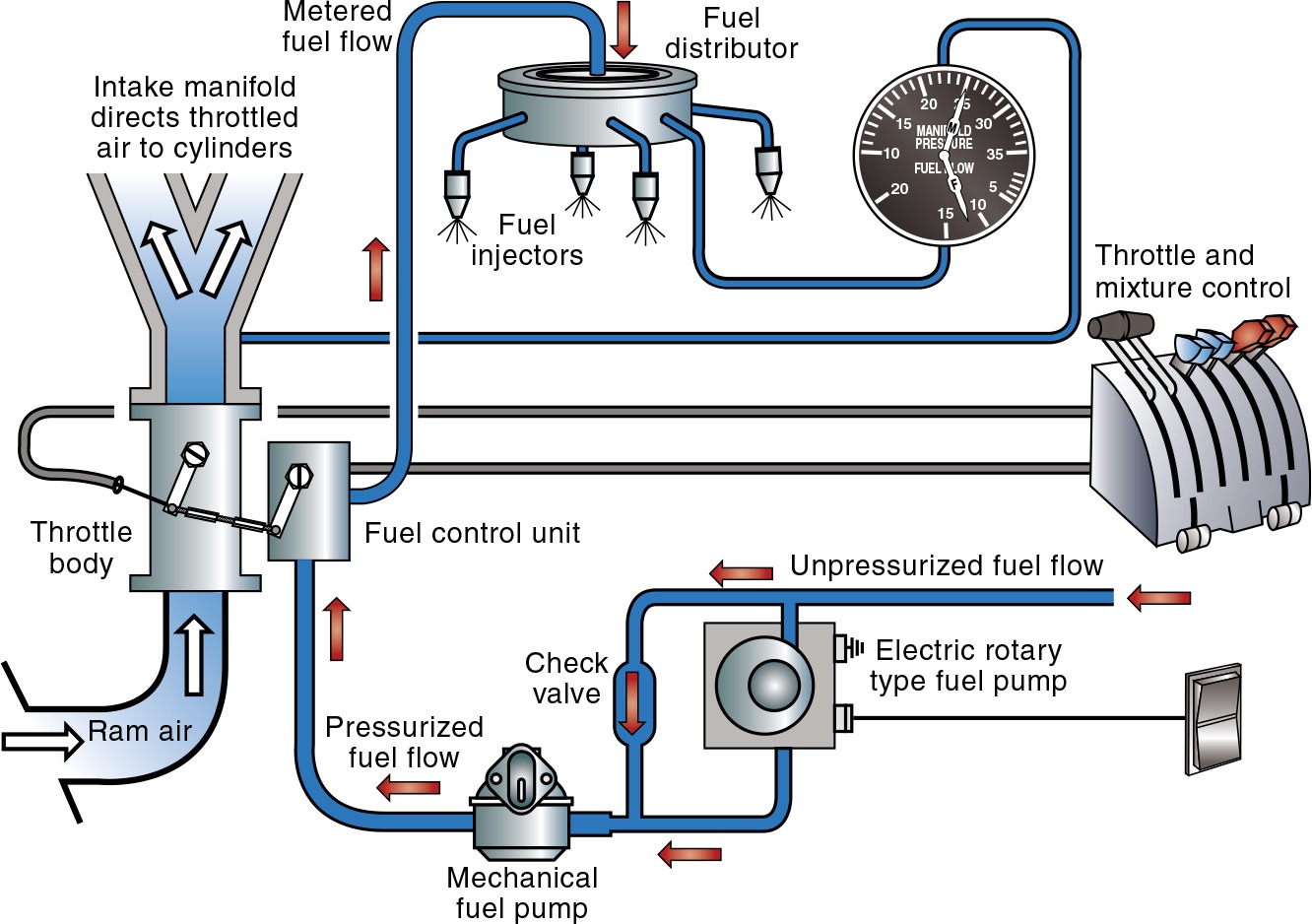
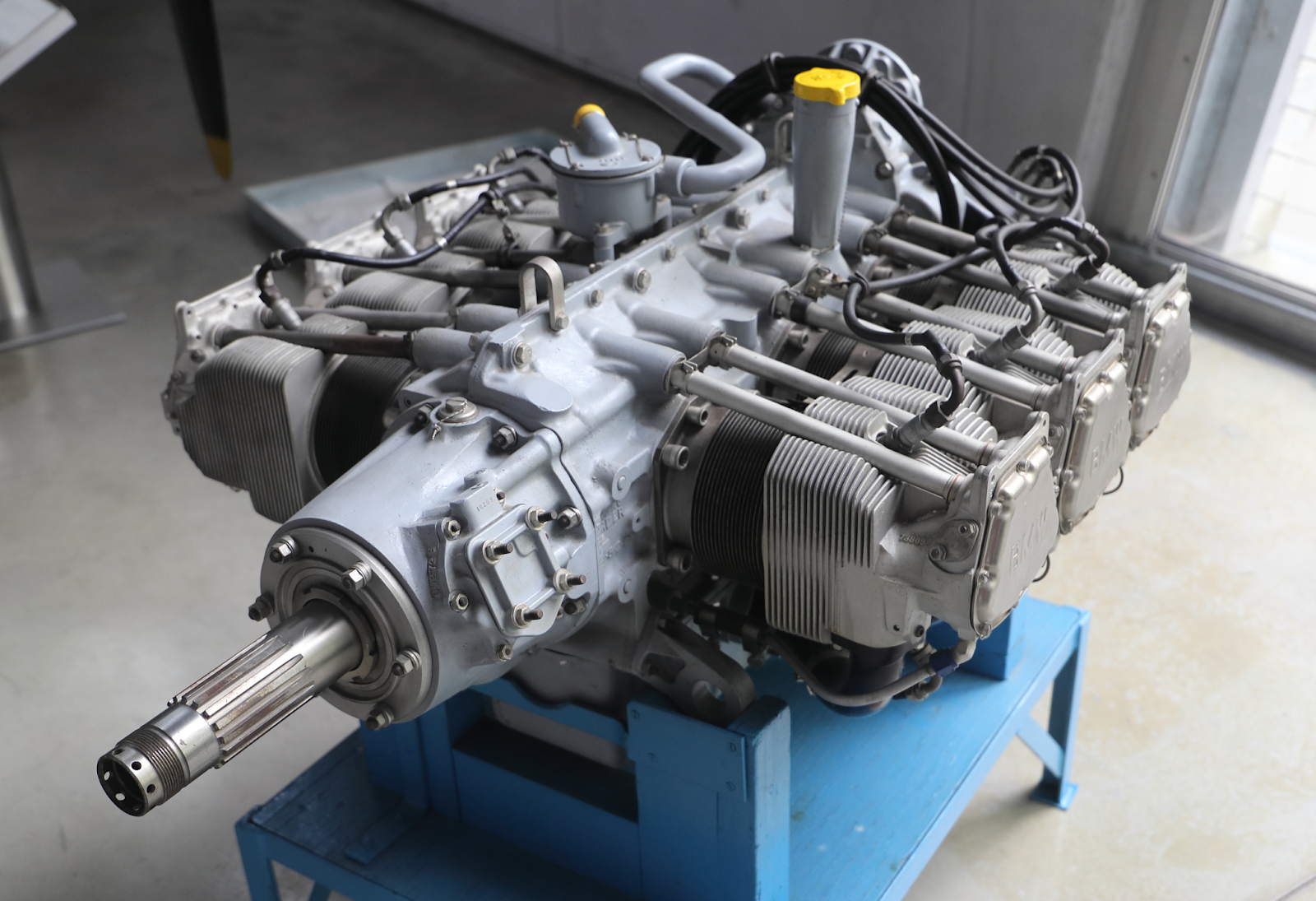
On a cessna, fuel injection means fuel goes straight into the intake instead of passing through a carburetor. In a fuel injected engine, fuel moves through fuel lines, passes a valve, and enters each cylinder in a controlled way. This gives steady power and smooth operation.
Many pilots fly 172s with injection because it handles altitude and temperature changes well. The cessna 172 models like the 172r and 172sp commonly use a lycoming powerplant. These lycomings are known for simple design and dependable starts when handled correctly.
Here is what matters during startup:
- The fuel pump or aux fuel pump builds fuel pressure
- The mixture control sets how much fuel mixes with air
- The system avoids carb ice, common on continentals
- Injection reduces uneven fuel delivery found in older setups
During priming, you may see fuel or see fuel flow rise briefly. That tells you there is sufficient fuel in the system. Too much, however, can flood the engine, which makes starting harder. This is why injected airplanes need calm inputs.
Pilots sometimes notice vapor lock on hot days. This happens when fuel gets warm in the lines. That is why different procedures exist for a hot start versus a cold one. Always follow the poh for your fuel injected cessna to protect the aircraft engine and keep the airplane engine happy.
How To Start A Fuel Injected Cessna 172 Step By Step
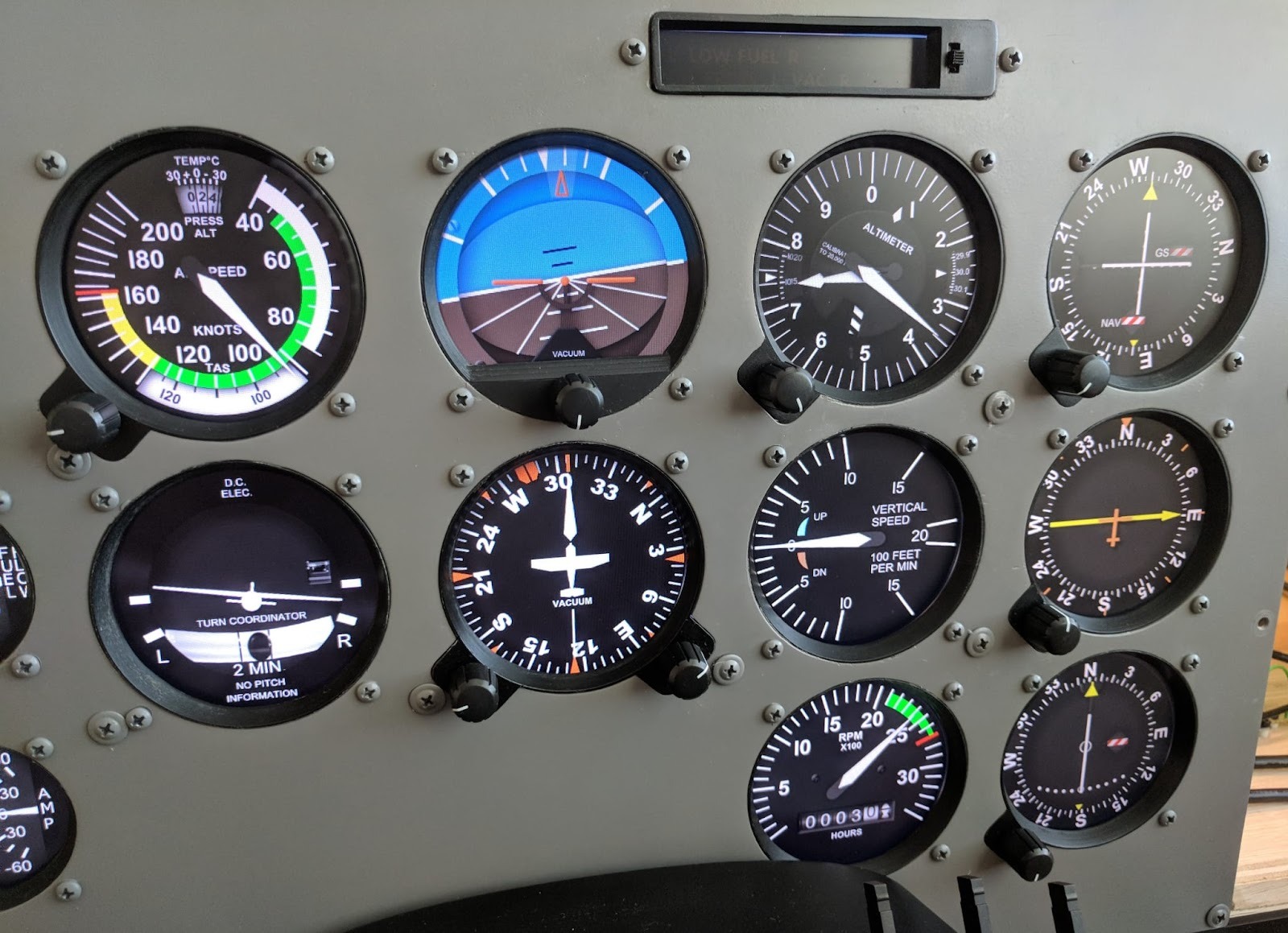
This step-by-step guide covers a normal day on the ramp with a c172 fuel injected setup. Always confirm your checklist before moving forward.
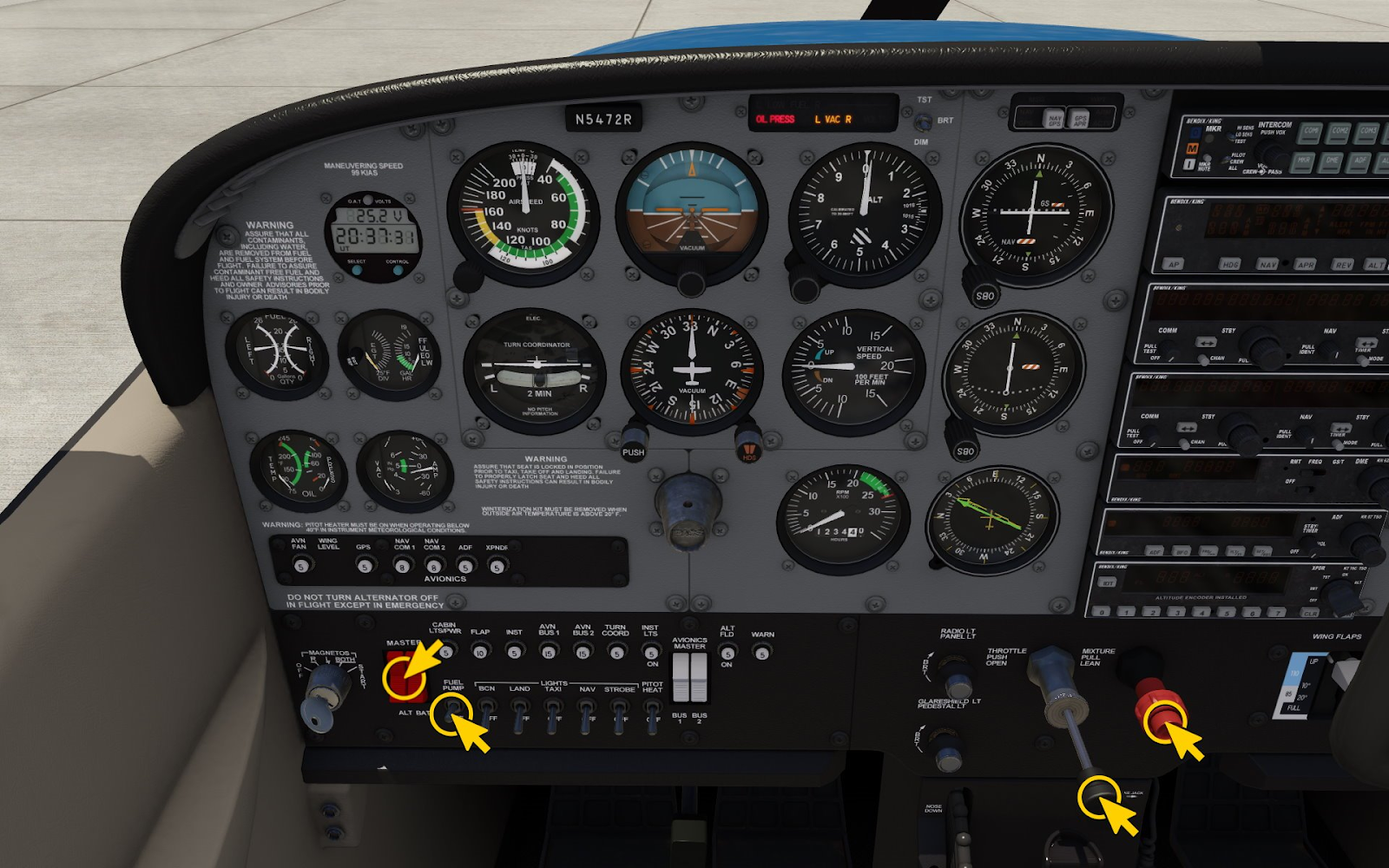
- Set brakes and confirm mixture control to full rich. This is also called mixture rich.
- Crack the throttle about an inch of throttle. Do not open the throttle wide.
- Turn on the boost pump to build fuel pressure. Watch the gauge and see fuel flow briefly.
- Prime only as directed. Then turn the pump off.
- Place the mixture at full idle or idle cutoff, also called cutoff.
- Turn the key to the start position and crank the engine.
- When the engine fires, smoothly advance the mixture or push the mixture until it catches.
- As the engine stabilizes, push the throttle slightly and verify oil pressure.
- Set rpm near 1000 rpm and confirm the engine is smooth.
- Adjust to idle and lean for ground ops if recommended.
If the engine does not start, stop and reassess. Repeated cranking can overheat the starter. For a flooded condition, set mixture full lean, full throttle, and crank until it clears. Then mixture back toward mixture to full rich once it starts.
For hot conditions, you may pull the mixture, then push the mixture slowly as the engine catches. Avoid rushing. Never leave the mixture in the wrong spot. Small movements help you start the engine cleanly.
Once stable, bring power back to idle and verify everything looks normal before taxi. A calm engine start leads to a smooth taxi and a relaxed takeoff later. With practice, this normal start routine starts every time.
Why Starting a Fuel Injected Cessna 172 Can Be Confusing
Starting a fuel injected airplane can feel tricky at first. Many pilots learn on carbureted trainers, so the process feels familiar. Then they move to a fuel injected model, and the habits no longer work the same way. This is where confusion starts, especially during the first few attempts at an engine start.
The main reason is control sensitivity. A fuel injected engine reacts fast to small changes. The fuel mixture goes straight to each cylinder, so even a small adjustment can change how the engine behaves. In carbureted airplanes, fuel flows in a softer, slower way. With injection, everything happens quicker.
Another source of confusion is the mixture control. Pilots often hear different advice. One person says to leave it forward. Another says to pull it back. If you do not understand what is happening inside the engine, those tips can feel random.
Mixture Control Feels Backward at First
The mixture knob controls how much fuel enters the air stream. In injected airplanes, that control connects to a mixture valve. When you move the mixture, you are directly opening or closing fuel flow to the engine.
Here is why this feels odd:
- Pushing forward adds fuel quickly
- Pulling back removes fuel just as fast
- There is little delay in response
Pilots used to carburetors may push to full rich right away. On injection, that can send too much fuel during start. Too much fuel means you can flood the engine before it even fires.
That is why some procedures ask you to pull the mixture during cranking, then push the mixture forward only after the engine catches. This sequence feels strange until you see it work.
Fuel Pressure Changes the Whole Picture
Fuel injected systems rely on pressure. The fuel pump pushes fuel through lines and into the injectors. During startup, pressure rises fast. If you add too much fuel during that moment, the engine may stumble or quit.
Pilots often hear advice like “watch the fuel flow” or “only prime until you see a rise.” That advice matters because injection does not forgive over-priming.
Key pressure-related points include:
- Fuel moves instantly once pressure builds
- Extra fuel has nowhere to go
- Excess fuel pools in intake paths
This is why injected airplanes can feel picky during start. They are not broken. They are simply precise.
Hot Starts Add Extra Confusion
A hot start is one of the biggest trouble spots. After shutdown, heat soaks into the engine and fuel lines. Fuel can vaporize, changing how it flows. When you try to restart, the same steps from a cold start may not work.
Pilots may try to start the engine the same way they always do. The engine cranks but does not catch. More fuel gets added. Now the engine is flooded, and frustration grows.
Injected airplanes often need air during hot starts. That is why some steps call for full throttle during cranking, then reducing power once the engine fires. This adds airflow while limiting added fuel.
Many Procedures Sound Different
Another reason for confusion is the variety of instructions pilots hear. One checklist says one thing. A flight instructor says another. Online forums say something else. These different procedures can make it hard to trust your own actions.
The only source that truly matters is the poh for your airplane. It explains how that exact engine and system behave. General advice may help, but the handbook should guide your hands.
Common differences you may notice:
- Amount of priming
- Mixture position during crank
- Throttle opening size
Each airplane setup can vary slightly. Learning your airplane takes time.
The Ignition Step Feels Simple, but It Isn’t
Turning the key seems easy. You move to ignition, then crank. But in injected airplanes, timing matters. Fuel must be present at the right moment, not before and not too late.
If fuel arrives too early, the engine floods. If it arrives too late, the engine spins without firing. That narrow window makes starting feel stressful for new pilots.
Once the engine catches, you must react quickly. You may need to advance mixture smoothly so the engine keeps running. Hesitation can cause the engine to quit.
Idle and Cutoff Cause Mental Mix-Ups
The idea of idle versus idle cutoff confuses many pilots. At shutdown, pulling to cutoff makes sense. At startup, that same position feels wrong.
Yet many injected airplanes want the mixture at idle cutoff during the initial crank. The reason is control. You add fuel only when the engine starts to fire. That keeps fuel amounts small and controlled.
Once the engine runs, you move the mixture forward and adjust the throttle to maintain a stable idle. The sequence feels reversed compared to carbureted starts.
Fear of Doing It Wrong Builds Pressure
Pilots worry about hurting the engine. They fear flooding. They fear wearing out the starter. That stress can cause rushed movements and skipped steps.
Here is what helps:
- Slow hand movements
- One change at a time
- Pause and observe engine response
Injected airplanes reward calm control. Rushing rarely helps.
Why Experience Makes It Easier
With time, patterns appear. You learn how much prime works. You learn how fast to move the mixture. You learn how the engine sounds when it is close to firing.
Soon, starting no longer feels confusing. It feels predictable. You know how to start a fuel-injected airplane without guessing. You follow the start procedure, watch the gauges, and make small adjustments.
Once the engine is running, the hard part is over. The system settles, fuel stabilizes, and confidence returns. Injected airplanes may feel demanding at first, but they reward smooth, thoughtful inputs every time.
Conclusion
Learning How to Start a Fuel Injected Cessna 172 builds confidence and protects your airplane. Slow hands, small adjustments, and the checklist make all the difference. If you want clear aviation guides and ownership insights, explore trusted resources at Flying411 and keep your flying simple and smart.
Frequently Asked Questions
Is fuel injection harder to manage than carburetors?
No. It needs careful mixture use, but the steps are simple once learned.
Can I damage the engine during startup?
Yes. Too much fuel or long cranking can stress components.
Why does a hot engine start differently?
Heat affects fuel flow, so mixture timing changes slightly.
Should I always lean on the ground?
Many pilots lean after start to keep plugs clean, following guidance.
What if the engine does not start right away?
Stop, reset the controls, and try again calmly using the checklist.