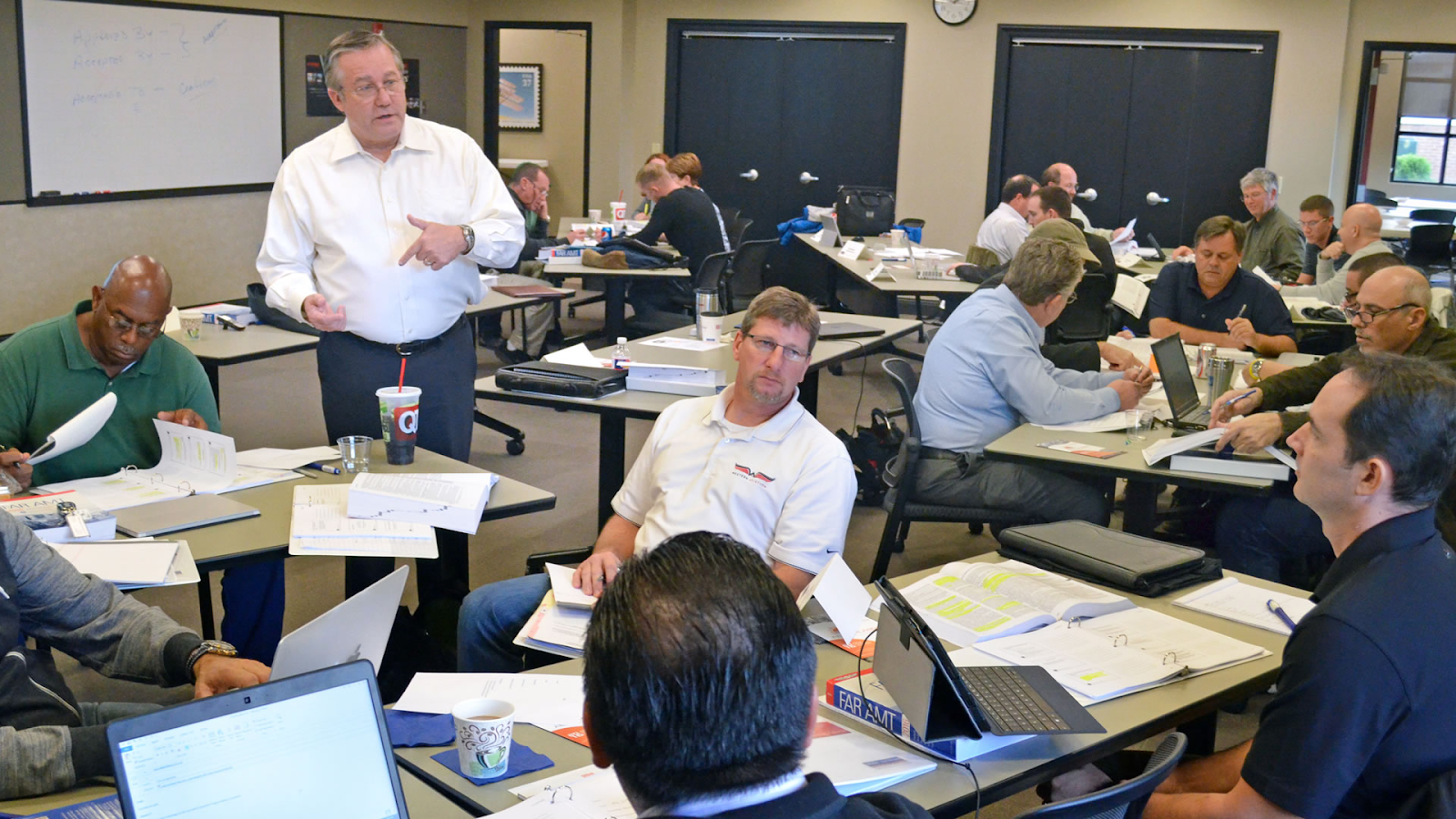
So you want to know how to get a private jet broker certification? You're looking at one of the most exciting — and potentially lucrative — career paths in aviation. Private jet brokers connect travelers with charter flights, and the best ones earn six-figure incomes doing it. According to industry salary data, jet brokers pull in anywhere from $50,000 to well over $200,000 per year depending on experience and client base.
But you can't just wake up one morning and start brokering jets. You need the right training, the right credentials, and the right game plan. The good news? You don't need a pilot's license, a specific college degree, or years of aviation experience to get started.
This guide walks you through every step of earning your private jet broker certification — from choosing a training program to landing your first clients. Whether you're switching careers or just getting started, you'll find everything you need right here.
Key Takeaways
Getting a private jet broker certification means completing a specialized training program, passing exams on aircraft knowledge and charter regulations, and building real-world experience through entry-level roles or your own brokerage. The FAA does not require a broker license, but industry-recognized certification from organizations like the Air Charter Association proves you understand safety standards, the booking process, and how to serve clients professionally. Most people complete the process in a few months and start earning commissions within three to six months of finishing their training.
| Takeaway | Details |
| No FAA license needed | The FAA does not require brokers to hold a special license — certification is voluntary but highly recommended |
| Training takes 4–12 weeks | Programs from the Air Charter Association, Aircraft Broker Academy, and others range from a few weeks to a few months |
| Cost varies widely | Expect to invest $500 to $5,000+ depending on program depth and format |
| No specific degree required | A high school diploma is standard; business or aviation backgrounds help but aren't mandatory |
| Earning potential is strong | Brokers earn $50K–$200K+ per year through commissions, with top earners exceeding $300K |
| Experience matters most | 6–12 months at a brokerage firm accelerates your career faster than certification alone |
What Is a Private Jet Broker?
Before we get into certification, let's make sure we're on the same page about what a private jet broker actually does.
A private jet broker is a middleman — in the best sense of the word. You sit between clients who want to fly privately and the aircraft operators who own or manage the planes. Your job is to find the right aircraft for each trip, negotiate pricing, handle logistics, and make sure everything runs safely and smoothly.
Think of it like a travel agent, but specifically for private aviation. Your clients might be CEOs flying to board meetings, families heading on vacation, or medical teams transporting patients. Every trip is different, and that's what makes the job interesting.
What Does a Private Jet Broker Do Day to Day?
Here's what a typical workday looks like:
- Talk to clients. You learn where they need to go, when, how many passengers, and any special needs (pets, extra luggage, medical equipment).
- Search for aircraft. You check availability across charter operators, compare aircraft types, and find the best option for each trip.
- Request and compare quotes. You get pricing from multiple operators and present options to your client.
- Coordinate logistics. You handle airport selection, ground transportation, catering requests, and any other details.
- Verify safety and compliance. You confirm the operator meets safety standards — like ARGUS or Wyvern ratings — and that the aircraft is properly registered and maintained.
- Close the booking. You finalize contracts, collect deposits, and confirm all the details with both the client and the operator.
- Earn your commission. Brokers typically earn 5% to 15% of the charter cost, though this varies by firm and deal size.
Quick math: A cross-country charter on a midsize jet might cost $25,000–$40,000. At a 10% commission, that's $2,500–$4,000 from a single booking. Book a few of those per month and the income adds up fast.
Who Should Get a Private Jet Broker Certification?
Certification isn't legally required to work as a jet broker. But that's a bit like saying you don't need a real estate license to sell houses — technically true in some contexts, but practically, credentials make all the difference.
Here's who benefits most from getting certified:
Career Changers
If you're coming from real estate, luxury hospitality, corporate sales, or travel planning, certification bridges the gap. It gives you the aviation-specific knowledge you're missing — aircraft types, FAA regulations, charter operations, and safety protocols.
Recent Graduates
Studied business administration, aviation management, or marketing? Certification adds hands-on, industry-specific skills to your degree. It shows employers you didn't just study theory — you understand how the charter brokerage business actually works.
People Starting from Scratch
No aviation background at all? That's perfectly fine. Most certification programs are designed for beginners. They teach you everything from the difference between a light jet and a heavy jet to how to verify an operator's safety record.
Independent Brokers Building Credibility
Planning to start your own brokerage? Certification is your calling card. When a client is trusting you with a $30,000 flight, they want to know you've been properly trained.
Current Industry Workers Seeking Advancement
Already working as a coordinator or assistant at a charter company? Certification can help you step up to a full broker role with direct client responsibility and commission-based earnings.
Why Is Private Jet Broker Certification Important?
You can work as a broker without certification. Some people do. But here's why that's a risky path — and why certification is worth the investment.
It Proves You Know What You're Doing
Clients are spending tens of thousands of dollars on a single flight. They want to work with someone who understands aircraft performance, safety standards, and the booking process inside and out. Certification proves you have that knowledge.
It Gives You a Competitive Edge
The charter broker field attracts people from all backgrounds. When a brokerage firm is comparing resumes, the candidate with recognized credentials lands higher on the list. It's that simple.
It Builds Your Network Faster
Good training programs connect you with experienced brokers, charter operators, and industry leaders. These relationships can lead to mentorship, referrals, and job offers. In private aviation, who you know matters almost as much as what you know.
It Protects You (and Your Clients) Legally
Certified programs teach you about safety verification, contract terms, insurance requirements, and FAA regulations. This knowledge helps you avoid costly mistakes — like booking a client on a non-compliant operator — that could damage your career or create legal liability.
It Increases Your Earning Potential
Better training leads to better service. Better service leads to more bookings and repeat clients. More bookings lead to higher commissions. It's a straightforward chain, and certification is the first link.
| Benefit | Without Certification | With Certification |
| Client trust | Must prove yourself from scratch | Credentials speak for you |
| Job placement speed | Slower — limited to entry-level | Faster — more doors open |
| Starting salary | Typically lower | Can negotiate higher pay |
| Safety knowledge | Self-taught, gaps likely | Comprehensive and structured |
| Industry network | Built slowly over time | Jumpstarted through program |
| Career advancement | Dependent on on-the-job learning | Supported by formal credentials |
How to Get a Private Jet Broker Certification: Step-by-Step
Here's the full roadmap. Follow these steps, and you'll go from curious beginner to certified broker ready to start booking flights.
Step 1: Understand the Requirements
The barrier to entry is lower than you might think. Here's what you need to get started:
- Education: A high school diploma or GED is the standard minimum. A college degree in business administration, aviation management, or a related field helps but is not required.
- Experience: No prior aviation experience needed for most programs. Backgrounds in sales, customer service, or hospitality are a plus.
- FAA license: Not required. The FAA regulates pilots, mechanics, and aircraft operators — not brokers. Certification is a voluntary professional credential, not a government-issued license.
- Age: Most programs require you to be at least 18 years old.
- Tech skills: Basic computer literacy. You'll use booking software, email, and industry databases.
Important note: Don't confuse "broker certification" with an "air carrier certificate" (Part 135). Air carrier certificates are FAA-issued and required for companies that operate charter aircraft. As a broker, you arrange flights — you don't operate the planes.
Step 2: Research Training Programs
Not all programs are created equal. Here's what to look for:
Top training organizations:
| Program | Format | Duration | Approximate Cost | Best For |
| Air Charter Association (ACA) | Online + in-person events | 6–12 weeks | $1,000–$3,000 | Industry recognition and networking |
| Aircraft Broker Academy | Online, self-paced | 4–8 weeks | $500–$2,000 | Beginners who want flexibility |
| National Air Transportation Association (NATA) | Workshops + online | Varies | $500–$1,500 | Broader aviation industry knowledge |
| Private programs/mentorships | One-on-one | Varies | $2,000–$5,000+ | Personalized, hands-on learning |
What a good program covers:
- Aircraft types, performance specs, and seating configurations
- Charter regulations and FAA compliance basics
- Safety verification (ARGUS, Wyvern, IS-BAO ratings)
- The sales process from lead to booking
- Pricing strategies and commission structures
- Client relationship management
- Contract terms, insurance, and liability
- Empty leg flights and cost-saving strategies
- Industry software and booking platforms
When comparing programs, ask these questions:
- Is the program recognized by industry groups like the ACA or NATA?
- Do graduates get listed in a professional directory?
- Are there networking opportunities with active brokers and operators?
- Is there post-certification support or continuing education?
- What do alumni say about their experience?
Step 3: Enroll and Complete Your Training
Once you've chosen a program, the enrollment process is straightforward. You'll typically submit a short application, pay tuition (upfront or in installments), and receive access to course materials.
During your training period, expect to cover:
Aircraft Knowledge You'll learn the differences between light jets (like the Cessna Citation CJ4), midsize jets (like the Hawker 800XP), super-midsize jets (like the Challenger 350), and heavy jets (like the Gulfstream G650). You'll understand range, speed, cabin size, baggage capacity, and runway requirements — all the details that matter when matching a client to the right plane.
Regulations and Safety You'll study FAA regulations that apply to charter operations (Part 135), learn how to verify an operator's safety record through services like ARGUS and Wyvern, and understand aircraft registration and insurance requirements. This is the knowledge that keeps your clients safe and keeps you out of legal trouble.
The Booking Process From the first client inquiry to post-flight follow-up, you'll practice every step. This includes requesting quotes, comparing options, presenting proposals, handling deposits, managing contracts, and resolving issues when plans change.
Customer Service and Sales Selling charter flights is different from selling most products. You'll learn how to ask the right questions, listen to client needs, manage expectations around pricing, and build the kind of trust that turns first-time flyers into repeat customers.
Market Knowledge You'll study industry trends, popular routes, seasonal pricing patterns, and emerging markets. You'll also learn about empty leg flights — discounted one-way trips when a plane needs to reposition — which are a great way to offer value to price-conscious clients.
Step 4: Pass Your Certification Exams
Most programs end with one or more exams. These typically include:
- Multiple-choice questions on aircraft types, regulations, and industry standards
- Case studies where you analyze a client scenario and recommend the best charter solution
- Written components covering business practices, safety verification, and pricing
Don't stress about this part. If you've paid attention during training, the exams are manageable. Use any practice tests or study guides the program offers.
Step 5: Receive Your Certification
After passing your exams, you'll receive your official certification — usually a certificate and/or a digital credential. Some programs also include:
- A listing in a professional directory that clients and operators can search
- Membership in an industry association
- A digital badge for your LinkedIn profile or website
- Access to continuing education resources
Keep your certification documents accessible. You'll need them for job applications, client meetings, and your professional website.
Step 6: Gain Real-World Experience
Here's where the rubber meets the runway. Certification gives you knowledge, but experience gives you skill.
Your best path to experience:
- Join an established brokerage firm. Entry-level roles as a trainee, coordinator, or assistant let you shadow experienced brokers, learn their workflows, and start handling clients under supervision. Plan on 6–12 months in this kind of role before going solo.
- Work at a charter company. Some operators have in-house sales teams. Working on the operator side teaches you how the other half of the business works — which makes you a better broker.
- Find a mentor. An experienced broker who's willing to guide you is worth more than any textbook. Ask questions, observe how they handle tough situations, and learn from their mistakes so you don't repeat them.
Pro tip: Your first year is about learning, not earning. Focus on building skills and relationships. The commissions will follow.
Step 7: Build Your Professional Network
Private aviation runs on trust and relationships. The sooner you start building your network, the faster your career grows.
- Join the Air Charter Association and attend their events
- Go to aviation trade shows like NBAA-BACE (National Business Aviation Association conference) to meet operators, manufacturers, and fellow brokers
- Connect on LinkedIn with charter companies, FBO operators, and aviation professionals
- Join online forums and groups where brokers share tips and discuss industry trends
- Ask for introductions. Every person you meet knows someone else who could become a client or a business partner
Step 8: Stay Current and Keep Growing
The charter industry doesn't stand still. New aircraft launch, regulations change, and client expectations evolve. Stay ahead by:
- Reading industry publications (Aviation International News, Business Jet Traveler, and others)
- Taking continuing education courses offered by your certification program
- Tracking market data on popular routes, pricing trends, and fleet changes
- Attending annual industry conferences and workshops
How Much Does Private Jet Broker Certification Cost?
Here's a breakdown of what you can expect to invest:
| Expense | Estimated Cost | Notes |
| Certification program tuition | $500–$5,000 | Depends on program depth and prestige |
| Study materials | $0–$300 | Often included in tuition |
| Exam fees | $0–$500 | Usually included in program cost |
| Professional association membership | $100–$500/year | ACA, NATA, or similar organizations |
| Business setup (if independent) | $1,000–$5,000 | LLC filing, website, insurance, marketing |
| Industry software subscriptions | $50–$300/month | Booking platforms, CRM tools |
| Continuing education | $200–$1,000/year | Optional but recommended |
Total first-year investment: Roughly $1,500–$10,000 depending on your path.
Is it worth it? Consider this: a single charter booking can earn you $2,000–$5,000 or more in commission. Just a few deals can recoup your entire training investment. Most brokers break even within their first year.
How Much Do Private Jet Brokers Earn?
Earnings vary widely based on experience, location, employer, and hustle. Here's a realistic picture:
| Experience Level | Annual Earnings | How They Earn |
| Entry-level (0–1 year) | $30,000–$60,000 | Base salary + small commissions at a brokerage firm |
| Mid-level (2–5 years) | $75,000–$150,000 | Higher commission rate, growing client base |
| Experienced (5–10 years) | $150,000–$250,000 | Full commission, repeat clients, referrals |
| Top earners (10+ years) | $250,000–$500,000+ | Large client portfolios, own brokerage, multiple revenue streams |
Revenue streams for jet brokers:
- Charter commissions: The bread and butter. Typically 5%–15% of each booking.
- Empty leg sales: Discounted repositioning flights. Lower commission per deal but high volume potential.
- Jet card and membership referrals: Some programs pay referral fees for new members.
- Aircraft sales brokerage: Experienced brokers may also broker aircraft purchases, earning commissions of 1%–3% on multimillion-dollar deals.
- Consulting fees: Advising clients on fleet management, aircraft acquisition, or travel optimization.
Working for a Brokerage Firm vs. Going Independent
This is one of the biggest decisions you'll face after certification. Both paths have real advantages and trade-offs.
| Factor | Brokerage Firm | Independent Broker |
| Income stability | Base salary + commission | Commission only (higher ceiling, more risk) |
| Client acquisition | Firm provides leads and marketing | You find your own clients |
| Training and mentorship | Built-in support system | You're on your own (unless you hire a mentor) |
| Overhead costs | Minimal personal expense | Website, insurance, software, marketing |
| Schedule flexibility | Standard business hours (mostly) | Set your own schedule |
| Brand recognition | Firm's reputation opens doors | Must build your own reputation |
| Commission split | Split with firm (usually 30%–60% to you) | Keep 100% of your commission |
The smart play for most new brokers: Start at an established firm for 1–3 years. Learn the ropes, build your client base, and save money. Then go independent when you have enough relationships and experience to sustain your own business.
Common Mistakes New Jet Brokers Make (and How to Avoid Them)
Learning from other people's mistakes is free. Here are the most common ones:
Skipping safety verification. Never book a client on an operator you haven't vetted. Always check ARGUS ratings, Wyvern reports, insurance certificates, and aircraft maintenance records. One safety incident can end your career.
Overselling and underdelivering. Don't promise a specific aircraft or price until you've confirmed availability. Clients remember broken promises. It's better to underpromise and overdeliver every time.
Ignoring follow-up. The sale doesn't end when the plane lands. Follow up after every flight. Ask how it went. Address any issues immediately. This is how you turn a one-time client into a lifelong relationship.
Competing on price alone. If you try to be the cheapest broker, you'll attract the most price-sensitive clients and earn the smallest commissions. Compete on service, knowledge, and reliability instead.
Neglecting your network. Building relationships isn't something you do when you have free time — it's a core part of the job. Schedule regular check-ins with operators, attend industry events, and stay visible.
Conclusion
Getting a private jet broker certification is a straightforward investment that can open the door to a high-earning career in private aviation. You don't need a pilot's license, a specific degree, or years of industry experience to get started. What you do need is the right training program, a willingness to learn, and the drive to build relationships in a competitive but rewarding industry.
The path is clear: research programs, complete your training, earn your credentials, gain hands-on experience, and build your network. Whether you want to work at an established brokerage firm or launch your own business, certification gives you the foundation to do it with confidence.
Want to take the next step? Browse aviation career resources, explore charter listings, and connect with the private aviation community on Flying411 to start building your future in this exciting field.
Frequently Asked Questions
Do I need prior aviation experience to get a private jet broker certification?
No. Most certification programs are designed for beginners with no aviation background. Many successful brokers come from sales, hospitality, real estate, or customer service careers. The programs teach you everything you need to know about aircraft types, charter regulations, safety protocols, and the booking process. That said, any experience in luxury services, travel, or B2B sales gives you a head start on the client relationship side.
How long does it take to earn a private jet broker certification?
The training period typically lasts 4 to 12 weeks depending on the program and whether you study full-time or part-time. After completing training and passing your exams, you'll receive your certification. From start to finish — including researching programs, enrolling, and completing coursework — most people earn their certification within 2 to 4 months.
How soon can I start earning money after getting certified?
Most new brokers start earning within 3 to 6 months after certification. If you join an established brokerage firm, you may earn a base salary right away while building your client base. If you go independent, it may take longer to close your first deals. Your income ramp-up depends on how quickly you build relationships and start booking flights.
Can I work as a private jet broker part-time?
Yes, some brokers start part-time while keeping another job. However, the charter business often requires fast response times and flexibility for last-minute bookings. Working part-time may limit your availability and slow your growth. Many brokers transition to full-time once they've built a steady pipeline of clients and commissions.
Does the FAA require a license for jet brokers?
No. The Federal Aviation Administration regulates pilots, mechanics, and aircraft operators — not brokers. You do not need an FAA-issued license to arrange charter flights. However, completing a recognized certification program is strongly recommended because it proves your competence and helps you meet industry standards that clients and operators expect.
What's the difference between working at a charter company and being an independent broker?
Working at a charter company or brokerage firm gives you steady income, built-in training, access to established clients, and a support system. You typically earn a salary plus commissions and follow the company's processes. As an independent broker, you have more freedom to set your own schedule and keep all your commissions, but you're responsible for finding clients, covering business expenses, and building your reputation from zero. Most experts recommend starting at a firm before going independent.
Are there ongoing costs after certification?
Some programs charge annual membership or renewal fees, especially if they include directory listings or access to industry tools. You may also invest in continuing education, industry event attendance, booking software subscriptions, and professional liability insurance. These costs are typically modest — a few hundred to a couple thousand dollars per year — and are normal business expenses for any professional broker.
What is an empty leg flight, and why do brokers need to know about them?
An empty leg flight happens when a private jet needs to fly without passengers — usually returning to its home base after dropping off clients. These flights are available at steep discounts (often 25%–75% off the normal charter price). Brokers who understand empty legs can offer clients significant savings, which builds loyalty and generates additional bookings. It's one of the most valuable tools in a broker's toolkit.
Can I combine jet broker certification with aircraft sales?
Absolutely. Many experienced brokers expand into aircraft sales brokerage, helping clients buy or sell private jets. This is a natural extension of the broker role because you already understand aircraft types, market values, and client needs. Aircraft sales commissions are typically 1%–3% of the sale price — which on a $5 million jet means $50,000–$150,000 per transaction.
What safety certifications should I look for when vetting charter operators?
The most recognized safety ratings in the charter industry are ARGUS (rated Gold, Gold+, or Platinum), Wyvern Wingman, and IS-BAO (International Standard for Business Aircraft Operations). As a certified broker, you'll learn how to check these ratings and interpret what they mean. Always recommend operators with at least one recognized safety certification to your clients.