Airplanes age in a special way. Some models stay strong for decades, while others lose value because support fades or newer designs take the spotlight. When you look at how an aircraft grows older, you start to see patterns shaped by real use, maintenance choices, and the aviation market. These patterns explain why some planes stay popular and others depreciate faster. The next sections walk you into those details so you can see how the long-term aircraft value changes over time.
WHAT FACTORS AFFECT HOW AIRPLANES HOLD THEIR VALUE?
Airplanes respond to real-world use and care in steady, predictable ways. Each part—from the engine to the airframe—shapes how well the plane can hold value. Buyers study these details because they affect long-term costs, safety, and the true value of the aircraft.
Below is a simple table showing how different factors affect value as the aviation market shifts.
TABLE: WHAT FACTORS AFFECT HOW AIRPLANES HOLD THEIR VALUE?
| Factor | How It Impacts Value | Why It Matters |
| Age of the Aircraft | Older aircraft can become less valuable | Wear, outdated systems, support limits |
| Total Airframe Hours | Higher time lowers residual value | Shows long-term stress and usage |
| Engine Time | Near overhaul = lower pricing | Overhauls cost a lot |
| Avionics Condition | Updated systems raise interest | Safer flying and easier training |
| Maintenance Records | Full logs increase trust | Shows real airworthiness |
| Corrosion & Damage History | Makes planes less desirable | Repairs change structural confidence |
| Interior & Paint | Clean work helps hold their value | Shows care and upkeep |
| Market Conditions | Demand changes prices | Shaped by supply, backlog, and trends |
| Parts Support | Strong support helps planes last | Depends on oem and aircraft production |
| Inspection Results | Strong results support buyers | Tied to faa and safety rules |
AGE, CONDITION, AND RECORD QUALITY
The age of the aircraft is one of the first things buyers check. A clean general aviation aircraft stored in a dry hangar, flown regularly, and kept in good condition usually stays attractive. If the logbook has missing entries or unclear repairs, buyers get cautious.
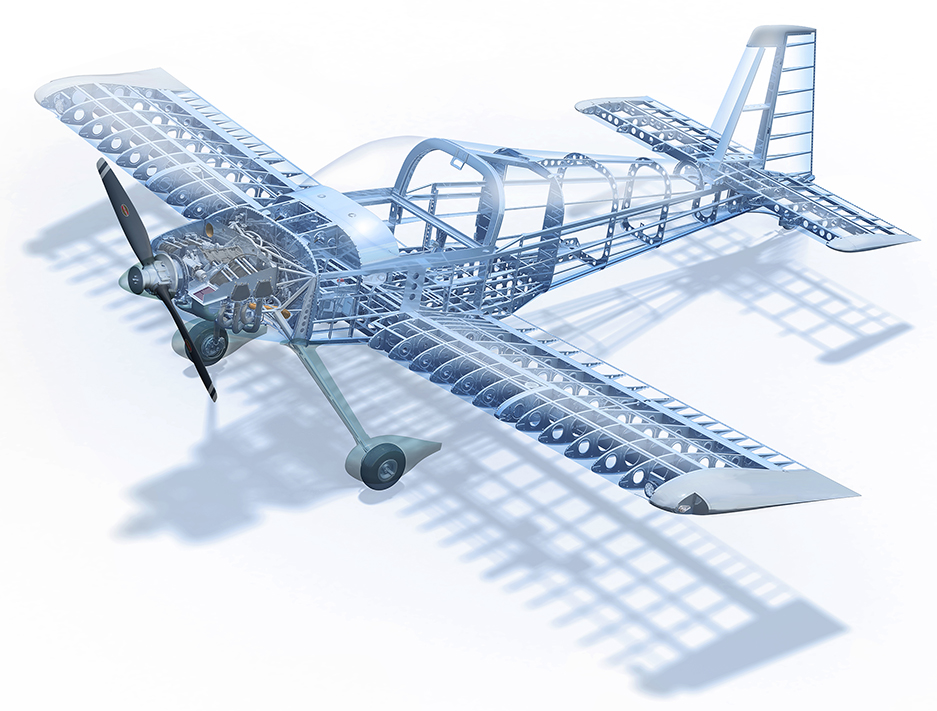
A plane with damage history or signs of corrosion loses strength fast. Inside the cabin, a worn interior reduces confidence. Fresh updates like new paint and simple cosmetic repairs help buyers feel better about long-term care.
AIRWORTHINESS AND SAFETY REQUIREMENTS
The faa sets rules called airworthiness directives that keep planes safe. A plane that meets all requirements shows strong aircraft’s airworthiness. Delays, missing fixes, or ignored updates can lower the aircraft’s value quickly.
PART SUPPORT, MAINTENANCE COSTS, AND SYSTEM UPDATES
Support from the oem plays a huge role. When factories stop aircraft production, parts become harder to find. Some older aircraft lose value because repairs get more expensive. Meanwhile, models with steady support often stay popular and avoid rapid depreciation.
Routine care shapes the real cost of owning a plane. This includes:
- Fuel burn (the cost of fuel)
- Routine upkeep
- Repairs
- Every per flight operating cost
- Long-term overhaul cycles
Planes built with strong aircraft components usually stay easier to maintain.
MARKET PRESSURE AND AVAILABILITY
When the demand for particular models rises and fewer units are for sale, values go up. Tools like vref help pilots track valuation and compare types. A model becomes more attractive when aircraft available on the market are limited.
Some used aircraft even appreciate in value when supply tightens. Rare or high-utility types sometimes appreciate over time, especially when they fit common general aviation needs.
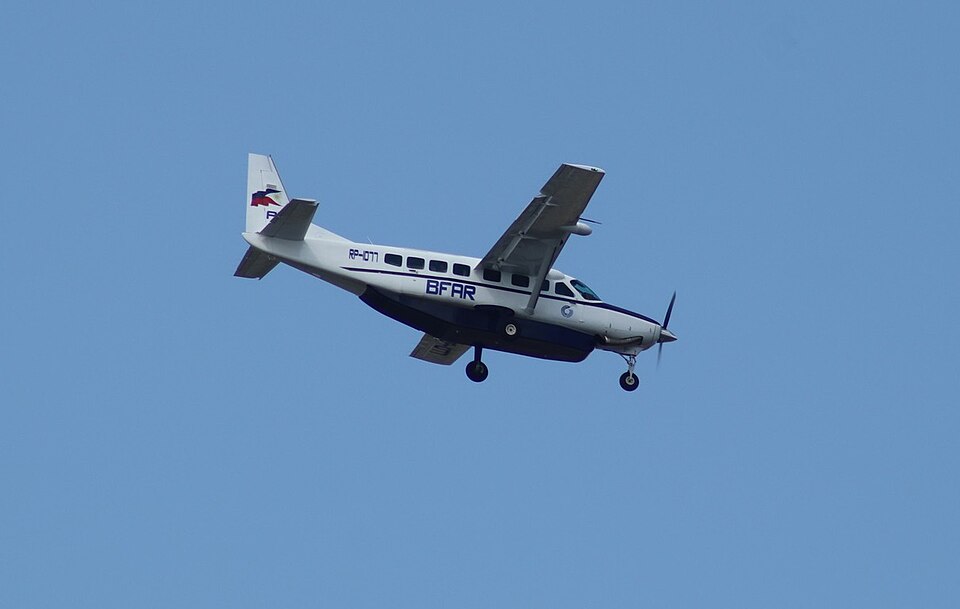
Examples include the cessna, cirrus, mooney, and classic 182, which stay popular because many pilots trust them for training and weekend flying. These ga aircraft often stay a good investment when well-maintained and supported.
WHY DO SOME AIRPLANES HOLD VALUE BETTER THAN OTHERS?
Some airplanes keep strong resale value because their designs stay useful, parts remain available, and many pilots prefer them for daily missions. Others fade when parts support slows or new technology outperforms older designs.
LONG-LASTING MODELS WITH STRONG DEMAND
A plane becomes popular when it fits many roles. For example, a flexible private plane can support training, rentals, trips, or small commercial jobs. When people decide to buy a plane, they often look for models that are known to stay reliable.
A commercial aircraft used by a small airline or charter service also remains valuable because shops keep supporting them.
Upgraded avionics—such as a modern garmin panel—help a plane stay competitive. A good panel upgrade improves safety, lowers workload, and helps delay major replacements.
PART SUPPORT AND SUPPLY CHAIN STABILITY
When the supply chain stays healthy, a model survives longer. If support slows down, the plane becomes less desirable, even when it flies well. Planes with rare components can become less attractive if shops struggle to find repair parts.
Some models even become fully depreciated, but special ones with strong missions keep value much longer.
CONDITION, HISTORY, AND LONG-TERM WEAR
A clean airframe, complete records, and a healthy aircraft and engine time balance keep a plane appealing. Missing logbook pages, unclear repairs, and overdue overhaul tasks make buyers cautious.
A well-maintained pre-owned aircraft can keep value for decades when the airworthiness is clear and the structure stays strong.
HOW BUYERS DECIDE WHAT TO CHOOSE
Buyers compare the purchase price with long-term use. They check:
- Support from a reliable source
- Expected maintenance costs
- Long-term support from shops
- Predicted residual value
- Fit for the intended mission
Using guides like vref, pilots can choose wisely and find models that remain stable throughout their ownership.
WHICH AIRPLANES TEND TO HOLD VALUE THE LONGEST?
Some airplanes keep strong value for years because they stay useful, safe, and trusted by aircraft owners. These models fit important jobs, have steady parts support, and feel familiar to pilots. When a plane keeps doing its job well, people continue buying it, and that helps prices stay steady. There are many factors that shape this, and each one affects long-term interest in a clear and simple way.
POPULAR MODELS AND WHY THEY STAY STRONG
Certain airplane makes have earned a long reputation for reliability. These models have predictable handling, simple maintenance needs, and wide support from shops across the country. This means buyers can get repairs done without trouble, and that makes ownership less stressful.
Good examples include airplanes that work well for training, weekend trips, or small business flights. Many people learn on these models, so training schools keep buying them. When a plane stays in service for training, it stays in demand. That demand helps the value of an aircraft stay strong.
Here are some features that help a plane last in the market:
- Simple systems that are easy to repair
- Long production runs that keep parts available
- Popular use cases in everyday flying
- Good safety records that make pilots feel comfortable
- Strong cabin layouts that feel familiar
WHY MISSION FIT HELPS VALUE
A plane holds value longer when it can do many useful jobs. Pilots want aircraft that can train new flyers, carry light cargo, help with short business trips, or take families on weekend flights. When a plane fits different missions, it stays competitive as needs change.
Mission fit also helps the plane age better. Some models stay in demand even when they get older because they still solve common problems. When many aircraft can handle the same mission, buyers compare them side by side. A plane with lower operating costs or easier maintenance often wins.
PARTS SUPPORT AND LONG-TERM SURVIVAL
Parts support plays a huge role in long-term value. A model stays attractive when shops can easily get parts and complete repairs. Strong factory support means the aircraft stays safe, dependable, and legal to fly.
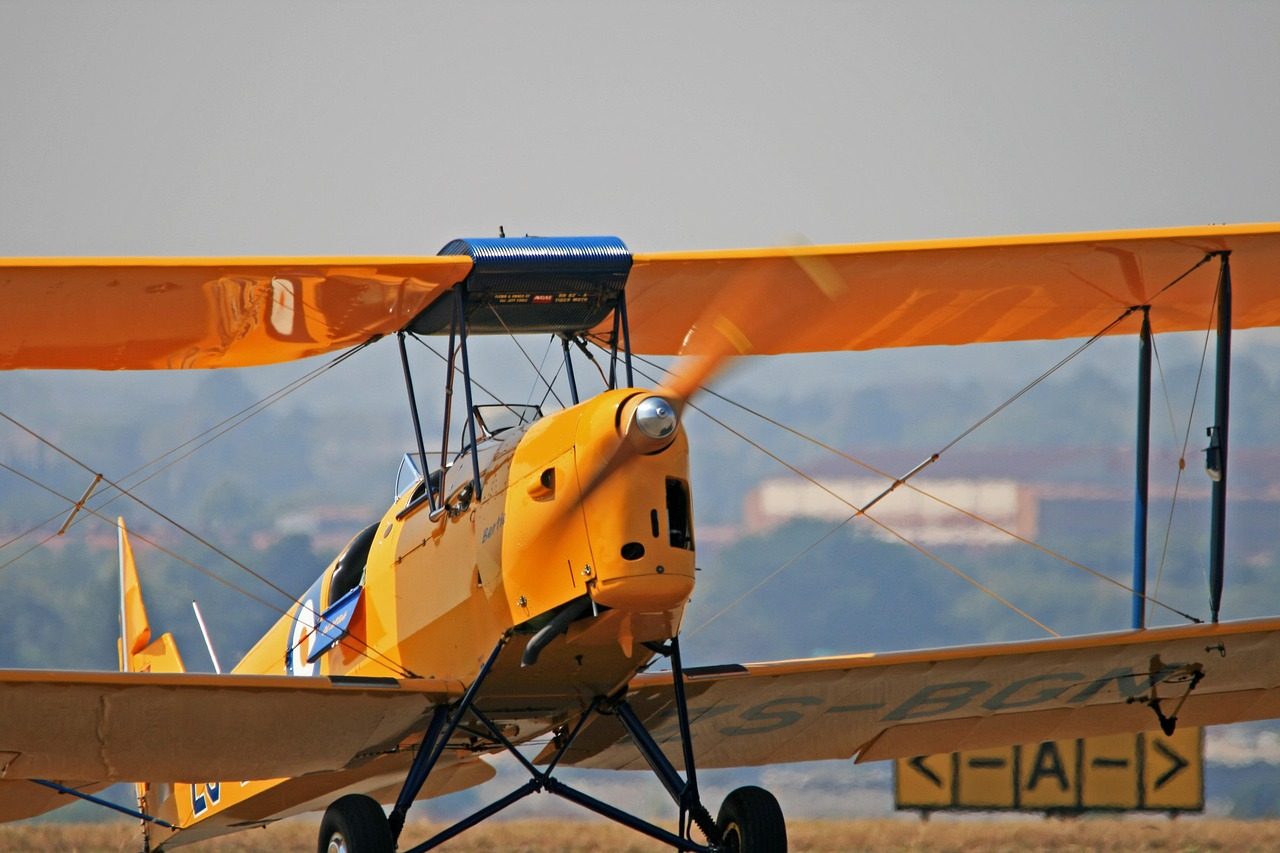
Older models rely heavily on replacement parts. If a company still supports the design, older planes remain practical for many years. But if support slows down, the plane may see less buyer interest even if it still flies well.
HOW OPERATING COSTS SHAPE VALUE
Aircraft that keep operating costs low tend to stay in demand. Buyers want machines that fly safely without draining the wallet. Lower fuel use, simple systems, and easy repairs help a plane maintain strong interest.
Owners check total cost closely. They look at:
- Routine inspections
- Engine work
- Fuel burn
- Wear on major components
- Cost of storage
Smaller piston models often stay competitive because they cost less to operate than more powerful airplanes. But some turbine aircraft can also hold their value well when they have excellent performance and support.
HOW THE MARKET RESPONDS TO POPULAR MODELS
When many pilots trust a model, demand stays strong. A plane that still feels right for current flying needs will stay popular year after year. These models may even attract new pilots who want something easy to learn and easy to maintain.
In times of tight supply, certain models can even aircraft appreciate in value because buyers want something reliable and ready to use. This sometimes happens during busy air travel seasons, when more people need dependable transportation.
WHY CERTAIN AIRPLANES BECOME TOP PICKS FOR BUYERS
Some airplanes rise above the rest because they offer strong performance, smart design, and simple daily use. These models build a solid position in the market and continue attracting new buyers. There are factors that impact this success, and each one shapes how long the plane stays competitive.
STRONG DESIGNS WITH WIDE SUPPORT
Aircraft with long production histories stay active because shops and mechanics know them well. When a plane has a big community behind it, owners feel more confident. It becomes easier to get advice, share information, and find trusted mechanics.
These models often appear in flying clubs, rental groups, and training fleets. When a model stays visible in daily flying activities, demand stays alive. Buyers like airplanes that look familiar on the ramp and keep showing up in hangars across the country.
WHY BUYERS CHOOSE THESE MODELS
Buyers look closely at long-term practicality. They want airplanes that stay safe, easy to repair, and comfortable to fly. They want something that feels steady during landing and smooth in cruise flight. A plane that does these things well becomes a favorite for experienced flyers and newcomers alike.
People also like when an airplane stays active in different kinds of flights. When a model shows up in training schools, personal travel, and small business operations, it proves that it handles many missions. When a plane works for different types of flying, its desirability goes up.
HOW VALUE REMAINS STABLE OVER TIME
A plane keeps its value when it stays useful and affordable. Models that burn moderate fuel, use simple parts, and show strong safety history stay valuable much longer.
Here are some reasons a plane maintains strong value:
- Good production support
- Long-lasting engines
- Solid airframes that age slowly
- Predictable repair patterns
- A strong owner community
Some models stay so practical that their long-term value barely moves. These airplanes stay popular year after year because they continue solving real flying needs.
AIRPLANES AS LONG-TERM ASSETS
Airplanes can behave like long-term tools. When treated with care, they can last decades. This makes them unique among aviation assets. Owners who keep up with regular maintenance understand how important it is to protect value.
Many pilots think of their airplane as a working machine rather than a short-term purchase. For these owners, long-term asset management helps keep everything organized. Managing logs, inspections, and storage keeps the airplane ready for future buyers.
In rare conditions, the value of an aircraft can even rise when demand increases. This tends to happen with special models that have limited production runs or strong reputations for safe, reliable flying.
SPECIAL MODELS THAT STAY HIGH-VALUE
Some airplanes enter a special category because they perform extremely well. These models are stable, safe, and powerful enough for many missions. Many of them become known as high-value picks across the market.
These planes tend to have:
- Strong performance numbers
- Good comfort for long flights
- Balanced operating costs
- Active factory support
- Good owner communities
When these pieces work together, a model becomes a consistent favorite that pilots trust for years.
HOW BUYERS VIEW LONG-TERM BENEFITS
When buyers search for a dependable airplane, they look at how the model has performed over time. They compare operating costs, maintenance needs, and long-term safety records. A plane that stays simple to fly and maintain always earns strong interest.
Many pilots prefer models that remain stable in value and easy to resell later. When a plane shows this pattern, buyers respond positively and feel comfortable investing. These patterns help many aircraft stay successful across both new and pre-owned markets.
WHY FLEXIBLE AIRPLANES STAY POPULAR
A plane stays popular when it handles day-to-day flying needs without trouble. Pilots enjoy airplanes that make daily operations simple and predictable. When an airplane does this well, its value holds steady over time.
Staying flexible also helps the airplane serve different owners over its lifetime. As flight missions change, a good airplane adapts without losing its role.
CONCLUSION
Airplanes can stay valuable for decades when they’re cared for, stored well, flown regularly, and supported with steady parts availability. Every detail matters, from records to inspections to simple condition checks.
If you want to compare models, explore listings, and learn more about how do airplanes hold their value over time?, visit Flying 411 for expert guidance and reliable aircraft insights.
1. WHAT MAKES A PLANE LOSE VALUE THE FASTEST?
Poor records, corrosion, overdue inspections, or expensive upcoming repairs can cause a quick drop in buyer interest.
2. CAN A HIGH-TIME AIRPLANE STILL BE VALUABLE?
Yes. If logs are complete and the airframe and engine remain healthy, some high-time planes still sell well.
3. DOES STORAGE LOCATION CHANGE LONG-TERM VALUE?
Yes. Hangar storage helps prevent damage and keeps the structure healthier over time.
4. DO AVIONICS UPGRADES AFFECT RESALE VALUE?
They do. Modern avionics improve safety and convenience, which often raises buyer confidence.
5. CAN SHORTAGES INCREASE AIRCRAFT VALUE?
Yes. When demand rises and supply drops, certain models can see stronger resale performance until the market levels out.