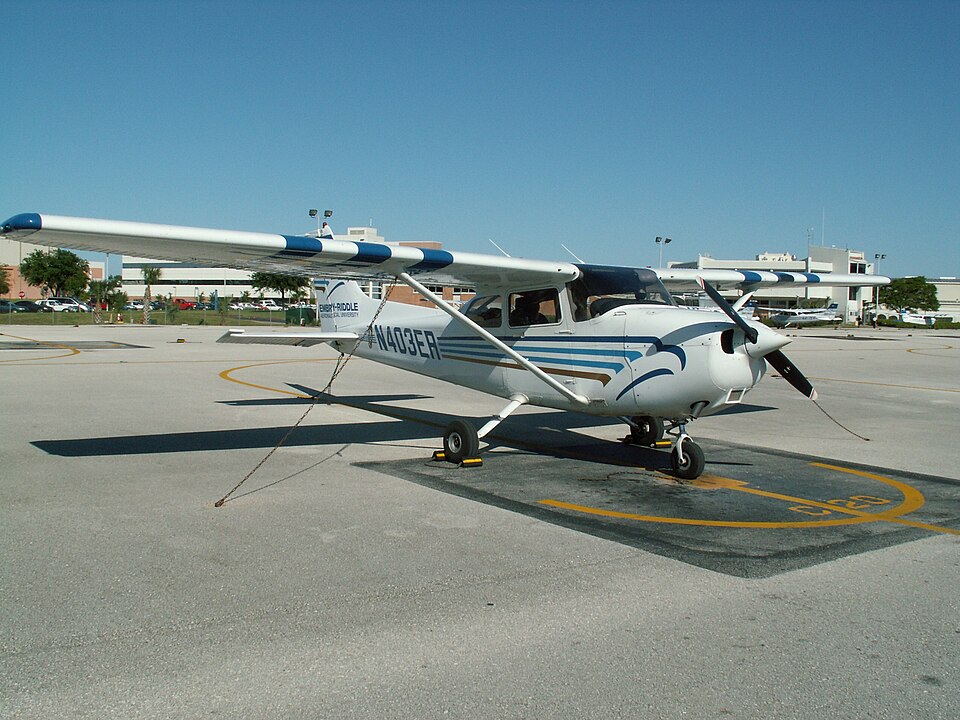
Buying your first airplane is a thrill. The listing photos look clean, the price feels fair, and the seller seems honest. Then the keys land in your hand, and the real bills start rolling in. The truth is, the sale price is only one piece of a much bigger puzzle, and the common hidden costs when purchasing a used Cessna 172 can quietly stretch a budget that looked rock-solid on paper.
Most of these costs do not show up in the listing. They show up in the hangar, in the logbook, and in the invoices that follow your first annual inspection.
The math behind owning a used Skyhawk often surprises even experienced pilots, and what you cannot see in the photos is usually what costs the most.
Key Takeaways
The biggest hidden costs of buying a used Cessna 172 are pre-purchase inspections, engine reserve funds, avionics upgrades, insurance, hangar or tie-down fees, and the parts and repairs uncovered after the sale closes. These costs are normal, but they are rarely included in the asking price. Smart buyers plan for them up front so ownership feels rewarding instead of stressful.
| Hidden Cost Area | Why It Catches Buyers Off Guard | Typical Range |
| Pre-Purchase Inspection | Often skipped to save money | A few hundred to a couple thousand dollars |
| Engine Overhaul Reserve | Built up over hours, hits all at once | Tens of thousands when due |
| Avionics Updates | Older panels need ADS-B and modern radios | Modest to substantial, depending on scope |
| Insurance | Varies by pilot hours and use | A few hundred to several thousand a year |
| Hangar or Tie-Down | Location dictates cost | Around $150 to $1,000 a month |
| Annual Inspections | Discrepancies stack up fast | $1,000 to $4,000 or more |
| Parts and Repairs | Wear items hide behind panels | Variable, but rarely zero |
Flying411 helps buyers cut through the noise with clear listings, expert resources, and trusted aviation services so you can shop a used Cessna 172 with real confidence.
Why the Sticker Price Is Only the Start
When you see a used Cessna 172 listed at a certain number, that number is the cover charge. It gets you in the door. After that, every airplane has a story, and stories cost money to tell. Some of those stories are friendly. Others are not.
A used Skyhawk that has been hangared, flown often, and cared for by a single owner will usually cost less to keep flying than a similar plane that sat outside for years. The listing rarely tells you which is which. That gap between what you see and what you actually inherit is where hidden costs live.
The Cessna 172 is widely considered one of the most popular general aviation aircraft ever made, with tens of thousands built since its introduction in the 1950s. That popularity is a huge advantage. Parts are common. Mechanics know the type well. Insurance is generally reasonable. Even so, every airframe is unique, and the older it is, the more its history matters.
Good to Know: A clean listing with strong photos does not guarantee a clean airplane. The real story lives in the logbooks and behind the inspection panels.
When buyers look at the differences between new and used aircraft markets, the trade-off becomes clearer. New planes carry warranties and modern panels. Used planes carry savings up front, but the savings often shift toward maintenance and updates over time.
Pre-Purchase Inspections and Title Costs
Before any money changes hands, two costs almost always show up: the pre-purchase inspection and the title search. These are the first hidden costs many buyers underestimate.
A solid pre-purchase inspection on a single-engine piston like a Cessna 172 typically takes a shop several hours. The cost depends on the depth of the review and the shop's hourly rate. Some buyers stop at a basic logbook check and a compression test. Others go deeper and ask the shop to remove inspection panels, check for corrosion, and review every airworthiness directive. The deeper the look, the higher the cost, but the safer the purchase.
Skipping this step is one of the most expensive mistakes a buyer can make. A missed airworthiness item can cost many times more than the inspection itself. A title search adds another layer of protection by uncovering any liens or judgments tied to the airplane, and the cost is small compared to the trouble it prevents.
Things commonly checked during a thorough pre-purchase review include:
- Engine compressions and oil filter analysis
- Airframe corrosion, especially in the wing spar areas
- Logbook completeness and entry consistency
- Open or recurring airworthiness directives
- Avionics function and panel condition
- Landing gear, brakes, and tire wear
- Control rigging within factory specs
- Past damage history and repair quality
Pro Tip: Pick a shop that knows the Cessna 172 specifically. A type-savvy mechanic will spot patterns a generalist might miss, and the small extra cost is worth every dollar.
For a deeper walkthrough of what to look for, the complete used airplane checklist covers the big categories every buyer should review before signing.
9 Common Hidden Costs When Buying a Used Cessna 172
Now we get to the heart of it. These nine costs are the ones that most often catch first-time and even seasoned buyers off guard. Some are predictable. Some are seasonal. All of them belong in your budget before the deal closes.
1. Engine Overhaul Reserve
The engine in a Cessna 172 is built to last, but it does not last forever. Most Lycoming and Continental engines used in the 172 have a recommended time between overhauls (TBO) measured in flight hours. As you approach that number, the value of the airplane drops, and the cost of the overhaul gets closer.
A full overhaul on a Cessna 172 engine is one of the largest single bills an owner will face. Many sources cite costs in the range of roughly $20,000 to $40,000 or more, depending on the shop, the engine's condition, and the level of work performed. Smart owners build a reserve fund per flight hour so this expense feels manageable instead of catastrophic.
If you buy a 172 with an engine close to TBO, you may have inherited that bill without realizing it. Always check engine hours since major overhaul (SMOH) before agreeing on a price.
Heads Up: A "low total time" airplane with a high-time engine is not the bargain it seems. Engine hours often matter more than airframe hours.
2. Annual Inspections and Surprise Squawks
Every certified aircraft must pass an annual inspection to stay airworthy. For a Cessna 172, that inspection itself often runs from a few hundred dollars in pure labor to several thousand once discrepancies are repaired.
The base inspection is predictable. The squawks are not. A typical annual on a 172 can uncover worn brake pads, leaky seals, frayed control cables, cracked hoses, and small corrosion spots. Each of those repairs adds up. Even a clean airplane rarely walks out of its annual without some bill attached.
Annual cost ranges shared by various owners and shops generally fall between $1,000 and $4,000 once routine fixes are included, though the number can run higher on older airframes that need catch-up work. Older aircraft often have more nickel-and-dime items hiding behind the panels.
3. Avionics Upgrades and Compliance
This is where many buyers feel the biggest sting after closing. The cockpit panel of an older Cessna 172 may still be airworthy, but it can also be missing features that pilots expect today. Compliance with current airspace rules, including ADS-B requirements in certain airspace, can force avionics decisions on day one.
Upgrades that buyers commonly add or wish they had include:
- A modern WAAS GPS navigator
- ADS-B Out and ADS-B In capability
- A digital audio panel
- A backup attitude indicator
- A digital engine monitor
- Updated radios with emergency features
Even modest panel updates can add up quickly. A full glass cockpit upgrade can run into the tens of thousands. For owners exploring smarter ways to handle this, the guide on used avionics options for a 172 offers a useful starting point on balancing budget and capability.
Why It Matters: Avionics can drive resale value as much as engine condition. Buying the right panel up front, or planning a smart upgrade path, protects your investment.
4. Insurance Premiums
Insurance is one of those costs every buyer expects, but few estimate accurately. Premiums depend on a long list of factors:
- Pilot total hours and time in type
- Ratings (private, instrument, commercial)
- Claims and incident history
- Whether the airplane is used for personal flying or training
- Geographic region and storage type
- Hull value and liability limits
A low-time pilot insuring a higher-value 172 will pay more than a seasoned pilot with hundreds of hours in type. Annual premiums often range from a few hundred dollars for basic liability on an older airframe to several thousand for fuller coverage, with training-use 172s landing at the higher end. The wide range surprises new owners who assumed insurance would be cheap because the 172 is so common.
5. Hangar or Tie-Down Fees
Where you park your airplane matters. A hangar protects the airframe from sun, rain, hail, and wind, which slows corrosion and keeps avionics happier. A tie-down is cheaper, but the airplane lives outdoors.
Hangar costs vary widely by region. Rural Midwest airports may offer hangars for around $150 a month, while busy metro airports can charge $600 to $1,000 a month or more for a single-engine slot. Tie-downs are usually a fraction of hangar cost, but they trade savings for exposure.
The hidden part is not the monthly fee itself. It is the long waitlist at popular airports, which can force buyers into pricier options or longer commutes than they planned for.
Quick Tip: Secure your hangar or tie-down spot before you close on the airplane. Aircraft without homes get expensive fast.
6. Storage History and Hidden Corrosion
This one rarely shows up on a listing, but it can quietly become the biggest cost of all. A 172 that lived its life outside in a coastal climate has a different aging curve than one that spent decades in a dry hangar.
Corrosion can hide in the wing spars, control surfaces, belly skins, and around fuel tanks. Some of it is cosmetic. Some of it is structural. Repairs can range from a quick treatment to extensive rework that requires panels off, parts replaced, and many shop hours.
A pre-purchase inspection that includes a careful look at known corrosion-prone areas is the best defense. Buyers who skip that step often discover the issue at the first annual, when it is too late to renegotiate.
7. Replacement and Overhaul Parts
Cessna 172 parts are widely available, but they are not always cheap. Some original equipment parts from the manufacturer carry surprisingly high price tags relative to their size and complexity. Wear items like hoses, brakes, tires, batteries, vacuum pumps, and starter motors all have a service life, and they all cost something to replace.
There is a sensible middle path. Many owners use a mix of new, overhauled, and serviceable used parts, depending on the application. The trade-off between used and overhauled parts on a 172 often comes down to availability, certification, and how long the part needs to last. Either way, the traceability and certification of used aircraft parts is non-negotiable.
8. Fuel, Oil, and Database Subscriptions
These are the costs that follow you on every flight. AvGas prices fluctuate by region, and a 172 typically burns somewhere in the range of 7 to 10 gallons per hour depending on power setting and engine variant. Oil changes happen every 25 to 50 hours.
Less obvious are the database and software subscription costs that come with modern avionics. Navigation databases, terrain updates, and chart subscriptions add a steady annual line item that buyers with new-to-them glass panels often forget to budget for.
| Operating Cost Item | Typical Frequency | What to Plan For |
| AvGas | Every flight | Volume varies by hour and power setting |
| Oil and filter | Every 25 to 50 hours | Routine, not optional |
| Database subscriptions | Annual | Required for many GPS and EFB tools |
| Landing fees | Per landing at some airports | Small per flight, adds up over a year |
| Cleaning supplies | Ongoing | Modest but real |
9. Registration, Sales Tax, and Closing Costs
The last category sneaks up on almost every first-time buyer. Aircraft registration, state sales or use tax, escrow service fees, and closing fees can add a noticeable percentage to the final bill. Sales tax in particular varies by state and can be a substantial line item depending on where the airplane is based and registered.
Title transfer fees, document filing, and any broker commissions also belong in this category. None of these costs feel optional once the deal is moving, and they all hit before you have logged a single hour as the new owner.
Flying411's marketplace makes it easier to compare used Cessna 172 listings side by side, with details on engine time, avionics, and history that help you spot value before you spend a dollar on inspection.
How These Costs Compare to Owning a Newer Aircraft
Some buyers ask whether all these hidden costs make a used 172 a worse deal than a newer one. The answer is usually no. The used market still offers strong value if you go in informed.
A newer Cessna 172 carries a much higher purchase price, often well into the hundreds of thousands of dollars depending on configuration. In exchange, you get modern avionics, fewer immediate squawks, and a warranty. A used 172 trades that polish for a lower entry price and the responsibility of catching up on maintenance and updates over time.
The main benefits of buying a used plane include lower upfront cost, slower depreciation, and the ability to choose your upgrades on your own schedule. The trade-off is that you absorb the hidden costs covered above. For most first-time owners, the math still favors used, especially when paired with a strong pre-purchase inspection and a realistic budget.
Fun Fact: The Cessna 172 has been in production, with various pauses and updates, for nearly seven decades, and it is widely considered one of the most produced aircraft of any type.
Smart Ways to Plan and Reduce Hidden Costs
You cannot eliminate every hidden cost, but you can make most of them predictable. The goal is to turn surprises into line items.
Strategies that experienced 172 owners often recommend include:
- Build a per-hour maintenance reserve. Set aside a fixed amount per flight hour for engine, prop, and avionics. When the bill comes, the money is already there.
- Buy the right airplane the first time. A slightly more expensive 172 with strong logs and a recent overhaul can cost less to own than a cheap one with deferred maintenance.
- Get a thorough pre-purchase inspection. Use it as a negotiating tool. The findings can lower the price, shift repair costs to the seller, or save you from a bad deal.
- Negotiate with data, not feelings. When you know how to negotiate the price of a used Cessna 172, you can use inspection findings to support a fair offer.
- Plan avionics upgrades up front. If you know you want ADS-B and a modern GPS, factor those costs in before you sign, not after.
- Choose your storage carefully. A hangar costs more, but it can pay for itself in slower wear and corrosion prevention.
- Find a mechanic you trust. A good shop relationship makes ongoing maintenance smoother and often cheaper.
Keep in Mind: A used Cessna 172 rewards prepared owners. The buyers who plan ahead almost always enjoy ownership more than the buyers who rush.
Ready to start shopping with confidence? Browse Flying411's used aircraft listings and connect with mechanics, avionics specialists, and inspection services that know the Cessna 172 inside and out.
Conclusion
The common hidden costs when purchasing a used Cessna 172 are not designed to scare you away from ownership. They are simply the real picture of what it takes to keep a small airplane safe, legal, and ready to fly.
Inspections, engine reserves, avionics updates, insurance, hangar fees, parts, and closing costs all live behind the listing price.
When you plan for them, ownership becomes one of the most rewarding things a pilot can do. When you ignore them, the surprises pile up fast.
A smart purchase starts with the right resources. Flying411 connects buyers with trustworthy listings, certified pros, and the kind of information that turns first-time buyers into confident owners.
FAQs
What is a fair pre-purchase inspection budget for a Cessna 172?
Most thorough pre-purchase inspections on a single-engine piston like the 172 fall in a several-hundred to a few-thousand-dollar range, depending on shop rate and depth of review. Spending a little more for a type-experienced shop almost always pays off in catch-rate.
Are older Cessna 172s harder to insure?
Older 172s are generally insurable at reasonable rates because the model is so well understood by underwriters. Pilot experience, ratings, and intended use tend to influence premiums more than airframe age alone.
How much should I save per flight hour for maintenance?
Many owners set aside a per-hour reserve that covers engine overhaul, prop work, and surprise repairs. The exact number varies by airplane condition and how often you fly, but treating maintenance as a savings account smooths out big bills.
Is a fresh annual inspection always a good sign on a used 172?
A fresh annual is reassuring, but it is not a substitute for an independent pre-purchase inspection. Buyers should still hire their own mechanic to verify condition before closing.
Should I buy a 172 with an engine near TBO if the price is low?
You can, as long as you treat the engine overhaul cost as part of the purchase price. Subtract a realistic overhaul number from the asking price first, then decide if the deal still makes sense for your mission and budget.