Flying a small plane can feel calm and fun. The Common Engine Failures in the Cessna 172 topic matters because this airplane is used every day across the United States. Many pilots learn in it. Many still fly it years later. The engine is strong, but like any machine, it can have problems. Knowing what can go wrong helps you stay ready and calm when it matters most. That mindset leads right into understanding what causes these failures and how to spot trouble early.
KeyTakeaways
Most problems come from fuel issues, poor maintenance, or missed warning signs. Many engine problems can be avoided with good habits, proper checks, and quick action when something feels off. Learning these basics helps pilots respond fast and keep control of the airplane.
| Key Area | What to Know | Why It Matters |
| Fuel System | Wrong tank or empty tank | Prevents fuel starvation |
| Engine Parts | Wear on key parts | Reduces mechanical failure |
| Pilot Actions | Missed checklist steps | Increases engine issues |
| Warning Signs | Rough running or drops | Early action can stop power loss |
| Training | Practice and habits | Builds strong 172 safety |
What Causes Common Engine Failures in the Cessna 172
The cessna 172 has a solid reputation, but problems can still happen. Many causes show up again and again across 172 accidents that occurred over time. The good news is that most causes are well known.
Fuel problems sit at the top of the list. Fuel starvation and fuel exhaustion often happen when a pilot forgets to switch the fuel selector or misjudges fuel on board. This can lead to engine stalls, especially during takeoff or climb. Even during landing, fuel flow matters.
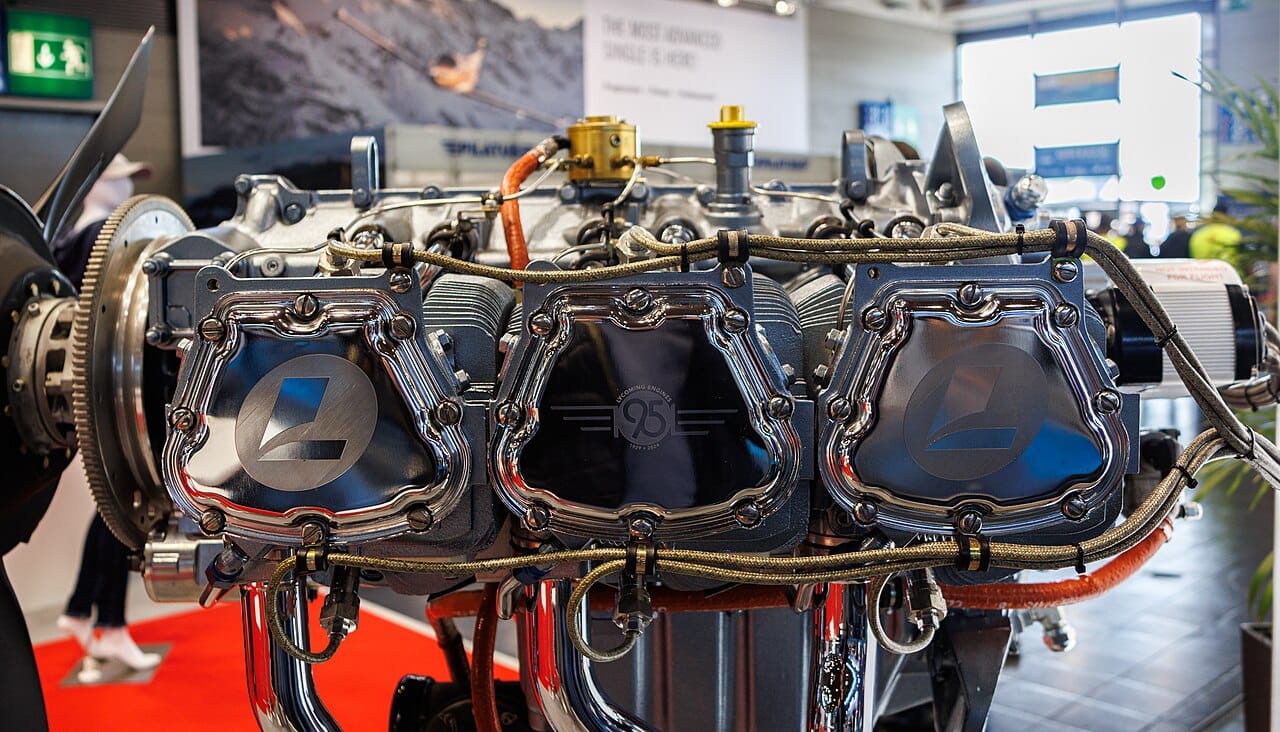
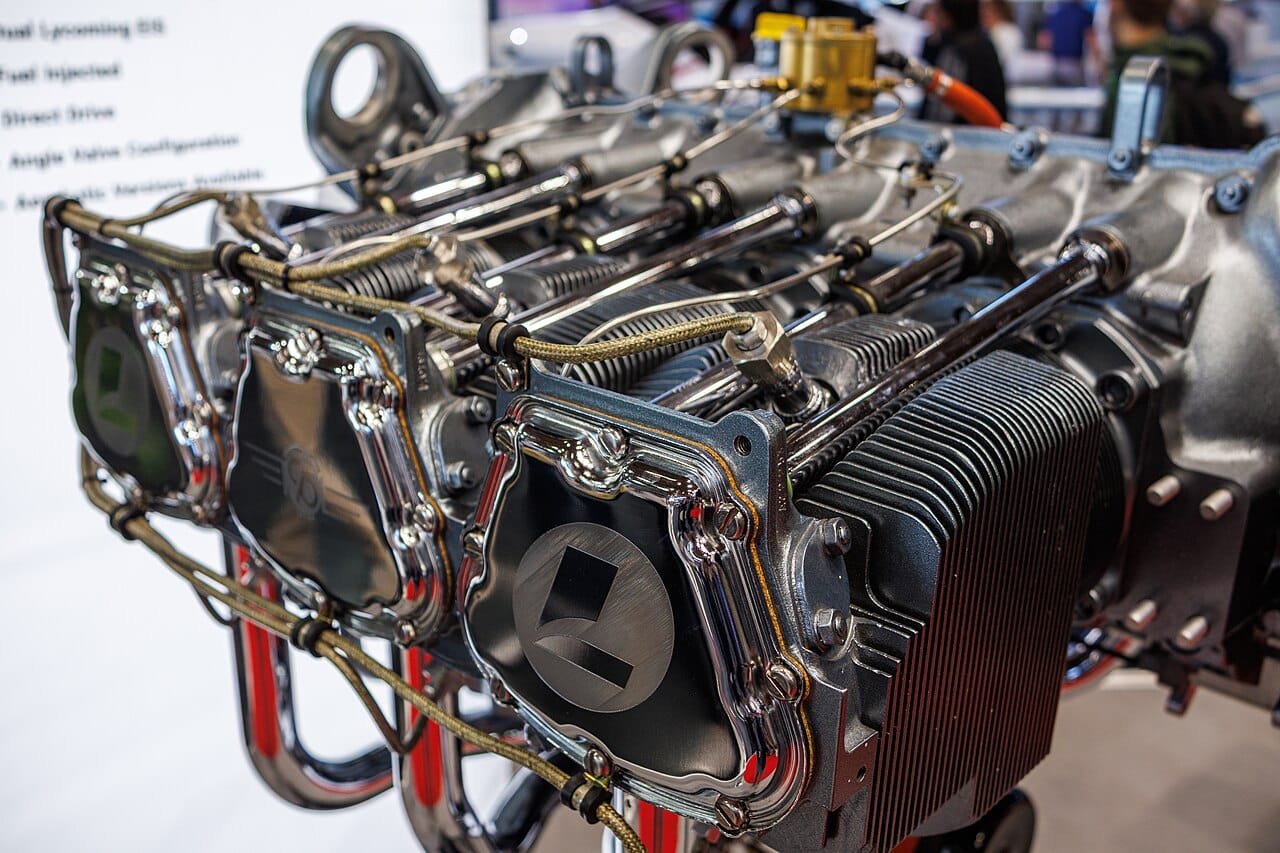
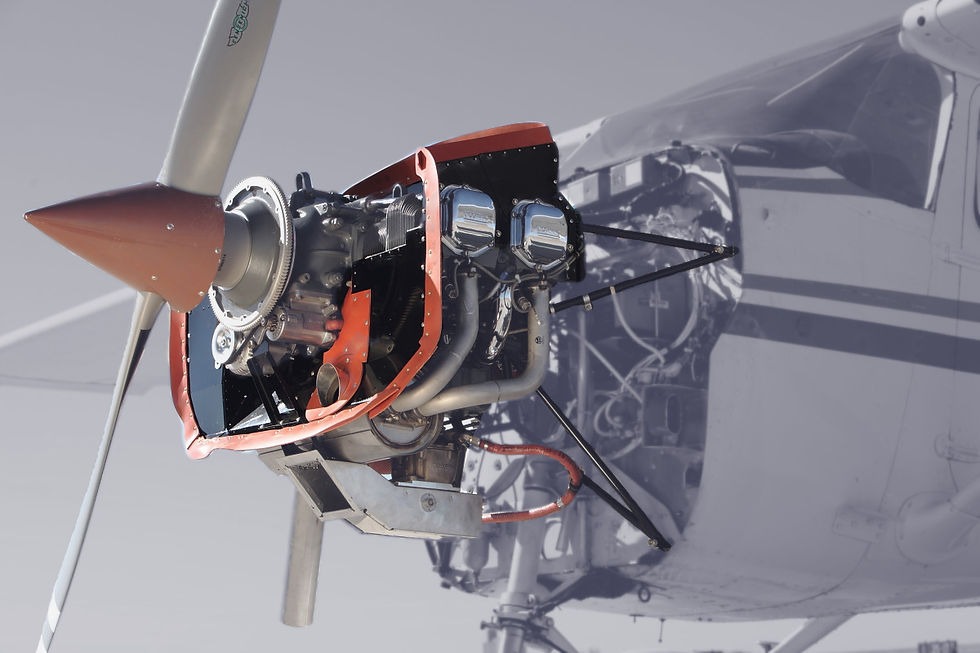
Maintenance issues also play a role. Inside the cessna 172 engine, parts like the cylinder, valve, ignition, and magneto must work together. Worn parts, especially on older models, can lead to mechanical failure. Some planes are simply worse for wear after many flight hour cycles.
Many 172s use lycoming engines, including models like the lycoming O-series. Early versions like the 1956 172 used the o-300, while later models such as the 172p use 180hp setups. Each design has strengths, but all require care. Missed oil changes or skipped inspections affect airworthiness.
Pilot actions matter too. Skipping a checklist, rushing a short field departure, or poor use of carb heat can cause engine issues. During instructional flying at a flight school or flying school, repetition helps, but habits must stay sharp.
Other factors include adverse weather, improper flap use, and ignoring limits for altitude or weight. Across many aircraft types, data from accidents per flight hour shows that small mistakes add up. Groups like Federal Aviation Administration and Aircraft Owners and Pilots Association often point to fuel and maintenance as top causes.
Understanding these causes helps pilots in private aviation, from a new private pilot to an experienced airline pilot flying for fun.
How Early Warning Signs Can Prevent Engine Failure
Early signs often give pilots time to act. Spotting them is key to flying safely in a c-172 or c172.
One common sign is rough engine sound. A vibration or uneven power can point to a spark or fuel problem. This may link back to ignition, a clogged line, or fuel starvation. Watching gauges on your avionics helps confirm the issue.
Another sign is a drop in RPM or sudden power loss. This can happen during any phase of flight, but it feels more serious close to the runway. Quick action matters. Use the poh steps, apply carb heat, and verify fuel flow. These steps are taught early in flight training for a reason.
Smell can also warn you. Fuel smell may suggest a leak. Oil smell can hint at internal wear. Both call for fast thinking and planning a safe landing procedure.
Pilots should always know best glide speed. If power fades, set best glide, maintain altitude as long as possible, and plan a glide path. Watch the landing gear position and line up with a clear area. This matters during flying a cessna or even stepping into other planes like a piper or 182.
Training helps build calm reactions. Many cessna 172’s and cessna 172s in flight school service log thousands of hours. Their accident rate stays low when pilots react early. Data shows most accidents occur after missed clues, not sudden silence.
Learning these signs reduces accidents per flight hour and supports strong 172 safety across private aviation.
WHEN COMMON ENGINE FAILURES USUALLY OCCUR
Engine problems in a cessna 172 do not usually happen at random times. They often show up during certain phases of flight. Knowing when these moments happen helps pilots stay alert and prepared. That matters a lot for flying safely.
Let’s walk through the times when engine trouble is most likely to appear and explain why it happens then.
DURING ENGINE START AND TAXI
Some engine issues begin before the aeroplane even moves.
At engine start, the engine is cold. Oil flows slowly. Fuel pressure is still settling. Small problems can show up fast during this phase.
Pilots may notice:
- Rough idle
- Slow RPM rise
- Engine shaking
- Warning lights that stay on
These signs often point to problems with the ignition system or fuel flow. A sticky valve can also cause rough running right after start.
Taxi time matters too. Long taxi periods can cause spark plugs to foul. This happens often in training aircraft like the 172, 172f, and 172m. These planes may sit idling while waiting in line. If the mixture stays too rich, the engine may run poorly during the next power increase.
If the engine does not sound right during taxi, that is a signal to stop and check things before flight.
DURING TAKEOFF AND INITIAL CLIMB
Many engine failures happen during takeoff or right after lift-off. This is one of the most stressful times because the aircraft is low and slow.
During takeoff, the engine works at high power. Fuel flow increases. Heat builds quickly. If something is weak, this is when it often shows up.
Common causes during takeoff include:
- Fuel starvation
- Air in the fuel lines
- Ignition failure under load
- Poor engine cooling
A cracked cylinder or failing component may work fine at low power but fail when full power is applied.
This phase also gives pilots little time to react. The runway may already be behind the plane. The aircraft is still gaining altitude. That is why proper checks before takeoff are so important.
Aircraft like the skyhawk are forgiving, but even reliable airplanes need respect during this phase.
DURING CLIMB AT LOW ALTITUDE
The climb phase can hide engine trouble.
The engine stays hot. Airspeed is lower than cruise. Cooling airflow is reduced. If the mixture is not set correctly, temperatures can rise fast.
Problems during climb may include:
- Power loss
- Rough running
- High engine temperatures
This is common in high-use trainers like the 172s, which fly many short trips each day. Heat stress builds over time.
Pilots should watch engine gauges closely. A small change can be the first sign of trouble.
DURING CRUISE FLIGHT
Cruise feels calm, but engine problems can still appear.
In cruise, the engine runs for long periods at steady power. If oil levels are low or cooling airflow is blocked, wear increases.
Possible issues during cruise include:
- Oil pressure loss
- Fuel flow problems
- Gradual power loss
Problems here often develop slowly. That gives pilots time to think and act. This is where good engine monitoring and basic avionics awareness help.
Cruise failures are easier to manage than low-altitude failures, but they still require focus and planning.
DURING DESCENT AND POWER CHANGES
Some engines fail when power changes quickly.
During descent, pilots often reduce power. Engine temperatures drop. Fuel flow changes. This can cause stress on engine parts.
Issues during descent may include:
- Engine stumbling
- Carburetor icing
- Rough running after power reduction
When power is added again, the engine may hesitate. That delay matters if the aircraft is close to the ground.
Smooth power changes help reduce stress on engine components and improve reliability.
DURING LANDING AND GO-AROUND
Engine trouble during landing is less common, but it does happen.
A go-around demands quick power. If the engine has been idling for a long time, it may not respond smoothly.
Possible causes include:
- Fouled spark plugs
- Fuel-air imbalance
- Cooling issues
Pilots must be ready for this moment. A slow power response near the ground leaves little margin.
Good habits before landing help here. Proper mixture, correct flap settings, and steady engine management all play a role.
WHY TRAINING AIRCRAFT SEE THESE ISSUES MORE OFTEN
Training airplanes fly a lot. They start and stop many times each day. Different pilots use different habits.
This puts stress on both the engine and other parts of the airframe.
Aircraft like the cessna, piper, and similar trainers are built strong, but wear still happens.
Groups like aopa and the faa stress proper maintenance and pilot awareness because most failures show warning signs before they happen.
WHAT THIS MEANS FOR PILOTS
Engine failures follow patterns. They do not come out of nowhere.
By knowing when problems usually occur, pilots can:
- Pay closer attention during high-risk phases
- Spot warning signs earlier
- Stay calm and act with confidence
In aviation, preparation matters. Awareness matters. Simple habits make a big difference.
Conclusion
The Common Engine Failures in the Cessna 172 topic comes down to awareness, habits, and quick thinking. Most problems start small. Fuel checks, smart maintenance, and steady training all work together. When pilots stay alert, they protect themselves, their passengers, and the airplane. For more practical aviation insights and ownership guidance, explore resources from Flying411 and keep building safer habits every time you fly.
FAQs
What is the most common cause of engine failure in the Cessna 172?
Fuel problems are the most common cause. Fuel starvation and fuel exhaustion happen more often than mechanical failure, especially when checklist steps are missed.
Can a Cessna 172 glide safely after engine failure?
Yes. The Cessna 172 has a stable glide. Pilots trained to use best glide speed can control the descent and plan a safe landing area.
How often should engine inspections be done?
Inspections follow FAA rules and manufacturer guidance. Regular checks based on flight hours help keep the engine airworthy.
Are older Cessna 172 models less safe?
Older models can be safe when well maintained. Proper care and updated parts reduce risks linked to age and wear.
Do engine failures happen often in flight training?
They are rare. Good instruction and strong habits keep the accident rate low during training flights.