Choosing an airplane can feel exciting and stressful at the same time. Some planes feel calm and steady. Others feel quick and modern. That choice matters because it shapes how you train, travel, and enjoy time in the air. The Cessna 182 vs Cirrus SR22 question often comes up because both models are trusted, popular, and proven across the USA. They serve similar missions but do it in different ways. Understanding those differences helps you picture yourself in the left seat and feel confident about what comes next.
Key Takeaways
The Cessna 182 and the Cirrus SR22 are both popular four-seat airplanes, but they serve different needs. The Cessna 182 is known for strength, simple systems, and easy handling, which makes it a good choice for utility flying and rough fields. The Cirrus SR22 focuses on speed, comfort, and modern technology, with advanced avionics and a built-in parachute. Choosing between them depends on whether a pilot values durability and simplicity or speed and high-end features.
| Feature | Cessna 182 | Cirrus SR22 |
| Cruise speed | Slower | Faster |
| Cabin comfort | Basic and roomy | Modern and upscale |
| Avionics | Simple to moderate | Advanced glass cockpit |
| Safety features | Strong design | Airframe parachute |
| Best for | Utility and training | Cross-country travel |
What Makes The Cessna 182 And Cirrus SR22 So Popular?
These two aircraft earned their reputation by doing everyday flying very well. They fit real-life trips and real people. That matters to many pilots across the country.
The cessna 182 has been around for decades. It grew from the 172 line and kept what worked. Pilots like the high wing because it gives shade, good views, and easy loading. The skylane name fits its smooth ride. Many owners say it is an easy to fly airplane that feels steady from takeoff to landing. It handles grass strips, paved runway options, and short field work with confidence. That flexibility helps at busy airports and quiet strips alike.
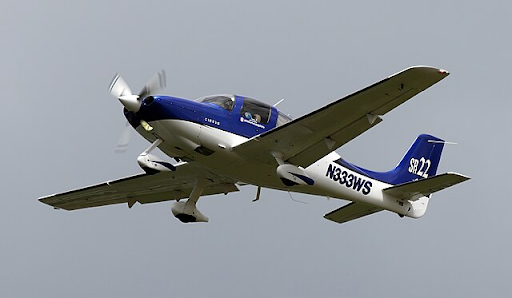
The cirrus family took a newer path. The sr22 brought fresh ideas to aviation. It focused on speed, safety, and modern design. The airframe looks sleek. The cabin feels like a modern car. Cirrus aircraft often come packed with advanced avionics, which attracts tech-minded owners. Cirrus pilots also value the whole-airplane parachute. In an emergency, they can pull the chute. That feature changed how many people think about safety in a single engine piston piston aircraft.
Popularity also comes from options. Buyers see choices like na sr22, sr22 na, sr22s, sr22 g7, new g7, g6, g3, and even sr22t or cirrus sr22t with turbo power. On the Cessna side, models include 182s, 182t, t182t, and the turbo skylane. Some are turbonormalized for better performance at high altitudes.
Owners also compare the planes against others like bonanza, beech, piper, g36, sr20, and even sr-22 listings online. Many notice the 182 often costs less than an sr22 to buy and run, with a lower cost per hour and longer tbo. That helps during the decision making process. Both planes are a great plane choice for cross country trips, building hours of flight time, or moving pax in comfort.
How These Two Airplanes Are Designed To Fly
Design shapes how a plane feels from the first roll to cruise. The differences here explain why people debate sr22 vs vs cessna so often, including searches like cessna 182 vs cirrus and 182 vs vs cirrus.
The Cessna uses a strong airframe with a high wing layout. This helps with stability and ground clearance. The wing supports larger flap settings, which lower stall speed and improve control near the ground. That design helps on shorter strips and uneven surfaces. The useful load is generous, so bags and people fit without stress. Many owners like how the c182 handles in ifr conditions. The plane feels predictable. Older panels may have g1000, g5, avidyne, or newer garmin systems after an upgrade. A used 182 or new cessna can both serve training or travel. Some even come from flight school roots like cessna 172s, which builds trust.
The Cirrus takes a different route. The low wing reduces drag and boosts speed. That is why many say the sr22 is faster. Cruise speeds often reach higher knot counts and kts readings. The wing design favors efficiency at altitude and even flight levels in sr22t models. Ice protection like tks helps in changing weather. The cockpit feels tight and modern, with large screens and clear menus. Systems like g1000, newer garmin, and integrated controls define the experience.
Safety stands out. The Cirrus includes a whole-plane chute system. In rare emergencies, pilots can deploy it and descend under canopy. Many cirrus owners point to this as peace of mind. The plane does not use retract gear, which keeps operations simpler. While unlike the cirrus, the Cessna relies on traditional handling rather than a parachute, both designs support solid training and confident flying.
Buyers often compare notes on sr22 buyers forums. Some mention sr22 would suit long trips better. Others say the Cessna fits family travel and mixed airports. Cirrus are great, but the sr22 is a great fit mainly when speed and tech lead the plan. The choice comes down to budget and mission, hours in similar planes like hours in the sr20, and what feels right after real seat time.
What Questions Pilots Ask Before Choosing Between Them
When pilots compare these two popular choices, they tend to ask practical questions first. These questions focus on daily use, comfort, safety, and long-term ownership. Below are the most common topics that come up during hangar talks and flight planning chats across the USA.
How Will This Airplane Fit My Normal Trips?
Most pilots start by thinking about how they actually travel. Some trips are short hops. Others stretch across several states. The goal is to pick an airplane that matches real needs.
Many owners ask:
- How far can I go without stopping?
- How many people can I bring?
- Can I carry bags and still stay within limits?
The answer often points to payload and range. The Cessna’s design favors steady trips with people and gear. Its useful load supports family travel and gear-heavy flights. The Cirrus leans toward speed and efficiency, which helps long trips feel shorter. That matters when time is tight and fuel stops are fewer.
Which One Feels Easier To Fly?
Comfort in the seat matters. Pilots want a plane that feels calm and predictable.
The Cessna’s high wing design gives a stable view and helps during landings. Many pilots say it feels natural from the first hour. It also gives shade on sunny ramps, which is a nice bonus.
The Cirrus feels sleek and responsive. Controls are smooth, and the cabin feels modern. Some pilots say it takes a little time to learn the systems, but once familiar, it feels clear and organized. Pilots who already have time in similar aircraft adjust quickly and enjoy the pace when they fly cross-country.
How Important Is Speed Versus Comfort?
Speed comes up early in the decision. Faster trips mean less time in the seat. Slower trips can still feel relaxed and steady.
Pilots often ask:
- Do I want speed for long trips?
- Do I prefer a calmer ride with more space?
Cirrus models tend to cruise faster, especially with turbo options. That helps at higher altitude and long legs. The Cessna focuses on smooth handling and a wide comfort zone. Both get the job done, but the feeling in cruise is different.
What Safety Features Matter Most To Me?
Safety questions guide many buying choices. Pilots look at systems, training, and design.
The Cirrus stands out with its whole-aircraft chute. In a serious emergency, the pilot can deploy it and descend under canopy. Many owners say this adds peace of mind, especially for family flights.
The Cessna leans on proven handling and visibility. Its solid airframe design and forgiving flight traits support calm decision-making. Pilots trust the way it behaves near the ground and during approach.
How Advanced Is The Technology Inside?
Modern cockpits play a big role today. Pilots ask how much technology they want and how much they plan to use.
Common questions include:
- Does the panel support modern navigation?
- Is the system easy to learn?
- Can it grow with me?
Many Cirrus aircraft come with advanced avionics and large screens. Systems like g1000 are common, offering clean maps and integrated data. Cessna panels vary by year. Some older planes need an upgrade to match newer tech. Many owners add garmin units to keep things current.
What About Training And Transition Time?
Training affects comfort and insurance. Pilots want a smooth path to ownership.
The Cirrus often includes factory-supported training. This helps new owners learn systems and procedures step by step. Pilots moving up from an sr20 may find the transition easier.
The Cessna path feels familiar to many pilots trained in older trainers. Time spent in similar designs helps shorten the learning curve. In both cases, good instruction builds confidence.
How Do Ownership Costs Compare?
Cost questions never go away. Pilots want clear numbers and realistic expectations.
Common cost topics:
- Fuel burn
- Maintenance
- Parts availability
- Insurance
The Cessna often shows less cost per hour, especially in non-turbo models. Parts are widely available, and many mechanics know the design well. The Cirrus can cost more to maintain, especially with advanced systems, but owners often accept that trade for speed and features.
Which Engine And Model Fits My Goals?
Pilots look closely at engine options and model history.
Some Cirrus versions use engines like the 550, which deliver strong cruise performance. Buyers also compare trims like the new sr22 versus older models. Each has different features and price points.
On the Cessna side, options include models like the t182t, which perform better at higher elevations. These choices help pilots tailor the plane to local terrain and weather.
How Does This Compare To Other Choices?
Pilots rarely look at just two planes. They compare across the market.
Names that come up include piper models and other popular singles. Buyers weigh speed, comfort, and resale value. They also compare similar listings like the sr22 and cirrus sr-22 against alternatives. The goal is clarity, not hype.
What Kind Of Flying Do I See In Five Years?
Long-term thinking helps avoid regret. Pilots ask where their flying is headed.
Questions include:
- Will my trips get longer?
- Will my passengers change?
- Will my skills grow?
Those answers guide the final call. Some pilots value flexibility and familiarity. Others want speed and tech as they log more hours. Both paths support growth in aviation when chosen with care.
The best choice comes from honest answers. Pilots who ask clear questions make better decisions. They look at trips, comfort, safety, and cost. They picture real flights, not brochure photos. That mindset leads to confident ownership and many happy hours in the sky.
Conclusion
No chart can replace personal comfort, but clear facts help guide the choice. The Cessna 182 vs Cirrus SR22 debate comes down to how you plan to fly, where you plan to land, and what matters most on each trip. One favors flexibility and load. The other favors speed and systems. Both support safe, confident flying across the USA. When you are ready to compare listings, costs, and ownership paths, explore expert tools and guidance at Flying411 to move forward with confidence.
Frequently Asked Questions
Is the Cirrus SR22 harder to fly than the Cessna 182?
No. Training programs are strong for both. The SR22 uses more automation, while the 182 feels more traditional.
Which plane is better for short runways?
The Cessna 182 often performs better on shorter or rougher fields due to its wing and flap design.
Does the parachute replace pilot skill?
No. The parachute is a last-resort option. Good training and decisions still matter every flight.
Which airplane costs more to own?
The SR22 often costs more to buy and maintain. The 182 usually has a lower hourly operating cost.
Are both planes good for family travel?
Yes. Both can carry people and bags well. Comfort and speed preferences usually decide the winner.