Choosing your first trainer plane can feel exciting and a little confusing. You want something safe, simple, and fun to fly. Two names always come up at flight schools across the USA: Cessna 172 vs Piper Archer. Both planes have trained thousands of pilots, and both have strong fans.
The real question is how they feel in the air and how they support your goals as you start flying. Let’s go through what makes each one special and why the differences matter as learning takes shape.
Key Takeaways
The main difference between the Cessna 172 and the Piper Archer is how they handle and feel in flight, even though both are four-seat training and travel airplanes. The Cessna 172 is high-wing, very stable, and easy to see out of, making it great for new pilots and sightseeing. The Piper Archer is low-wing, feels sportier, and often flies a little faster, which many pilots like for cross-country trips. Both are safe, reliable, and widely used in flight schools.
| Feature | Cessna 172 | Piper Archer |
| Wing position | High wing | Low wing |
| Seats | 4 | 4 |
| Stability | Very stable | More sporty feel |
| Visibility | Great view down | Better view up |
| Cruise speed | Moderate | Slightly faster |
| Fuel use | Similar | Similar |
| Best for | Training and easy flying | Training and travel |
| Handling feel | Smooth and gentle | Firm and responsive |
What Is The Piper Archer And How Is It Different?
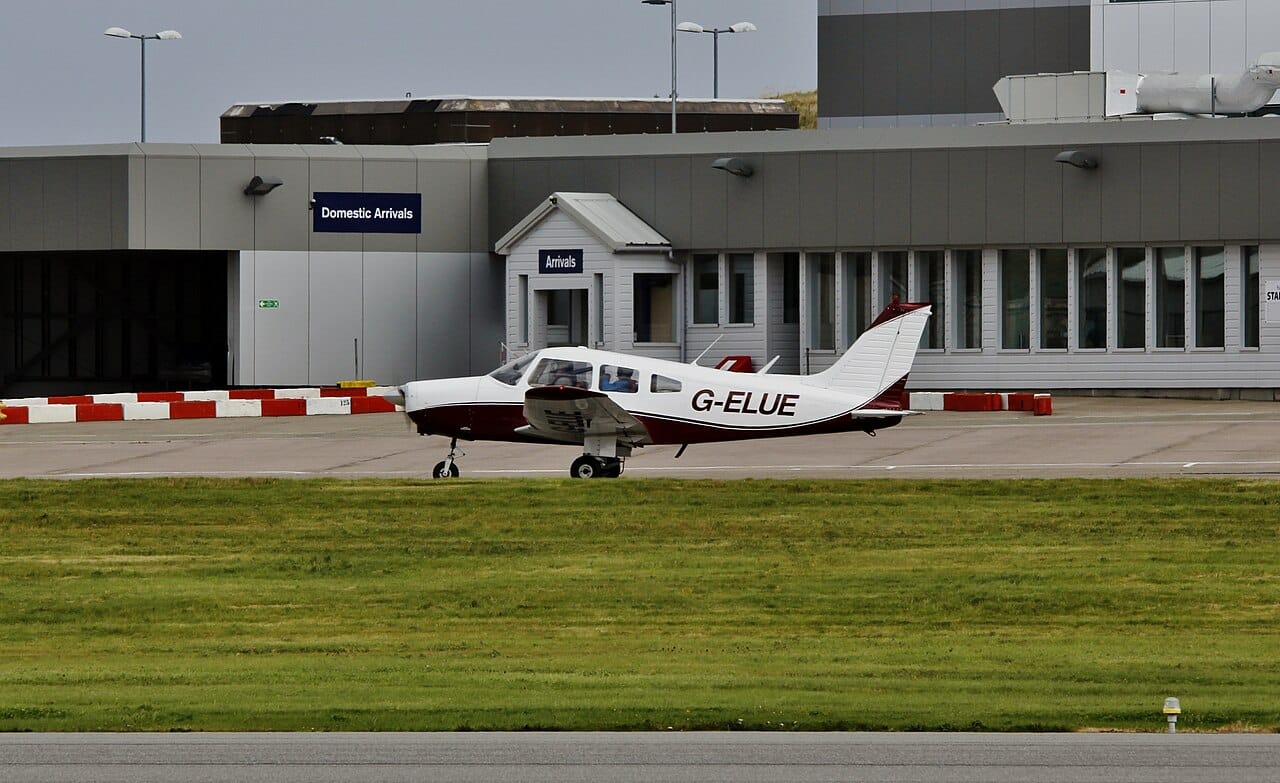
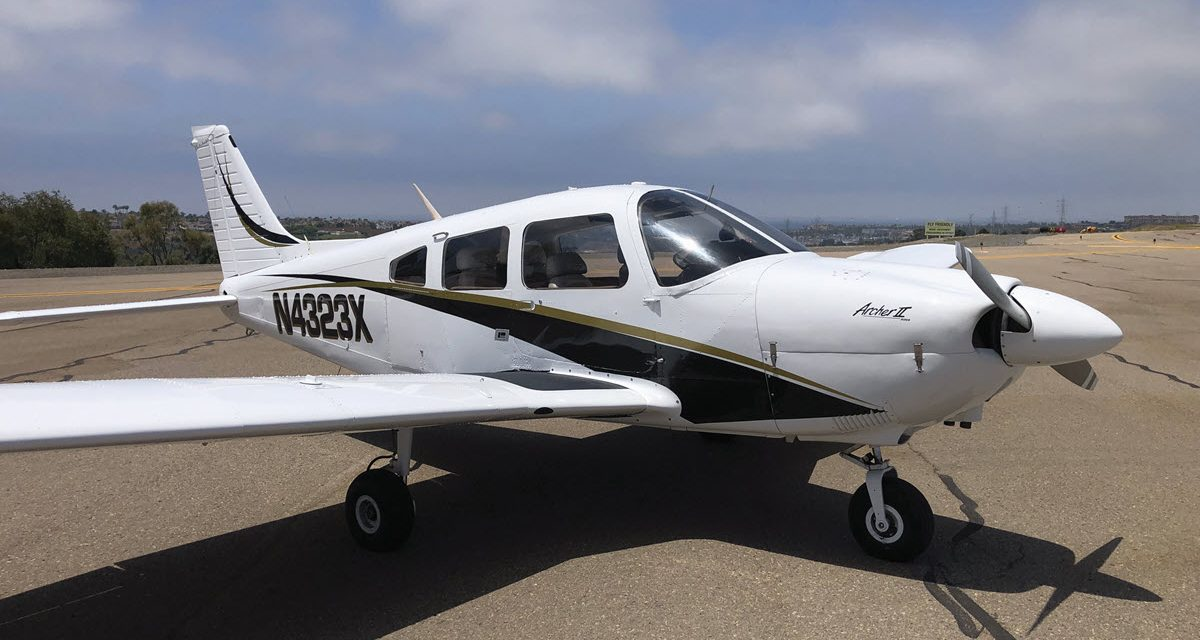
The piper archer comes from the well-known cherokee family. It is part of general aviation history and is known for steady handling. The design is a low-wing plane, which means the wings sit below the cockpit. This layout gives a connected feel to the air during turns and climbs.
The piper archer is also called the pa-28, and some versions like the archer ii and cherokee 180 are still common today. Many schools like it for flight training because it feels balanced and predictable. A student pilot often notices how the archer feels planted on approach and during landing practice.
Key traits that stand out include:
- The low wing design improves side views and visibility from the cockpit
- Strong spring steel landing gear absorbs firm touchdowns
- Simple avionics layouts that help early learning
- A solid useful load for two people and fuel
During slow flight and stall practice, the Archer gives clear feedback. That helps a pilot learn control without stress. The plane usually cruises around a steady knot range that fits training needs. Many models carry fuel tanks in the wings, which keeps weight balanced.
For new flyers, entry and exit feel natural thanks to two doors. This makes lessons smoother when switching seats. Instructors often say the archer is the better fit for students who like a stable yet responsive feel. Compared to other aircraft like trainers, it gives confidence early on.
Some pilots move from the Archer to similar aircraft types easily. If you like the piper style and plan to fly low-wing aircraft later, this plane builds habits that transfer well. Many people simply enjoy flying it because the controls feel honest and smooth.
How Cessna 172 Vs Piper Archer Compare For Flight Training
The archer vs cessna 172 debate often starts with wing placement. The high wing design of the Cessna creates great downward visibility, especially during pattern work. Many instructors say fly the 172 first because it feels calm and forgiving.
The c172 family includes many models, and 172s are everywhere. Some have glass cockpit setups and even come equipped with garmin g1000 systems. This supports modern instrument training and ifr skills. The plane is often powered around 180 hp, which feels steady and predictable.
Here is how they compare in training use:
- The high-wing aircraft design helps during crosswind work
- The Archer’s better roll stability feels smooth in turns
- The Cessna’s high-wing layout helps spot the runway easily
- Both are easy to fly and forgiving
Many schools choose cessnas because parts and instructors are easy to find. A student pilot working on pilot training often logs many hours in cessna 172s and builds confidence fast. The cessna 172 isn’t fast, but it teaches control and planning well. Some pilots prefer the 172 for early lessons because it feels familiar and stable.
The Archer, on the other hand, feels sportier. Some say like flying it helps with coordination as learning to fly moves forward. When comparing piper archer vs cessna 172, both planes shine as trainer aircraft. The choice can depend on personal preference, school fleet, and instructor style.
As skills grow, pilots move to specific aircraft like the piper warrior, cessna cardinal, or even a 182. The habits learned transfer well from both. The real win is time in the logbook and safe practice as flying goes from new to natural. In the end, piper or cessna, both remain trusted training aircraft and a strong first aircraft choice.
Which Is Better For You: Cessna 172 Or Piper Archer?
This question comes up a lot at flight schools, on ramps, and during preflight talks. You look at two trusted trainers and wonder which one fits you best. The truth is simple. Both planes work well. The better choice depends on how you learn, how you feel in the seat, and what you want from your training.
Let’s break it down step by step so it stays clear and easy to follow.
Start With How You Learn
Some people like calm and steady. Others like smooth and responsive. That difference matters when you sit in an airplane for the first time.
The archer and cessna both support new pilots, but they teach in slightly different ways.
- One plane feels taller and more open
- The other feels closer to the ground and more connected
- Both help build safe habits
- Both forgive small mistakes
If you learn best with a relaxed pace, one may feel better right away. If you like clear feedback from the controls, the other may click faster.
How Each Plane Feels in the Air
The piper archer and cessna 172 share similar speeds and missions, but the feeling is not the same.
The Archer comes from the piper cherokee family. It sits lower and feels planted in turns. Many students say it responds smoothly to small inputs.
The Cessna feels taller. It gives a wider view during pattern work. Some students feel confident faster because they can see more of the ground.
Here is what students often notice:
- Archer turns feel smooth and even
- Cessna climbs feel steady and calm
- Both handle training speeds well
- Both recover cleanly from practice maneuvers
Neither plane rushes you. Both allow time to think, check instruments, and listen to the instructor.
Control Layout and Simplicity
Control layout matters, especially early on.
Both planes use simple systems. You move the yoke, manage power, and control trim. Each uses a flap handle or switch that is easy to learn.
What helps students most is consistency. You repeat the same steps every lesson.
- Power set
- Attitude adjusted
- Trim set
- Speed checked
That repetition builds confidence fast.
Power and Performance Basics
Training planes do not focus on speed. They focus on control and safety.
Both planes have similar horsepower and climb rates used for training. That keeps lessons predictable.
You do not need fast acceleration. You need smooth response.
During takeoff and climb:
- Power comes in smoothly
- The nose lifts at the right speed
- The plane climbs at a steady rate
That steady pace helps new pilots stay ahead of the plane instead of chasing it.
Ground Handling and Taxi Feel
Taxiing is part of every lesson. It matters more than many students expect.
The Archer feels lower during taxi. Some say it feels natural right away. The Cessna sits higher, which can feel different at first.
Neither is hard. Both teach proper steering and brake control.
You learn to:
- Keep speed slow
- Watch centerlines
- Use light brake pressure
Those skills transfer well to other planes later.
Comfort and Seating
Comfort affects focus. If you feel relaxed, learning improves.
Both planes seat two people up front with room to move. Controls are within reach. Seats adjust easily.
Some students feel the Archer cabin feels snug. Others like the open feel of the Cessna.
Neither choice is wrong. Comfort is personal.
Training Progress and Skill Growth
As training moves forward, lessons add complexity.
You practice:
- Slow flight
- Pattern work
- Emergency procedures
- Navigation basics
The archer and the cessna both support these lessons well.
The Cessna’s visibility helps with traffic scanning. The Archer’s handling helps with coordination.
Instructors often say both planes teach strong habits that carry forward.
Comparing Size and Feel
Some students worry about size differences.
The Cessna may feel shorter than the archer in some dimensions, but both fit easily on training ramps and hangars.
What matters more is how the plane responds to you.
- Does it feel balanced?
- Do turns feel smooth?
- Does it settle nicely on landing?
Those answers guide your comfort more than numbers on a spec sheet.
Wing Position and Learning Style
Wing position changes how the plane feels.
A high wing plane sits above you. A low wing plane sits below you. Both are wing aircraft, just with different layouts.
Students often notice:
- High wing helps shade the cabin
- Low wing helps feel closer to the air
- Both give clear cues during turns
Neither layout is harder. They simply feel different.
Which One Feels Easier?
Many students ask which plane is easier to fly.
The honest answer is this: both can feel easy with good instruction.
One student may relax faster in the Archer. Another may feel at home in the Cessna. Your comfort matters more than the model name.
The aircraft might feel easier on day one and different on day ten. That is normal.
Long-Term Training Value
Both planes are proven trainers.
Instructors trust them. Schools maintain them well. Parts and knowledge are easy to find.
The piper and cessna brands both support training fleets across the country.
You learn:
- Checklist discipline
- Smooth control inputs
- Good decision-making
Those skills matter far more than brand choice.
So Which One Wins?
There is no single winner for everyone.
The 172's reputation comes from decades of safe training. The Archer’s reputation comes from smooth handling and consistency.
The real question is which one helps you feel calm, focused, and confident.
When that happens, learning speeds up.
Final Guidance
If you have access to both, try each. One lesson in each can tell you a lot.
If you only have access to one, relax. You are still in a strong type of aircraft for training.
Both planes prepare you well for future flying. Both build strong fundamentals. Both have trained generations of pilots.
In the end, the piper archer and cessna 172 stand side by side as trusted options. The better trainer is the one that helps you enjoy lessons, stay focused, and keep showing up ready to learn.
Conclusion: Picking The Trainer That Fits You Best
Choosing between cessna 172 or piper comes down to comfort, goals, and how each plane feels during lessons. Some pilots like the calm view like the cessna 172, while others enjoy the smoother response like the cessna comparison gives to the Archer. Both support growth, safety, and skill building.
If you want help finding the right plane or learning more about ownership and training, explore resources from Flying411 and keep your journey moving forward.
FAQs
Is the Piper Archer good for beginners?
Yes. The Piper Archer is stable, predictable, and forgiving, which helps new pilots learn control and confidence early.
Why do flight schools like the Cessna 172?
Flight schools like it because it is reliable, easy to maintain, and simple for students to learn basic flying skills.
Which plane handles crosswinds better?
Many pilots feel the Cessna 172 handles crosswinds slightly better due to its high-wing design and steady ground feel.
Can I train for instruments in both planes?
Yes. Both planes can be used for instrument training if equipped with the right avionics and instructor support.
Does plane choice affect my pilot experience?
It can shape comfort and confidence, but skills transfer well. Time, practice, and good instruction matter most.