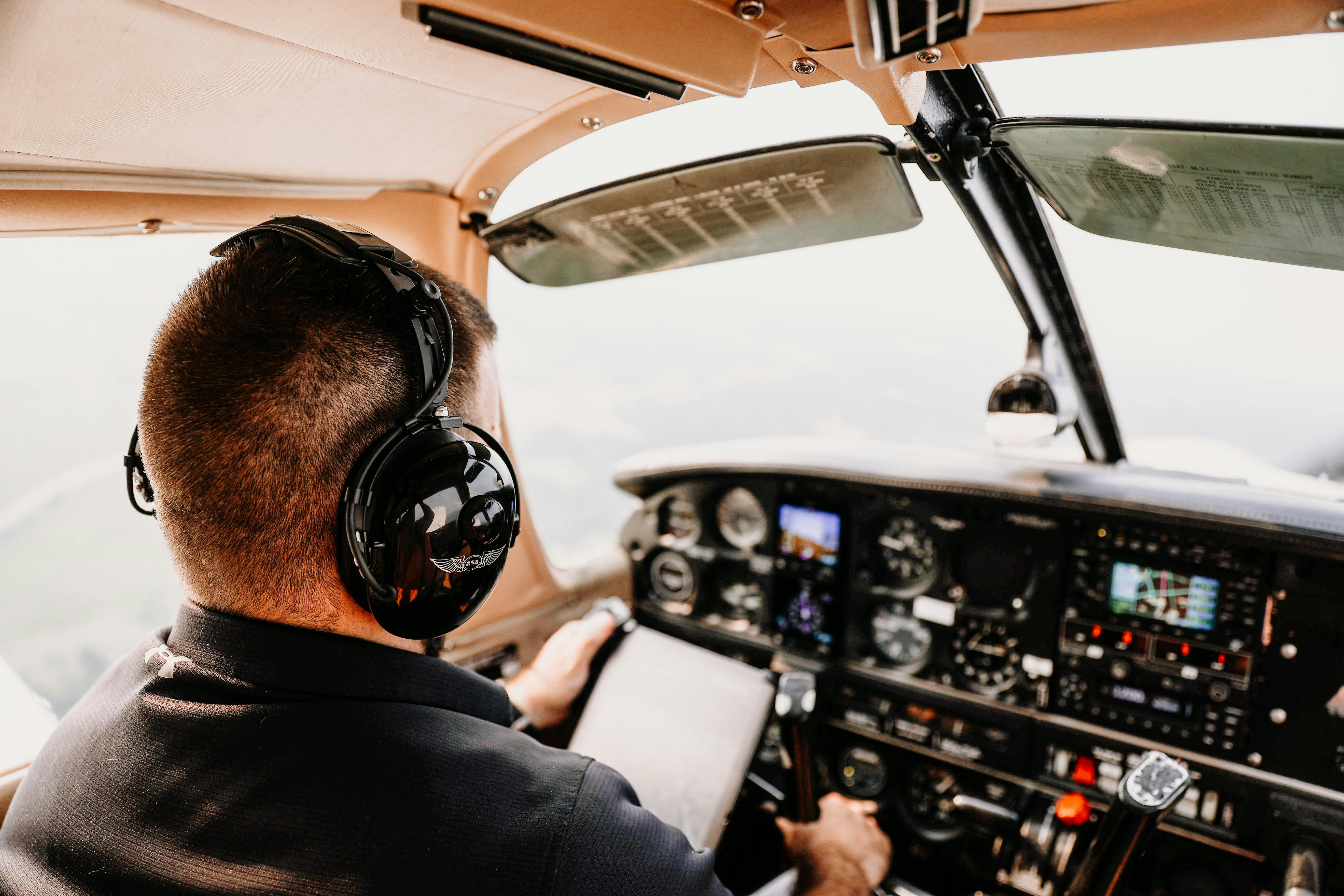
Before the wheels ever leave the ground, there is a short moment on the ramp that carries a lot of weight. This is the time when a pilot slows down, looks inside the cockpit, and listens closely to what the airplane is telling them.
The Cessna 172 Engine Run Up matters because this simple step helps confirm the plane is ready for safe flight. Miss something here, and small problems can follow you into the air. Get it right, and you fly with confidence, knowing the basics are solid and checked.
Key Takeaways
An engine run-up on a Cessna 172 is a safety check done before takeoff to make sure the engine and key systems are working right. During the run-up, the pilot checks the magnetos, engine power, oil pressure, and carburetor heat to be sure the engine will run smoothly in the air. This test helps find problems while still on the ground, so the plane does not take off with a hidden issue.
| Run-Up Check | What Is Tested | Why It Matters | What to Look For |
| Magnetos | Ignition system | Makes sure both sides fire | Small, even RPM drop |
| Engine power | Throttle response | Confirms strong power | Smooth RPM increase |
| Carb heat | Ice prevention | Clears ice from engine | RPM drop, then rise |
| Oil pressure | Engine health | Shows oil is flowing | Pressure in green range |
| Engine smoothness | Overall operation | Finds rough running | No shaking or sputtering |
What a Cessna 172 Engine Run Up Is and Why It Matters
A run-up is a focused safety check done on the ground. It happens after engine startup and before you line up to fly the airplane. The goal is simple. Make sure the c172 engine and its systems work the way the manual says they should.
This step checks how the engine runs at a set rpm. You set the power, hold the brake, and watch the gauges. During this time, the propeller spins at a steady speed, and the ignition system fires through each magneto. A normal rpm drop during the mag check tells you the spark and ignition parts are doing their job.
Why does this matter? Because the engine is a mechanical system. Parts heat up. Oil pressure changes. Temperature rises. A run up lets you catch issues early, before full power is needed. This protects the lycoming motor and keeps the flight safer.
You also confirm the fuel setup. The selector must be correct, and the fuel flow should stay stable. If the plane uses fuel injection or carburetors with carb heat, this step confirms those systems respond as expected. You may briefly lean the mixture to see how the engine reacts.
This process follows a checklist from the poh. It is a standard procedure taught in flight school and reinforced by every instructor. Good instruction stresses that run ups are not rushed. They are calm, controlled, and repeatable.
In short, the runup tells you one thing. The engine is started, warmed up, and ready to support the next phase of aviation safely.
How to Perform a Safe and Proper Cessna 172 Engine Run Up
A proper procedure starts with good setup. Taxi to the runup area and point the airplane into the wind if possible. Set the brake firmly so the plane stays still. Keep the throttle at idle for a moment to stabilize.
Now increase power to the runup setting and check rpm. Watch pressure, temperature, and oil gauges. These tell you how the engine is handling the load. Everything should stay in the green.
Next comes the mag check. Use the switch to test each magneto. You expect a small rpm drop, not a rough shake. This confirms the ignition and electrical systems are healthy. Return the switch to both mags before moving on.
After that, test the mixture briefly. A small change should cause a smooth response. Reset it per the poh. If equipped, apply carb heat and confirm a slight change in rpm, then return it to cold. This shows airflow and heat control work correctly.
Before rolling out, do one last inspection scan:
- Controls free and correct
- Fuel selector set properly
- Gauges steady
- No warning lights
Avoid rushing. Do not go full throttle here. That happens on the runway. The runup is about control, not speed. When done correctly, you are ready to start the engine phase of the flight that really matters, the roll toward takeoff.
This step protects the prop, the propeller hub, and the entire system that helps you safely operate the cessna 172.
When and Where a Run Up Is Done Before Flight
Timing and location matter a lot when it comes to a run up. This step fits into a clear order, and it happens in a specific place for safety and control. When done right, it helps the pilot feel calm and ready before leaving the ground.
When the Run Up Happens in the Flight Flow
A run up happens after the preflight and after the engine is started, but before flight begins. Think of it as the last pause before moving forward.
Here is the basic order most pilots follow:
- Complete the walkaround and cockpit setup
- Start the engine and let it warm up
- Taxi slowly to the run-up area
- Perform the run up
- Taxi to the runway and prepare for takeoff
This order is not random. Each step builds on the one before it. The procedure is laid out clearly in the poh, and many pilots also use a printed or digital checklist to stay on track.
The run up should never be rushed. If the oil is still cold or the gauges are not steady, waiting is the smart move. Good aviation habits always favor patience over speed.
Where the Run Up Is Performed
Most airports have a designated run-up area. This spot is usually near the runway but pointed away from other planes and buildings. The goal is simple. Keep people, property, and other aircraft safe from prop wash.
A proper run-up area has a few key features:
- Clear space in front of the prop
- Solid ground for braking
- Enough room to stop and hold position
- Safe distance from other traffic
If there is no marked area, pilots choose a spot that meets these same needs. The airplane should face into the wind when possible. This helps with cooling and control.
Never perform a run up on the taxiway unless airport rules allow it. Never block other traffic. A safe spot helps everyone move smoothly.
Why the Run Up Is Not Done at the Gate
The ramp or parking area is not a good place for a run up. There are people walking, doors opening, and equipment nearby. High rpm settings can blow debris and create danger.
Moving to the proper location protects the plane and everyone around it. It also gives the pilot space to focus without distractions. That focus matters when checking gauges and listening to the engine.
What the Pilot Is Checking During This Time
During the run up, the pilot is watching and listening. Each system gives clues about how the airplane will perform.
Key things being checked include:
- Engine response as power increases
- Steady oil pressure
- Smooth operation of the mixture control
- Normal readings across the panel
The throttle is advanced to the run-up setting, not full throttle. This allows a controlled test without stressing the engine. A brief power change can also show how the engine responds when leaned. Some pilots lean slightly per guidance to confirm smooth operation, then return settings to normal.
This is also a time to feel the brakes and confirm the airplane stays still. If the plane creeps forward, something needs attention before moving on.
Using the Checklist Every Time
Even experienced pilots rely on a checklist. Memory can slip, especially on busy days or at new airports. The checklist keeps each check consistent.
A good checklist ensures:
- No steps are skipped
- Items are done in the right order
- Settings match the poh
- The run-up stays repeatable
An instructor will often stress this early in training. The habit carries forward into every flight. Consistency builds confidence.
Adapting to Airport Conditions
Not all airports are the same. Some are busy. Some are quiet. Some have limited space. The pilot adapts while keeping safety first.
For example:
- At a busy airport, keep the run up efficient and clear the area promptly
- At a small field, ensure no one is behind the airplane
- In hot weather, watch oil temperature closely
- In cold weather, allow extra warm-up time
No matter the setting, the goal stays the same. Confirm the airplane is ready to fly safely.
Common Mistakes to Avoid
Even simple steps can go wrong if attention slips. Here are a few mistakes pilots learn to avoid:
- Skipping the run up when in a hurry
- Performing it too close to other planes
- Forgetting to reset controls after checks
- Ignoring small signs that feel “off”
If something does not feel right, stop. Taxi back if needed. A short delay on the ground is always better than a problem in the air.
Why This Step Builds Confidence
A good run up does more than check systems. It prepares the pilot mentally. It marks the shift from ground movement to flight mindset.
By the time the run up is complete, the pilot knows:
- The engine is responding normally
- The airplane is ready for takeoff
- The flight can move forward with confidence
This calm confidence is the real value of the run up. It turns preparation into action and sets the tone for a safe flight in a c172.
Done at the right time and in the right place, the run up becomes a steady habit. One that supports safety, clarity, and smooth flying every time.
Conclusion
A clean, calm run up builds trust between you and the airplane. It confirms systems, reduces surprises, and sets the tone for the rest of the flight. When you treat this step with care, you protect the engine and your passengers. For clear aviation learning and ownership insights, explore more helpful guides from Flying411.
Frequently Asked Questions
How long should a Cessna 172 engine run up take?
Most run ups take two to three minutes. The goal is accuracy, not speed, so take the time needed to complete each checklist item correctly.
Can I skip the run up if the engine sounds fine?
No. Sound alone cannot confirm ignition, fuel flow, or magneto health. The run up checks systems your ears cannot fully judge.
What rpm is used for a normal run up?
The poh lists the standard rpm setting, often around 1700. Always follow the aircraft manual for your specific model.
What should I do if the rpm drop is too large?
Stop the takeoff plan. Recheck the checklist and consult maintenance or an instructor before flying.
Is the run up the same on every Cessna 172?
The steps are similar, but equipment like g1000 avionics or fuel systems can change small details. Always follow your aircraft’s poh.