Flying a familiar airplane can feel comfortable. You know the sounds, the controls, and the habits of the airplane. For many pilots in the U.S., the Cessna 172 has been that steady companion for decades. But fuel prices change, parts change, and technology keeps moving forward. That is why some owners start asking new questions about power, efficiency, and long-term costs.
A Cessna 172 Diesel Conversion Explained simply means replacing the original powerplant with a modern option that runs on a different fuel and uses newer controls. The idea can sound big at first, but the goal is simple. Owners want reliable flying with fewer surprises at the fuel pump and during maintenance. Up next, we look at the quick answer and the key points you should know right away.
Key Takeaways
A diesel conversion replaces the original engine with a certified diesel engine that runs on jet-style fuel instead of leaded gas. For many aircraft owners, this can mean lower fuel use, smoother control, and easier planning in places where avgas is hard to find. The change must follow an approved process, but when done right, it can improve day-to-day flying.
| Key Point | What It Means for Owners |
| Fuel type | Uses jet-style fuel instead of leaded gas |
| Controls | Simple power control with one main lever |
| Efficiency | Often uses less fuel per hour |
| Approval | Requires a certified stc |
| Use case | Popular with training and personal flying |
Why Some Cessna 172 Owners Want a Different Engine
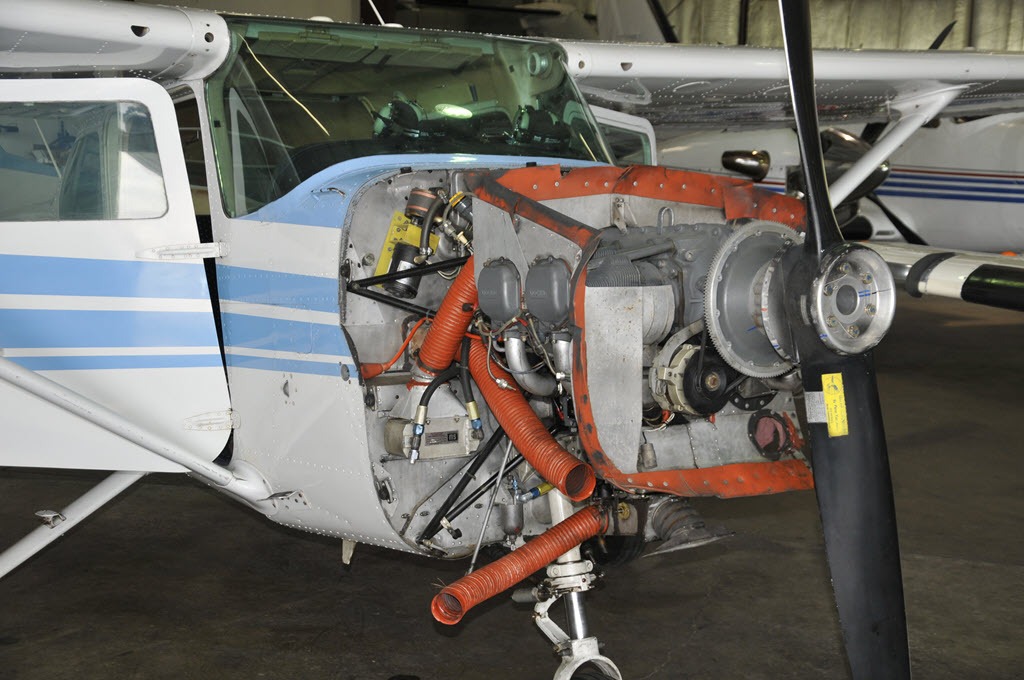
Many pilots love the way the cessna 172 flies. It is stable, predictable, and easy to handle. Still, the original setup often uses a gasoline engine that burns avgas, and that fuel keeps getting harder to find in some areas. When prices rise, owners start doing math in their heads during every flight.
One reason owners look at a conversion is fuel choice. A diesel-powered setup runs on diesel fuel, which is widely available. That helps pilots plan trips with less stress. It also helps schools that fly every day. A busy flight school can see big changes in monthly numbers when the airplane uses less fuel on each hour flown.
Maintenance also plays a role. Older designs can feel dated. A modern piston engine with electronic controls can reduce pilot workload. Instead of managing mixtures and settings, the system handles much of that work. This is part of an approved engine conversion process, not a backyard project.
Some owners compare brands. Traditional setups often come from lycoming or continental designs built years ago. Newer options from continental motors focus on efficiency and automation. For owners facing an engine smoh decision, replacing the replacement engine with a newer option can feel practical.
Cost still matters. The cost of an engine is never small, but some programs offer a lower price entry point or a new lower price promotion. When owners compare long-term fuel cost, maintenance, and resale value, the math can point toward a diesel conversion for certain missions.
What Makes Diesel Aircraft Engines Different
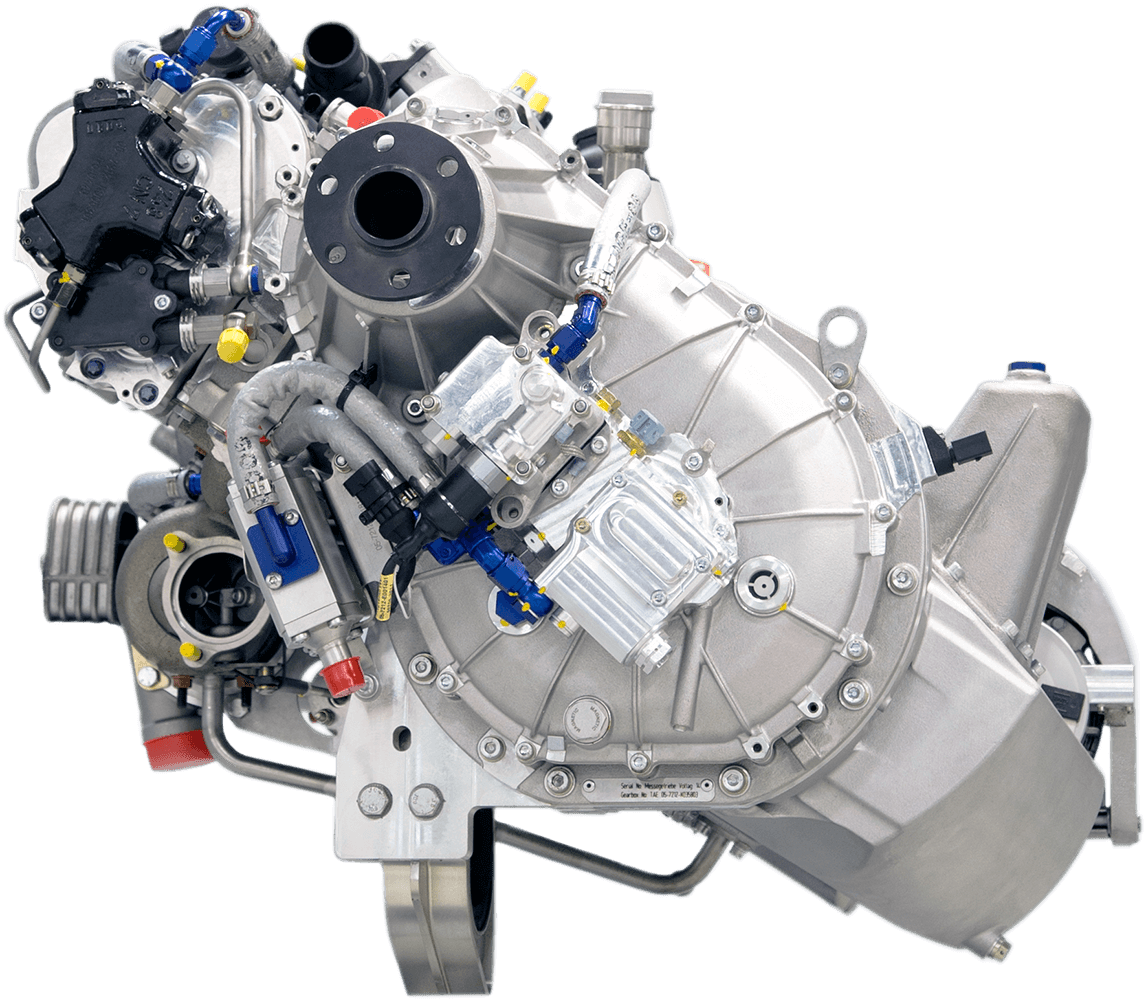
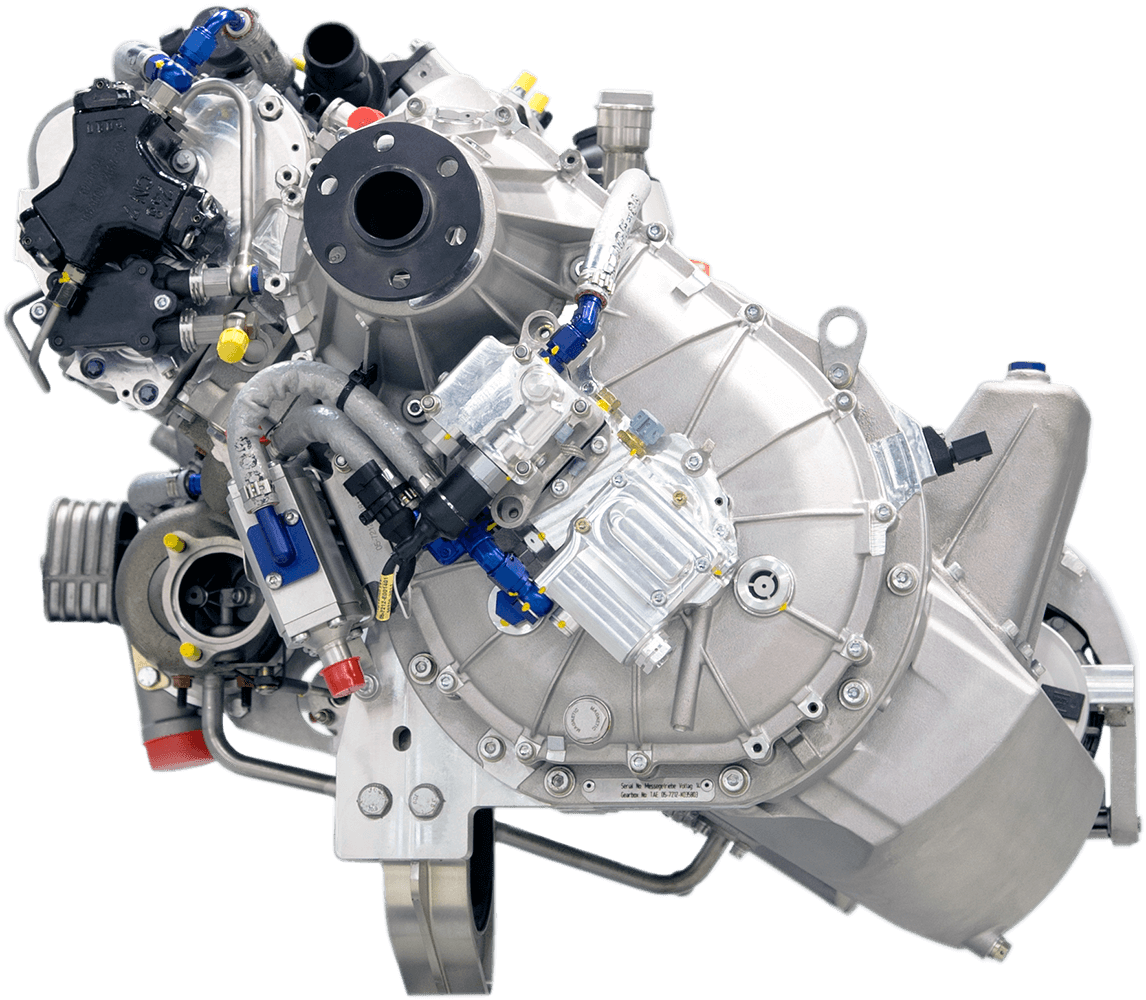
A diesel aircraft setup works differently from an older avgas engine. A diesel piston design uses compression and fuel injection instead of spark plugs. In simple terms, fuel is injected directly into the cylinders, and the engine burns it when pressure rises. This is why diesel engines tend to be efficient.
Many modern systems use full authority digital engine control. You may also hear it called digital engine control. The pilot moves a single lever on a quadrant with a single lever, and the computer manages power. This improves engine control and reduces errors. The engine runs smoothly across power settings, and the engine will run within safe limits on its own.
Power numbers matter too. A common option is the continental cd-135, rated at 135 hp. Some compare it to the cd-155 engine for higher output. These are part of a certified engine kit approved under an stc. The continental diesel line, including the cd-135 diesel and continental diesel engine family, is widely used.
Fuel use is a big talking point. Many pilots see half the fuel burn compared to older setups, or at least reduced fuel per hour. That means lower fuel flow, fuel consumption, and better fuel economy. Over time, fuel cost savings can add up, especially when flying with full fuel versus carrying only half fuel for short trips.
Installation details matter. The engine weighs differently, the propeller or prop may change, and the airframe must handle it. Approved programs like the premier edition 172 upgrade program or a diesel retrofit are designed for the 172 airframe. Work is done by an authorized cessna service center or groups like premier aircraft service and premier aircraft sales.
Some systems include a turbo, making it a turbo diesel or turbo diesel engine. This helps maintain engine power at altitude. The fuel system, including the fuel pump and fuel injection system, is designed for the use of diesel fuel and even alternative fuel types like Jet-A. Compared to an automotive engine, these are purpose-built for aviation.
Well-known names like thielert, centurion engines, and even diamond aircraft helped prove the concept years ago. Today, owners looking at a diesel 172, a 172 conversion, or converting cessna models can choose a new diesel engine replacement that fits the mission. The engine design supports smooth operation, predictable fuel burn, and a clear engine line from idle to climb. It may not be a big engine, but it is a smart one.
How a Cessna 172 Diesel Conversion Works in Real Life
When people hear the words “diesel conversion,” it can sound complex. In real life, the process follows clear steps and practical checks. The goal is simple. Take a familiar airplane and give it a modern power setup that runs on a different fuel and uses newer controls. Let’s walk through how this works from the hangar floor to the first flight.
Step One: Planning the Change
Every project starts with a plan. Owners of cessna 172s usually begin by looking at how they fly today. This includes how often they fly, how far they go, and how much fuel they use each month. These details help decide if the change makes sense.
Key questions often include:
- How many hours do I fly each year?
- What is the amount of fuel I usually burn per flight?
- Do I want simpler controls or lower operating costs?
This planning phase sets expectations. It also helps avoid surprises later.
Step Two: Removing the Old Setup
Next comes the physical work. The shop removes the original powerplant. This step is often called an engine swap, but it involves more than lifting one unit out and dropping another in.
During removal, technicians inspect:
- Mount points on the firewall
- Wiring and hoses connected to the old system
- The condition of nearby structure
This inspection is important. Any worn parts are fixed before the new system goes in. That keeps the airplane safe and reliable.
Step Three: Installing the New System
Once the old parts are out, the new package goes in. The new setup is designed to fit the airframe, so major cutting is not part of the job. Still, careful alignment matters.
Technicians install:
- The new power unit and mounts
- Updated lines for fuel and oil
- New sensors and control wiring
At this stage, pilots often hear about engine costs. These include the hardware, labor, and certification steps. Shops explain these clearly before work begins, so owners know what they are paying for.
Step Four: Updating the Fuel Side
One big change involves fuel. The airplane moves away from leaded gas and begins using new fuel that is widely available at many airports. This means changes to how fuel flows and how it is monitored.
The updated system supports:
- Better measurement of fuel flow
- Cleaner burning fuel
- Consistent performance across power settings
Many pilots notice improved fuel use right away. Flights that once needed careful fuel planning can now feel simpler. Fewer stops can be needed on longer trips.
Step Five: Learning the Controls
After installation, pilots learn how to use the new setup. This part often surprises people. Instead of managing multiple knobs, most systems rely on one main control.
The cockpit changes usually include:
- A single power lever
- Digital displays for engine data
- Automatic management of power settings
Pilots sometimes joke that it feels like flying a newer model airplane. The system acts as an engine master, handling tasks that once required constant attention. This helps reduce workload, especially during climb and cruise.
Step Six: Ground Testing
Before any flight, the airplane goes through ground tests. These checks confirm that everything works as expected.
Tests include:
- Starting procedures
- Power checks at different settings
- Monitoring temperatures and pressures
The goal is to confirm smooth operation. The aircraft stays on the ground until all readings match approved limits. This step builds confidence for the first flight.
Step Seven: First Flight and Adjustments
The first flight is a milestone. It follows a planned profile with specific checks. Pilots monitor performance closely and report anything unusual.
During early flights, pilots often notice:
- Smooth power delivery
- Stable temperatures
- Predictable fuel use
If small adjustments are needed, the shop handles them right away. This fine-tuning ensures long-term reliability.
How It Feels in Daily Flying
After the break-in period, daily flying feels familiar but refined. The airplane still handles the same in the air. Takeoffs, climbs, and landings remain predictable.
What changes is the experience:
- Fuel planning feels simpler
- Power control feels smoother
- Engine data is easy to read
The design uses a stroke diesel process, which supports steady power output. Compared to a standard engine, the system feels calm and consistent.
Comparing Old and New Power
Many owners compare the new setup to what they had before. Older systems often came from brands like lycoming and used traditional controls. Those designs served aviation well for years.
The new approach focuses on:
- Automation
- Efficiency
- Reduced pilot workload
This does not mean the old way was wrong. It simply reflects progress in design and operation.
Ownership and Long-Term Use
Living with a converted airplane means adjusting habits. Maintenance schedules differ slightly. Fuel planning changes. Training may include a short transition session.
Owners who choose to convert often say the biggest benefit is predictability. Flights feel easier to plan. Fuel stops feel less stressful. The airplane feels ready for modern flying.
In real life, a diesel conversion is not magic. It is a structured process with clear steps. When done by trained professionals, it turns a trusted trainer into a machine that fits today’s fuel and operating needs.
Conclusion
A diesel-powered setup changes how a familiar trainer fits into modern flying. The idea behind a Cessna 172 Diesel Conversion Explained is simple. Use a newer powerplant that offers efficient fuel use, modern controls, and easier planning for the future. It is not the right move for every owner, but for the right mission, it can make flying feel simpler and more predictable.
If you want help comparing options, prices, or available aircraft, take a look at what’s listed on Flying411 and see how different upgrades stack up for your goals.
Frequently Asked Questions
Is a diesel conversion legal in the United States?
Yes. It must be done under an approved STC and installed by a qualified shop following FAA rules.
Does a diesel engine change how the airplane flies?
The handling stays similar. Power control feels simpler because most setups use one main lever.
Can a diesel engine use Jet-A fuel?
Yes. Most systems are designed for Jet-A, which is widely available across U.S. airports.
Is maintenance harder with diesel engines?
Maintenance is different, not harder. Shops trained on the system handle inspections and parts.
Will a diesel conversion increase resale value?
It can be for the right buyer, especially one focused on fuel savings and modern systems.