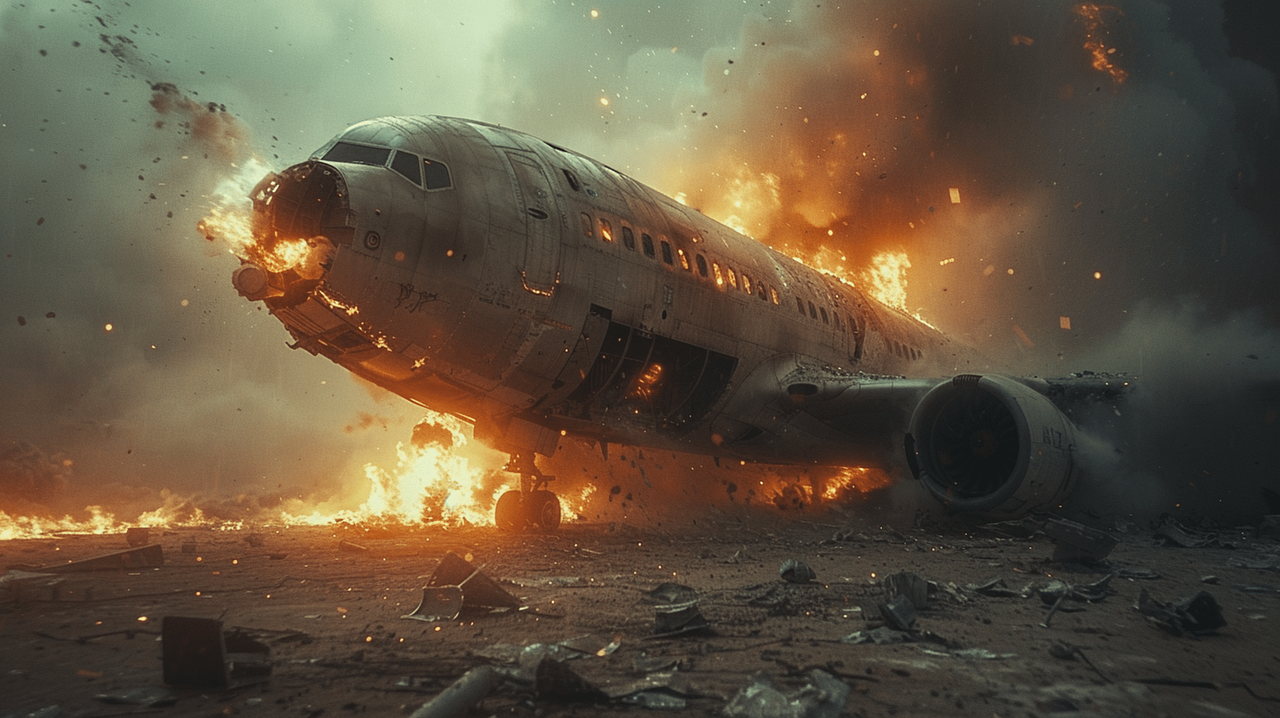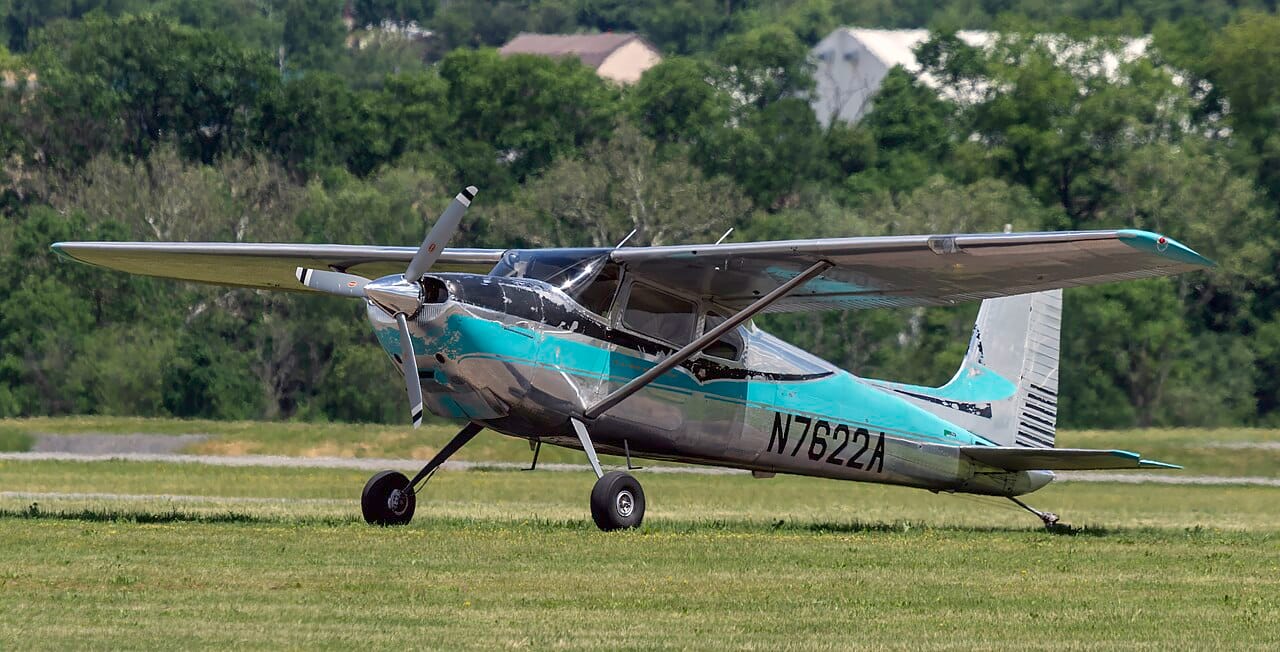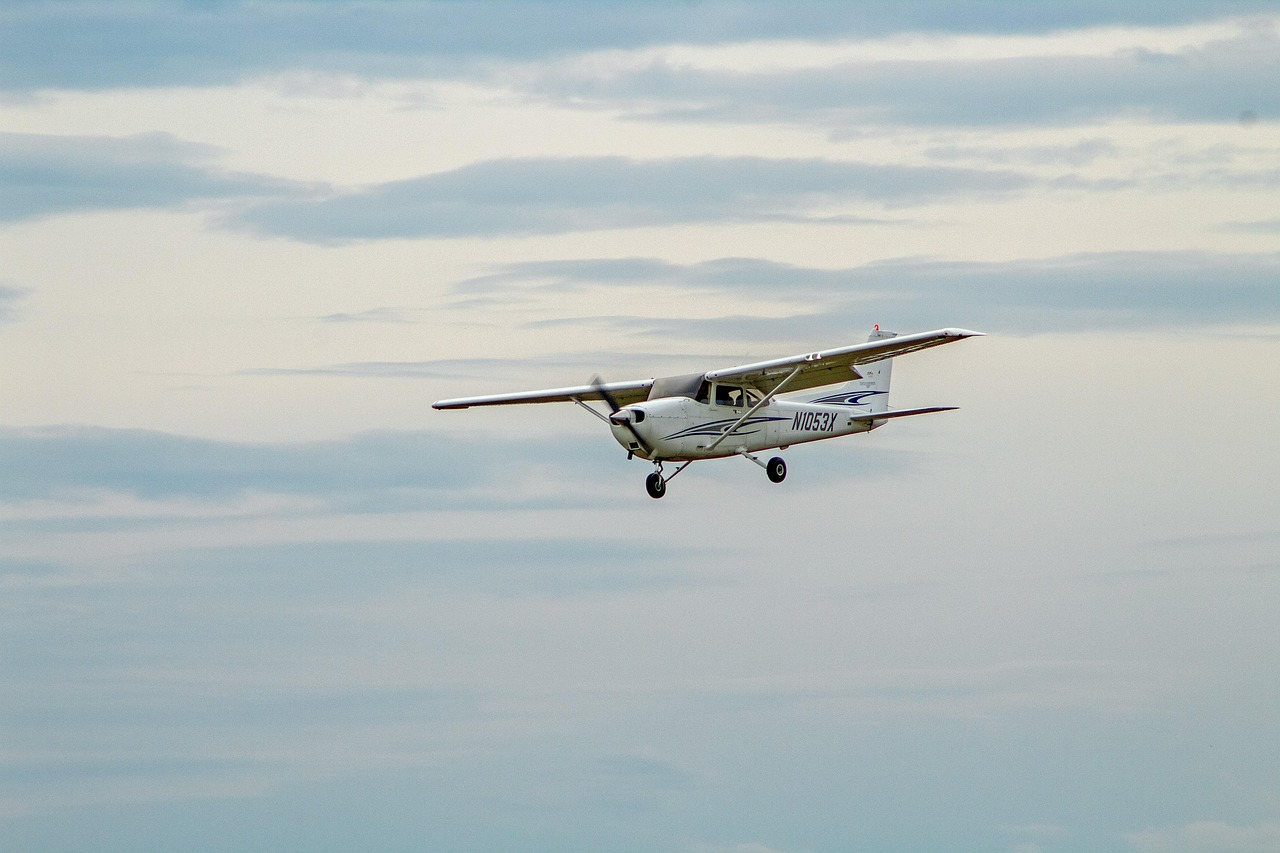
Flying is exciting, and it also calls for focus. Cessna 172 Common Emergency Procedures give pilots a clear plan when things do not go as expected. These steps help turn a scary moment into a calm, steady response. When you know what to do, your hands move with purpose and your mind stays on the task. That calm feeling starts with learning the basics and builds with steady use. Up next, you will see the key steps that keep pilots ready and confident.
Key Takeaways
Cessna 172 emergency procedures are simple steps pilots use to stay safe when something goes wrong in flight. The most common emergencies include engine failure, engine fire, electrical failure, and cabin smoke. Pilots are trained to stay calm, fly the airplane first, follow a short checklist, and land as soon as it is safe. Knowing these steps early helps pilots act fast and reduce risk.
| Emergency Type | What to Do First | Key Action | Main Goal |
| Engine failure | Keep control | Set best glide speed | Land safely |
| Engine fire (air) | Cut fuel | Shut off engine | Stop the fire |
| Engine fire (ground) | Keep cranking | Pull mixture | Burn off fuel |
| Electrical failure | Save battery | Turn off non-needed items | Keep key systems |
| Cabin smoke | Vent cabin | Open air vents | Clear the smoke |
| Emergency landing | Pick a spot | Fly the plane | Touch down safely |
What Are Cessna 172 Common Emergency Procedures?
These procedures are simple, clear actions pilots follow during trouble. They help protect people, the plane, and everyone on the ground.
When an Emergency Usually Happens
Most problems happen at busy times. Takeoff and landing are high-work moments. The pilot is changing speed, height, and direction. Small issues can show up fast. For example, a warning light may flick on, or the engine may sound different. These signs call for quick action.
In a cessna 172, many pilots train for issues that show up close to the ground. Fuel flow changes, wind shifts, or a rough runway can all add pressure. During an emergency, the first goal is control. The pilot keeps the wings level and the nose where it should be. That one step buys time.
A common example is engine failure in flight. The engine may lose power with little warning. When that happens, the pilot sets a safe speed and looks for a good place to go. This could be a runway, a field, or a clear road. A safe landing spot matters a lot.
Pilots use a clear procedure to guide each move. They check fuel, air, and ignition in order. These steps are part of emergency procedures taught early in training. Each step has a reason, and skipping steps can cause trouble.
This is why the cessna 172 emergency training feels repetitive. Repeating steps builds muscle memory. When stress rises, the body remembers what to do. Many pilots say this practice helps them feel steady.
Here is when emergencies often show up:
- Right after takeoff, when the engine works hardest
- On approach, when speed is low
- During weather changes, when wind shifts
- After long flights, when focus can fade
Pilots learn to watch for early signs. A change in sound or feel matters. A quick response keeps options open and supports safe outcomes in aviation.
How Pilots Stay Calm During Emergencies
Calm is a skill. It grows with time and smart habits. A trained pilot knows that fear can rush in, but training pushes it back. The mind follows a simple order: fly the plane, think clearly, then act.
Many pilots train in a training aircraft because it forgives small mistakes. This builds trust in the plane and in the pilot’s skills. Instructors guide students through drills again and again. That practice makes the steps feel normal, even under stress.
Pilots also use clear talk in their head. Short phrases help. “Airspeed first.” “Pick a spot.” These words guide action. Calm breathing helps too. Slow breaths lower heart rate and steady hands.
Good training does not need to be costly. Some lessons use free tools like chair flying, where pilots sit and talk through steps. This mental work builds confidence. It prepares the mind to act fast when needed.
Pilots also plan ahead. Before each flight, they think about what could go wrong and where they could go. This planning removes surprises. When a problem appears, the pilot already has an answer.
Ways pilots stay calm:
- Follow a set order of actions
- Use short, clear self-talk
- Breathe slow and steady
- Trust training and planning
- Keep focus on control first
Calm does not mean slow. It means clear. With training and steady habits, pilots handle problems with care and confidence.
Why Every Pilot Should Learn These Steps
Learning clear emergency steps helps pilots feel ready. It also helps them act fast when time matters. Planes move quickly, and problems can show up with little warning. When a pilot knows the steps by heart, the body reacts before fear takes over. That quick response can make a big difference.
A pilot does not need to fly for years to see the value of training. From the first lesson, these steps build strong habits. They guide hands and eyes. They also guide thinking. Instead of guessing, the pilot follows a plan.
Emergencies Do Not Give Warnings
Many problems start small. A sound changes. A gauge moves. The plane may feel different. These signs can show up at any height. They can also show up close to the ground. When this happens, the pilot must act fast.
Knowing what to do helps the pilot stay focused. The steps remove confusion. They give a clear order of actions. For example, control comes first. Speed comes next. Then the pilot looks for options. This order stays the same every time.
In a cessna 172, training often starts with basic safety drills. These drills repeat the same steps. Over time, the pilot stops thinking about each move. The moves feel natural. That comfort lowers stress during a real problem.
Clear Steps Build Confidence
Confidence grows from practice. When a pilot runs through the same steps again and again, trust builds. The pilot trusts the plane. The pilot also trusts personal skills.
Confidence does not mean taking risks. It means knowing limits. It also means knowing how to respond inside those limits. A pilot with confidence makes calm choices. Calm choices support safe outcomes.
Training helps pilots feel steady during a cessna 172 emergency. They know how the plane responds. They know how much time they have. They know how to set up for a safe landing if needed.
Confidence also helps with communication. A calm pilot can talk clearly on the radio. Clear talk helps others give support. It also helps air traffic control understand the situation.
Practice Helps the Body Remember
The body remembers actions better than the mind. This is why practice matters. Repeating steps builds muscle memory. When stress rises, the body follows what it knows.
Many pilots use simple tools to practice. Some sit in a chair and talk through steps. Others use checklists at home. These methods cost nothing. They are free, and they work well.
Practice also helps with timing. Pilots learn how fast the plane reacts. They learn how long actions take. This timing matters during fast events.
Here are simple ways pilots practice:
- Read the checklist out loud
- Sit and move hands as if flying
- Talk through steps with a friend
- Review notes after each flight
Each method supports memory. Together, they build strong habits.
Training Builds a Safety Mindset
Training does more than teach steps. It shapes thinking. Pilots learn to think ahead. They plan for problems before they happen. This planning reduces surprise.
A training aircraft is built to support learning. It responds gently. It gives time to correct mistakes. This helps new pilots feel safe while learning hard skills.
Training also teaches pilots to accept help. Asking for guidance is part of learning. Instructors share real stories. These stories show how steps work in real life.
The goal of training is not perfection. The goal is readiness. When a pilot feels ready, fear stays low. Focus stays high.
Real Events Show Why This Matters
Many real events show the value of training. Pilots often report that steps came back to them without thought. They acted. Then they realized what happened after the plane was safe.
One common event is engine failure in flight. This can feel sudden. The engine may lose power. The noise may change. The plane may slow.
A trained pilot reacts fast. Speed is set. A safe area is chosen. Steps are followed in order. The pilot stays in control.
These actions protect lives. They also protect property. They show why learning these steps matters so much.
Learning Early Makes a Big Difference
Pilots who learn these steps early feel less stress later. Early learning sets a strong base. Each new skill builds on that base.
Early training also shapes habits. Good habits stick. They guide behavior under pressure. This helps pilots act the same way every time.
Learning early also saves time. Pilots spend less time fixing mistakes. They spend more time improving skills.
Safety Supports the Whole Aviation Community
Safe pilots support safe skies. Each trained pilot helps the larger aviation system work well. Clear actions reduce risk for everyone.
Air traffic controllers rely on calm pilots. Other pilots rely on clear communication. People on the ground rely on safe choices.
Emergency steps support all of this. They keep events small. They stop problems from growing.
These Steps Support Long-Term Flying
Pilots fly for many reasons. Some fly for fun. Others fly for work. All pilots share the same need for safety.
Emergency training supports long-term flying. It helps pilots stay active. It helps them enjoy flying with peace of mind.
When pilots trust their training, flying feels steady. That steady feeling keeps learning fun. It also keeps skills sharp.
Simple Knowledge Has Strong Power
The steps themselves are simple. They use clear language. They follow a clear order. That simplicity is the strength.
Complex plans fail under stress. Simple plans succeed. This is why emergency steps stay short and clear.
Pilots who respect these steps show care for safety. They show care for others. They also show care for themselves.
A Skill Worth Keeping Fresh
Learning the steps once is not enough. Skills fade if not used. Regular review keeps them sharp.
Pilots set reminders. They review notes. They talk with peers. These habits keep skills alive.
The goal is not fear. The goal is readiness. Readiness brings calm. Calm brings safety.
Every pilot benefits from learning and keeping these steps fresh. They support safe flights today and tomorrow.
Conclusion
Flying brings joy, and it also asks for readiness. Cessna 172 Common Emergency Procedures give pilots a simple path during hard moments. With clear steps, steady practice, and calm thinking, safety stays front and center. If you want clear guidance and friendly support as you build these skills, explore helpful resources at Flying411 and keep growing with confidence.
Frequently Asked Questions
How often should pilots review emergency steps?
Pilots should review them before flights and during regular training to keep the steps fresh and easy to recall.
Are emergency procedures the same for all small planes?
Many steps are similar, but each aircraft has its own checklist that pilots must follow.
Can new pilots handle emergencies well?
Yes. With good training and steady practice, new pilots can respond safely and calmly.
Do simulators help with emergency training?
Yes. Simulators help pilots practice rare events in a safe and controlled setting.
What is the first thing a pilot does in trouble?
The pilot keeps control of the plane first, then works through the steps in order.