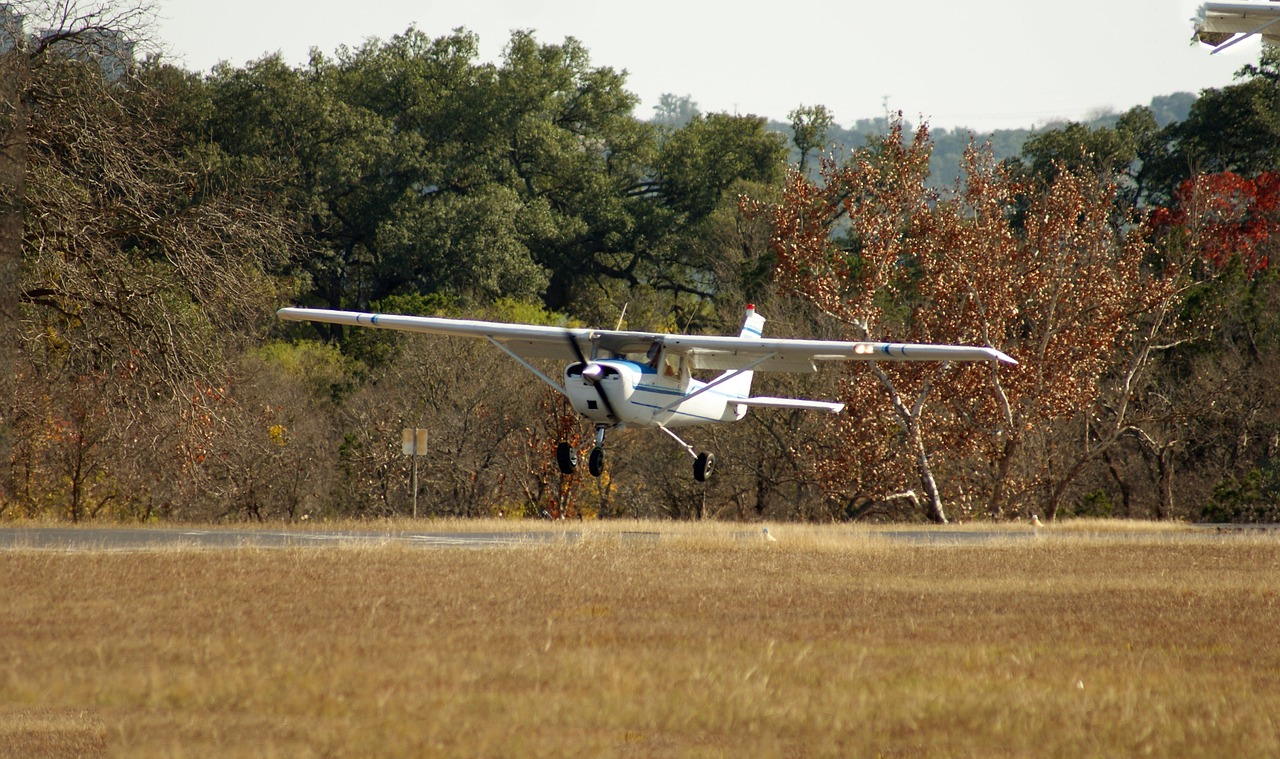
Owning your own airplane feels exciting, but picking the right year can feel confusing fast. Some years fly better. Some cost less to keep running. Some fit private owners better than others. This guide breaks down the Best Cessna 172 Model Years to Buy for Private Owners in a clear, friendly way, so you can see what really matters before moving forward.
Key Takeaways
The best Cessna 172 model years to buy for private owners are those with strong safety records, good maintenance history, and updated equipment, often found in late 1970s through the 2000s. Planes from these years tend to have reliable engines, newer avionics, and parts that are easier to maintain, so owners can fly with confidence and fewer surprises.
| Model Years | Why It’s Good | What to Look For | Notes |
| Late 1970s | Strong build | Check total hours | Many still flying |
| 1980s | Good avionics upgrades | Well-kept logs | Easy parts find |
| 1990s | Modern interior & systems | Recent inspections | More comfort |
| 2000s | Updated engine & tech | Service records | Best long-term value |
| Any Year | Well-maintained | Clean logs & inspections | Condition beats age |
Why the Cessna 172 Is a Popular Choice for Private Owners
The cessna 172 has earned trust over many decades. It is a steady aircraft that works well for learning, travel, and relaxed flying. Many owners call it a friendly airplane because it handles smoothly and feels stable in the air.
Pilots like the wide cabin and clear views. The skyhawk design helps with control during landing, even on windy days. The high wing keeps the cabin cooler and improves ground visibility near the nose wheel and landing lights.
This plane has trained millions of student pilots in flight school settings. That history matters because it proves the design works. The cessna 172 skyhawk became one of the most successful aircraft designs cessna ever produced. Many cessnas from early years still fly today.
Owners also like how easy it is to maintain. Many mechanics say it is easy to work on. A skilled a&p can inspect the fuselage, controls, and systems without special tools. Parts remain available because the cessna built so many of them.
Early models like the 172a and 172b used simple setups with the continental o-300, a 6 cylinder engine rated at 145 hp or 145 horsepower. These engines can last a long time with regular oil changes and oil analysis.
Later versions gained more power. Some models used lycoming engines like the o-320, o-320-h2ad, and o-360. These offered better climb with 160hp, 160 hp, 180hp, 180 hp, or 180 horsepower options.
Because many 172s trained pilots, you can find good used aircraft with strong records. Some have low time engines, fresh paint job, or even a new engine after overhaul. With the right pre-buy, the 172 remains a strong choice for a private pilot who wants safe, steady flying.
What Private Owners Usually Want From a Cessna 172
Private owners often want simple flying with fewer surprises. The right 172 model should match how you plan to fly, not how others fly.
Many owners prefer strong but simple power. Engines like the o-300, continental o-300, o-320, o-360, and o-360s each bring different benefits. A solid hp engine with a good tbo helps control long-term costs. Some owners look for fuel injected engine setups like the io-360-l2a for smoother starts.
Control systems matter too. Some pilots like manual flaps for direct feel, while others prefer electric setups. Older straight tail models feel lighter in pitch. Models like the cessna 170 inspired this early handling style.
Avionics shape how you fly today. Basic panels work well for vfr, but some owners want ifr capability. An upgraded instrument panel with garmin, garmin g1000, or other upgraded avionics adds value. Tools like foreflight help with planning and weather.
Owners also think about performance. Models like the hawk xp, hawk xp, and r172k offer more horsepower. The 210 and 182 often come up in comparisons, but many owners still prefer the lighter feel of a single-engine aircraft like the 172.
Useful extras include range tanks, a larger rear window, and better landing visibility. Some later designs like the 172n and n models improved comfort and reliability. The 172's design kept evolving through the late 1960 era into late models like the cessna 172s.
Maintenance history matters most. Look for clean logs, regular inspections, and engine work done by trusted shops like penn yan. A careful pre-buy can reveal issues before you buy an airplane. With the right care, a model cessna 172 remains one of aviation’s most dependable options for flight training and personal travel.
Best Cessna 172 Model Years to Buy Based on Reliability, Cost, and Features
Picking the right year matters. Some years cost less to own. Some years run longer between repairs. Others give small upgrades that make flying easier. This section walks through the best years based on real ownership needs. Think reliability first, cost second, and features last. That order helps most owners stay happy.
Early Straight-Tail Models (Mid-1950s to Early 1960s)
These early years attract owners who like simple flying.
The airframes are light. Controls feel direct. Many pilots say these models feel honest in the air. Maintenance stays simple because systems stay basic.
What works well
- Strong airframe with low empty weight
- Simple systems that age well
- Good handling during landing
What to watch
- Older wiring and radios
- Lower power engines
- Fewer comfort features
Most of these planes use the continental engine rated at 145 horsepower. This setup runs smooth when cared for. Parts remain available, but you must check logs closely. Many planes from this era already had an engine overhaul, which can be a plus.
These years work best for a private pilot who flies for fun, stays local, and values feel over speed. They also appeal to owners who enjoy hands-on care and light upgrades.
Mid-1960s to Early 1970s Models
This range hits a sweet spot for many owners.
The design stayed simple, but small improvements arrived. Visibility improved. Cabins felt more refined. Maintenance stayed manageable.
Why owners like these years
- Proven structure and systems
- Easy parts access
- Balanced cost and reliability
Many examples from this range served in flight school fleets. That history matters. Schools chose planes that lasted. Some planes flew a lot, but many were maintained on strict schedules.
You still get manual control feel. The flap system stays simple. These planes work well for short trips and weekend flights. They also hold value well in today’s market.
The 172M and 172N Era (Mid-1970s)
These years brought meaningful updates.
Cessna refined systems without adding complexity. Interiors improved. Electrical systems became more consistent. These updates help long-term ownership.
Strong points
- Better corrosion protection
- Improved electrical reliability
- Good balance of price and features
Many of these models switched engines over time. Power options improved. Fuel burn stayed reasonable. Owners often find these planes easier to insure than much older examples.
These models also bridge the gap between old and new. They feel familiar to pilots trained later, yet they still keep ownership costs controlled.
The 172P and 172R (1980s to Early 1990s)
These years added power and usability.
The airframe stayed familiar. Systems grew stronger. Engine performance improved. Many owners like this range for personal travel.
What stands out
- Better climb performance
- Improved cooling and reliability
- Strong support network
Some models in this era compare well against a piper or even a smaller 182 for short trips. You get better takeoff margins without stepping up to a heavier class.
For owners flying longer legs, these years offer better comfort and useful load. They also work well for pilots planning light ifr flying with basic upgrades.
The 172S Models (Late 1990s to Mid-2000s)
These years feel modern without feeling complex.
The 172s brought fuel-injected engines and improved safety features. Performance increased. Starting reliability improved, especially in colder weather.
Why these years rank high
- Fuel injection reliability
- Strong factory support
- Familiar training platform
Many pilots trained in these models. The skyhawk name stayed strong here. That matters when resale time comes.
Owners like the smoother power delivery and better climb with 180 hp or 180hp options. The plane still flies predictably. Maintenance costs rise slightly, but reliability often offsets that.
Reliability Across the Years
Reliability depends on care more than year, but some trends hold true.
Later models benefit from refined manufacturing. Earlier models benefit from simpler systems. Both can be reliable when maintained correctly.
Reliability tips
- Check maintenance logs carefully
- Look for consistent inspections
- Review engine time and usage
A clean history matters more than shiny paint. A well-used aircraft with good records often beats a hangar queen with gaps.
Cost of Ownership by Era
Costs vary by year, but patterns help guide choices.
Lower-cost ownership
- Early straight-tail models
- Mid-1960s designs
Mid-range costs
- 172M, 172N, and 172P
Higher purchase, lower surprise costs
- 172R and 172S
Fuel burn stays reasonable across all years. Insurance tends to favor later models. Parts availability remains strong because the cessna production numbers stayed high.
A buyer planning steady use should factor total cost, not just purchase price. A slightly higher buy-in often lowers yearly stress.
Feature Differences That Matter
Features matter when they match how you fly.
Common features to consider
- Engine power and cooling
- Panel layout and upgrade space
- Control feel and trim response
Some owners want advanced avionics right away. Others prefer simple panels and upgrade later. Both paths work.
Avoid paying extra for features you will not use. A simple airplane that flies often beats a complex one that sits.
Constant Speed Prop Considerations
Some late models and conversions include a constant speed setup. This adds flexibility and climb control. A constant speed prop can improve performance but adds cost.
Pros
- Better climb management
- Improved cruise control
Cons
- Higher maintenance
- Added complexity
For many owners, fixed-pitch works fine. Choose based on your comfort and budget.
The best year depends on how you fly.
If you want low cost and simple care, look earlier. If you want modern feel and easier starts, look later. Every version of the cessna 172 keeps the same promise. It flies steady. It forgives mistakes. It supports ownership well.
Pick the year that fits your mission, not trends. That choice brings the best value over time.
Conclusion
Choosing the right year means matching the plane to your flying goals, budget, and comfort level. The Best Cessna 172 Model Years to Buy for Private Owners often balance simple systems, proven engines, and strong support. When you want expert insight and trusted listings, explore ownership tools and guidance at Flying411.
Frequently Asked Questions
What is the best engine choice for private owners?
Most owners prefer proven engines with good parts support and maintenance history, especially mid-power options for balanced performance.
Are older Cessna 172 models safe?
Yes, if maintained well. Condition and records matter more than the year.
Do I need modern avionics right away?
No. Many owners upgrade later based on how they fly and where they fly.
Is a pre-buy inspection required?
Yes. A full pre-buy helps avoid hidden costs and safety issues.
Can a Cessna 172 handle cross-country trips?
Yes. With proper planning, it works well for short to medium trips across the U.S.