Flying a Cessna 172 feels familiar to many pilots. It is simple, steady, and trusted. But cockpit technology has changed a lot over the years. When older equipment stays in place too long, flying can feel harder than it needs to be.
That is why Best Avionics Upgrades for a Cessna 172 matters to pilots who want clearer information, safer flights, and less stress in the cockpit. Before choosing new equipment, it helps to understand what these systems do and who benefits the most.
Key Takeaways
The best avionics upgrades for a Cessna 172 improve safety, simplify flying, and support modern flight rules. Common upgrades include digital displays, GPS navigation, ADS-B systems, and audio improvements. These tools help pilots plan better, fly smoother, and stay compliant.
| Key Area | Why It Matters |
| Safety | Traffic alerts and clear warnings reduce risk |
| Navigation | GPS tools make routes easier to follow |
| Compliance | Modern gear supports airspace rules |
| Comfort | Better audio and cleaner panels lower workload |
| Value | Updated systems help resale appeal |
What Avionics Upgrades Are and Why They Matter in a Cessna 172
Avionics are the electronic systems inside the cockpit. They help a pilot control the airplane, track position, and monitor systems. In a cessna 172, these systems live in the panel and shape how the plane is flown.
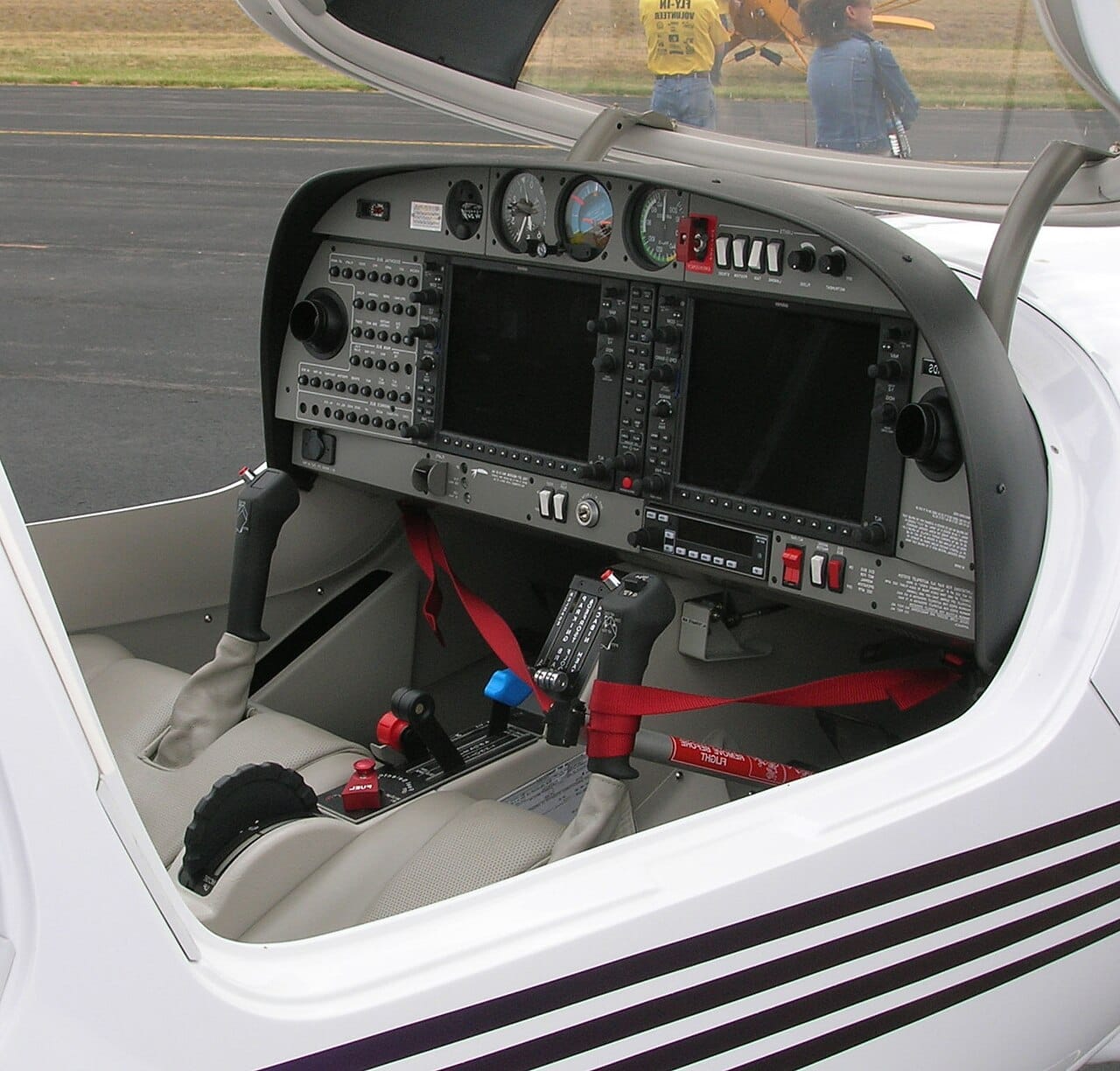
Older 172s often rely on steam gauges and basic radios. These setups still work, but they can slow down decision-making. An avionics upgrade replaces or improves these tools with modern equipment that offers clearer data and better functionality.
Common upgrade reasons include safety, navigation, and compliance.
Safety improves when systems support ads-b, adsb, and ads-b out compliance. A modern transponder like a 345 helps other aircraft see your aircraft. This is especially helpful in busy airspace.
Navigation improves with modern gps, nav, and navigation tools. Older radios like the 430 may still work, but newer ifr gps units such as the 650 or 750 offer moving maps, cleaner cdi, and clearer hsi guidance.
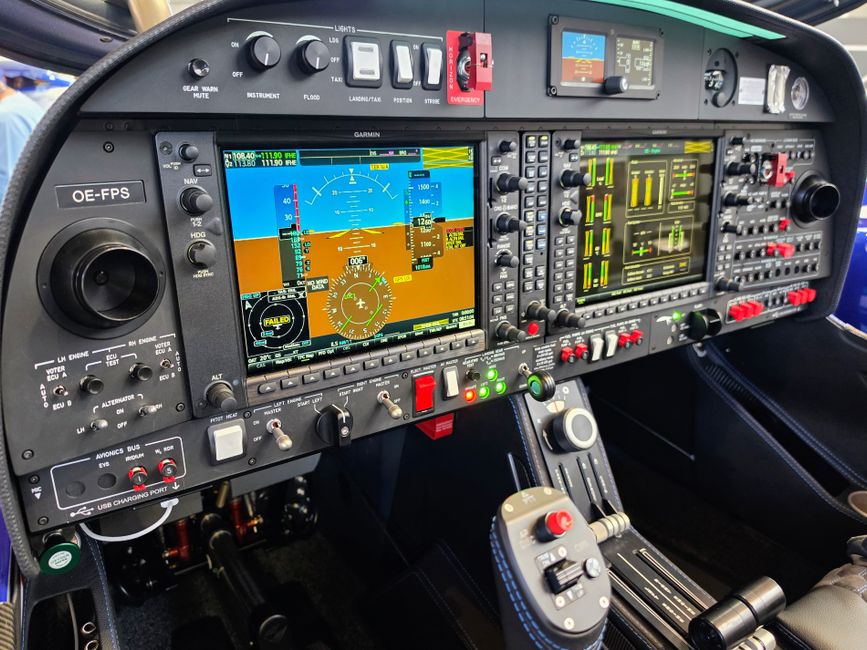
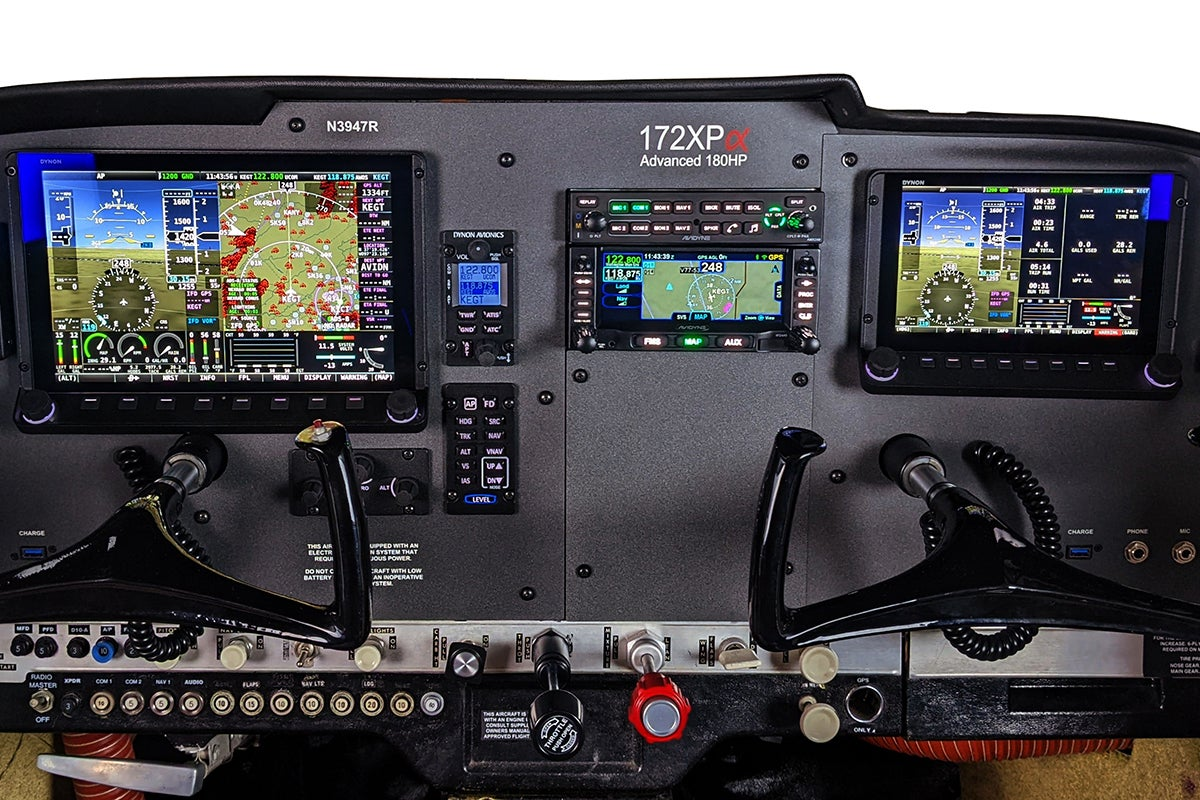
Cockpit clarity improves with digital displays. Options like g5, dual g5s, or efis systems from garmin or dynon replace multiple round gauge units. This cleans up 172 panels and improves scan speed.
Install quality matters too. Proper installation uses labeled wire, protected cable, a clean harness, approved tray, and solid bracket mounts. Systems connect through the instrument panel and protected circuit breakers.
Extra features often include an audio panel, engine monitor, autopilot, usb, and usb ports. Some systems are hardwired, while others support bluetooth and tablets like an ipad using ForeFlight.
Each install must match the airframe, follow approved diagram layouts, and remain compatible with certified aircraft rules. Installation time and installation cost depend on how much old gear is removed and what suite is selected.
Who Benefits Most From Upgrading Cessna 172 Avionics
Different pilots benefit in different ways, but most aircraft owner groups gain value from modern systems in a c172 or even a 182.
Student pilots benefit from clear displays and simple layouts. Digital instrument views reduce confusion during training and make scanning easier.
Private owners enjoy smoother flights and easier planning. Clear indicator displays and reliable navigator tools reduce workload on longer trips.
IFR pilots rely on accuracy. Modern ifr setups with backup displays improve confidence in low visibility and busy airspace.
Cross-country flyers benefit from traffic views, moving maps, and tablet integration. Tools like aera units and synced apps help with planning and updates.
Owners planning resale gain value. Buyers often prefer planes with modern instrumentation, clean wiring, and current compliance already in place.
Each group values different features, but all benefit from better clarity, safety, and control.
How to Choose the Best Avionics Upgrades for a Cessna 172
Choosing the right upgrades can feel confusing at first. There are many boxes, screens, and options. The good news is that the process becomes simple when you break it into clear steps. The goal is to match the equipment to how you actually fly your plane, not how someone else flies theirs.
Start by looking at what you already have.
Many older Cessna 172s still use outdated avionics. These systems may work, but they can be hard to read, slow to use, and costly to maintain. If you still rely on older radios, dim displays, or worn knobs, that is a sign it may be time to update.
Step One: Define How You Fly
The first question is simple. How do you use the airplane?
Ask yourself a few honest questions:
- Do you mostly fly short local trips?
- Do you fly long cross-country flights?
- Do you fly ifr or plan to in the future?
- Do you fly alone or with passengers?
A pilot who flies local daytime trips may only need a basic upgrade. A pilot who flies in clouds needs much stronger tools. Clear goals help avoid buying gear you do not need.
Step Two: Decide What to Replace First
Most upgrades start in the panel. This is where the pilot looks during every phase of flight. Improving this area gives the biggest benefit.
Older setups use round dials and radios. These include each gauge, instrument, and small indicator spread across the panel. Modern layouts group key information together so the eyes move less.
Many owners start by replacing one item at a time:
- Old radios get replaced with newer navcoms
- Failing dials get replaced with digital displays
- Single-function boxes get replaced with multi-use screens
This approach spreads cost over time and reduces downtime.
Step Three: Choose a Navigation System That Fits
Navigation is one of the most important upgrades.
A modern gps makes flying easier and safer. Routes are clearer. Airports are easier to find. Airspace boundaries are easier to avoid.
Some systems use buttons and knobs. Others use a touch screen. Touch screens feel familiar to many pilots because they work like tablets. Button-based units work well in turbulence. The right choice depends on comfort and experience.
Brands matter here. Many owners choose garmin because of support, parts availability, and long-term updates. Matching systems from the same brand often work together better.
Step Four: Plan for ADS-B and Traffic Awareness
Modern airspace requires visibility. This is where ads-b equipment comes in.
A compliant system allows other aircraft and controllers to see you clearly. Units like the 345 series support traffic and weather features when paired correctly. Some setups include audio alerts that connect through devices like the gma 345, which helps keep the pilot’s eyes outside.
This type of upgrade improves safety in busy airspace and near larger airports.
Step Five: Think About Future Growth
Good planning saves money later.
If there is a chance you may upgrade again, choose systems that allow expansion. For example:
- A display that can accept future inputs
- A GPS that can connect to other devices
- A panel layout that leaves room for growth
Some owners later move from a 172 to a 182. Choosing flexible systems helps equipment transfer or resale value.
Step Six: Balance Cost and Value
Every upgrade has a cost to buy and a cost to install. The goal is value, not the cheapest price.
Focus spending where it helps most:
- Primary flight display
- Navigation and communication
- Required compliance equipment
Extras like usb charging ports are inexpensive and improve daily use. Small features like this can make long flights more comfortable without major cost.
Step Seven: Work With the Right Shop
A good shop matters as much as the equipment.
A quality shop will:
- Review your flying goals
- Check aircraft compatibility
- Explain what can and cannot be done
- Plan the install step by step
Clear communication helps avoid surprises. Ask for timelines, training support, and documentation.
Step Eight: Keep It Simple
The best avionics setup is the one you understand and use well.
Too many screens can overwhelm. Too many features can distract. Simple layouts help the pilot stay focused on flying.
A clean panel, clear navigation, and reliable systems create confidence. And confidence makes flying safer and more enjoyable.
Choosing upgrades does not have to be stressful. Take it one step at a time. Match the equipment to your flying style. Ask good questions. With the right plan, your Cessna 172 can feel easier to fly and ready for many years ahead.
Conclusion
Modern cockpit tools can change how flying feels from start to finish. The Best Avionics Upgrades for a Cessna 172 help improve safety, reduce workload, and keep the airplane ready for today’s flying environment. If you want guidance on upgrades, ownership decisions, or aircraft options, explore trusted resources at Flying411 and move forward with confidence.
Frequently Asked Questions
What is the first avionics upgrade most owners choose?
Many owners start with a GPS or digital display because it improves navigation and awareness right away.
Do avionics upgrades require FAA approval?
Yes. All installations must be approved and signed off by a certified technician.
How long does an upgrade usually take?
Small installs may take days, while full panels can take several weeks.
Can older Cessna 172 models be upgraded?
Yes. Most older models support modern systems with approved installations.
Do avionics upgrades help resale value?
Yes. Updated avionics often make an aircraft easier to sell and more appealing to buyers.